
PETG (Polyethylene Terephthalate Glycol-modified) filament has rapidly ascended as a powerhouse material in the realm of 3D printing, offering a compelling blend of properties that bridge the gap between common filaments like PLA and more engineering-grade plastics such as ABS. Its unique characteristics make it suitable for an expansive array of applications, from robust prototypes and functional parts to aesthetic models and components exposed to demanding environments. Understanding the core attributes of PETG is crucial for leveraging its full potential in technological innovation and product development.
Understanding PETG: A Hybrid Material for Advanced 3D Printing
PETG is a thermoplastic polyester that combines the ease of printing often associated with PLA with the durability and temperature resistance found in ABS, all while introducing its own distinct advantages. The “G” in PETG stands for glycol-modified, a chemical alteration to polyethylene terephthalate (PET – the plastic commonly used in water bottles) that prevents crystallization and makes the material more suitable for extrusion. This modification enhances its impact resistance, clarity, and overall printability, distinguishing it from standard PET which is typically too brittle for 3D printing.
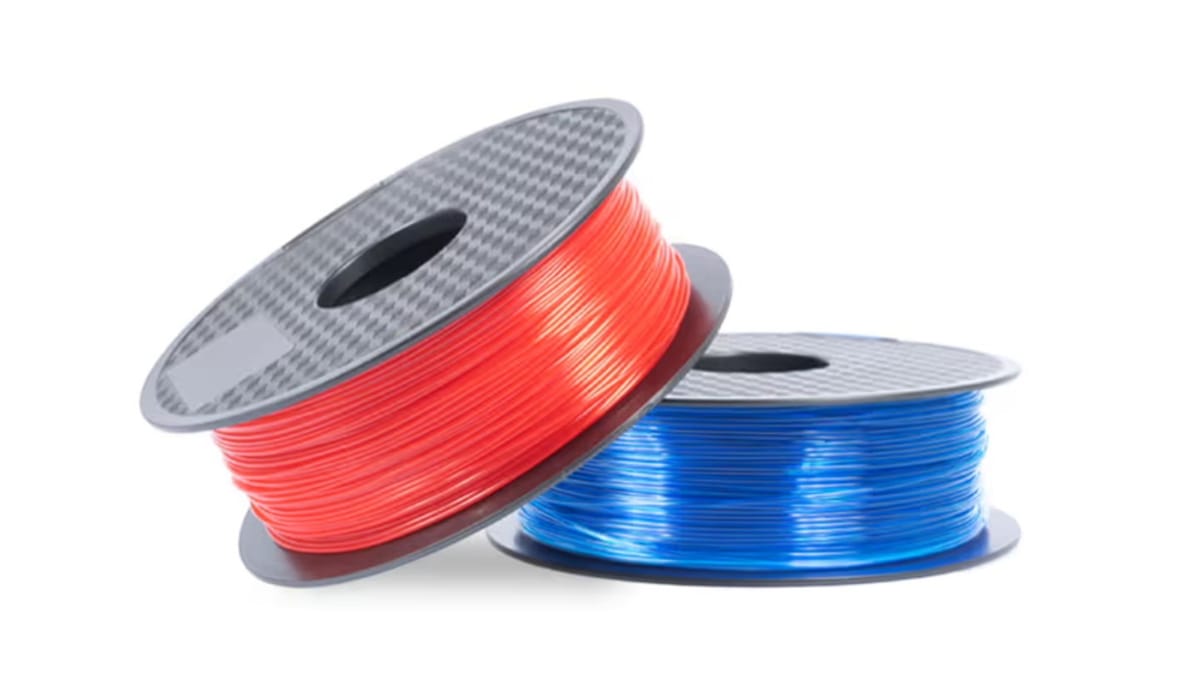
At its core, PETG excels due to a combination of desirable mechanical and thermal properties. It boasts significant strength and ductility, meaning it can withstand considerable stress before breaking and exhibits a degree of flexibility, making parts less prone to shattering upon impact. This resilience is a key differentiator, especially when compared to the rigid, albeit strong, nature of PLA. PETG also offers good heat resistance, with a glass transition temperature typically around 80°C, surpassing PLA’s ~60°C and approaching ABS’s ~105°C, making it suitable for applications that might experience moderate thermal exposure. Furthermore, it possesses excellent chemical resistance against water, acids, and alkalis, which broadens its utility in diverse operational settings. Its inherent transparency, when unpigmented, allows for the creation of translucent or clear parts, a characteristic often valued in visual and functional prototypes.
Compared to PLA, PETG offers superior impact resistance, flexibility, and heat tolerance, making it a better choice for functional parts that require durability. While PLA is easier to print and often provides finer detail, its brittleness and lower temperature resistance limit its use in more demanding applications. Against ABS, PETG holds its own with similar strength and heat resistance, but often exhibits less warping during printing and does not emit the strong fumes associated with ABS, making it more user-friendly in many environments. However, ABS generally offers superior surface finish for solvent smoothing and can be slightly more rigid for very high-stress, non-flexible applications. This unique position between two dominant filaments makes PETG a go-to choice for designers and engineers seeking a balance of performance and printability.
Diverse Applications Across Industries
The versatility of PETG filament translates into its widespread adoption across numerous industries and use cases. Its balanced properties make it an ideal material for a spectrum of functional and aesthetic requirements.
Prototyping and Functional Parts
One of PETG’s most significant uses lies in rapid prototyping and the production of functional components. Its high impact strength and durability make it perfect for creating prototypes that need to withstand handling, testing, or integration into working assemblies. Engineers frequently use PETG for:
- Mechanical Components: Gears, housings, brackets, and levers that require resilience and load-bearing capabilities. Unlike PLA, PETG parts are less likely to snap under stress, offering greater reliability in dynamic applications.
- Jigs, Fixtures, and Tooling: In manufacturing and workshop settings, custom jigs and fixtures made from PETG provide durable and precise aids for assembly, measurement, or process control. Their chemical resistance also means they can endure exposure to various industrial fluids without degradation.
- End-Use Parts: For consumer electronics, custom enclosures, or replacement parts where moderate heat and impact resistance are necessary, PETG often serves as an excellent material, providing longevity and structural integrity.
Consumer Goods and Everyday Items
PETG’s combination of durability, chemical resistance, and often food-safe status (for the raw material, though 3D printed surfaces can harbor bacteria) makes it suitable for a variety of consumer products. Its ability to create transparent or translucent objects also opens up aesthetic possibilities.
- Protective Gear: Durable phone cases, protective covers for electronic devices, and even some non-critical sports equipment components benefit from PETG’s impact resistance.
- Household Items: Items like custom storage containers, bottle holders, durable kitchen organizers, or pet accessories can be reliably printed with PETG, offering a longer lifespan than PLA alternatives.
- Durable Toys and Models: For children’s toys or intricate models that need to withstand frequent handling and occasional drops, PETG provides the necessary toughness without being overly rigid or brittle.
Medical and Scientific Applications
While not typically used for implantable devices, PETG finds its niche in various medical and scientific contexts where biocompatibility (in its virgin form) and chemical resistance are valued.
- Custom Lab Equipment: Trays, holders, custom manifolds, and non-critical fluidic components benefit from PETG’s resistance to many laboratory chemicals and its ability to be cleaned.
- Anatomical Models: For educational purposes, surgical planning, or patient communication, PETG’s ability to be printed with transparency or specific colors allows for the creation of detailed, durable anatomical models.
- Prosthetics (Non-Critical): In some cases, PETG is used for creating prototypes or outer shells for non-load-bearing or cosmetic prosthetic devices, where its balance of strength and flexibility is advantageous.
Automotive and Robotics
The automotive and robotics industries demand materials that can withstand vibrations, temperature fluctuations, and sometimes exposure to oils and fuels. PETG offers a compelling solution for various components.
- Interior Automotive Parts: Custom dashboard mounts, console organizers, or non-critical trim pieces can be printed with PETG, offering durability and resistance to cabin temperatures.
- Robotics Components: Enclosures for sensors, custom mounting brackets for motors, or parts of robotic grippers can be fabricated from PETG, leveraging its strength and impact resistance to ensure reliability in dynamic environments.
- Fluid Reservoirs and Hoses: Given its chemical resistance, PETG can be used for prototyping or even low-pressure, non-critical fluid handling components in test rigs.
Art and Aesthetics
Beyond its functional prowess, PETG’s ability to be printed translucent or clear, combined with its smooth surface finish potential, makes it appealing for artistic and decorative applications.
- Light Diffusers and Fixtures: Its clarity allows for the creation of intricate lamp shades, light guides, or illuminated sculptures that effectively diffuse light while maintaining structural integrity.
- Visual Prototypes: When a prototype needs to accurately represent the appearance of a final product, including its transparency or color, PETG can deliver aesthetically pleasing and durable models.
- Intricate Architectural Models: For complex architectural scale models that require both detail and robustness against handling, PETG provides a reliable option.
Technical Considerations for Optimal PETG Printing
While PETG offers numerous advantages, achieving optimal print quality requires understanding and addressing specific technical considerations. Mastering these aspects is key to harnessing its full potential.
Printer Compatibility and Setup
Most FDM (Fused Deposition Modeling) 3D printers are capable of printing PETG, but certain features enhance the process:
- Heated Bed: A heated print bed is highly recommended, typically set between 70°C and 90°C. This prevents warping and ensures strong first-layer adhesion, a critical factor for successful PETG prints. Surfaces like PEI (Polyetherimide), glass with an adhesive (like gluestick or hairspray), or textured build plates work well. It’s crucial to be mindful of PETG’s strong adhesion to certain surfaces, particularly bare glass, which can lead to parts sticking too well and potentially damaging the print surface upon removal.
- Nozzle Temperature: PETG generally requires higher extrusion temperatures than PLA, typically ranging from 220°C to 250°C. The exact temperature will depend on the specific PETG brand and printer setup, and experimentation is often necessary to find the sweet spot that provides good layer adhesion without excessive stringing.
- Cooling: Moderate cooling fan speeds (typically 20-50%) are often used. While too much cooling can lead to poor layer adhesion and weaker parts, some cooling helps with overhangs and bridges and reduces stringing.
Addressing Common Printing Challenges
PETG’s unique characteristics can present a few common challenges that, once understood, are easily manageable:
- Stringing and Oozing: PETG has a tendency to be “stringy” or “ooze” due to its higher melt flow index and tackiness when hot. This can be mitigated by optimizing retraction settings (increasing retraction distance and speed), ensuring correct nozzle temperature, and sometimes using a slightly faster travel speed.
- Moisture Absorption: Like many plastics, PETG is hygroscopic, meaning it absorbs moisture from the air. Moist filament can lead to bubbles, steam, and poor print quality. Storing PETG in a dry box with desiccant or dehydrating it in a filament dryer before printing is highly recommended.
- Adhesion Control: While strong bed adhesion is generally good, PETG can sometimes adhere too strongly to certain surfaces, especially bare glass, potentially causing damage when removing prints. Using an interface like blue painter’s tape, a thin layer of gluestick, or a PEI sheet can provide a good release layer.
- Print Speed: A slightly slower print speed (e.g., 40-60 mm/s) often yields better results with PETG, allowing the material to properly melt and adhere, especially for the first few layers.
Advantages and Limitations Summary
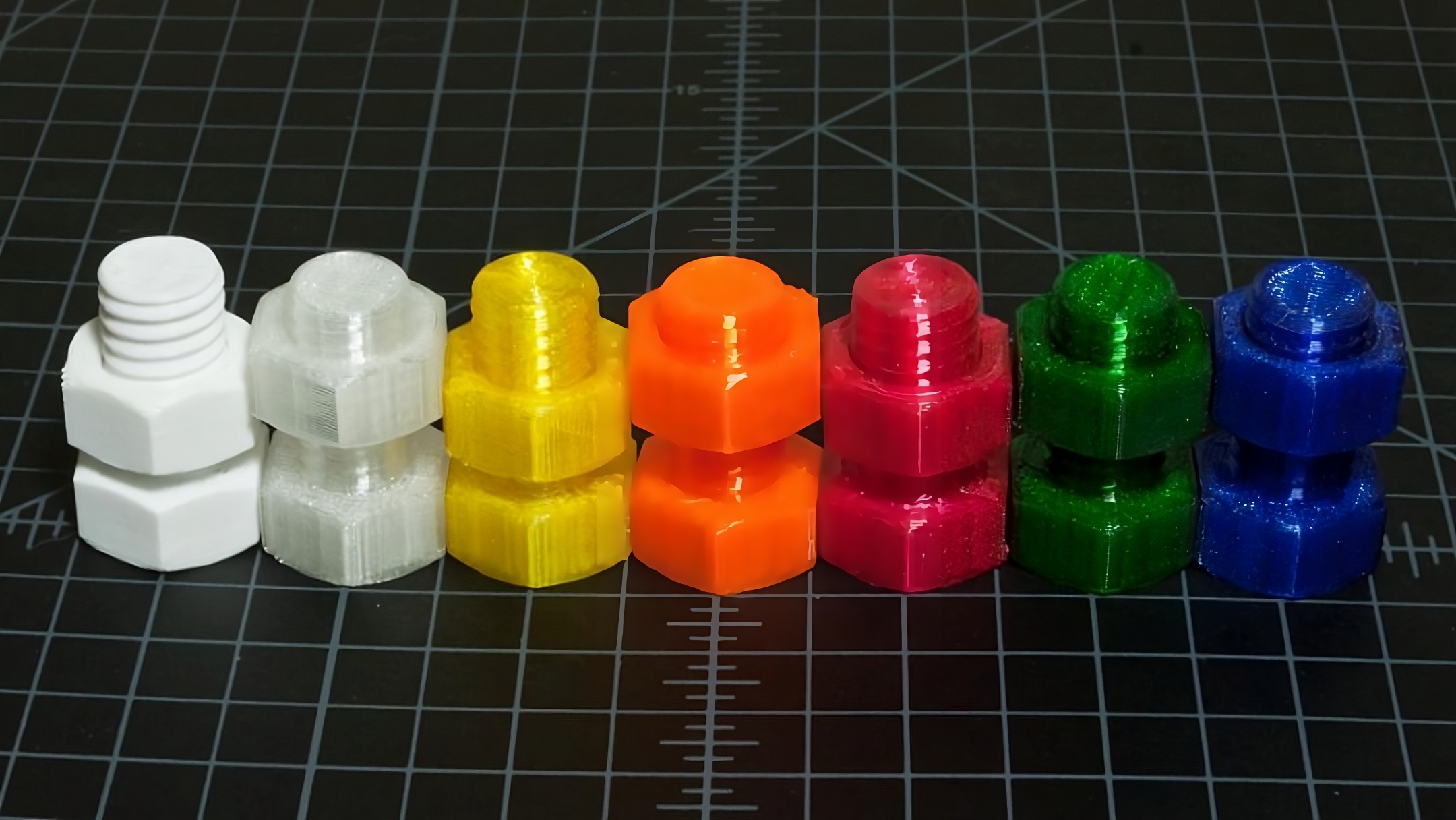
In summary, PETG offers a compelling suite of advantages: exceptional impact resistance, good flexibility, superior heat resistance compared to PLA, excellent chemical resistance, and often a transparent finish. These properties make it ideal for functional prototypes, durable end-use parts, and components in demanding environments.
However, it’s not without its limitations. Its tendency for stringing and oozing requires careful printer calibration, and its strong bed adhesion can be problematic without proper preparation. While strong and somewhat flexible, it might not be as rigid as ABS for specific engineering applications requiring absolute stiffness, nor as easy to print as PLA. Despite these minor challenges, PETG’s balanced performance profile makes it an indispensable material in the toolkit of any serious 3D printing enthusiast, designer, or engineer, allowing for the creation of robust, reliable, and functional objects across a vast array of technological domains.
aViewFromTheCave is a participant in the Amazon Services LLC Associates Program, an affiliate advertising program designed to provide a means for sites to earn advertising fees by advertising and linking to Amazon.com. Amazon, the Amazon logo, AmazonSupply, and the AmazonSupply logo are trademarks of Amazon.com, Inc. or its affiliates. As an Amazon Associate we earn affiliate commissions from qualifying purchases.