
Investing in the stock market can be a powerful way to grow wealth, and the Nasdaq exchange, known for its concentration of innovative technology and growth companies, offers a particularly exciting avenue for investors. From tech giants like Apple and Microsoft to emerging biotech firms and cutting-edge software companies, Nasdaq provides access to some of the world’s most dynamic businesses. For both novice and experienced investors, understanding how to effectively purchase Nasdaq stocks is a crucial step towards building a robust and potentially high-performing investment portfolio. This guide will walk you through the essential steps, from comprehending the unique characteristics of Nasdaq to executing your first trade and managing your investments.

Understanding the Nasdaq Exchange
Before diving into the mechanics of purchasing stocks, it’s vital to grasp what Nasdaq is and what sets it apart in the global financial landscape. Its distinct features profoundly influence the types of companies listed and the investment opportunities available.
What is Nasdaq?
Nasdaq, which originally stood for “National Association of Securities Dealers Automated Quotations,” is the second-largest stock exchange in the world by market capitalization, trailing only the New York Stock Exchange (NYSE). Established in 1971, Nasdaq was the first electronic stock market, revolutionizing trading by eliminating the need for a physical trading floor. Instead, all transactions are conducted through a sophisticated computer network. This electronic nature has historically fostered greater efficiency, transparency, and liquidity.
Nasdaq is particularly renowned for listing companies in the technology, biotechnology, retail, healthcare, and financial services sectors. It’s often seen as a barometer for the tech industry’s health, housing many of the world’s most recognizable innovation-driven companies. Listing requirements for Nasdaq generally focus on factors like market value, public float, and earnings, designed to ensure that listed companies meet certain financial and operational standards.
Key Differences: Nasdaq vs. NYSE
While both Nasdaq and the NYSE are major U.S. stock exchanges, they possess fundamental differences that impact investor perception and company listings. The most obvious distinction is their trading mechanism: Nasdaq is entirely electronic, while the NYSE traditionally operates with a hybrid system involving both electronic trading and human specialists on a trading floor. This difference influences how orders are processed and the overall market structure.
Beyond structure, the most significant divergence lies in the types of companies they attract. The NYSE has historically been the home of older, larger, and more “blue-chip” industrial companies, as well as many established financial institutions. Nasdaq, conversely, has cultivated a reputation as the exchange for growth-oriented companies, particularly those in the technology sector. This is not to say there’s no overlap—some companies are dual-listed, and many established companies now choose Nasdaq—but the general character of each exchange remains distinct. For investors looking for exposure to cutting-edge technology and high-growth potential, Nasdaq is often the primary destination.
Why Invest in Nasdaq Stocks?
The reasons for investing in Nasdaq stocks are compelling, especially for those with a long-term growth perspective. Primarily, Nasdaq offers unparalleled exposure to innovation. Many of the companies driving global technological advancement, from software and e-commerce to artificial intelligence and biotechnology, are listed on Nasdaq. This means investors have the opportunity to participate in the growth stories of companies that are shaping the future.
Secondly, Nasdaq stocks often present significant growth potential. While higher growth can come with increased volatility, successful technology and growth companies can deliver substantial returns over time. Investing in Nasdaq can also provide diversification within a broader portfolio, especially if your existing holdings are concentrated in more traditional industries. Furthermore, the transparency and liquidity of the Nasdaq market, facilitated by its electronic trading system, ensure that investors can efficiently buy and sell shares. However, it’s crucial to remember that while the potential for high returns exists, so does the risk of significant losses, particularly with individual high-growth stocks.
Preparing for Your Nasdaq Investment Journey
Successful investing is rarely a matter of luck; it requires careful planning, thorough research, and a clear understanding of your financial situation and risk tolerance. Before you place your first order, take the time to lay a solid foundation.
Setting Financial Goals and Understanding Risk
The first step in any investment journey is to define your financial goals. Are you saving for retirement, a down payment on a house, your child’s education, or simply aiming to grow your wealth over the long term? Your goals will dictate your investment horizon (how long you plan to invest) and, consequently, the level of risk you should be comfortable taking. Nasdaq stocks, particularly individual growth stocks, can be volatile. If you have a short investment horizon, significant market fluctuations could erode your capital before you have a chance to recover.
Equally important is assessing your risk tolerance. How would you react if your portfolio dropped by 10%, 20%, or even more in a short period? An honest self-assessment of your emotional response to potential losses is critical. Investors with a higher risk tolerance might allocate a larger portion of their portfolio to individual Nasdaq growth stocks, while those with lower tolerance might prefer diversified Nasdaq-focused ETFs (Exchange Traded Funds) or a smaller allocation. Never invest money you cannot afford to lose, especially in volatile assets.
Researching Nasdaq Companies
Due diligence is the bedrock of intelligent investing. Simply picking a well-known company or following a hot tip is a recipe for potential disappointment. Instead, dedicate time to thoroughly research the companies you are considering. Start by examining their financial statements: revenue growth, profitability, balance sheet health, and cash flow. Look beyond the surface to understand their business model, competitive advantages (what makes them unique), and market position.
Consider the industry trends impacting the company. Is it a growing sector? What are the regulatory risks? Who are the competitors, and how does your target company stack up? Also, pay attention to the management team – their experience, vision, and track record can significantly influence a company’s success. Utilize reputable financial news sources, company investor relations websites, and analyst reports to gather comprehensive information. A deep understanding of a company’s fundamentals will allow you to make informed decisions rather than speculative bets.
Budgeting and Capital Allocation
Determining how much to invest is a critical practical step. Only invest discretionary capital – money you won’t need for immediate expenses or emergencies. It’s advisable to have an emergency fund covering 3-6 months of living expenses before you start investing in the stock market. Once that’s covered, establish a budget for your investments.
For many investors, especially beginners, employing a strategy like dollar-cost averaging can be highly beneficial. Instead of investing a large lump sum all at once, which exposes you to the risk of buying at a market peak, dollar-cost averaging involves investing a fixed amount of money at regular intervals (e.g., $100 every month). This strategy helps to mitigate risk by averaging out your purchase price over time, as you buy more shares when prices are low and fewer when prices are high. This systematic approach can take emotion out of investing and is particularly effective for long-term wealth accumulation.
Choosing the Right Investment Vehicle and Brokerage
With your research complete and your financial goals clearly defined, the next practical steps involve deciding how you will invest in Nasdaq stocks and through which platform.
Direct Stock Purchase vs. ETFs/Mutual Funds
When investing in Nasdaq, you essentially have two primary routes: purchasing individual stocks or investing in diversified funds.
- Individual Stocks: Buying individual stocks, such as shares of Apple (AAPL) or Microsoft (MSFT), allows you to precisely target specific companies that you believe will outperform. This approach offers the highest potential for concentrated returns if your chosen companies perform exceptionally well, but it also carries the highest risk. If one of your individual stock picks falters, it can significantly impact your portfolio. This strategy requires extensive research and ongoing monitoring.
- ETFs (Exchange-Traded Funds) and Mutual Funds: For many investors, particularly those new to the market or those seeking broader diversification with less hands-on management, Nasdaq-focused ETFs or mutual funds are an excellent option. An ETF like the Invesco QQQ Trust (QQQ) tracks the Nasdaq-100 index, which comprises the 100 largest non-financial companies listed on Nasdaq. By investing in QQQ, you gain exposure to a basket of top Nasdaq companies with a single purchase, automatically diversifying your investment across multiple stocks and industries. This significantly reduces company-specific risk compared to holding individual stocks. Mutual funds also offer diversification but are typically actively managed and traded only once per day. ETFs, like stocks, trade throughout the day.
Selecting an Online Brokerage
To purchase Nasdaq stocks or ETFs, you’ll need a brokerage account. An online brokerage firm acts as the intermediary between you and the stock exchange. Choosing the right brokerage is crucial, as it will impact your trading experience, costs, and access to resources. Consider the following factors:
- Fees and Commissions: Look for brokerages with low or zero commissions on stock and ETF trades. While many major brokers now offer commission-free trading, always check for hidden fees, such as account maintenance fees or fees for transferring funds.
- Platform Features and Usability: Evaluate the brokerage’s trading platform. Is it user-friendly, intuitive, and suitable for your experience level? Does it offer advanced charting tools, watchlists, and real-time data if you need them?
- Research and Educational Resources: Does the brokerage provide robust research tools, analyst reports, news feeds, and educational content? These resources can be invaluable for making informed investment decisions.
- Customer Service: Check their customer support options (phone, chat, email) and availability. Good customer service can be essential when you encounter issues or have questions.
- Security and Regulation: Ensure the brokerage is regulated by FINRA and the SEC and that your account is protected by SIPC (Securities Investor Protection Corporation) insurance, which protects against the loss of cash and securities held by a customer at a financially troubled SIPC-member brokerage firm.
Popular online brokerages in the U.S. include Charles Schwab, Fidelity, Vanguard, E*TRADE, and Robinhood, among others, each with its own strengths and target audience.
Opening and Funding Your Brokerage Account
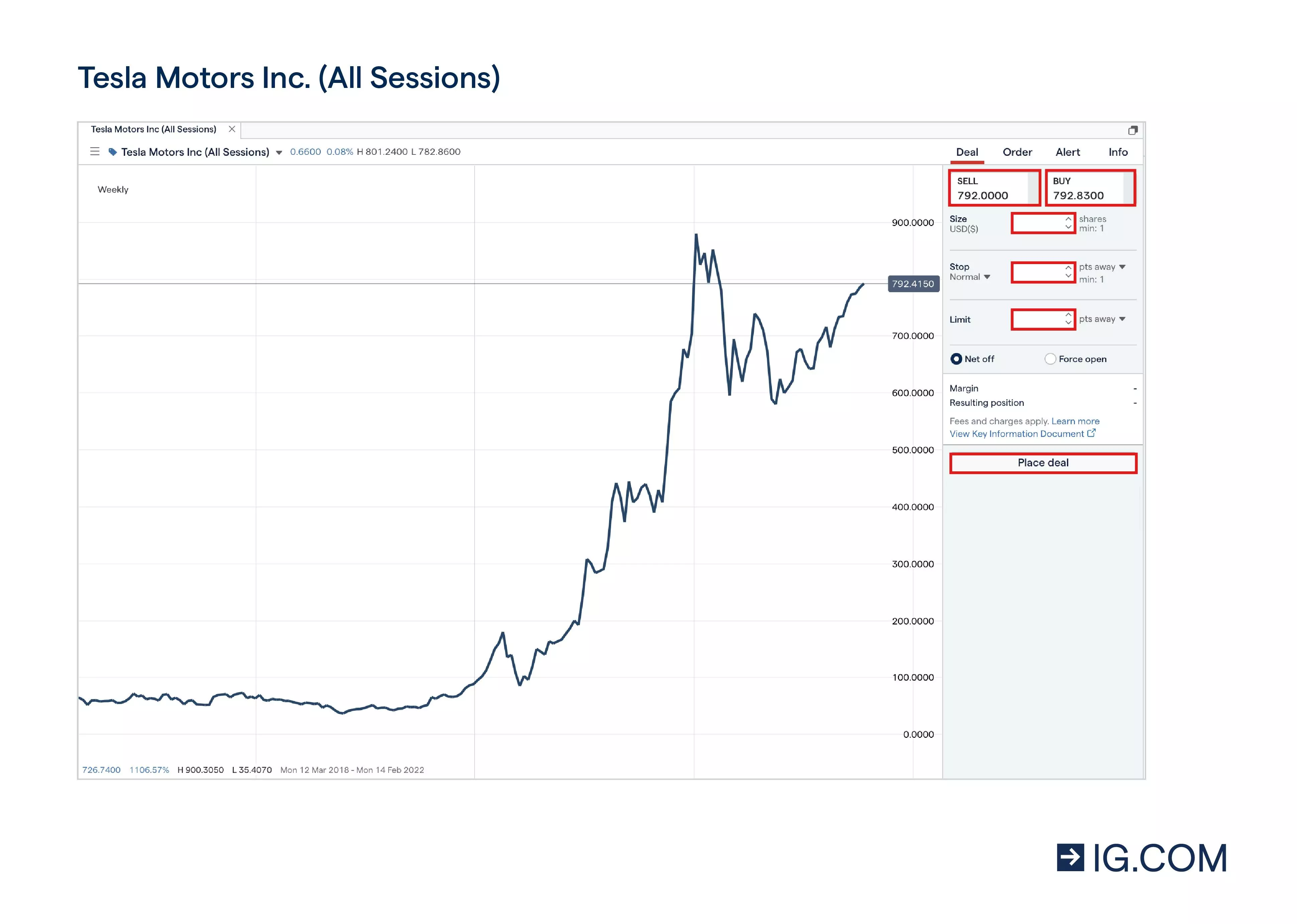
Once you’ve selected a brokerage, the process of opening an account is typically straightforward and can be completed online. You’ll need to provide personal information, including your Social Security number, employment details, and financial situation. You’ll also typically answer questions about your investment experience and risk tolerance to help the brokerage determine suitable investment products.
After your account is approved, the next step is funding it. Common methods include:
- Electronic Funds Transfer (EFT): Linking your bank account to your brokerage account for easy transfers. This is usually the most common and convenient method.
- Wire Transfer: For faster, larger transfers, though often with associated fees.
- Check Deposit: Mailing a personal check, which can take longer to clear.
- Rollover from a Retirement Account: If you’re consolidating retirement funds.
Ensure you understand the funding limits and transfer times associated with each method. Once your funds have settled in your brokerage account, you are ready to begin purchasing Nasdaq stocks.
Executing Your Nasdaq Stock Purchases
With your account funded, you’re ready to make your first trade. Understanding the order types and how to navigate the trading platform will ensure your purchases are executed efficiently and according to your strategy.
Navigating the Trading Platform and Order Types
Most online brokerage platforms are designed to be user-friendly, but familiarizing yourself with the interface is crucial. You’ll typically find a search bar to look up specific stock tickers (e.g., AAPL for Apple), a section to view your account balance and holdings, and the “trade” or “buy/sell” buttons.
When placing an order, you’ll encounter different “order types,” each serving a specific purpose:
- Market Order: This is the simplest order. A market order instructs your brokerage to buy or sell shares immediately at the best available current price. While it guarantees execution, it does not guarantee a specific price, meaning the price you get could be slightly different from the price you saw seconds before, especially in fast-moving markets.
- Limit Order: A limit order allows you to set a maximum price you’re willing to pay to buy a stock or a minimum price you’re willing to accept to sell. The order will only execute if the stock reaches or crosses your specified limit price. This offers price control but doesn’t guarantee execution if the market doesn’t hit your desired price.
- Stop-Loss Order: Primarily used to limit potential losses on an existing position. A stop-loss order becomes a market order once the stock’s price falls to a specific “stop price.” It’s a risk management tool.
- Stop-Limit Order: A combination of a stop order and a limit order. When the stock reaches your stop price, it triggers a limit order instead of a market order, giving you more price control than a simple stop-loss.
For most beginners, starting with limit orders for purchases is a prudent strategy, as it ensures you don’t overpay for a stock.
Placing Buy Orders
Let’s walk through a typical process for placing a buy order for a Nasdaq stock using a limit order:
- Search for the Stock: Type the company’s ticker symbol (e.g., MSFT) into the search bar of your brokerage platform.
- Access the Trade Screen: Click on the “Trade” or “Buy” button for that stock.
- Enter Order Details:
- Action: Select “Buy.”
- Quantity: Enter the number of shares you wish to purchase.
- Order Type: Choose “Limit.”
- Limit Price: Enter the maximum price per share you are willing to pay. You might look at the current “ask” price (the lowest price sellers are willing to accept) and set your limit slightly above or at that price to increase your chances of execution.
- Time in Force: Decide how long you want your order to remain active. Common options are “Day” (expires at the end of the trading day if not filled) or “Good ‘Til Canceled” (GTC – remains active until filled or canceled by you, usually for up to 60-90 days).
- Review and Confirm: Carefully review all the details of your order before submitting it. Ensure the ticker, quantity, order type, and limit price are correct.
- Submit Order: Click “Submit” or “Place Order.”
You will then typically see your order status in an “Orders” or “Activity” section of your brokerage account. Once executed, the shares will appear in your “Holdings” or “Portfolio” section.
Understanding Trading Hours and Market Dynamics
U.S. stock exchanges, including Nasdaq, have standard trading hours: 9:30 AM to 4:00 PM Eastern Time, Monday through Friday, excluding market holidays. Orders placed outside these hours will typically be queued for the next trading session.
Many brokerages also offer “pre-market” (usually 4:00 AM to 9:30 AM ET) and “after-hours” (usually 4:00 PM to 8:00 PM ET) trading. While these extended hours offer flexibility, they often come with lower liquidity and wider bid-ask spreads, meaning prices can be more volatile and you might get less favorable execution. For most retail investors, it’s generally advisable to trade during regular market hours.
Market dynamics can significantly influence prices. Economic reports, company earnings announcements, geopolitical events, and even social media trends can cause rapid price movements. Staying informed about these factors is crucial for making timely and informed trading decisions.
Managing and Monitoring Your Nasdaq Portfolio
Purchasing stocks is just the beginning. Effective portfolio management involves ongoing monitoring, periodic adjustments, and a keen eye on both your investments and the broader market. This active oversight is key to protecting your capital and maximizing returns.
Regular Portfolio Review and Rebalancing
Your investment portfolio is not a “set it and forget it” proposition. It requires regular attention. At a minimum, conduct a thorough review of your holdings quarterly or semi-annually. Ask yourself:
- Are the companies still performing according to your initial investment thesis?
- Have their fundamentals changed?
- Are there new market dynamics or competitive threats?
- Are your sector allocations still appropriate given your risk tolerance and goals?
Rebalancing is the process of adjusting your portfolio back to your desired asset allocation. For instance, if your Nasdaq tech stocks have performed exceptionally well, they might now represent a larger percentage of your portfolio than you originally intended, thus increasing your overall risk exposure. Rebalancing might involve selling a portion of your overperforming assets and reinvesting the proceeds into underperforming assets or other asset classes (like bonds) to restore your target allocation. This disciplined approach helps manage risk and can also be a “buy low, sell high” strategy over the long term.
Staying Informed About Market News
The financial markets are constantly in motion, influenced by a myriad of factors. Staying informed about market news, economic data, and company-specific developments is vital for successful investing, especially in a dynamic market like Nasdaq.
- Economic Reports: Keep an eye on reports like inflation rates, interest rate decisions by central banks (e.g., the Federal Reserve), GDP growth, and unemployment figures. These can have a broad impact on market sentiment and company valuations.
- Company News: Monitor earnings reports, product launches, mergers and acquisitions, leadership changes, and regulatory challenges for the companies you own. Set up news alerts for your holdings.
- Industry Trends: Understand the broader trends affecting the technology and growth sectors. Are new technologies emerging? Are consumer preferences shifting?
- Geopolitical Events: International relations, trade policies, and global conflicts can also send ripples through the stock market.
Utilize reputable financial news outlets, subscription services, and your brokerage’s research tools to keep abreast of these developments.
Tax Implications of Stock Investing
Understanding the tax implications of your stock market activities is crucial for maximizing your net returns. In the U.S., profits from stock sales are subject to capital gains tax, and dividends received are taxed as income.
- Capital Gains: If you sell a stock for a profit, you incur a capital gain. If you hold the stock for less than one year, it’s considered a short-term capital gain and is taxed at your ordinary income tax rate. If you hold it for more than one year, it’s a long-term capital gain and is generally taxed at a lower, preferential rate.
- Dividends: Some Nasdaq companies pay dividends. These are typically taxed as ordinary income or as “qualified dividends” at a lower rate, depending on holding periods and other factors.
- Wash Sale Rule: Be aware of the wash-sale rule, which prevents you from immediately deducting a loss on a security if you repurchase a “substantially identical” security within 30 days before or after the sale.
It’s highly recommended to consult with a qualified tax advisor to understand how stock market gains and losses affect your personal tax situation, especially as your portfolio grows or if you engage in more frequent trading. Tax planning is an integral part of wealth management.
When to Sell?
Deciding when to sell a stock can be as challenging as deciding when to buy. There are several reasons why you might consider selling:
- Reaching Your Price Target: If a stock has met your initial target price and you believe its growth potential has been fully realized, taking profits can be a sound strategy.
- Deterioration of Fundamentals: If the company’s financial health weakens, its competitive advantage erodes, or its industry faces severe headwinds, it might be time to sell, even at a loss, to prevent further capital erosion.
- Change in Investment Thesis: If the original reasons you bought the stock no longer hold true (e.g., a new competitor emerges, a product fails), re-evaluate your position.
- Portfolio Rebalancing: As mentioned, selling winners to rebalance your portfolio can be a disciplined approach to managing risk and maintaining your desired asset allocation.
- Need for Capital: If you need the funds for a significant life event (e.g., a home down payment, college tuition), you might need to sell some holdings.
Avoid emotional selling or buying based on fear or greed. Stick to your investment plan and make decisions based on objective analysis.
Conclusion
Purchasing Nasdaq stocks offers an exciting pathway to participate in the growth of some of the world’s most innovative companies. While the allure of high returns is strong, successful investing demands a disciplined approach rooted in thorough research, clear financial goals, and continuous portfolio management. By understanding the unique characteristics of Nasdaq, preparing diligently, choosing the right investment vehicles and brokerage, executing trades strategically, and diligently managing your portfolio, you can navigate the market with confidence. Remember, investing is a long-term journey, and patience, education, and a commitment to your strategy are your most valuable assets. Always invest within your risk tolerance and consider consulting financial professionals for personalized advice.
aViewFromTheCave is a participant in the Amazon Services LLC Associates Program, an affiliate advertising program designed to provide a means for sites to earn advertising fees by advertising and linking to Amazon.com. Amazon, the Amazon logo, AmazonSupply, and the AmazonSupply logo are trademarks of Amazon.com, Inc. or its affiliates. As an Amazon Associate we earn affiliate commissions from qualifying purchases.