
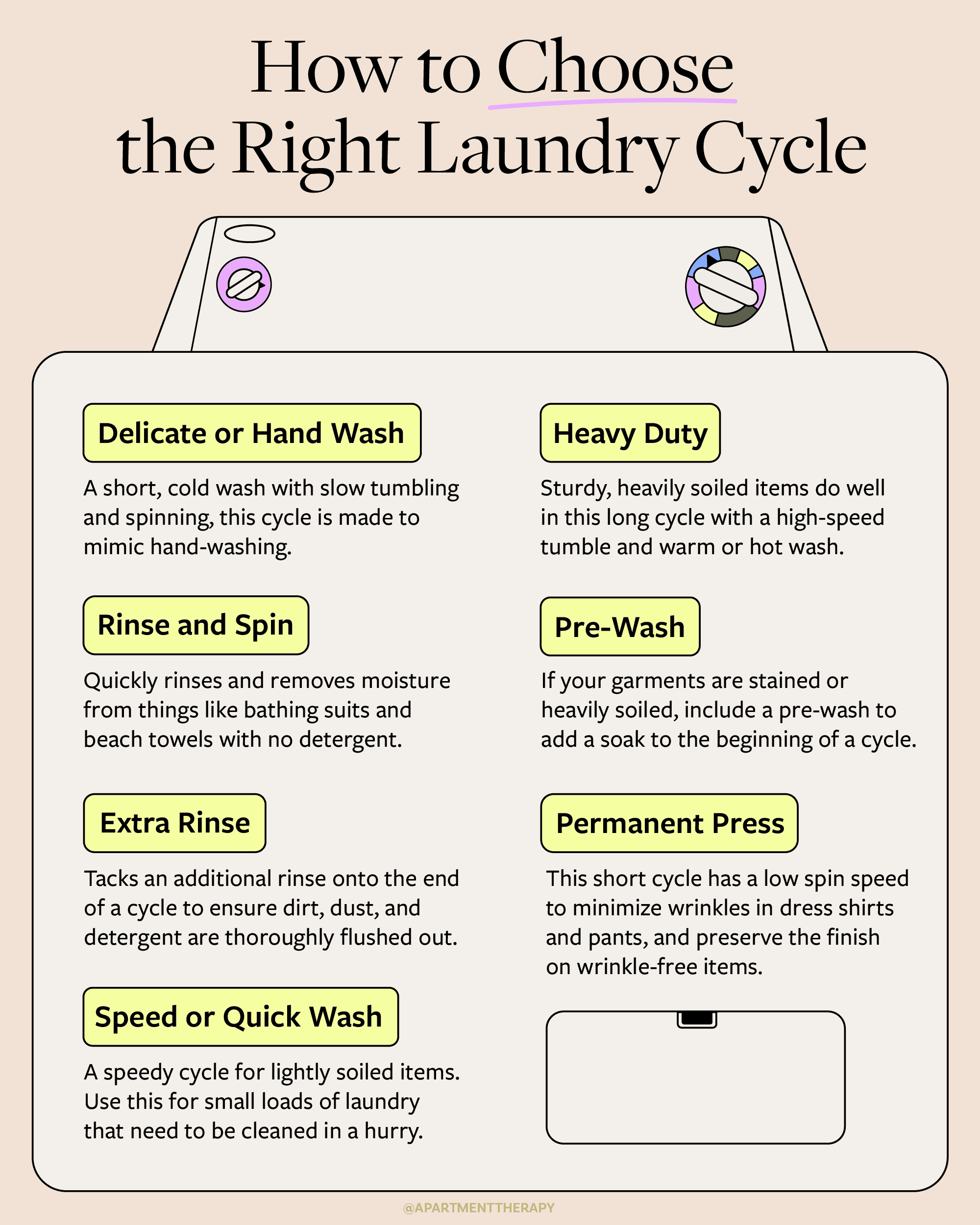
The “permanent press” setting on a washing machine is a ubiquitous feature, often overlooked or misunderstood, yet it represents a subtle but significant marvel of appliance engineering and fabric science. Far from being just another knob on a console, it’s a meticulously designed cycle intended to extend the life and improve the appearance of specific garments, leveraging a precise interplay of temperature, agitation, and spin speeds. At its core, permanent press wash is a specialized laundry cycle engineered to minimize wrinkles in clothing made from synthetic fibers and blends, thereby reducing or eliminating the need for ironing.
Understanding the Permanent Press Cycle: A Technological Blend
The technology behind the permanent press cycle is a testament to appliance innovation driven by consumer need. It’s not merely a “gentle” wash; rather, it’s a specific sequence of operations that targets the molecular structure of synthetic fabrics to prevent creasing and set fibers in a smooth state. This cycle is a prime example of how domestic technology adapts scientific principles for everyday utility.
The Engineering Behind Wrinkle Resistance
The primary objective of the permanent press cycle is to prevent wrinkles. Wrinkles form when fabric fibers are stressed, twisted, or set in an undesirable configuration, particularly when wet and then dried. Synthetic fibers, such as polyester, nylon, rayon, and their blends, are particularly prone to setting wrinkles if exposed to high heat during drying while still damp, or if subjected to aggressive agitation. The permanent press cycle counteracts this by employing a gentler approach throughout the entire washing and rinsing process.
Modern washing machines integrate sophisticated control systems to manage each phase of this cycle. Microprocessors monitor and adjust water levels, spin speeds, and cycle durations. Sensors often play a role, ensuring optimal conditions for the fabric type. This isn’t just about turning a dial; it’s about a programmed algorithm executing a series of precise actions to achieve a specific outcome: wrinkle reduction.
Temperature Regulation and Agitation
A key differentiating factor of the permanent press cycle lies in its intelligent use of water temperature. It typically begins with a warm water wash. The warmth helps to relax the synthetic fibers and release any existing wrinkles or dirt more effectively than cold water alone. Crucially, this warmth prepares the fibers for the next critical step.
Following the warm wash, the permanent press cycle introduces a cold water rinse. This sudden shift in temperature is not arbitrary; it’s a deliberate engineering choice. The cold water “shocks” the warmed, relaxed synthetic fibers, causing them to contract and “set” in their smooth, uncreased state. This rapid cooling helps to lock in the wrinkle-free finish that the warm wash initiated. Without this thermal shock, the fibers might cool slowly and unpredictably, allowing wrinkles to reform.
In terms of mechanical action, the agitation during a permanent press cycle is less aggressive than a heavy-duty or normal wash. Washers achieve this through slower, shorter agitation bursts, ensuring that clothes are cleaned without being excessively twisted or tangled. This reduced mechanical stress is vital for preventing the initial formation of creases in delicate synthetic weaves. Similarly, the spin cycle typically operates at a slower speed compared to a regular cycle. While this leaves garments slightly damper, requiring a longer drying time, it minimizes the centrifugal force applied to the clothes, thereby preventing deep-set wrinkles that can occur when wet, heavy fabrics are spun at high speeds. The slightly higher moisture content also aids in the subsequent tumbling action of a dryer, allowing any remaining creases to fall out more easily.
The Science of Fabric Care: When to Choose Permanent Press
Understanding the underlying technology allows for informed decisions about when to select the permanent press cycle. It’s a tool specifically designed for certain types of materials, and using it appropriately maximizes its benefits while protecting your garments.
Ideal Fabric Compositions
The permanent press cycle shines brightest when applied to garments made from synthetic fibers and blends. This includes, but is not limited to, polyester, nylon, rayon, acetate, and blends incorporating these materials with natural fibers like cotton. Many modern garments, such as dress shirts, blouses, slacks, and certain types of athletic wear, are specifically designed with permanent press qualities in mind, meaning their fabric composition inherently resists wrinkling when cared for correctly. These fabrics often have a smooth, resilient texture that benefits from the gentle handling and specific temperature profile of the permanent press wash.
Natural fibers like 100% cotton, linen, or wool typically do not benefit as much from this cycle. While a gentle wash can be good for some natural fibers, the thermal shock and specific agitation patterns of permanent press are optimized for synthetics’ molecular structure. Natural fibers might still wrinkle significantly, or require different care altogether. For instance, wool requires extremely gentle cycles to prevent shrinking and felting, while heavy cottons might benefit from a more aggressive wash to remove dirt effectively.
Protecting Synthetic Blends
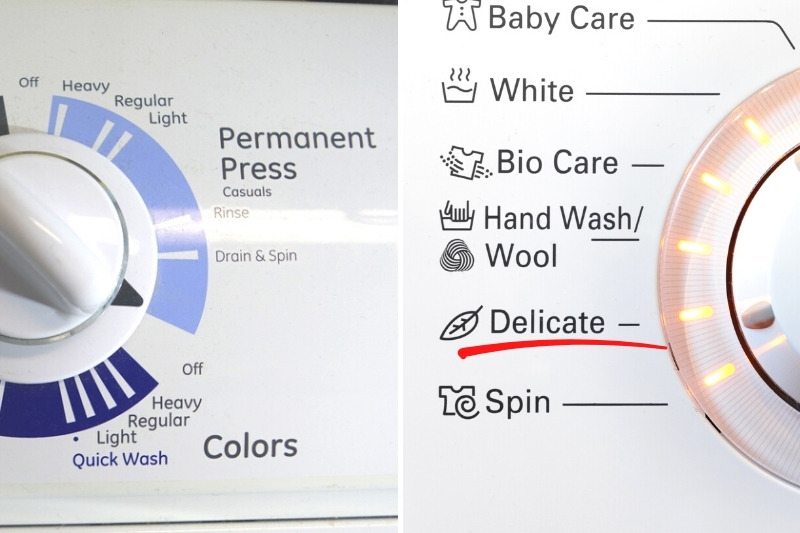
The permanent press cycle is particularly advantageous for protecting the integrity and extending the lifespan of synthetic blends. Synthetic fibers, while durable, can degrade or develop permanent creases if exposed to excessive heat or harsh mechanical action. The controlled environment of the permanent press cycle safeguards these materials. For instance, many business casual garments that combine polyester with cotton for comfort and wrinkle resistance are ideal candidates for this cycle. It helps maintain their crisp appearance without causing undue stress to the fabric’s weave or structure. Choosing this cycle over a heavy-duty option for such garments ensures they look professional for longer, preserving their initial investment value.
It also prevents pilling, a common issue with synthetic blends where fibers rub together and form small balls on the fabric surface. The gentler agitation and slower spin speeds minimize this friction, keeping garments smoother and newer-looking.
Optimizing Your Laundry Tech: Best Practices for Permanent Press
Even with the most sophisticated laundry appliances, user practices significantly impact the effectiveness of any cycle. To fully leverage the technological advantages of permanent press, a few best practices are essential.
Loading and Detergent Considerations
Proper loading of the washing machine is paramount. Overloading can negate the benefits of the permanent press cycle by compacting clothes, preventing them from tumbling freely, and thereby promoting wrinkle formation. Clothes need space to move and interact with the water and detergent efficiently. A general rule of thumb is to fill the drum to about two-thirds capacity, allowing for adequate water circulation and agitation.
Detergent choice and quantity also play a role. While the permanent press cycle doesn’t typically require specialized detergents, using the correct amount for your load size and water hardness is important. Too much detergent can leave residue, and too little may not clean effectively. High-efficiency (HE) detergents are formulated to work with modern HE washing machines, which use less water, ensuring optimal sudsing and rinsing. Following the manufacturer’s recommendations for both detergent and fabric softener (which can further aid in wrinkle prevention) will enhance the cycle’s performance.
Post-Wash Handling for Maximum Effect
The effectiveness of the permanent press cycle doesn’t end when the wash cycle concludes; it extends into the drying phase and beyond. It is crucial to transfer permanent press items to the dryer promptly. Leaving wet clothes sitting in the washer, even for a short period, allows wrinkles to set in.
When drying, select a dryer setting specifically for permanent press or a low-to-medium heat setting. High heat can set wrinkles into synthetic fibers, undoing the work of the wash cycle. Many dryers have a “cool down” period at the end of a permanent press cycle, similar to the cold rinse in the washer, which gradually reduces the temperature and tumbles clothes without heat to further relax fibers and prevent new wrinkles. It is also beneficial to remove clothes from the dryer as soon as the cycle finishes, ideally while they are still slightly warm, and either hang them immediately or fold them smoothly. This minimizes static cling and prevents wrinkles from setting as they cool down.
Evolution of Laundry Technology: Beyond Permanent Press
The permanent press cycle, while a staple, is a snapshot of evolving laundry technology. As consumer demands shift and materials science advances, washing machines continue to integrate more sophisticated features, often leveraging smart technology.
Smart Washing Machines and AI Integration
Today’s advanced washing machines incorporate smart features that take the principles of permanent press to the next level. Wi-Fi connectivity allows users to start, stop, and monitor cycles remotely via smartphone apps. Many smart machines use AI-powered sensors to detect fabric type, soil level, and load size, automatically selecting the optimal wash cycle, water temperature, and spin speed. This takes the guesswork out of choosing the right setting, effectively automating the “permanent press” decision-making process based on the contents of the drum. Some models even feature steam cycles designed to de-wrinkle clothes without a full wash, or specialized programs for specific synthetic blends like activewear or delicates, which are an evolution of the gentle care ethos of permanent press.
Future of Fabric Care Tech
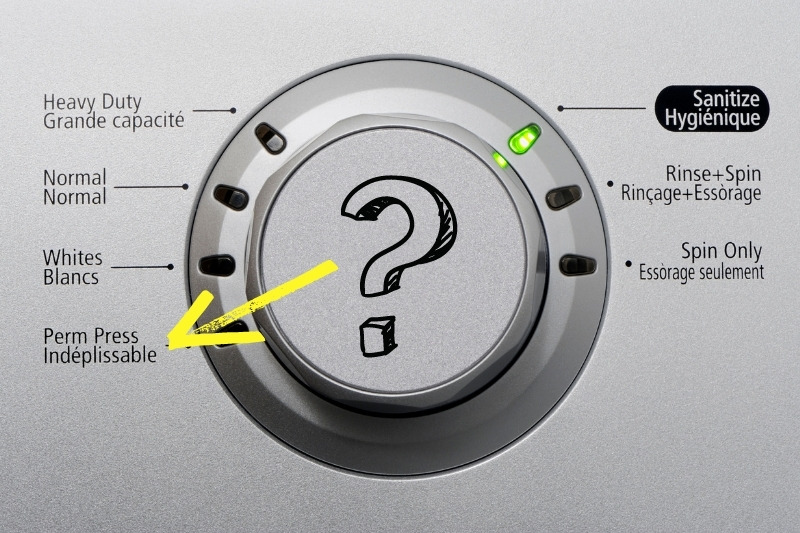
The future of laundry technology promises even greater precision and efficiency. Imagine washing machines that can not only identify fabric types but also analyze individual garments for wear and tear, suggesting bespoke care regimens to extend their lifespan. Innovations in waterless or low-water washing technologies are on the horizon, potentially reducing environmental impact while maintaining fabric integrity. Furthermore, advancements in fabric science itself could lead to materials that are inherently wrinkle-proof without requiring specific wash cycles, or self-cleaning textiles that actively repel dirt and bacteria. Until then, the permanent press cycle remains a foundational piece of laundry technology, a silent workhorse ensuring our synthetic garments emerge from the wash looking their best, a simple yet effective blend of engineering and material understanding at our fingertips.
aViewFromTheCave is a participant in the Amazon Services LLC Associates Program, an affiliate advertising program designed to provide a means for sites to earn advertising fees by advertising and linking to Amazon.com. Amazon, the Amazon logo, AmazonSupply, and the AmazonSupply logo are trademarks of Amazon.com, Inc. or its affiliates. As an Amazon Associate we earn affiliate commissions from qualifying purchases.