
In the rapidly evolving landscape of global commerce, few names carry as much weight as PayPal. Since its inception at the turn of the millennium, PayPal has transformed from a niche Silicon Valley startup into a cornerstone of the global financial ecosystem. At its core, PayPal is a digital payment platform that facilitates transactions between parties through online transfers. However, to view it merely as a “digital wallet” is to underestimate its profound impact on personal finance, business scalability, and the democratization of banking services.
As we navigate an era where physical cash is increasingly becoming a secondary medium, understanding PayPal is essential for anyone looking to manage money efficiently in the 21st century. This guide explores the multifaceted nature of PayPal, focusing on its role as a premier financial tool for individuals and enterprises alike.
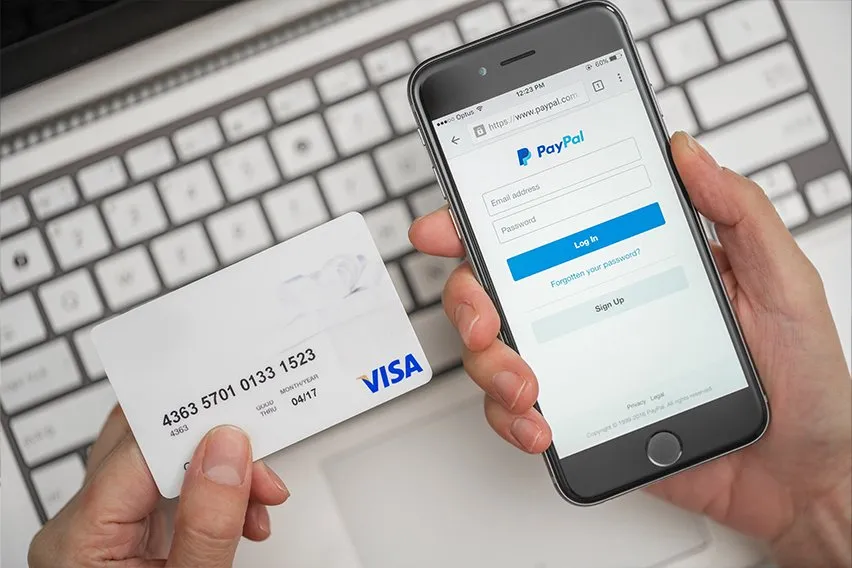
How PayPal Revolutionized Personal and Business Finance
To understand what PayPal is today, one must recognize its role as the primary disruptor of traditional banking. Before the late 1990s, transferring money required physical proximity, wire transfers with exorbitant fees, or the slow process of mailing paper checks. PayPal introduced a paradigm shift by leveraging the ubiquity of the internet to move capital instantaneously.
The Transition from Physical to Digital Wallets
The concept of a “digital wallet” was popularized by PayPal. By allowing users to link their bank accounts, credit cards, and debit cards to a single, secure interface, PayPal eliminated the need for consumers to share sensitive financial information with every merchant they encountered. This layer of abstraction provided a sense of security that was previously non-existent in the early days of e-commerce. It transformed the computer—and later the smartphone—into a global point-of-sale terminal, allowing users to carry their entire financial life in their pockets without the risks associated with carrying a physical wad of cash.
Bridging the Gap Between Banking and E-commerce
PayPal’s early partnership with eBay was the catalyst that changed the “Money” niche forever. It solved the “trust gap” in peer-to-peer selling. When a buyer in New York wanted to purchase a collectible from a seller in California, there was no guaranteed way to ensure the funds were sent or the goods were shipped. PayPal acted as a pseudo-escrow service, providing a platform where money could be held and transferred once certain conditions were met. This infrastructure laid the groundwork for the modern gig economy and the rise of independent online retailers, proving that digital trust could be commoditized and scaled.
Core Financial Features for Everyday Users
For the average consumer, PayPal is a versatile financial Swiss Army knife. Its features go far beyond simple checkout buttons on websites; it has evolved into a comprehensive personal finance management tool that competes directly with traditional high-street banks.
Sending and Receiving Money Securely
Peer-to-peer (P2P) payments are perhaps the most frequently used feature of the platform. Whether splitting a dinner bill, paying rent to a landlord, or sending a gift to a family member across the globe, PayPal makes the movement of money frictionless. One of the platform’s key financial advantages is the “Friends and Family” designation, which allows for no-fee transfers when funded by a bank account or PayPal balance. This has made it a preferred tool for informal debt settlement and personal remittances, challenging the dominance of traditional money-order services.
Managing Online Purchases and Buyer Protection
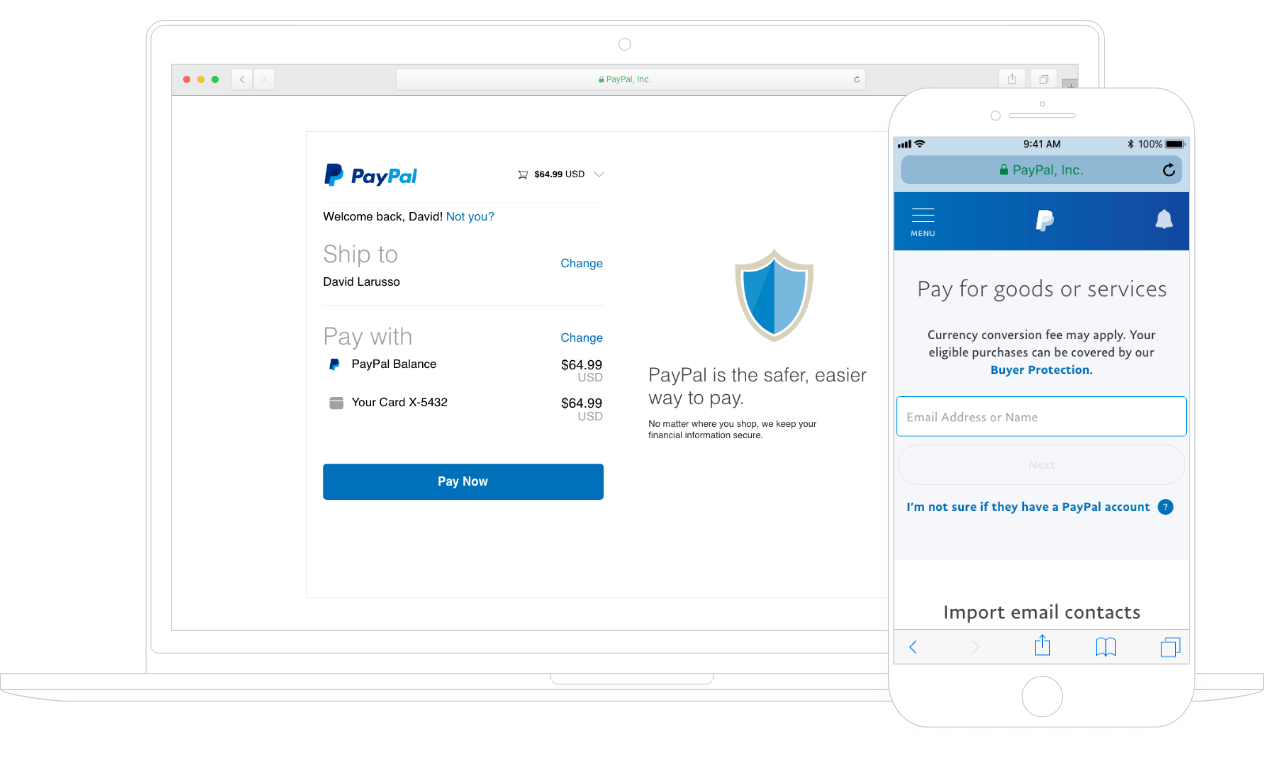
From a financial security perspective, PayPal’s “Buyer Protection” program is its most significant asset. When a user makes a purchase through PayPal, they are insured against fraud and non-delivery. If an item doesn’t arrive or significantly deviates from the description, PayPal facilitates a dispute process that can lead to a full refund. For the consumer, this acts as a form of financial insurance, providing peace of mind when transacting with unknown vendors. This protection is a core reason why millions of users prefer the PayPal gateway over direct credit card entries.
PayPal Savings and High-Yield Options
In recent years, PayPal has expanded into direct banking services. Through partnerships with licensed banks, it now offers “PayPal Savings,” a high-yield savings account that often provides interest rates significantly higher than the national average of traditional banks. This allows users to not only spend and move money but also to grow their wealth within the same ecosystem. By integrating savings goals and automated transfers, PayPal has positioned itself as a legitimate destination for long-term financial planning, blurring the lines between a payment processor and a full-service financial institution.
PayPal for Business: Streamlining Commercial Transactions
For entrepreneurs and large corporations, PayPal is more than a convenience; it is a critical piece of financial infrastructure. It provides the tools necessary to handle the complexities of modern commerce, from local “mom and pop” shops to multinational conglomerates.
Integrated Payment Gateways for Merchants
For a business to succeed online, it must offer a seamless checkout experience. PayPal’s merchant services allow businesses to accept a wide array of payment methods, including credit cards, debit cards, and even local payment methods specific to certain countries. By integrating the PayPal checkout API, a small business can instantly gain the trust of billions of users who recognize the PayPal logo. This “trust-by-proxy” is an invaluable asset for new brands looking to convert skeptical first-time visitors into paying customers.
Invoicing and Global Payouts
The financial administrative burden on small businesses can be stifling. PayPal alleviates this through its robust invoicing system. Users can create, send, and track professional invoices directly from the platform. Furthermore, for businesses that employ freelancers or contractors globally, PayPal’s mass payout feature is a game-changer. It allows for the simultaneous distribution of funds to hundreds of recipients in various currencies, navigating the complexities of international banking regulations and exchange rates with a few clicks.
Working Capital and Business Loans
Access to capital is the lifeblood of any business. PayPal has leveraged its massive trove of transaction data to offer “PayPal Working Capital” and business loans. Unlike traditional bank loans that require extensive paperwork and collateral, PayPal’s lending is often based on the merchant’s sales history on the platform. Repayments can be structured as a percentage of daily sales, meaning that if business is slow, the repayment amount automatically adjusts. This flexible financial model is specifically designed for the ebbs and flows of the modern digital marketplace.
Security, Fees, and Global Reach: Navigating the Ecosystem
While PayPal offers immense utility, navigating its financial ecosystem requires an understanding of its costs, security protocols, and its role in international finance.
Understanding the Fee Structure
In the “Money” niche, nothing is truly free, and PayPal is transparent about its revenue model. While it is free for consumers to buy products and send money via bank transfers, the platform generates revenue through merchant fees and currency conversion spreads. Typically, merchants pay a percentage of each transaction plus a fixed fee. Additionally, users who use credit cards for P2P transfers or those who require instant transfers to their bank accounts (rather than the standard 1–3 day wait) will incur small costs. Understanding these fees is vital for both personal budgeting and business profit-margin calculations.
Financial Security and Fraud Prevention
The integrity of any financial tool rests on its security. PayPal employs advanced end-to-end encryption and two-factor authentication (2FA) to protect user accounts. Furthermore, its sophisticated AI-driven fraud detection systems monitor millions of transactions in real-time to identify suspicious patterns. For the user, this means that their actual bank or credit card numbers are never shared with the seller, significantly reducing the surface area for identity theft. This commitment to security is what has allowed PayPal to maintain its market-leading position despite the rise of numerous competitors.
Cross-Border Payments and Currency Conversion
One of PayPal’s greatest strengths is its global reach, operating in over 200 markets and supporting 25 currencies. For individuals sending money to relatives overseas or businesses sourcing materials from foreign suppliers, PayPal handles the heavy lifting of currency conversion. While there is a spread on the exchange rate, the convenience of avoiding international wire fees and the bureaucracy of foreign exchange markets makes it a preferred choice for mid-sized international transactions.
In conclusion, PayPal is far more than a simple way to pay for items on the internet. It is a comprehensive financial ecosystem that provides liquidity, security, and growth opportunities for millions of people worldwide. Whether you are a consumer looking for a secure way to manage your monthly spending, a saver looking for high-yield returns, or a business owner aiming to capture the global market, PayPal offers a suite of tools designed to optimize your financial life in the digital age. As finance continues to move toward a decentralized and digital-first future, PayPal remains a pivotal bridge between the traditional world of banking and the new frontier of online wealth management.
aViewFromTheCave is a participant in the Amazon Services LLC Associates Program, an affiliate advertising program designed to provide a means for sites to earn advertising fees by advertising and linking to Amazon.com. Amazon, the Amazon logo, AmazonSupply, and the AmazonSupply logo are trademarks of Amazon.com, Inc. or its affiliates. As an Amazon Associate we earn affiliate commissions from qualifying purchases.