
In an economy characterized by unprecedented volatility, rapid technological shifts, and evolving consumer behaviors, the question “what is paying?” has never been more pertinent. This seemingly simple query delves into the very core of financial viability, encompassing everything from profitable investments and lucrative income streams to effective financial strategies and valuable expenditures. It’s a multi-faceted inquiry that challenges individuals and businesses alike to constantly re-evaluate where value truly lies, where capital generates the best returns, and what expenditures genuinely drive growth or fulfill critical needs. Understanding “what is paying” is not just about tracking current trends; it’s about discerning the underlying forces shaping our financial present and future, enabling more informed decision-making in a world where economic currents shift with remarkable speed.

The Evolving Dynamics of Income Generation
The traditional model of a single, stable income source is increasingly being augmented, if not entirely redefined, by a diverse array of wealth-generating avenues. To understand “what is paying” in terms of personal and business income, one must look beyond the conventional.
Beyond the Traditional Paycheck: The Gig Economy and Digital Entrepreneurship
The digital revolution has democratized income generation, allowing individuals to leverage their skills and creativity in ways previously unimaginable. The gig economy, fueled by platforms connecting freelancers with clients globally, has created opportunities in fields ranging from content creation and graphic design to software development and virtual assistance. For many, a side hustle has transformed into a primary income stream, offering flexibility and autonomy. Digital entrepreneurship further expands this landscape, with e-commerce, dropshipping, and online course creation becoming viable pathways to significant revenue. The creator economy, where individuals monetize their audience through platforms like YouTube, Patreon, and Substack, exemplifies a direct-to-consumer model of income generation, proving that unique perspectives and specialized knowledge can indeed pay handsomely. What’s paying here is often ingenuity, niche expertise, and the ability to connect with a specific audience.
Strategic Investments: Where Capital Finds Its Best Returns
For capital to truly “pay,” it must be strategically allocated. While traditional investment vehicles like stocks and bonds remain foundational, the landscape of high-yield opportunities is constantly broadening. Public equities, particularly those in sectors poised for exponential growth such as renewable energy, artificial intelligence, and biotechnology, continue to offer substantial returns for informed investors. However, the rise of alternative investments has introduced new dimensions. Real estate, whether through direct ownership, REITs (Real Estate Investment Trusts), or crowdfunding platforms, offers tangible assets and potential for both income and appreciation. Private equity and venture capital, traditionally the domain of institutional investors, are becoming more accessible, allowing accredited investors to participate in the growth of innovative startups before they go public. Even commodities, precious metals, and increasingly, digital assets like cryptocurrencies and NFTs, are carving out their niche as viable (though often volatile) avenues for capital growth. Identifying what is paying in investments requires a blend of risk assessment, market analysis, and a long-term strategic outlook.
Understanding Consumer and Business Spending Patterns
To grasp “what is paying” from a macroeconomic perspective, it’s crucial to analyze where money is actually flowing – both from the pockets of consumers and the balance sheets of businesses. These spending patterns are powerful indicators of market demand, emerging trends, and areas of economic vitality.
Shifting Consumer Priorities: Experiences, Convenience, and Conscious Consumption
Modern consumers are increasingly discerning, moving beyond mere product acquisition to prioritize value, convenience, and alignment with personal values. The subscription economy is a prime example: from streaming services and software-as-a-service (SaaS) to meal kits and personal care products, consumers are paying for consistent access and hassle-free delivery. This shift signifies a preference for ongoing value and convenience over outright ownership. Furthermore, there’s a growing inclination towards experiences over material possessions, with spending on travel, entertainment, and personal development often taking precedence. Conscious consumption is also profoundly influencing purchasing decisions; consumers are increasingly willing to pay a premium for ethically sourced, sustainable, and socially responsible products and services. Brands that align with these values and offer seamless, personalized experiences are the ones truly “paying off” in terms of consumer loyalty and revenue.
Business Expenditures: Investing for Growth and Efficiency
For businesses, “what is paying” in terms of expenditure often translates to investments that yield future growth, enhance operational efficiency, or secure a competitive advantage. Technology remains a dominant spending category, with significant capital allocated to cloud computing, cybersecurity, data analytics, and automation tools. These investments are crucial for streamlining operations, improving decision-making, and protecting sensitive information. Digital marketing and customer relationship management (CRM) systems also command substantial budgets, as businesses recognize the imperative of engaging customers effectively in an increasingly digital world. Beyond technology, investment in human capital through talent acquisition, training, and employee well-being initiatives is proving to be a critical expenditure that pays dividends in productivity, innovation, and retention. Businesses are also increasingly investing in supply chain resilience and diversification, recognizing that robust logistics are essential for uninterrupted operations and customer satisfaction.
The Strategic Value of Financial Tools and Planning
In a complex financial world, “what is paying” extends beyond just income and expenditure; it encompasses the tools and strategies that empower individuals and organizations to manage their money more effectively, mitigate risk, and achieve long-term financial objectives.

Empowering Personal Finance: Budgeting, Savings, and Debt Management
For individuals, effective personal finance is about making money work for you. Modern financial tools have revolutionized how people manage their budgets, track spending, and save for the future. From intuitive budgeting apps that categorize expenses automatically to robo-advisors that offer low-cost, automated investment management, technology is making sophisticated financial planning more accessible. The emphasis is on proactive debt management, prioritizing high-interest debts, and building robust emergency funds. What is truly paying here is financial literacy and discipline, augmented by tools that simplify complex tasks. These investments in time and effort, combined with the right digital aids, translate into greater financial security, reduced stress, and the ability to achieve significant life goals.
Optimizing Business Finance: Cash Flow, Analytics, and Risk Mitigation
For businesses, robust financial planning and the judicious use of financial tools are non-negotiable for sustained success. Enterprise Resource Planning (ERP) systems integrate various business functions, providing a holistic view of financial health, inventory, and operations. Advanced analytics platforms offer deep insights into revenue streams, cost centers, and profitability, enabling data-driven strategic decisions. Cash flow management tools are paramount, ensuring liquidity and optimizing working capital. Furthermore, comprehensive risk management strategies, encompassing everything from insurance against operational disruptions to hedging against currency fluctuations, are crucial expenditures that protect assets and ensure business continuity. Investing in these tools and strategies is not merely a cost; it’s an investment in resilience, foresight, and sustainable profitability – ultimately, it is what truly “pays off” for a business’s long-term health.
The Future of Payments and Value Exchange
Looking ahead, the very nature of “paying” is undergoing a profound transformation, driven by technological innovation and shifting economic paradigms.
Digital Currencies and Blockchain: A New Frontier
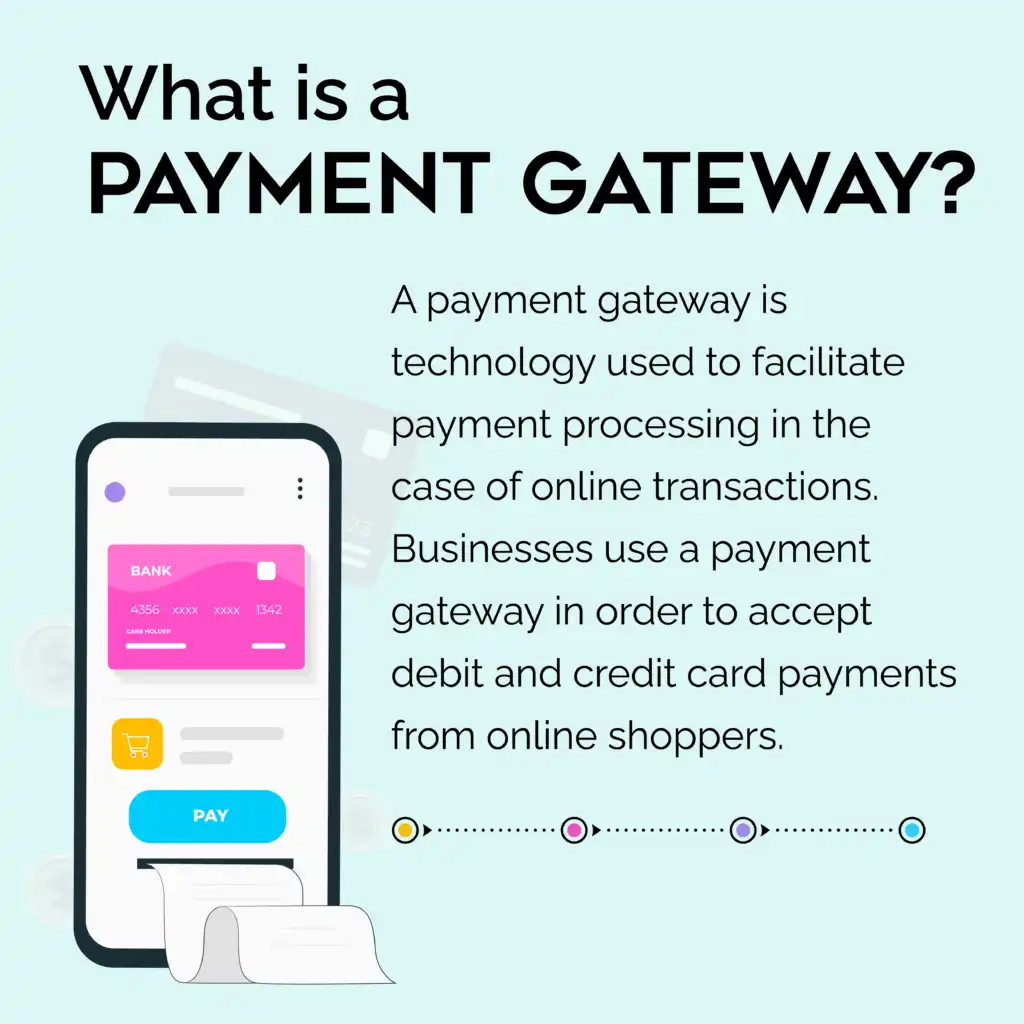
The advent of digital currencies, particularly those built on blockchain technology like Bitcoin and Ethereum, represents a significant shift in how value is exchanged. While still volatile, these decentralized assets offer the promise of faster, cheaper, and more transparent transactions, potentially bypassing traditional banking intermediaries. Central Bank Digital Currencies (CBDCs) are also being explored by governments worldwide, aiming to combine the efficiency of digital currency with the stability of state-backed money. Beyond mere currency, blockchain enables the tokenization of assets, from real estate to intellectual property, creating new markets and forms of investment. Understanding the regulatory landscape and technological implications of these innovations is crucial for individuals and businesses considering “what is paying” in the payment systems of tomorrow.
The Subscription Economy: Paying for Access, Not Ownership
The subscription model, already a dominant force, is set to expand further, reshaping how consumers and businesses acquire and utilize products and services. From software-as-a-service (SaaS) to mobility-as-a-service, the emphasis is increasingly on paying for access and ongoing value rather than outright ownership. This model offers predictability for businesses and flexibility for consumers, aligning incentives around continuous product improvement and customer satisfaction. This shift requires businesses to focus on recurring revenue streams and customer retention, while consumers must evaluate the cumulative cost and true value of their various subscriptions. In this future, “what is paying” will increasingly refer to the ongoing value derived from relationships and services, rather than singular transactions.
Maximizing Your Financial Returns: A Holistic Approach
Ultimately, discerning “what is paying” requires a holistic, adaptive, and informed approach to finance, whether personal or corporate.
Continuous Learning and Adaptation: Staying Ahead of the Curve
The financial world is dynamic. What was paying yesterday might not be paying today, and certainly might not be paying tomorrow. Continuous learning about market trends, emerging technologies, regulatory changes, and new financial instruments is paramount. This involves reading widely, engaging with financial education resources, and being open to new ideas. For businesses, this translates to market research, competitive analysis, and an agile strategy that can pivot in response to new opportunities or threats. The ability to adapt quickly and make informed decisions based on evolving information is, in itself, a crucial investment that pays dividends.
Risk Assessment and Diversification: Protecting Your Portfolio
While chasing high returns is tempting, a sustainable financial strategy always prioritizes risk assessment and diversification. “What is paying” must always be balanced against “what is safe.” Diversifying investments across different asset classes, industries, and geographies helps mitigate the impact of adverse events in any single area. For businesses, this means not only diversifying revenue streams but also implementing robust contingency plans and maintaining adequate reserves. Understanding the risk profile of every investment or expenditure is critical to ensure that potential returns are commensurate with the level of exposure. A well-diversified and risk-managed portfolio is a strong indicator of what is truly paying in the long run.
In conclusion, “what is paying” is a perpetually relevant question that demands ongoing scrutiny. It encompasses the intricate dance between income generation, strategic expenditure, smart financial management, and future-forward thinking. Whether you are an individual seeking financial independence or a business striving for sustainable growth, the answer lies in a commitment to continuous learning, adaptability, and informed decision-making within an ever-evolving financial landscape. By understanding the forces that drive value and profitability, we can all navigate the complexities of the modern economy with greater confidence and strategic intent.
aViewFromTheCave is a participant in the Amazon Services LLC Associates Program, an affiliate advertising program designed to provide a means for sites to earn advertising fees by advertising and linking to Amazon.com. Amazon, the Amazon logo, AmazonSupply, and the AmazonSupply logo are trademarks of Amazon.com, Inc. or its affiliates. As an Amazon Associate we earn affiliate commissions from qualifying purchases.