
In the traditional landscape of employment, the relationship between time and money is linear: you work an hour, and you get paid for an hour. This is known as active income. While this model provides stability for billions of people, it possesses a fundamental flaw—it is capped by the number of hours in a day. Passive income, however, breaks this cycle. It is the practice of generating earnings from an enterprise or investment in which the individual is not actively involved on a daily basis.
To the uninitiated, passive income sounds like a “get-rich-quick” scheme or a myth involving making money while you sleep. While the latter is true, the former is a misconception. Passive income requires a significant upfront investment—either in the form of capital or sweat equity—to build a system that eventually yields returns with minimal ongoing maintenance. This guide explores the niche of personal finance and investing to define, categorize, and strategize the pursuit of passive income.

1. Understanding the Mechanics of Passive Income
Before diving into specific vehicles for wealth, it is essential to understand the underlying philosophy of passive earnings. Passive income is not about “no work”; it is about “front-loaded work.” Whether you are writing a book or buying a rental property, the heavy lifting happens at the beginning.
Active vs. Passive Income: The Fundamental Shift
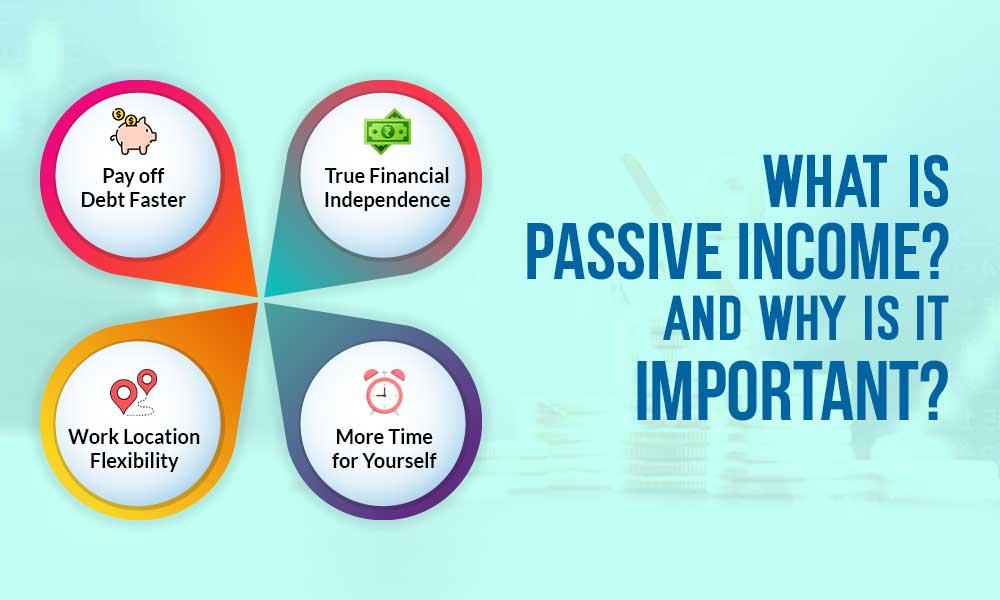
Active income includes wages, salaries, tips, and commissions. If you stop working, the cash flow stops. Passive income, by contrast, creates a decoupling of time and money. Once the asset is established, it continues to generate revenue regardless of your daily activity. This shift is the cornerstone of financial independence, allowing individuals to reclaim their time for other pursuits, whether they be creative, familial, or further business ventures.
The Two Pillars: Time vs. Capital
Every passive income stream begins with one of two resources. The first is Capital Investment. If you already have money, you can put it to work in stocks, bonds, or real estate. The second is Time Investment. If you lack capital, you must invest hundreds of hours into building a digital asset, such as a blog, a YouTube channel, or an e-book, which can eventually be monetized. Understanding which resource you have in abundance is the first step in choosing the right path.
The Role of Maintenance and Oversight
It is a mistake to believe that passive income is 100% “set it and forget it.” Even the most automated systems require oversight. Portfolio rebalancing, property maintenance, and updating digital content are necessary to ensure the longevity of the income stream. The goal is to reduce the ratio of hours worked to dollars earned as significantly as possible.
2. Common Passive Income Streams for Investors
For those with existing savings, the financial markets offer the most direct route to passive income. These methods leverage the power of the global economy and compound interest.
Dividend-Paying Stocks and ETFs
Investing in dividend stocks is one of the most popular ways to generate cash flow. When you own shares in a profitable company, that company may distribute a portion of its earnings to shareholders. By focusing on “Dividend Aristocrats”—companies that have increased their dividends for at least 25 consecutive years—investors can create a reliable and growing income stream. Exchange-Traded Funds (ETFs) that focus on high-yield dividends provide an even safer, diversified approach for those who do not want to pick individual stocks.
High-Yield Savings and Fixed Income
While interest rates fluctuate, high-yield savings accounts, Certificates of Deposit (CDs), and Treasury bonds remain the safest avenues for passive income. These are ideal for the “Capital Preservation” phase of wealth management. While the returns may be lower than the stock market, the risk of principal loss is minimal, making them an essential component of a balanced financial portfolio.
Peer-to-Peer (P2P) Lending
Digital platforms have democratized the lending process, allowing individuals to act as the bank. Through P2P lending, you can loan your money to individuals or small businesses in exchange for interest payments. While this carries a higher risk of default than traditional bonds, the interest rates are often significantly higher, providing a potent source of residual income for those willing to manage the risk.
3. Digital Assets and the Creator Economy
In the modern age, the internet has lowered the barrier to entry for income generation. You no longer need a million dollars to start earning passively; you only need a laptop and a high-value skill.
Content Monetization and Affiliate Marketing

If you can build an audience around a specific niche—be it gardening, software reviews, or macroeconomics—you can monetize that attention. Affiliate marketing involves promoting third-party products and earning a commission on every sale made through your unique link. Once a blog post or video is ranked on search engines, it can generate affiliate commissions for years without further intervention from the creator.
Creating Digital Products and Online Courses
The “knowledge economy” allows experts to package their wisdom into digital products. E-books, online courses, and templates are “create once, sell forever” assets. Unlike physical goods, digital products have zero marginal cost of reproduction. Whether you sell ten copies or ten thousand, your workload remains largely the same, making this one of the most scalable forms of passive income available today.
Licensing Intellectual Property
Creative professionals can earn passive income by licensing their work. Photographers can upload their images to stock photo sites; musicians can license tracks for use in commercials; and software developers can create plugins or “Software as a Service” (SaaS) tools that users subscribe to monthly. These assets leverage the creator’s talent into a long-term revenue-generating machine.
4. Real Estate: The Traditional Pillar of Wealth
Real estate has long been the preferred vehicle for the world’s wealthiest individuals. It offers a unique combination of cash flow, tax advantages, and equity growth.
Residential and Commercial Rental Properties
Buying a property and leasing it to tenants is the quintessential passive income strategy. The tenant’s rent covers the mortgage, insurance, and maintenance, while any surplus is pure profit. Over time, as the mortgage is paid down and the property value appreciates, the investor’s net worth increases exponentially. To make this truly passive, many investors hire property management companies to handle tenant relations and repairs.
Real Estate Crowdfunding and REITs
For those who find physical property management too intensive or expensive, Real Estate Investment Trusts (REITs) and crowdfunding platforms offer a hands-off alternative. REITs are companies that own or finance income-producing real estate across various sectors. By buying shares of a REIT on the stock exchange, you receive a portion of the rent collected without ever having to pick up a hammer or deal with a lease agreement.
Short-Term Rentals and the Shared Economy
The rise of platforms like Airbnb has transformed how homeowners view their property. By renting out a spare room or a vacation home on a short-term basis, individuals can often earn significantly more than they would with a long-term tenant. While this requires more active management (cleaning and guest communication), it can be automated through specialized services, turning a primary residence into a cash-producing asset.
5. Strategies for Building and Maintaining Passive Wealth
Generating passive income is not just about choosing a method; it is about managing a financial ecosystem. Success requires a disciplined approach to risk, taxes, and scaling.
The Power of Compound Interest and Reinvestment
The “secret sauce” of passive income is reinvestment. In the early stages, the income generated is often modest. However, by taking those dividends or rental profits and reinvesting them into more assets, you trigger the phenomenon of compound interest. Over a decade or more, this creates a snowball effect where the growth of your wealth accelerates regardless of your personal effort.
Diversification and Risk Management
No income stream is perfectly secure. Markets crash, digital algorithms change, and real estate values can dip. The key to a sustainable passive income lifestyle is diversification. A robust portfolio should include a mix of paper assets (stocks/bonds), hard assets (real estate), and digital assets (content/software). This ensures that if one sector underperforms, the others can provide a financial safety net.
Tax Implications and Legal Structuring
Passive income is often taxed differently than earned income. In many jurisdictions, long-term capital gains and qualified dividends are taxed at a lower rate than a standard salary. Furthermore, real estate investors can benefit from depreciation and 1031 exchanges to defer taxes. Consulting with a financial advisor or tax professional is crucial to ensure you are structuring your ventures in the most tax-efficient way possible, keeping more of what you earn.
Conclusion: The Path to Financial Sovereignty
Passive income is more than just a financial strategy; it is a path to reclaiming your most valuable asset: time. By understanding the mechanics of the “Money” niche—leveraging capital, building digital systems, and investing in real estate—anyone can begin to build a foundation of financial sovereignty.
While the journey requires significant effort, discipline, and a willingness to learn, the reward is a life where your bank account grows not because of the hours you clock in, but because of the smart systems you have built. Whether you start with a single dividend stock or a modest blog, the goal remains the same: to create a future where work is a choice, not a necessity.
aViewFromTheCave is a participant in the Amazon Services LLC Associates Program, an affiliate advertising program designed to provide a means for sites to earn advertising fees by advertising and linking to Amazon.com. Amazon, the Amazon logo, AmazonSupply, and the AmazonSupply logo are trademarks of Amazon.com, Inc. or its affiliates. As an Amazon Associate we earn affiliate commissions from qualifying purchases.