
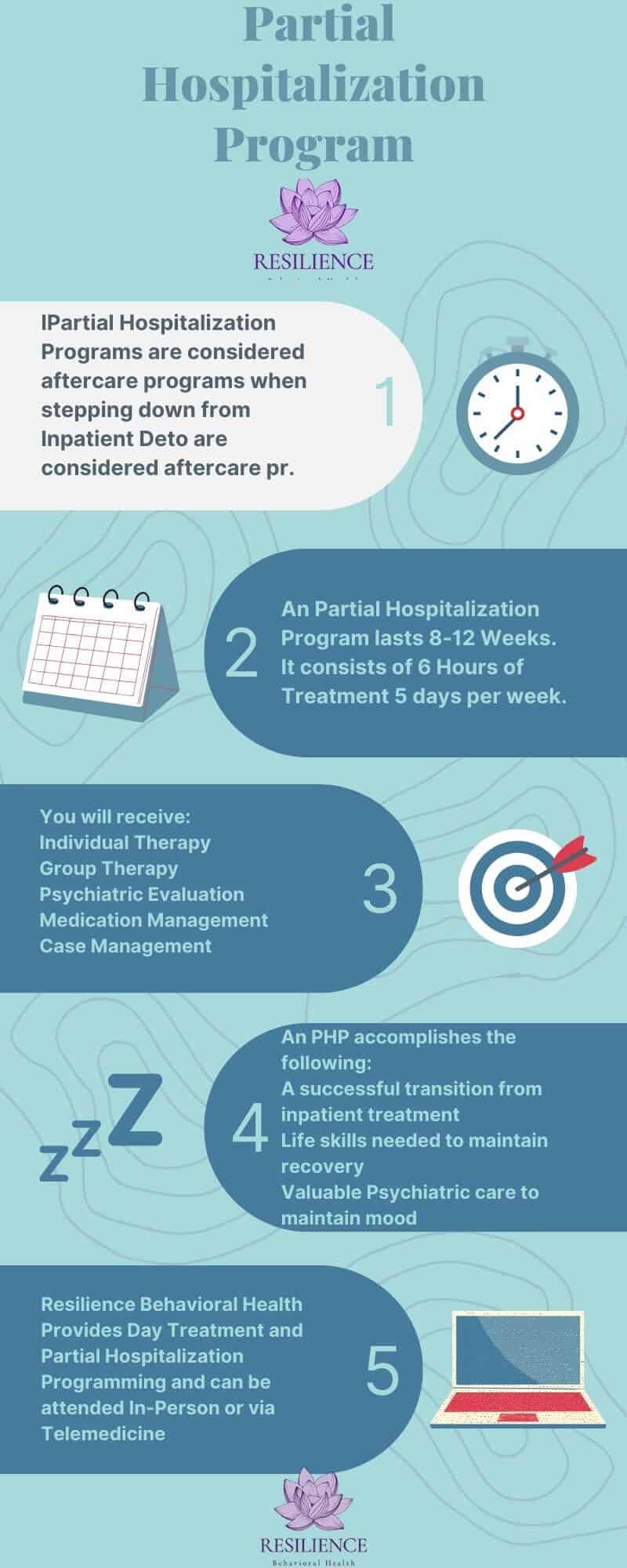
In the evolving landscape of modern healthcare, the terminology can often feel as complex as the treatments themselves. For individuals, families, and corporate stakeholders, understanding the nuances of “Partial Hospitalization” is no longer just a medical necessity—it is a financial imperative. Often abbreviated as PHP, a Partial Hospitalization Program represents a critical middle ground in the continuum of care, sitting strategically between the high-cost environment of 24-hour inpatient residencies and the lower-intensity traditional outpatient therapy.
From a financial standpoint, a PHP is designed to provide intensive, multi-hour clinical treatment during the day while allowing the individual to return home at night. This structure is not merely a clinical choice; it is a fiscal strategy aimed at optimizing the “Value-Based Care” model. By stripping away the room-and-board costs associated with residential stays while maintaining a high level of clinical oversight, PHP offers a unique value proposition. This article explores the economic architecture of partial hospitalization, the intricacies of insurance reimbursement, and the long-term financial impact on both personal wealth and corporate productivity.
The Financial Architecture of Partial Hospitalization Programs (PHP)
To understand the money behind the medicine, one must first look at the cost-benefit analysis of the PHP model. In the healthcare industry, resources are finite, and the goal is often to provide the “least restrictive environment” that is still clinically effective. From a budgetary perspective, this translates to the most cost-efficient environment.
Comparing Costs: Inpatient vs. PHP vs. Outpatient
The most striking financial differentiator of partial hospitalization is the daily rate. Residential inpatient treatment can easily exceed $2,000 to $5,000 per day, factoring in 24/7 nursing staff, facility maintenance, meals, and intensive security. In contrast, PHP rates typically range from $350 to $1,000 per day.
While this remains a significant investment, the savings over a 30-day period are monumental. For a family or an insurance provider, choosing PHP over residential care when clinically appropriate can save tens of thousands of dollars in a single episode of care. However, it is important to distinguish PHP from standard outpatient care, which may only cost $150 per hour. The “value” in PHP lies in the density of services—offering five to six hours of therapy, psychiatric evaluation, and medication management for a bundled daily rate that is far lower than the sum of its parts if billed individually.
The Business Model of Step-Down Care
In the business of healthcare management, “step-down” care refers to the transition of a patient from a high-intensity setting to a lower one as they stabilize. Facilities utilize PHPs as a vital part of their revenue cycle management. By moving a stabilized patient from an inpatient bed to a PHP slot, the hospital frees up high-revenue inpatient beds for acute emergencies while maintaining a steady stream of “day-patient” revenue.
For the consumer, this step-down model prevents “revolving door” hospitalizations. From a financial planning perspective, the most expensive outcome in healthcare is a relapse that leads to an emergency room visit. PHP serves as a financial hedge, providing enough support to prevent a total breakdown, thereby protecting the individual’s long-term financial stability and reducing the aggregate cost of lifetime care.
Navigating Insurance and Reimbursement Landscapes
The primary barrier to accessing intensive mental health or substance abuse care is rarely the availability of the service, but rather the complexity of the reimbursement. Navigating the intersection of medical necessity and insurance policy requires a sophisticated understanding of healthcare finance.
Understanding “Medical Necessity” for Financial Approval
Insurance companies do not grant coverage based on a patient’s preference; they grant it based on “Medical Necessity.” This is a rigorous financial and clinical standard used to determine if a service is required to treat a condition. For a PHP to be covered, the provider must prove that the patient is at high risk but does not require 24-hour supervision.
From a financial advocacy standpoint, it is essential to understand that insurance adjusters look for specific “biopsychosocial” markers. If the documentation fails to meet these criteria, the claim may be denied, leaving the individual with “private pay” rates that can quickly deplete personal savings. Understanding the criteria for PHP coverage is, therefore, a crucial step in personal financial risk management when dealing with chronic health conditions.
Out-of-Pocket Maximums and Deductibles in Mental Health
The Mental Health Parity and Addiction Equity Act (MHPAEA) requires health insurers to provide mental health benefits that are no more restrictive than those for medical/surgical benefits. For the policyholder, this means that the financial “burn rate” of a PHP stay is capped by the annual out-of-pocket maximum.

When calculating the cost of a Partial Hospitalization Program, one must look at the “Allowed Amount” rather than the “Billed Amount.” Many high-end facilities bill at rates significantly higher than what insurance will pay. If the facility is “In-Network,” they are contractually obligated to accept the insurance company’s negotiated rate. If they are “Out-of-Network,” the patient may be responsible for “balance billing”—the difference between the facility’s fee and the insurance company’s allowance. Strategically choosing an in-network PHP is one of the most effective ways to preserve capital during a health crisis.
The Corporate Impact: PHP as a Productivity Investment
Mental health and behavioral issues are not just personal challenges; they are significant corporate liabilities. “Presenteeism”—the loss of productivity from employees who are at work but not fully functioning—costs the global economy billions annually. Partial hospitalization offers a unique solution for the corporate world.
Reducing Long-Term Disability Claims
From a Human Resources and corporate finance perspective, the goal is to keep employees in the workforce while managing their health. Inpatient stays often require a full leave of absence, potentially triggering Long-Term Disability (LTD) claims, which are expensive for the company to fund and maintain.
PHP allows for a more flexible reintegration. Because the individual is not confined to a hospital 24/7, they may be able to maintain limited contact with their professional duties or, at the very least, transition back to work much faster than those in residential care. By investing in robust PHP coverage through Employee Assistance Programs (EAPs), companies can mitigate the astronomical costs associated with permanent disability and the high turnover costs of replacing specialized talent.
The ROI of Employee Assistance Programs (EAPs)
Modern corporations are increasingly viewing mental health support through the lens of Return on Investment (ROI). Data suggests that for every dollar spent on intensive outpatient and partial hospitalization services, there is a significant return in reduced absenteeism and lower overall medical spend.
PHP represents the “sweet spot” for corporate insurance packages. It provides the intensity of care needed to resolve complex issues (such as burnout, severe depression, or substance abuse) without the extreme cost and total disconnection of residential treatment. Savvy CFOs are now advocating for insurance plans that prioritize these intermediate levels of care as a way to stabilize the workforce and the bottom line.
Strategic Financial Planning for Long-Term Recovery
When a health crisis necessitates a high level of care, it often coincides with a period of financial vulnerability. Strategic planning is required to ensure that the cost of getting well does not result in a secondary crisis of debt.
Health Savings Accounts (HSAs) and Flexible Spending Accounts (FSAs)
For those planning their financial year, PHPs are considered qualified medical expenses. This means that funds from Health Savings Accounts (HSAs) or Flexible Spending Accounts (FSAs) can be used to pay for the daily rates, co-pays, and deductibles associated with partial hospitalization.
Using pre-tax dollars for a PHP can result in an immediate 20% to 30% “discount” on the cost of care, depending on the individual’s tax bracket. This is a critical tool for high-income earners who may face significant out-of-pocket costs for premium care facilities. Integrating PHP costs into a broader tax-advantaged healthcare strategy is a hallmark of sophisticated personal financial management.
Managing Income Loss During Intensive Treatment
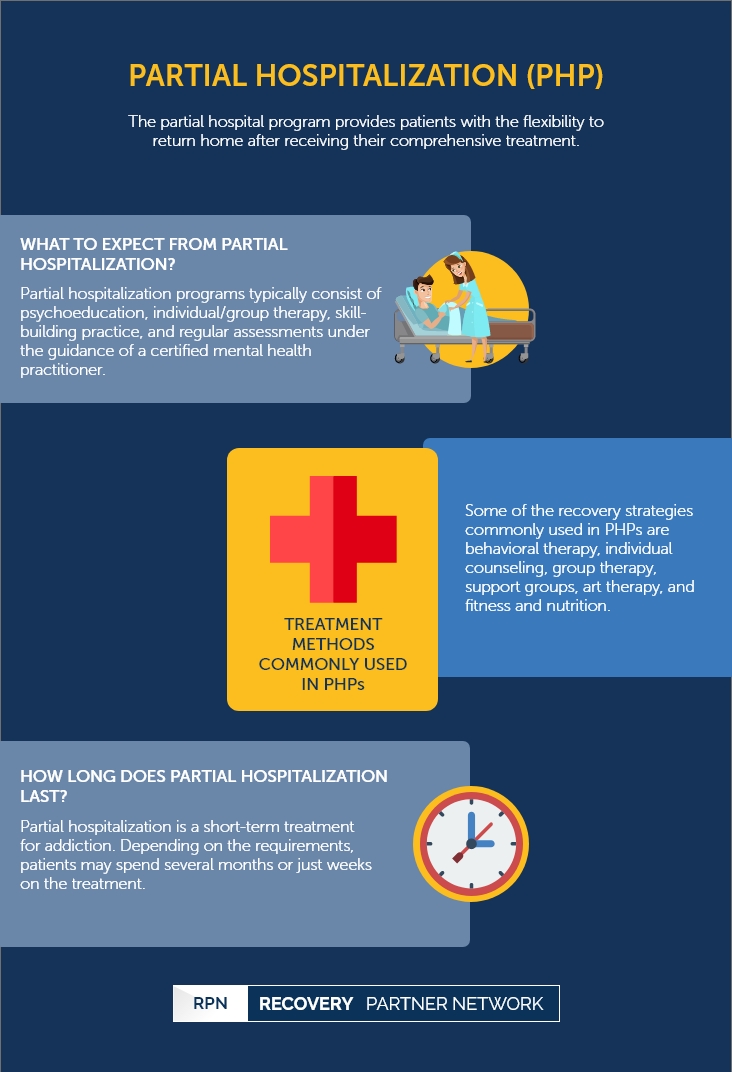
One of the most overlooked aspects of the “Money” side of partial hospitalization is the disruption of cash flow. Even if insurance covers the majority of the clinical costs, the individual is often unable to work full-time during the 4 to 6 weeks typically required for a PHP.
Financial planning for a PHP should include an audit of Short-Term Disability (STD) benefits. Most employer-sponsored STD plans will cover a portion of an employee’s salary (usually 60% to 80%) while they participate in a PHP, provided the “Medical Necessity” is documented. By securing these benefits early, the individual can ensure that their household obligations—mortgages, car payments, and utilities—are met while they focus on recovery. In the world of finance, this is known as “Income Protection,” and it is the foundation upon which a successful recovery is built.
In conclusion, partial hospitalization is more than a clinical designation; it is a sophisticated financial model designed to balance intensive care with fiscal responsibility. Whether viewed as a cost-saving measure for insurance companies, a productivity-saver for corporations, or a life-saving but manageable investment for individuals, the PHP stands as a testament to the importance of economic literacy in the healthcare sector. By understanding the costs, navigating the insurance hurdles, and utilizing tax-advantaged tools, stakeholders can ensure that the path to wellness is both clinically effective and financially sustainable.
aViewFromTheCave is a participant in the Amazon Services LLC Associates Program, an affiliate advertising program designed to provide a means for sites to earn advertising fees by advertising and linking to Amazon.com. Amazon, the Amazon logo, AmazonSupply, and the AmazonSupply logo are trademarks of Amazon.com, Inc. or its affiliates. As an Amazon Associate we earn affiliate commissions from qualifying purchases.