
Hepatitis C is a viral infection that primarily affects the liver. While the title itself might seem straightforward, the implications of this infection are far-reaching, touching upon health, well-being, and even the economic landscape of individuals and societies. In the context of a website focused on Tech, Brand, and Money, understanding Hepatitis C transcends a purely medical discussion. It involves how technology aids in its diagnosis and treatment, how public health campaigns leverage branding and marketing for awareness, and the significant financial implications for individuals and healthcare systems.

The Science Behind Hepatitis C: A Microscopic Invader
At its core, Hepatitis C is caused by the Hepatitis C virus (HCV). This microscopic pathogen is a member of the Flaviviridae family and is known for its ability to evade the immune system, often leading to chronic infection.
How Hepatitis C Spreads: The Transmission Pathways
Understanding how Hepatitis C is transmitted is crucial for prevention. Unlike some other infectious diseases, Hepatitis C is not spread through casual contact, sharing food, or kissing. The primary mode of transmission is through blood-to-blood contact.
- Sharing Needles and Syringes: This is the most common way HCV is transmitted, particularly among individuals who inject drugs. Reusing or sharing needles, syringes, or other injection equipment can directly expose one person to infected blood from another.
- Healthcare Settings: Although less common in developed countries due to stringent infection control measures, needle-stick injuries in healthcare professionals can lead to transmission. Improper sterilization of medical equipment used for injections or procedures can also be a source.
- Sexual Transmission: While possible, sexual transmission of Hepatitis C is considered much less efficient than transmission through blood. It is more likely to occur in specific circumstances, such as unprotected sex with multiple partners, or in individuals with HIV coinfection, or during anal sex.
- Mother-to-Child Transmission: A pregnant woman with Hepatitis C can pass the virus to her baby during childbirth. This occurs in approximately 5% of pregnancies, but the risk is higher if the mother also has HIV.
- Contaminated Blood Transfusions and Organ Transplants (Historically): Before widespread screening of blood donations for HCV began in the early 1990s, blood transfusions and organ transplants were a significant source of infection. Today, this risk is extremely low in countries with effective screening programs.
- Sharing Personal Items: In rare cases, sharing personal items that might have microscopic blood traces, such as razors, nail clippers, or toothbrushes, can pose a risk.
The Hepatitis C Virus: A Master of Deception
The Hepatitis C virus is genetically diverse, with multiple genotypes and subtypes. This genetic variability contributes to its ability to mutate and evade the immune response, making it challenging to develop a universal vaccine. Once inside the body, the virus primarily targets liver cells, known as hepatocytes.
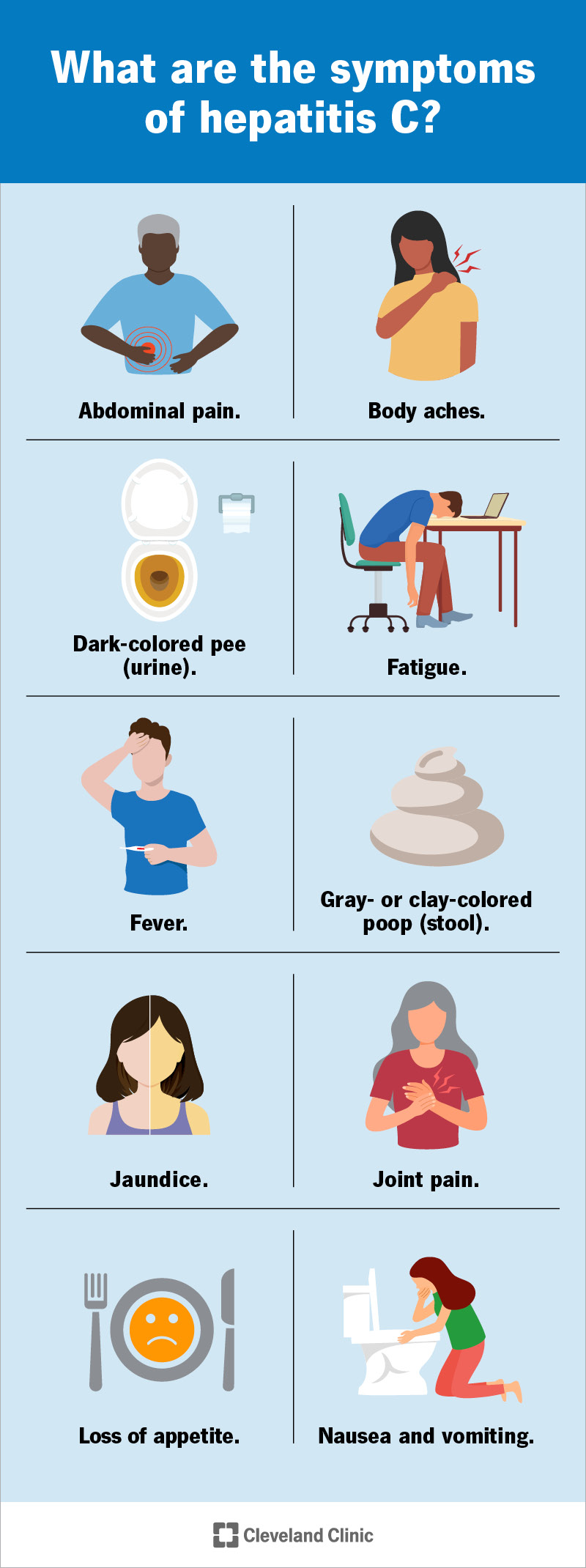
- Acute Hepatitis C: This is the initial phase of infection, typically lasting for the first six months after exposure. Many people with acute Hepatitis C have no symptoms, or their symptoms are mild and flu-like, often going unnoticed. In a small percentage of cases, the acute infection may resolve on its own.
- Chronic Hepatitis C: For the majority of individuals (around 75-85%), acute Hepatitis C progresses to chronic infection. This means the virus persists in the body for a lifetime if left untreated. Chronic infection is a silent threat, as it can cause gradual damage to the liver over many years without any noticeable symptoms. This long-term inflammation and damage can lead to serious complications.
The Silent Progression: From Infection to Liver Disease
The insidious nature of chronic Hepatitis C lies in its ability to cause progressive liver damage over decades. The constant inflammation and attempted repair of liver tissue can lead to scarring, a process known as fibrosis.
Fibrosis and Cirrhosis: The Scars of Infection
- Fibrosis: This is the initial stage of scarring on the liver. As more scar tissue forms, it begins to interfere with the normal function of the liver.
- Cirrhosis: If fibrosis becomes extensive and widespread, it is termed cirrhosis. This is a severe form of liver scarring where the liver’s structure is significantly altered, and its ability to perform essential functions is severely compromised. Cirrhosis is an irreversible condition and can lead to a range of serious health problems.
Complications of Chronic Hepatitis C and Cirrhosis
The long-term consequences of untreated chronic Hepatitis C can be severe and life-threatening.
- Liver Cancer (Hepatocellular Carcinoma): Individuals with chronic Hepatitis C, especially those with cirrhosis, have a significantly increased risk of developing liver cancer.
- Liver Failure: As cirrhosis progresses, the liver may eventually fail to perform its vital functions, leading to a life-threatening condition.
- Portal Hypertension: Cirrhosis can obstruct blood flow through the liver, increasing pressure in the portal vein, which carries blood from the digestive organs to the liver. This can lead to complications like varices (enlarged veins in the esophagus and stomach that can bleed) and ascites (fluid accumulation in the abdomen).
- Hepatic Encephalopathy: In severe liver failure, toxins can build up in the bloodstream and affect brain function, leading to confusion, personality changes, and even coma.
- Increased Risk of Other Health Problems: Chronic Hepatitis C has also been linked to an increased risk of other health issues, including diabetes, kidney disease, and autoimmune disorders.
Detection, Treatment, and the Role of Modern Advancements
The landscape of Hepatitis C management has undergone a revolutionary transformation in recent years, largely driven by advancements in technology and pharmaceutical research.
Diagnosis: Unmasking the Virus
Early detection is paramount in managing Hepatitis C and preventing its progression.
- Antibody Tests: The first step in diagnosing Hepatitis C is usually a blood test that detects antibodies to the virus. These antibodies are produced by the immune system in response to the infection. If antibodies are present, it indicates exposure to the virus.
- RNA Tests: If the antibody test is positive, further testing is done to confirm the presence of the virus itself. This is typically done using a Hepatitis C RNA test, which detects the genetic material of the virus in the blood. This test confirms active infection.
- Genotyping: Once an active infection is confirmed, genotyping is often performed. This test determines the specific strain (genotype) of the Hepatitis C virus. Knowing the genotype is crucial for selecting the most effective treatment.
- Liver Function Tests and Imaging: Doctors may also order liver function tests to assess the extent of liver damage and imaging studies like ultrasound or FibroScan to evaluate liver stiffness, which can indicate fibrosis or cirrhosis.
Breakthrough Treatments: A New Era of Cure
For decades, treatment for Hepatitis C was challenging, often involving difficult side effects and limited success rates. However, the development of Direct-Acting Antivirals (DAAs) has revolutionized Hepatitis C care, offering high cure rates and significantly improved tolerability.
- Direct-Acting Antivirals (DAAs): These are a class of drugs that directly target specific proteins essential for the Hepatitis C virus to replicate and survive. They are typically taken orally for a period of 8-12 weeks.
- High Cure Rates: DAAs have demonstrated cure rates of over 95% for most genotypes of Hepatitis C. A cure means the virus is no longer detectable in the blood after treatment.
- Improved Tolerability: Compared to older treatments, DAAs generally have fewer and milder side effects, making treatment more manageable for patients.
- The Concept of a “Cure”: It’s important to note that with DAAs, Hepatitis C is often considered a curable infection. Once successfully treated and the virus is eradicated, the risk of reinfection remains, but the liver damage caused by the previous infection can often stabilize or even improve, especially if cirrhosis has not yet developed.
The Role of Technology and Innovation in Hepatitis C Management
The fight against Hepatitis C is a prime example of how technology can dramatically alter the course of a disease.
- AI in Drug Discovery: Artificial intelligence and machine learning are playing an increasingly vital role in identifying and developing new antiviral drugs. AI algorithms can analyze vast datasets of biological information to predict drug efficacy and identify potential drug targets, accelerating the drug discovery process for diseases like Hepatitis C.
- Digital Health and Telemedicine: For individuals in remote areas or those facing mobility challenges, telemedicine and digital health platforms are becoming essential. These technologies allow for remote monitoring, virtual consultations with healthcare providers, and the delivery of educational resources, ensuring that more people can access care and support.
- Data Analytics for Public Health: Sophisticated data analytics are used to track the prevalence of Hepatitis C, identify at-risk populations, and evaluate the effectiveness of public health interventions and treatment programs. This data-driven approach helps allocate resources more efficiently and target prevention efforts more effectively.
- Advancements in Diagnostics: Innovations in laboratory techniques and point-of-care testing are making diagnosis faster and more accessible, even in resource-limited settings.
Prevention and Public Health Initiatives: A Collective Effort
While treatment has advanced significantly, prevention remains a cornerstone of controlling Hepatitis C. Public health campaigns, often leveraging branding and marketing principles, are vital in raising awareness and promoting harm reduction strategies.
- Education and Awareness: Campaigns aim to educate the public about how Hepatitis C is transmitted, the importance of safe injection practices, and the benefits of testing and treatment. Effective branding of these campaigns can make them more memorable and impactful.
- Harm Reduction Programs: These programs focus on reducing the transmission of blood-borne infections through measures like needle exchange programs, which provide sterile needles and syringes to people who inject drugs, thus preventing the sharing of contaminated equipment.
- Screening and Testing: Encouraging widespread screening, especially among populations at higher risk, is crucial for identifying infected individuals who may be unaware of their status and connecting them to care.
The Financial and Societal Impact of Hepatitis C
The impact of Hepatitis C extends beyond individual health, presenting significant economic and societal challenges.
The Economic Burden of Hepatitis C
- Healthcare Costs: Treating chronic Hepatitis C and its complications, such as cirrhosis and liver cancer, incurs substantial healthcare costs. This includes the cost of diagnosis, medication, hospitalizations, and ongoing management of liver disease.
- Lost Productivity: Individuals suffering from chronic Hepatitis C may experience reduced work capacity due to illness, leading to lost wages and decreased economic productivity for both the individual and the broader economy.
- Impact on Healthcare Systems: The long-term management of Hepatitis C and its sequelae places a considerable strain on healthcare systems, requiring significant investment in infrastructure, personnel, and resources.
Brand Building and Marketing in Public Health
Public health initiatives often mirror strategies used in commercial marketing to achieve their goals.
- Creating Memorable Campaigns: Just as brands strive for recognition, public health campaigns need to be engaging and memorable to effectively convey their message. This involves clear messaging, compelling visuals, and strategic use of various media channels.
- Targeted Messaging: Understanding the target audience is crucial. For Hepatitis C, campaigns may be tailored to specific demographics, such as young adults, individuals who have injected drugs, or men who have sex with men.
- Building Trust and Credibility: Public health organizations need to build trust with the communities they serve. This involves transparency, consistent messaging, and demonstrating a genuine commitment to improving health outcomes.

Financial Planning and Hepatitis C
For individuals diagnosed with Hepatitis C, understanding the financial implications is important.
- Insurance Coverage: Navigating insurance coverage for testing, treatment, and ongoing medical care is a critical aspect. Many countries have programs and policies in place to ensure access to treatment, but understanding these can be complex.
- Cost of Treatment: While DAAs have dramatically improved outcomes, the cost of these medications can still be a significant factor. Advocacy and government programs often aim to make these treatments accessible.
- Long-Term Financial Planning: For those with chronic Hepatitis C or its complications, long-term financial planning may need to account for potential medical expenses and reduced earning capacity.
In conclusion, Hepatitis C infection is a complex health issue with profound implications. Understanding its transmission, progression, and the groundbreaking advancements in its diagnosis and treatment is essential. Furthermore, recognizing the role of technology, effective branding in public health, and the financial considerations surrounding the disease allows for a more comprehensive approach to its prevention, management, and ultimately, its eradication. The journey from a silent, often untreatable infection to a largely curable disease is a testament to human innovation and the power of collective action.
aViewFromTheCave is a participant in the Amazon Services LLC Associates Program, an affiliate advertising program designed to provide a means for sites to earn advertising fees by advertising and linking to Amazon.com. Amazon, the Amazon logo, AmazonSupply, and the AmazonSupply logo are trademarks of Amazon.com, Inc. or its affiliates. As an Amazon Associate we earn affiliate commissions from qualifying purchases.