
In the modern marketplace, the definition of a “brand” has evolved far beyond logos, color palettes, and catchy slogans. Today, the most influential brands are those that function as platforms for change, bridging the gap between corporate profitability and global advocacy. At the forefront of this evolution is Parley, specifically known as Parley for the Oceans. To understand “what is Parley” from a brand strategy perspective is to understand the blueprint for 21st-century corporate identity: a blend of high-design aesthetic, environmental activism, and strategic cross-industry collaboration.
Parley is not merely an environmental organization; it is a collaborative network and a brand incubator that has redefined how luxury and performance brands approach sustainability. By positioning itself as a “space where creators, thinkers, and leaders come together to raise awareness for the beauty and fragility of the oceans,” Parley has created a unique brand equity that major corporations are eager to participate in.

The Genesis of a Movement: From Environmental Activism to Global Brand
The brand identity of Parley was built on the premise that traditional environmentalism often fails because it focuses on guilt rather than inspiration. Founded by Cyrill Gutsch, a designer and brand strategist by trade, Parley was conceptualized through the lens of creative industries. The brand’s primary mission is to end the destruction of the oceans, but its strategy for doing so is rooted deeply in brand management and design thinking.
The Philosophy of “A.I.R” (Avoid, Intercept, Redesign)
At the heart of the Parley brand is a proprietary strategic framework known as the Parley AIR Strategy. This is not just an operational guideline; it is a brand promise.
- Avoid: Encouraging brands to eliminate plastic wherever possible.
- Intercept: Collecting plastic waste before it enters the oceans.
- Redesign: Creating new materials and business models to replace the old ones.
By trademarking and championing this simple, memorable acronym, Parley provided its corporate partners with a “plug-and-play” sustainability narrative. This clarity is essential in brand strategy; it allows diverse stakeholders—from manufacturing teams to marketing departments—to align under a single, cohesive vision.
Crafting a Visual Identity for the Oceans
Unlike many environmental non-profits that use imagery of devastation to drive donations, Parley’s brand aesthetic is sleek, minimalist, and aspirational. They utilize high-contrast black-and-white photography, avant-garde typography, and a “cool” factor that mirrors high-fashion branding. This intentional design choice allows Parley to sit comfortably alongside luxury brands like Stella McCartney or tech giants like Apple. It transforms the “ocean cause” from a charity project into a lifestyle and a badge of sophisticated conscious consumerism.
Collaborative Branding: The Parley x Adidas Case Study
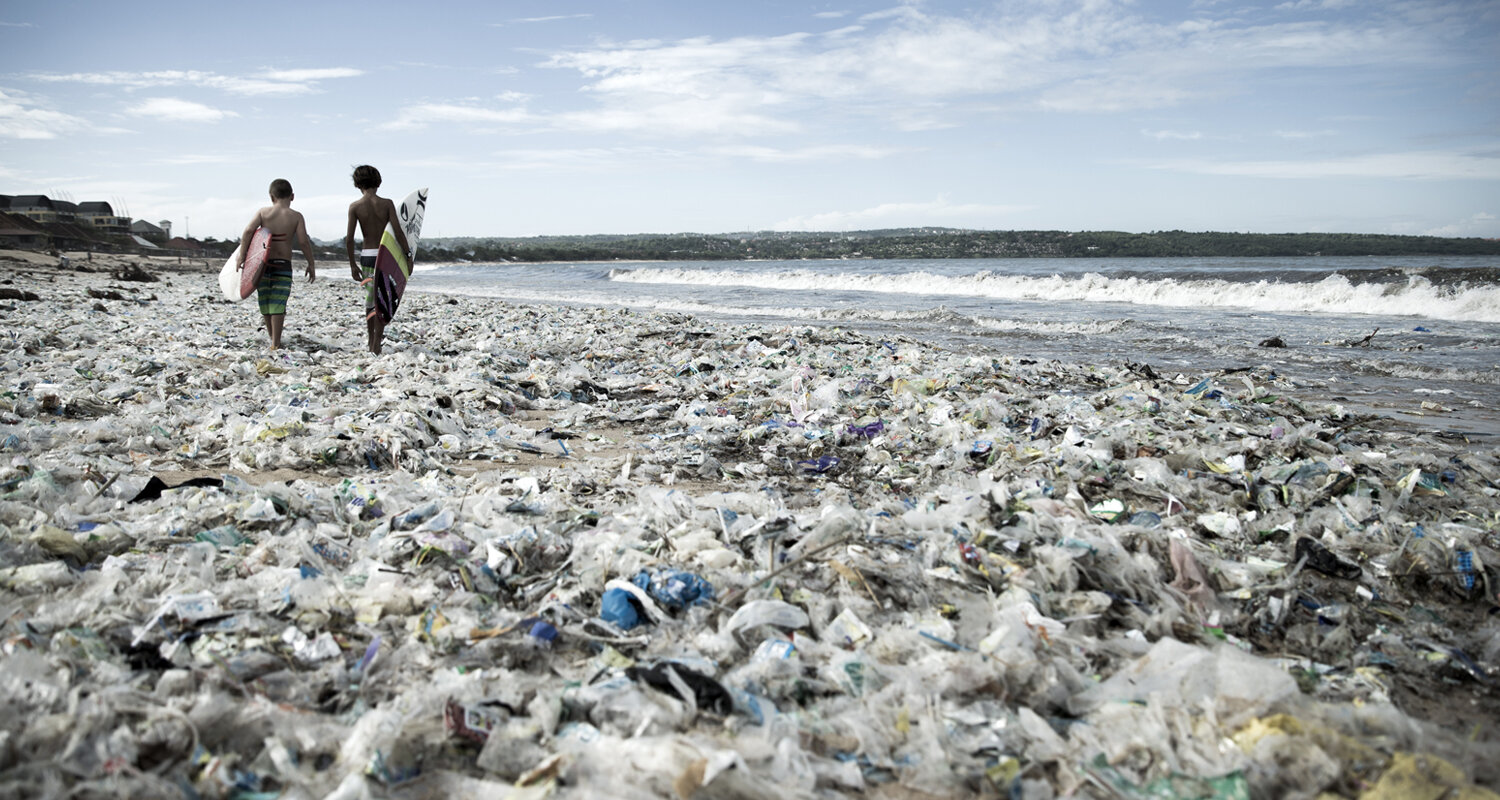
The most significant proof of Parley’s brand efficacy is its long-standing partnership with Adidas. This collaboration serves as a masterclass in how a smaller, purpose-driven brand can influence the corporate identity of a global titan. When Adidas first announced a sneaker made from “Parley Ocean Plastic” (upcycled marine debris), it wasn’t just launching a product; it was pivoting its entire brand narrative toward eco-innovation.
Elevating Product Value through Sustainability
In brand strategy, “value” is often derived from scarcity or story. Parley provided Adidas with both. The first run of Parley x Adidas shoes was limited to 50 pairs, creating an immediate aura of exclusivity. However, the true value was the story: the idea that a consumer could wear a piece of the solution to a global crisis.
This partnership allowed Adidas to differentiate itself from competitors like Nike or Under Armour by claiming the moral high ground in the performance footwear space. For Adidas, Parley acted as a “trust mark.” By associating with Parley, Adidas gained immediate credibility in the sustainability space, a feat that would have taken decades to achieve through internal corporate social responsibility (CSR) reports alone.
Co-Branding as a Tool for Cultural Shift
The success of the Parley x Adidas partnership demonstrates the power of co-branding to drive cultural shifts. The collaboration moved beyond a single product line to influence Adidas’s long-term strategy, leading the company to commit to using only recycled polyester by 2024. From a branding perspective, this shows how a “cause brand” like Parley can become an essential component of a partner’s corporate identity. The “Parley” logo on an Adidas shoe signifies a shared set of values, effectively turning the consumer into an advocate for the brand’s broader mission.
Marketing the Invisible: How Parley Communicates Crisis as Opportunity
One of the greatest challenges in brand strategy for environmental causes is “marketing the invisible.” Issues like microplastics and ocean acidification are abstract to the average consumer. Parley overcomes this by reframing the narrative from one of “saving the planet” to one of “redesigning the world.”
Storytelling and Narrative Architecture
Parley excels at narrative architecture. They don’t just talk about “trash”; they talk about “Ocean Plastic®”—a term they trademarked to turn waste into a premium raw material. This linguistic shift is a classic branding tactic. By renaming the problem, they create a new category of material that brands want to use.
Their marketing campaigns often feature cinematic visuals of the deep ocean, interspersed with footage of high-tech manufacturing processes. This creates a narrative arc that moves from the beauty of nature to the ingenuity of human design. This brand story is effective because it offers a solution-oriented perspective, which is much more engaging for modern consumers than the “doom and gloom” narratives of traditional activism.
Leveraging High-Profile Ambassadors and Creators
A brand is often judged by the company it keeps. Parley has masterfully curated a network of “ambassadors” that includes world-renowned surfers, artists, oceanographers, and actors. However, unlike traditional celebrity endorsements, these individuals are integrated into the brand’s “Global Cleanup” missions and “Parley Talks.”
When an influencer or a creator participates in a Parley mission, they aren’t just a face for an ad; they are a witness to the brand’s impact. This authenticity is the “holy grail” of modern brand strategy. In an era of rampant greenwashing, where consumers are skeptical of corporate environmental claims, Parley’s hands-on approach and its ability to bring creators to the front lines of the crisis build a level of brand trust that is nearly impossible to replicate through traditional advertising.
The Future of Brand Identity in the Eco-Innovation Era
As we look toward the future of global commerce, the “Parley model” offers vital lessons for brand strategists and corporate leaders. The success of Parley suggests that the brands of the future will not be those that simply sell products, but those that facilitate a “circular economy” and offer consumers a sense of agency.
Moving Beyond “Greenwashing” to Authentic Impact
The term “greenwashing” has become a significant threat to corporate brand equity. Brands that make vague or unsubstantiated environmental claims risk massive public relations backlash. Parley’s strategy mitigates this risk by demanding deep integration. For a brand to work with Parley, they must often commit to the AIR strategy, ensuring that the partnership is rooted in operational change rather than just a marketing gimmick.
This sets a new standard for brand authenticity. Authenticity is no longer about what a brand says; it is about the verifiable impact of its supply chain and its willingness to “redesign” its legacy systems. Parley’s brand identity is built on this transparency, making it a “gold standard” partner for corporations looking to modernize their brand image.

Lessons for Modern Corporate Strategy
The takeaway for any professional studying brand strategy is that purpose is the new premium. Parley has demonstrated that:
- Design is a Language: High-end design can make difficult global issues palatable and even aspirational for the mass market.
- Collaboration is Growth: In a complex global economy, no brand is an island. Partnerships with purpose-led organizations can revitalize legacy brands and open new market segments.
- Intellectual Property Matters: By trademarking frameworks (AIR) and materials (Ocean Plastic®), Parley created a brand ecosystem that others must pay to enter, ensuring both financial sustainability and brand consistency.
In conclusion, when asking “what is Parley,” the answer lies at the intersection of environmentalism and elite brand strategy. Parley for the Oceans has successfully created a brand that acts as a bridge between the urgency of ecological collapse and the creative potential of the global marketplace. It proves that a brand can be a powerful catalyst for systemic change, provided it has the right visual identity, a clear strategic framework, and the courage to demand more from its partners than just a signature on a check. As the world moves toward a more conscious form of capitalism, the Parley model will undoubtedly serve as the benchmark for how brands can—and should—function in the 21st century.
aViewFromTheCave is a participant in the Amazon Services LLC Associates Program, an affiliate advertising program designed to provide a means for sites to earn advertising fees by advertising and linking to Amazon.com. Amazon, the Amazon logo, AmazonSupply, and the AmazonSupply logo are trademarks of Amazon.com, Inc. or its affiliates. As an Amazon Associate we earn affiliate commissions from qualifying purchases.