
In the modern landscape of global media, the name “Paramount” stands as a testament to the power of enduring brand equity. While many consumers recognize the iconic silhouette of the snow-capped mountain encircled by stars, the reality of what Paramount represents in the 21st century is a complex, multi-layered corporate identity. Paramount is no longer just a film studio; it is a unified global brand ecosystem that integrates legacy cinema, broadcast television, and cutting-edge digital streaming.
The transition of this entity—formerly known as ViacomCBS—into Paramount Global signifies one of the most significant brand pivots in recent corporate history. It represents a move away from fragmented house-of-brands architecture toward a “branded house” strategy, where the prestige of a century-old film studio serves as the North Star for a massive portfolio of media assets. Understanding what Paramount is requires a deep dive into its history, its strategic rebranding, and how it leverages its heritage to compete in an increasingly crowded digital marketplace.

From Studio to Global Powerhouse: The History of the Paramount Brand
The Paramount brand is built upon a foundation of cinematic history that dates back to 1912. Founded by W.W. Hodkinson and Adolph Zukor, Paramount Pictures was the first nation-wide film distributor in the United States. From its inception, the brand was designed to evoke a sense of height, quality, and permanence.
The Legacy of the Mountain
The iconic “Mountain” logo is perhaps the most recognizable visual asset in the entertainment industry. Legend suggests that Hodkinson doodled the mountain—modeled after Ben Lomond Mountain in Utah—during a meeting with Zukor. The original 24 stars surrounding the mountain represented the 24 movie stars then under contract with the studio. Over the decades, the logo has evolved, but the core imagery has remained a constant symbol of high-production value and “prestige” entertainment. In branding terms, this consistency has built an immense amount of “trust equity” with global audiences. When a viewer sees the mountain, there is an immediate, subconscious association with the golden age of Hollywood and high-tier storytelling.
ViacomCBS and the Need for a Unified Identity
For years, the corporate entity behind the Paramount studio operated under various names, most notably Viacom and CBS. These two giants engaged in a complex corporate dance of mergers and de-mergers throughout the early 2000s. When they finally re-merged in 2019 to form ViacomCBS, the company faced a significant branding challenge.
ViacomCBS was a clunky, “inside-baseball” name that resonated with Wall Street but meant very little to the average consumer. It lacked emotional resonance. As the “streaming wars” intensified, the leadership realized that to compete with the likes of Disney and Netflix, they needed a consumer-facing identity that felt cohesive. In February 2022, the company officially rebranded to Paramount Global. This move was not just a name change; it was a strategic decision to lead with their most prestigious and internationally recognized asset.
The Rebranding Strategy: Why Paramount?
The decision to adopt the Paramount name across the entire corporate portfolio was a masterclass in leveraging heritage to solve modern problems. In a world of infinite choice, brands that possess “legacy” have a distinct advantage.
Leveraging Heritage in a Digital Age
The “Paramount” name carries a weight that “Viacom” or “CBS” simply could not match on a global scale. By rebranding the entire corporation as Paramount, the company effectively transferred over 100 years of cinematic prestige to its newer ventures, specifically its streaming services. This is a classic brand strategy known as the “Halo Effect.” The quality associated with The Godfather or Top Gun is meant to shine upon every other product under the umbrella, from news programs to reality television.
This strategy also addressed the problem of brand fragmentation. Before the rebrand, the company was a collection of distinct brands (MTV, Nickelodeon, Comedy Central, BET, Showtime) that often felt disconnected. By placing them all under the Paramount banner, the company created a unified front, making it easier for consumers to understand the breadth of their content offering.
Creating a Global Unified Portfolio
The rebrand was essential for international expansion. While CBS is a powerhouse in the United States, its brand recognition is significantly lower in Europe, Asia, and Latin America. Paramount, conversely, has been a global household name for a century. By aligning the corporate identity with the film studio, the company created a “universal language” for its brand. This allowed for a smoother rollout of their flagship streaming service, Paramount+, across international borders, as the name already held a premium position in the minds of global consumers.
Brand Architecture and Ecosystem
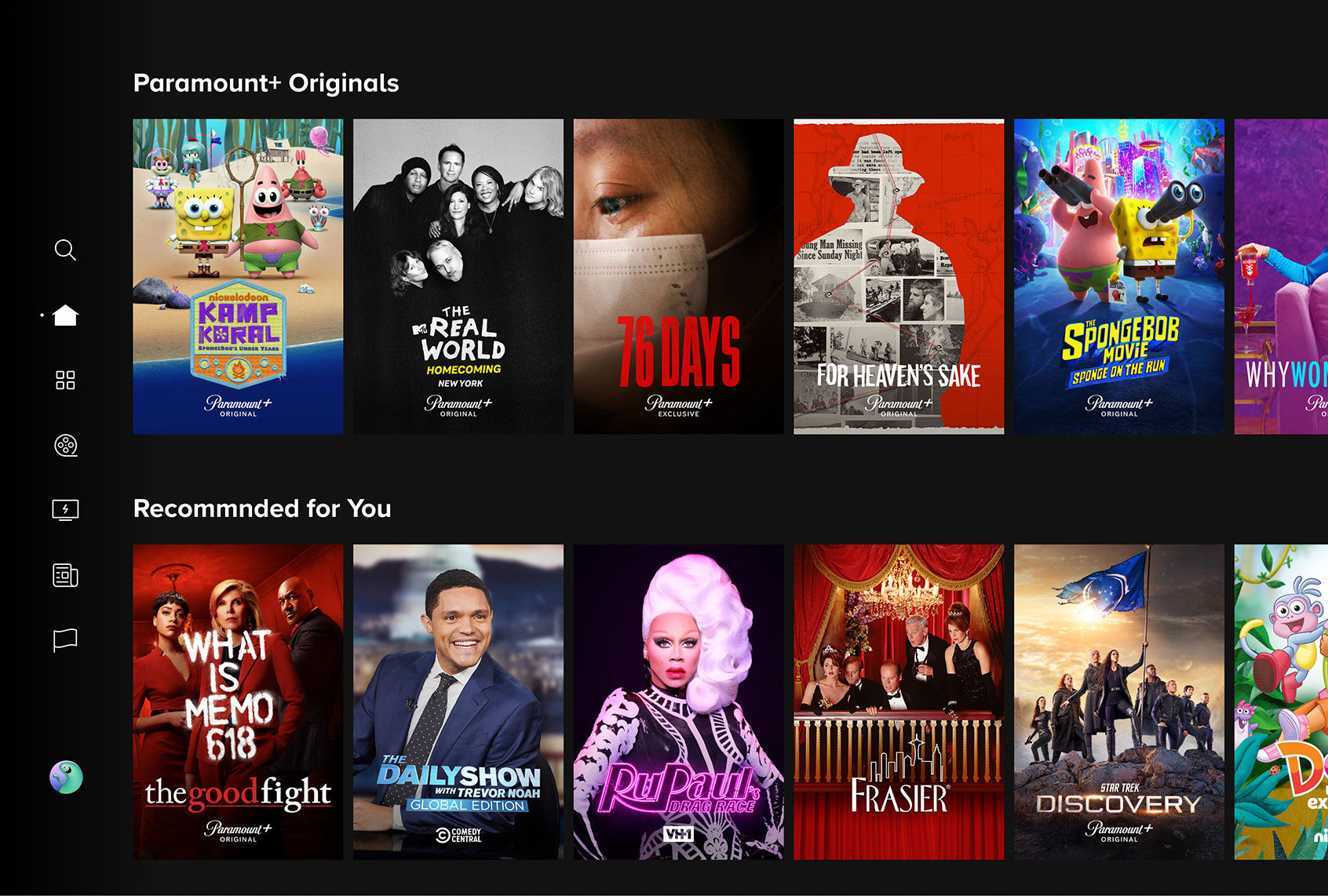
At its core, Paramount operates as a complex ecosystem where various sub-brands feed into a central identity. This architecture is designed to capture diverse demographics while maintaining a singular corporate voice.
Paramount+ as the Digital Flagship
The centerpiece of the modern Paramount brand is Paramount+. Launched as a replacement for CBS All Access, Paramount+ was designed to be the digital embodiment of the “Mountain of Entertainment.” The branding of the streaming service is intentionally minimalist, focusing on the blue mountain logo to emphasize its connection to the legacy studio.
The strategy for Paramount+ involves “franchise management.” The brand uses its core intellectual properties—such as Star Trek, Yellowstone, and SpongeBob SquarePants—as pillars of the identity. By creating “universes” around these brands, Paramount ensures that its streaming platform is not just a repository of content, but a destination for specific fandoms. This creates high brand loyalty and reduces “churn,” the industry term for subscribers canceling their service.
Synergy Across Networks (CBS, MTV, Nickelodeon)
Despite the overarching Paramount name, the company maintains strong sub-brands that cater to specific niches.
-
Nickelodeon represents the “Gold Standard” in kids’ entertainment.
-
MTV remains the cornerstone of youth culture and reality programming.
-
Comedy Central anchors the brand’s adult-oriented humor.
-
Showtime provides the edgy, premium “prestige” drama.
The brand strategy here is one of “synergy.” Content often flows through these brands—a show might debut on a linear network like MTV and then find a permanent home on Paramount+. This cross-pollination reinforces the idea that Paramount is an all-encompassing provider of entertainment, regardless of the medium or the specific genre.
The Marketing Engine: How Paramount Stays Relevant
A brand as old as Paramount must work twice as hard to avoid appearing “stale.” Their marketing strategy focuses on blending nostalgia with modern cultural relevance.
Content as Brand Fuel
In the media world, content is the ultimate marketing tool. The success of Top Gun: Maverick is perhaps the best recent example of Paramount’s brand strategy in action. The film was marketed not just as a sequel, but as a “return to the big screen” and a celebration of the Paramount legacy of high-octane, quality filmmaking. This “event-izing” of content helps the brand maintain its status as a premium provider in an era where much of digital content feels disposable.
Furthermore, the “Mountain of Entertainment” marketing campaign, which featured characters from various Paramount properties (such as Beavis and Butt-Head, Dora the Explorer, and Captain Pike) climbing a metaphorical Paramount mountain, was a brilliant piece of brand positioning. It visually communicated the diversity of their portfolio while reinforcing the central brand icon.
Strategic Partnerships and Global Expansion
Paramount has also used strategic partnerships to bolster its brand presence. Agreements with retailers (like the Paramount+ inclusion in Walmart+) and telecommunications companies worldwide have allowed the brand to integrate itself into the daily lives of consumers. These partnerships are less about immediate revenue and more about “brand ubiquity.” The goal is for the Paramount logo to be as present and expected in a consumer’s digital life as Amazon or Google.
Future Outlook: The Challenges of Brand Longevity in Streaming
While Paramount has successfully transitioned its identity, the future of the brand faces significant headwinds. The “Brand Strategy” of the next decade will be defined by how well the company can maintain its “premium” image while navigating the economics of the streaming era.
One of the primary challenges is brand fatigue. As every major studio launches its own “Plus” service, the value of a legacy name can become diluted. Paramount must continue to differentiate itself by leaning into its unique strengths: its deep library of “classic” IP and its ability to produce broad-appeal, “middle-of-the-road” hits that resonate with a global audience.
Moreover, the brand must navigate the transition from linear television to digital without losing the identity of assets like CBS or MTV. Maintaining the relevance of these sub-brands while folding them into a unified digital experience is a delicate balancing act. If the sub-brands lose their distinct identities, the overall Paramount ecosystem may lose its depth.
In conclusion, Paramount is a brand in the midst of a sophisticated transformation. It is the story of a 112-year-old mountain that learned to live in the cloud. By leveraging its history, simplifying its corporate identity, and focusing on a “franchise-first” content strategy, Paramount has redefined itself for the modern age. It stands today not just as a relic of old Hollywood, but as a dynamic, integrated media giant that uses its legacy as a launchpad for the future of entertainment.
aViewFromTheCave is a participant in the Amazon Services LLC Associates Program, an affiliate advertising program designed to provide a means for sites to earn advertising fees by advertising and linking to Amazon.com. Amazon, the Amazon logo, AmazonSupply, and the AmazonSupply logo are trademarks of Amazon.com, Inc. or its affiliates. As an Amazon Associate we earn affiliate commissions from qualifying purchases.