
Paleoclimate, at its core, is the study of Earth’s climate history, stretching back millions of years before human instrumental records existed. While the concept might seem purely scientific, its very existence and the profound insights it yields are inextricably linked to cutting-edge technology. Understanding “what is paleoclimate” in the 21st century means understanding the sophisticated technological infrastructure, computational power, and innovative tools that allow scientists to reconstruct, analyze, and interpret the climate conditions of the deep past. Without these technological advancements, paleoclimate would remain largely theoretical; with them, it transforms into a data-rich discipline providing critical context for understanding present and future climate change. From automated data collection systems to advanced AI-driven analysis, technology forms the indispensable backbone of paleoclimate science.
The Digital Backbone of Paleoclimate Science
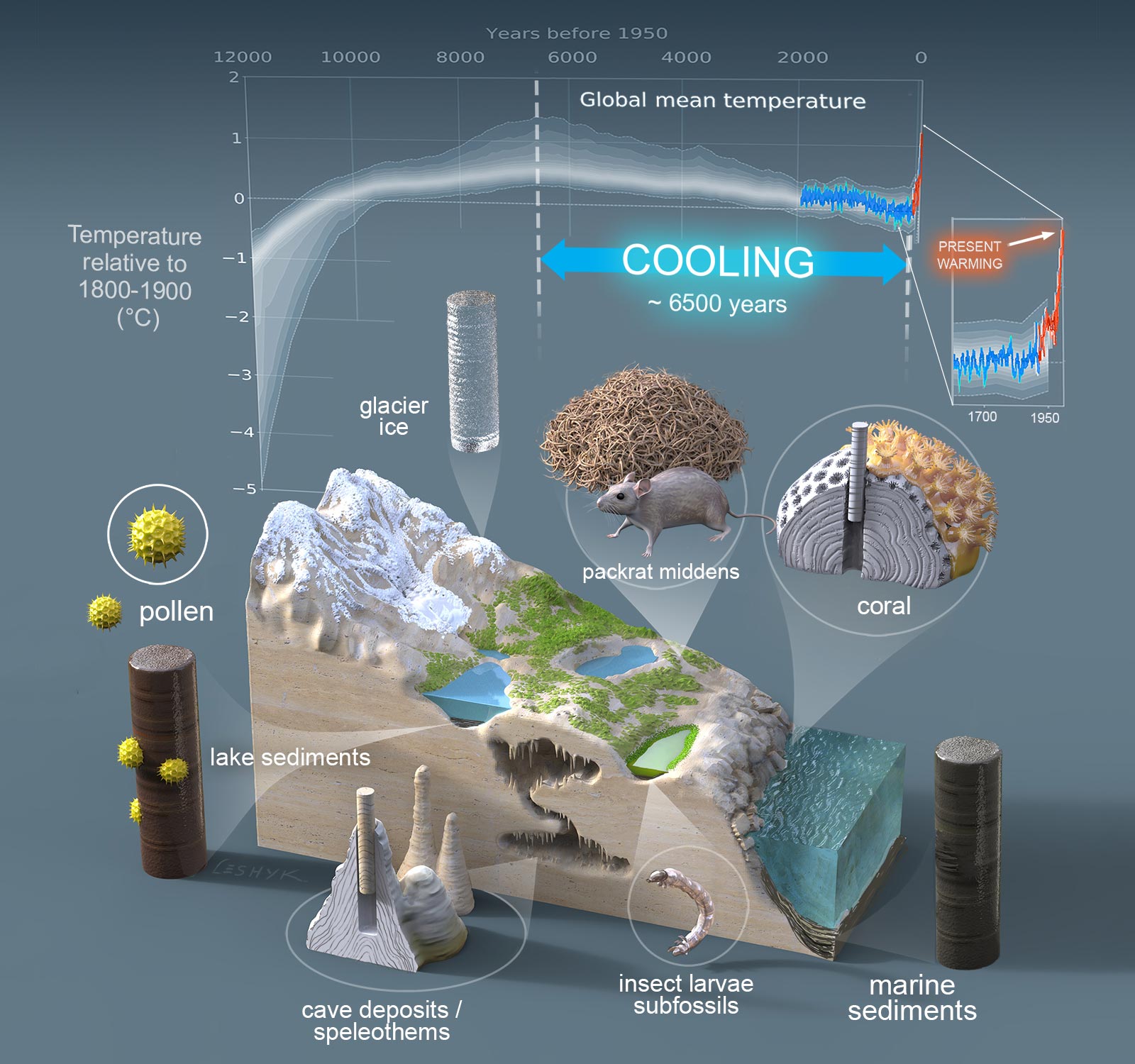
The reconstruction of ancient climates is not a matter of direct observation but an intricate process of deciphering “proxy” records—natural archives that store information about past environmental conditions. The ability to extract, process, and interpret these proxies at scale and with high precision is fundamentally a technological triumph.
Digital Proxies: Extracting Data from Earth’s Archives
The Earth itself serves as a vast, natural hard drive, continuously recording climate data in various forms. Ice cores from Greenland and Antarctica, for example, are drilled using specialized electromechanical drilling rigs capable of penetrating kilometers into solid ice while maintaining the core’s integrity. These cores contain trapped air bubbles representing ancient atmospheric composition and layers of dust, volcanic ash, and water isotopes that reveal temperature and precipitation patterns. Post-extraction, state-of-the-art analytical labs employ automated systems to slice, photograph, and analyze these cores. Laser ablation systems precisely vaporize microscopic sections for isotopic analysis via mass spectrometry, providing highly resolved data points that might correspond to annual or even seasonal climate variations.
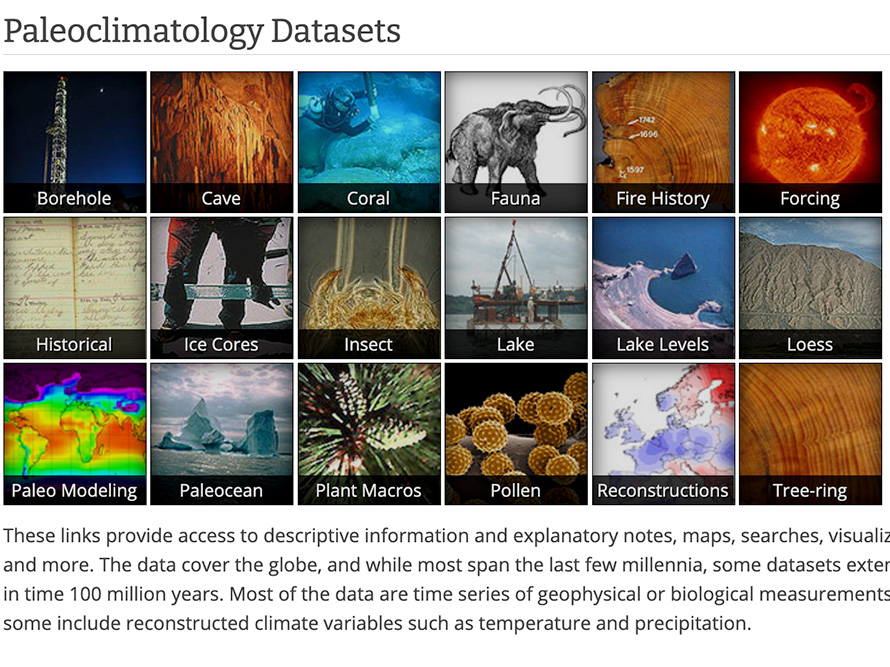
Similarly, sediment cores extracted from lakebeds and ocean floors via remotely operated vehicles (ROVs) or dedicated research vessels utilize high-resolution imaging systems, X-ray fluorescence (XRF) scanners, and automated particle size analyzers. These technologies detect changes in sediment composition, fossilized microorganisms (like foraminifera or diatoms), and chemical markers. Dendrochronology, the study of tree rings, relies on high-precision scanners and software to measure ring widths and density, correlating these with past temperature and precipitation. Even corals, which grow in distinct layers, are analyzed using CT scanning and mass spectrometry to reveal oceanic conditions. Each of these proxy records necessitates bespoke technological solutions for extraction, preservation, and high-throughput, non-destructive analysis, transforming raw geological or biological samples into digital datasets.
Software and Modeling: Reconstructing Ancient Worlds
Once proxy data is acquired, it’s typically massive and complex. Here, software tools and computational power become paramount. Geographic Information Systems (GIS) are used to map proxy locations and integrate diverse datasets. Statistical software packages employ advanced algorithms to identify trends, cyclical patterns, and correlations within and between different proxy records. Data visualization tools render intricate datasets into comprehensible graphs, maps, and 3D models, allowing researchers to perceive complex spatial and temporal relationships.
Beyond data processing, numerical climate models are the ultimate computational tools for paleoclimate. These are sophisticated software programs run on supercomputers that simulate Earth’s climate system based on fundamental physical laws. Paleoclimate researchers adapt these models by inputting past boundary conditions (e.g., continental configurations, solar radiation levels, greenhouse gas concentrations derived from proxies) to “hindcast” ancient climates. The development of increasingly high-resolution and computationally efficient models, leveraging parallel processing and cloud computing architectures, allows for more accurate and detailed reconstructions of past climates, testing hypotheses about climate drivers and feedbacks over geological timescales. The interplay between proxy data and model simulations is cyclical: proxies validate models, and models provide a framework for interpreting proxies, all facilitated by robust software engineering and high-performance computing.
Advanced Instrumentation: Peering Into Deep Time
The ability to extract granular details from ancient materials relies heavily on the continuous evolution of precision instrumentation. These sophisticated gadgets are the eyes and hands that allow scientists to “read” the subtle environmental cues stored in natural archives.
Precision Analytical Gadgets: Unlocking Chemical Signatures
The laboratory is a hub of technological marvels for paleoclimate research. Mass spectrometers, particularly isotope ratio mass spectrometers (IRMS), are perhaps the most crucial analytical instruments. They precisely measure the ratios of stable isotopes (e.g., oxygen-18/oxygen-16, carbon-13/carbon-12) in water, ice, carbonate shells, or organic matter. These ratios are incredibly sensitive proxies for past temperature, ice volume, and hydrological cycles. The evolution of these instruments has led to higher accuracy, smaller sample requirements, and increased automation, enabling high-resolution time series from minute samples.
Electron microscopes (Scanning Electron Microscopes – SEM, Transmission Electron Microscopes – TEM) provide unparalleled magnification to study microfossils, volcanic ash, or dust particles, revealing their morphology, elemental composition, and origin, which can inform about past wind patterns, ocean currents, and ecosystem shifts. Spectrophotometers measure the absorption and emission of light across different wavelengths, useful for analyzing pigments in sediment that indicate past biological productivity or lake conditions. Furthermore, advanced dating techniques like Uranium-Thorium dating, Optically Stimulated Luminescence (OSL), and Argon-Argon dating, often employing highly specialized mass spectrometers and detectors, provide the chronological frameworks that anchor paleoclimate reconstructions in absolute time. These instruments, often costing millions and requiring highly skilled operators, are indispensable for transforming physical samples into actionable data.
Remote Sensing and Automation: Expanding Our Reach
While much of paleoclimate research involves physical samples, remote sensing technologies are increasingly vital. Satellite imagery, LiDAR (Light Detection and Ranging), and radar are used to map current ice sheet topography, glacier movements, and vegetation changes. While these technologies don’t directly measure past climate, they provide critical data for understanding modern climate processes that leave paleoclimate signatures. For instance, monitoring current glacier melt via satellite helps refine models that interpret past glacial extents from geological evidence.
Automated sensor networks deployed in challenging environments, such as polar regions or deep oceans, collect real-time data on temperature, salinity, ocean currents, and atmospheric composition. This data helps validate and improve the realism of climate models used for paleoclimate simulations. The continuous stream of high-quality environmental data collected by autonomous underwater vehicles (AUVs), buoys, and terrestrial weather stations, transmitted via satellite networks, provides a comprehensive contemporary baseline against which paleoclimate reconstructions can be compared and understood. The synergy between current environmental monitoring technology and historical proxy analysis offers a robust framework for paleoclimate inquiry.
AI, Machine Learning, and Big Data in Paleoclimate Science
The sheer volume and complexity of paleoclimate data, encompassing everything from microscopic chemical ratios to continental-scale ice sheet models, demand advanced computational intelligence. Artificial intelligence (AI) and machine learning (ML) are rapidly becoming transformative tools in this field.
Pattern Recognition and Predictive Analytics
AI algorithms excel at identifying subtle patterns and relationships within vast datasets that might be invisible to human analysis. In paleoclimate, ML models are trained on instrumental climate records and their corresponding proxy data to establish more robust calibrations, allowing for more accurate reconstructions from older, less direct proxy records. For instance, neural networks can be used to disentangle multiple environmental signals within a single proxy, such as distinguishing temperature from precipitation effects in tree-ring width data.
Furthermore, AI can assist in filling data gaps, identifying outliers, and even predicting missing data points based on surrounding information and established relationships. Predictive analytics, a branch of AI, is also employed to assess uncertainties in paleoclimate reconstructions and to project potential future climate scenarios by drawing parallels with analogous past climate states identified through extensive data analysis. This capacity to process, learn from, and predict within high-dimensional data spaces significantly enhances the robustness and reliability of paleoclimate interpretations.
Optimizing Data Management and Accessibility
The “Big Data” challenge is particularly acute in paleoclimate. Datasets can range from gigabytes of high-resolution images to terabytes of climate model outputs and petabytes of raw analytical data. Managing this requires sophisticated digital infrastructure. Cloud computing platforms offer scalable storage and computational resources, allowing researchers worldwide to access and process large datasets without local hardware limitations. Specialized databases are designed to store and query diverse paleoclimate proxies, often with metadata standards to ensure interoperability.
Digital security and data integrity are paramount. Protecting these invaluable datasets from loss, corruption, or unauthorized access is a continuous technological endeavor. Advanced backup systems, cryptographic protocols, and access control mechanisms ensure the long-term preservation and ethical sharing of paleoclimate data, which is often the result of decades of global research efforts. The development of user-friendly interfaces and APIs (Application Programming Interfaces) for these data repositories further democratizes access to paleoclimate information, fostering collaborative research and broader scientific engagement.
The Future of Paleoclimate Technology
The technological trajectory of paleoclimate research points towards even greater precision, integration, and predictive power. Future advancements will continue to redefine our understanding of Earth’s climatic past and its implications for the future.
Emerging Methodologies and Tools
We can anticipate the development of new proxy sensors with even higher resolution and sensitivity, potentially leveraging nanotechnology to detect minute chemical signatures or subtle physical changes in natural archives. For example, advancements in single-cell genomics could allow for the analysis of ancient DNA in sediment cores to reconstruct past ecosystems and their responses to climate shifts with unprecedented detail. The integration of quantum computing, while still nascent, holds the promise of accelerating climate model simulations to levels currently unimaginable, allowing for even higher resolution and complexity in paleoclimate hindcasting.
Moreover, visualization technologies like virtual and augmented reality are poised to transform how researchers interact with complex 3D paleoclimate models and datasets, facilitating deeper insights and more intuitive data exploration. Imagine walking through a simulated ancient landscape, visualizing ice sheet extents or ocean currents from millions of years ago, with data streams overlaid in real-time.
Interdisciplinary Tech Integration
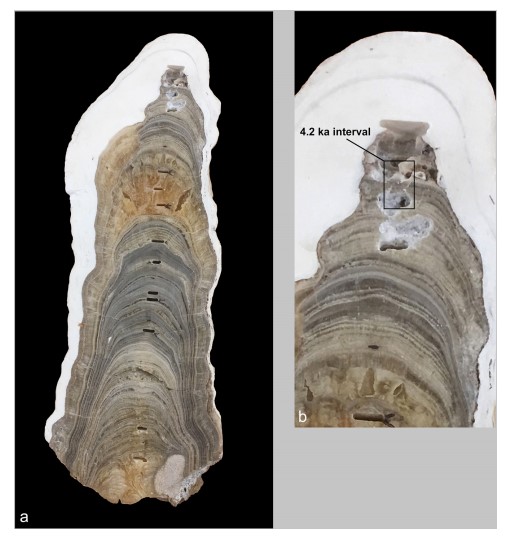
The future of paleoclimate technology also lies in drawing more heavily from other scientific and engineering disciplines. Techniques from medical imaging, such as advanced MRI or PET scans, could be adapted for non-destructive, detailed analysis of certain paleoclimate proxies. Materials science innovations might lead to better preservation techniques for delicate samples or new synthetic proxies that can simulate environmental conditions in controlled lab settings. Robotics and autonomous systems will become even more crucial for data collection in remote and hazardous environments, extending the reach of human inquiry further than ever before. This cross-pollination of technological expertise will undoubtedly unlock new frontiers in our quest to understand what paleoclimate truly is and what it reveals about our planet’s enduring climatic journey.
aViewFromTheCave is a participant in the Amazon Services LLC Associates Program, an affiliate advertising program designed to provide a means for sites to earn advertising fees by advertising and linking to Amazon.com. Amazon, the Amazon logo, AmazonSupply, and the AmazonSupply logo are trademarks of Amazon.com, Inc. or its affiliates. As an Amazon Associate we earn affiliate commissions from qualifying purchases.