
In an era defined by data, understanding the companies that harness this ubiquitous resource is paramount for investors. Palantir Technologies, a name often associated with intrigue and innovation, stands at the forefront of this data revolution. However, for many potential investors, the question isn’t just “What is Palantir?” but rather, “What is Palantir stock?” This article aims to demystify Palantir stock, providing a comprehensive guide for those looking to understand its investment potential, financial characteristics, and the broader context of its market presence within the realm of personal finance and investing.
Palantir Technologies (NYSE: PLTR) is a software company that specializes in big data analytics. Founded in 2003 by Peter Thiel, Alex Karp, and others, it has built a reputation for developing sophisticated platforms that integrate, manage, and secure vast datasets to help organizations make complex decisions. While its initial focus was on government and intelligence agencies, Palantir has significantly expanded its reach into the commercial sector. For an investor, Palantir stock represents an opportunity to own a piece of a company operating at the cutting edge of data science, AI, and national security, albeit one with a distinct business model and unique investment profile.

Understanding Palantir Technologies: The Company Behind the Stock
To truly grasp the nature of Palantir stock, one must first understand the foundation upon which it rests: the company itself. Palantir’s origins and operational philosophy are integral to its financial narrative.
A Brief History and Mission
Palantir was born out of the aftermath of 9/11, with a vision to enhance intelligence analysis and counter-terrorism efforts by enabling analysts to connect disparate pieces of information. Its flagship product for government entities, Palantir Gotham, is designed to integrate and analyze data from various sources – ranging from classified databases to open-source intelligence – to identify patterns and uncover hidden connections. This capability has made it indispensable to numerous defense, intelligence, and law enforcement agencies globally.
Beyond government, Palantir developed Palantir Foundry, a platform tailored for commercial enterprises. Foundry helps companies across diverse industries, from manufacturing and healthcare to automotive and energy, manage and extract actionable insights from their own complex data environments. Its mission is to empower organizations to operate more efficiently, make data-driven decisions, and tackle their most challenging problems through superior data integration and analytical capabilities. This dual-market approach significantly influences its revenue streams and growth trajectory, directly impacting shareholder value.
Palantir’s Unique Business Model
Palantir’s business model is often described as high-touch and bespoke, setting it apart from many traditional software-as-a-service (SaaS) companies. Instead of off-the-shelf software, Palantir typically engages in deep, multi-year partnerships with its clients, often embedding its engineers within client organizations to customize and implement its platforms. This approach results in several key financial characteristics:
- Long Sales Cycles: Acquiring new clients, particularly large government or commercial entities, can take significant time and resources, impacting quarterly revenue variability.
- Sticky Clients and High Retention: Once integrated, Palantir’s platforms become deeply embedded in a client’s operations, making them incredibly difficult and costly to switch away from. This leads to high client retention rates and predictable recurring revenue over the long term.
- Expansion Within Existing Clients: A significant portion of Palantir’s revenue growth comes from expanding its footprint and increasing usage within existing customer accounts, driving further monetization.
- Government vs. Commercial Mix: The revenue split between government and commercial contracts is a critical metric for investors. Government contracts often provide stability and large sums but can be subject to geopolitical shifts and budget constraints. Commercial contracts offer potentially faster growth and broader market diversification but may have different profitability profiles. Understanding this balance is crucial for assessing future financial performance.
The Mechanics of Palantir Stock (NYSE: PLTR)
For investors, understanding the fundamental mechanics of Palantir’s stock is essential for making informed decisions. This includes how it entered the public market and how its financial performance is evaluated.
Public Offering and Market Presence
Palantir made its public debut on September 30, 2020, through a direct listing (DPO) rather than a traditional Initial Public Offering (IPO). In a DPO, a company lists its existing shares directly on an exchange, allowing current shareholders (employees, early investors) to sell their shares without raising new capital or involving underwriters in the same way as an IPO.
The DPO had several implications for investors:
- No Lock-up Period: Unlike an IPO, a DPO typically doesn’t have a lock-up period for existing shareholders, meaning a large number of shares could become available for trading almost immediately. This can sometimes lead to increased volatility in the initial trading days or months.
- Price Discovery: The opening price is determined directly by market demand, rather than by underwriters setting a fixed price.
- Accessibility: Retail investors can often participate from day one, rather than institutional investors getting preferential allocation.
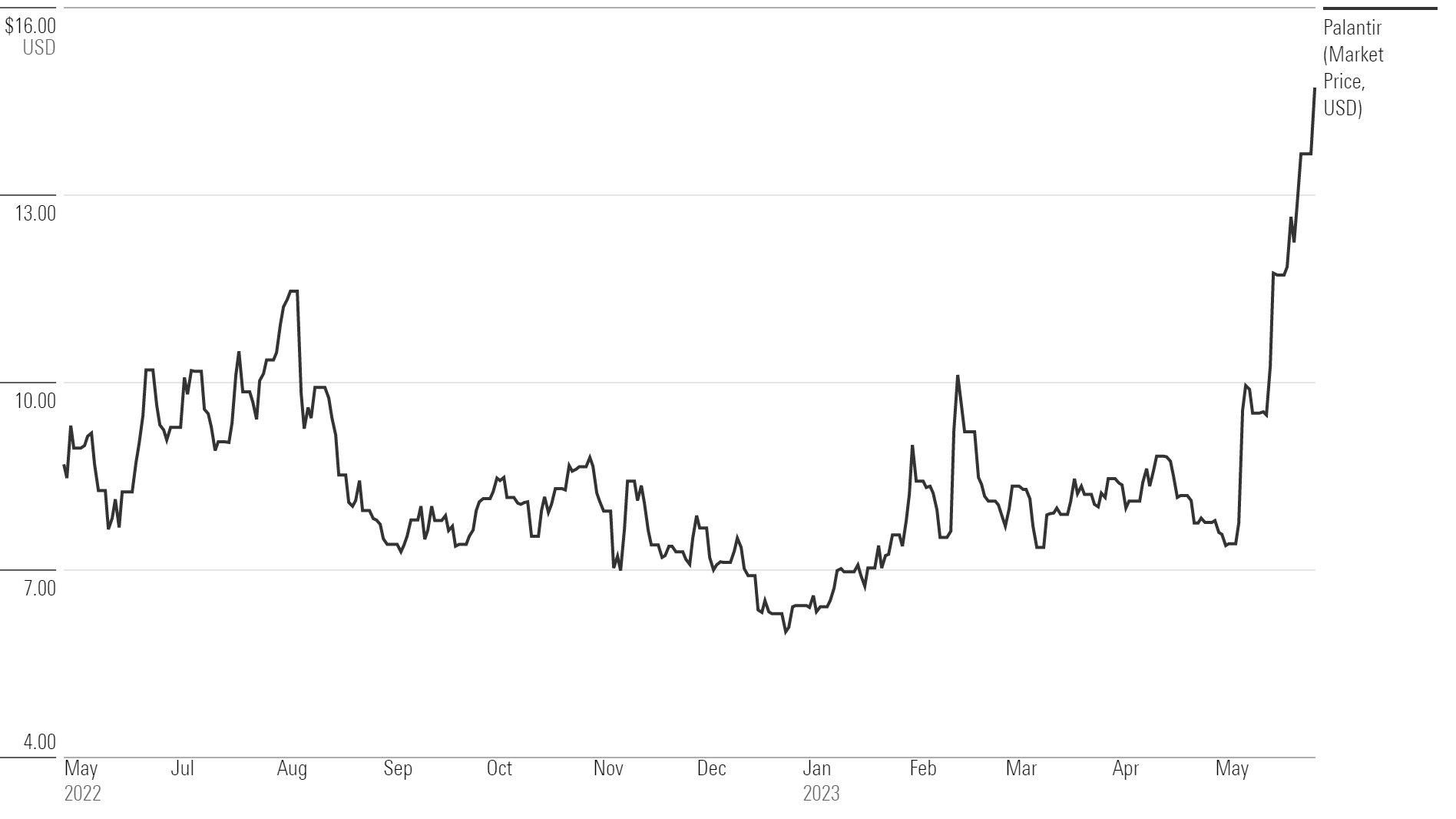
Since its listing, PLTR has been a highly watched stock, characterized by periods of significant volatility, reflecting both its growth potential and the speculative nature often associated with innovative technology companies. Its market capitalization fluctuates daily, providing insights into how the broader market values its current operations and future prospects.
Valuation Metrics and Financial Performance
Assessing Palantir stock requires a deep dive into its financial statements and key valuation metrics. Given its status as a growth company, traditional profitability metrics might tell only part of the story.
- Revenue Growth: Investors closely monitor Palantir’s revenue growth, particularly the growth rates of its government and commercial segments. Sustained high-double-digit revenue growth is often expected from companies at this stage. Annual recurring revenue (ARR) and remaining performance obligations (RPO) are also key indicators of future revenue visibility.
- Profitability: Palantir has historically operated at a loss, investing heavily in research and development (R&D) and sales and marketing. However, its path to GAAP (Generally Accepted Accounting Principles) profitability and positive free cash flow is a crucial milestone for many investors. Non-GAAP profitability metrics, which often exclude stock-based compensation, are also frequently cited by management and analysts. Investors should understand the difference and what drives each.
- Gross Margin: Palantir’s gross margin on its software products is generally high, reflecting the intellectual property and value-add of its platforms. Monitoring changes in gross margin can indicate pricing power or operational efficiency shifts.
- Stock-Based Compensation (SBC): SBC has been a significant component of Palantir’s expenses and a factor in its GAAP losses. While SBC is a non-cash expense, it dilutes existing shareholders by increasing the number of outstanding shares. Investors need to consider the impact of SBC on fully diluted earnings per share.
- Valuation Multiples: Due to its growth profile and often negative GAAP earnings, Palantir is frequently valued using price-to-sales (P/S) ratios rather than traditional price-to-earnings (P/E) ratios. Comparing its P/S multiple to those of similar high-growth software companies can provide context, though its unique business model makes direct comparisons challenging.
Investment Considerations for PLTR
Investing in Palantir stock, like any investment, comes with its own set of potential rewards and inherent risks. A balanced perspective is crucial.
Growth Drivers and Opportunities
Palantir’s long-term investment thesis hinges on several potent growth drivers:
- Commercial Expansion: The company is aggressively pursuing growth in the commercial sector, leveraging its successes in government to attract new enterprise clients. This represents a vast untapped market compared to its more established government business.
- AI/ML Integration: As artificial intelligence and machine learning become increasingly central to business operations, Palantir’s platforms, designed to integrate and make sense of complex data, are well-positioned to capitalize on this trend. Its AI-enabled products, like AI Platform (AIP), are expected to drive significant future revenue.
- International Market Penetration: Expanding into new geographies, particularly in Europe and Asia, offers substantial growth avenues.
- Product Innovation: Continuous development of new features, modules, and applications within its Gotham and Foundry platforms ensures Palantir remains competitive and relevant in a rapidly evolving technological landscape.
Risks and Challenges
Despite its potential, Palantir faces significant risks that investors must acknowledge:
- Concentration Risk: Historically, a substantial portion of Palantir’s revenue has come from a relatively small number of large government contracts. While commercial growth diversifies this, over-reliance on a few key clients remains a concern.
- Ethical Concerns and Public Perception: Palantir’s work with intelligence agencies and its data collection capabilities have raised privacy and ethical concerns among some critics. Negative public perception or regulatory scrutiny could impact its ability to secure new contracts, especially in the commercial sector.
- Competition: The data analytics and enterprise software market is highly competitive, with established tech giants and nimble startups vying for market share. Palantir must continuously innovate to maintain its edge.
- High Operating Costs: Despite growing revenues, Palantir has historically incurred significant operating expenses related to R&D and sales, impacting its path to consistent profitability. Managing these costs while sustaining growth is a balancing act.
- Government Contract Volatility: Government contracts can be subject to political changes, budget cuts, and lengthy procurement processes, leading to revenue lumpiness and unpredictability.
- Stock-Based Compensation Dilution: The significant amount of stock-based compensation Palantir issues can lead to shareholder dilution, reducing the value of existing shares if not offset by substantial business growth.
Analyst Sentiment and Market Perception
Palantir stock often generates strong opinions among both professional analysts and retail investors. Some view it as a visionary company with unparalleled technology poised for massive growth, while others express concerns about its valuation, profitability, and unique business model. Market perception can be highly volatile, influenced by quarterly earnings reports, news regarding contract wins or losses, and broader market sentiment towards growth stocks. Investors should consider a range of expert opinions but always conduct their own thorough due diligence.
How to Invest in Palantir Stock
For individuals interested in potentially adding PLTR to their investment portfolio, understanding the practical steps is key.
Brokerage Accounts and Trading
Investing in Palantir stock, like any publicly traded company, requires opening a brokerage account.
- Choosing a Brokerage: Select a reputable online brokerage firm (e.g., Fidelity, Charles Schwab, E-Trade, Robinhood, Interactive Brokers). Consider factors like fees, research tools, customer service, and ease of use.
- Funding Your Account: Deposit funds into your brokerage account via bank transfer, wire transfer, or check.
- Placing an Order: Once funded, you can search for Palantir using its ticker symbol, PLTR. You’ll then typically have options for order types:
- Market Order: Buys or sells shares immediately at the best available current market price. This is quick but the price might fluctuate.
- Limit Order: Buys or sells shares at a specific price or better. This gives you more control over the price you pay but your order might not be filled if the stock doesn’t reach your specified price.
- Understanding Fees: While many brokerages offer commission-free stock trading, be aware of potential other fees (e.g., regulatory fees, transfer fees).
Diversification and Long-Term Strategy
Investing in individual stocks like Palantir should always be considered within the context of a broader financial strategy.
- Diversification: Never put all your investment eggs in one basket. Palantir stock, being a growth company with inherent risks, should ideally be part of a diversified portfolio that includes a mix of assets across various sectors and risk profiles (e.g., other stocks, bonds, mutual funds, ETFs).
- Dollar-Cost Averaging: Consider employing a dollar-cost averaging strategy, where you invest a fixed amount of money at regular intervals (e.g., monthly). This can help mitigate the risk of buying all your shares at a market peak and averages out your purchase price over time.
- Risk Tolerance: Assess your personal risk tolerance before investing. Are you comfortable with potential significant price swings, or do you prefer more stable, less volatile investments? Palantir is generally considered a higher-risk, higher-reward investment.
- Long-Term Horizon: Many investors in growth companies like Palantir adopt a long-term investment horizon, focusing on the company’s fundamental growth trajectory rather than short-term price fluctuations.
Conclusion: Navigating the Future of Palantir Stock
Palantir Technologies represents a fascinating and often polarizing investment opportunity in the modern economy. Its unique position at the intersection of government intelligence, commercial enterprise, and cutting-edge data analytics makes it a significant player in the digital age. For investors, Palantir stock (PLTR) offers exposure to a company with a strong competitive moat, high client retention, and substantial growth potential, particularly in its commercial segment and through its AI offerings.
However, this potential comes with notable considerations: a complex business model, historical unprofitability, reliance on large contracts, and the inherent volatility of growth stocks. As with any investment, thorough due diligence, a clear understanding of your own financial goals and risk tolerance, and a commitment to continuous monitoring of the company’s performance and market conditions are paramount. While Palantir continues to evolve its strategy and financial profile, understanding “what is Palantir stock” today is the essential first step for any discerning investor looking to navigate its future in their portfolio.
aViewFromTheCave is a participant in the Amazon Services LLC Associates Program, an affiliate advertising program designed to provide a means for sites to earn advertising fees by advertising and linking to Amazon.com. Amazon, the Amazon logo, AmazonSupply, and the AmazonSupply logo are trademarks of Amazon.com, Inc. or its affiliates. As an Amazon Associate we earn affiliate commissions from qualifying purchases.