
Lewy body disease (LBD) is a progressive neurological disorder that affects thinking, mood, and movement. It’s characterized by the presence of abnormal protein deposits, known as Lewy bodies, in brain cells. These Lewy bodies, primarily composed of a protein called alpha-synuclein, disrupt normal brain function and lead to a range of debilitating symptoms. While often misunderstood and underdiagnosed, LBD is the second most common form of dementia after Alzheimer’s disease, and it shares some overlapping features with Parkinson’s disease, leading to significant diagnostic challenges.
Understanding LBD is crucial for individuals, families, and healthcare professionals alike. This article will delve into the nature of Lewy body disease, exploring its core characteristics, the diverse ways it manifests, and the ongoing efforts in research and management. While the website’s primary focus areas – Tech, Brand, and Money – might seem distant from a medical condition, we will explore how these domains intersect with the broader impact and understanding of LBD, from assistive technologies to the financial burdens faced by patients and caregivers.

Understanding the Neuropathology of Lewy Body Disease
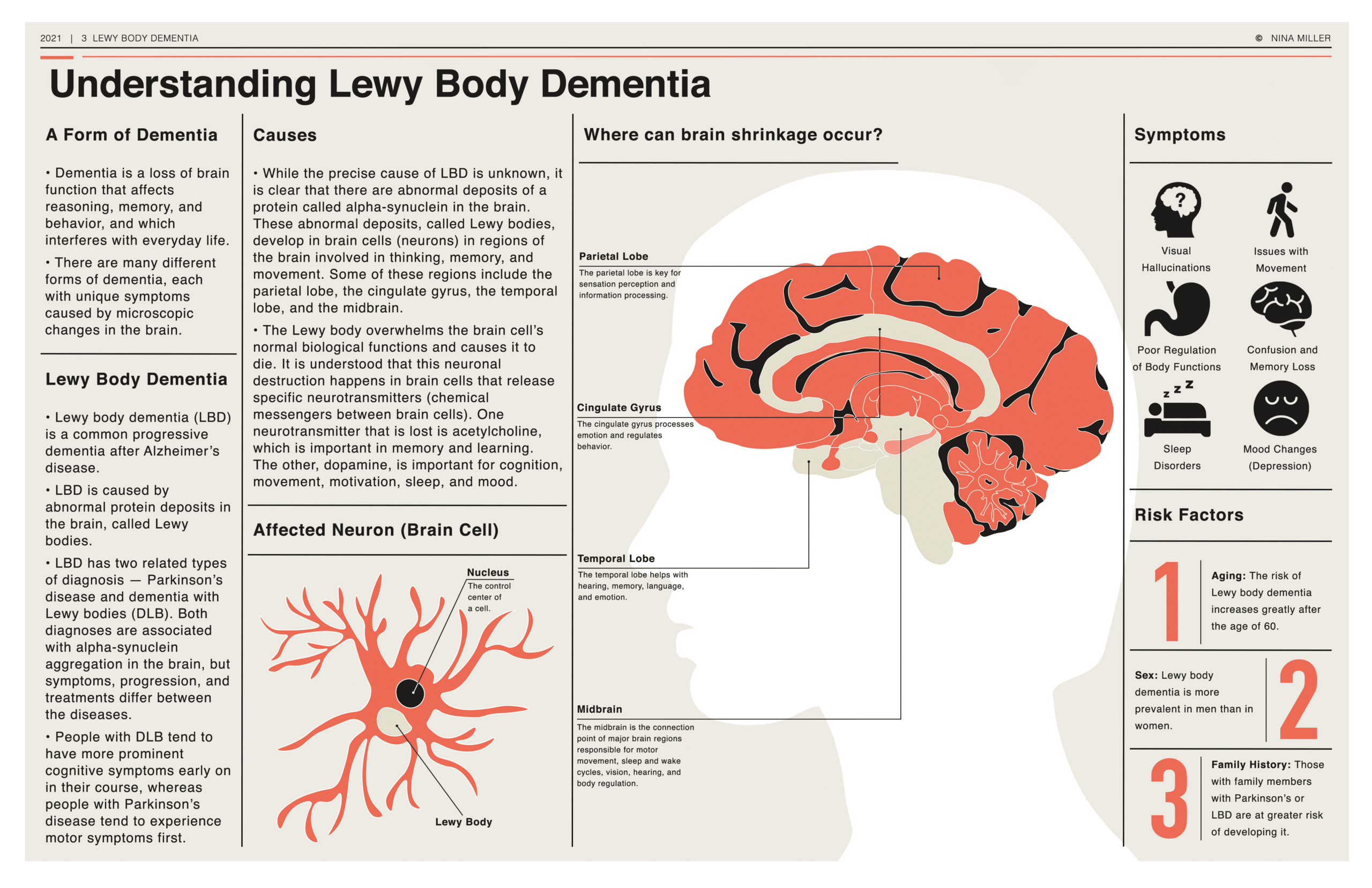
At the heart of Lewy body disease lies a fundamental disruption in the brain’s intricate circuitry. The hallmark of this condition is the aggregation of misfolded alpha-synuclein protein into abnormal clumps within neurons. These Lewy bodies are not confined to a single area of the brain; their distribution and density influence the specific symptoms that emerge.
The Role of Alpha-Synuclein and Lewy Bodies
Alpha-synuclein is a protein normally found in nerve cells, particularly at the synapses where neurons communicate with each other. In its healthy form, it plays a role in regulating neurotransmitter release. However, in LBD, this protein undergoes a process of misfolding and aggregation, forming insoluble fibrils that accumulate into Lewy bodies. The exact trigger for this misfolding is still an active area of research, but genetic factors and environmental influences are believed to play a role.
These Lewy bodies can interfere with normal neuronal function in several ways:
- Disruption of Neurotransmitter Systems: The accumulation of Lewy bodies can lead to a significant loss of certain neurotransmitter-producing neurons, most notably those that produce dopamine and acetylcholine. Dopamine is crucial for motor control, motivation, and reward, while acetylcholine is vital for learning, memory, and attention. Deficiencies in these neurotransmitters are directly linked to many of the characteristic symptoms of LBD.
- Cellular Dysfunction and Death: Beyond neurotransmitter disruption, the presence of Lewy bodies can also trigger inflammatory responses within the brain and lead to oxidative stress, ultimately damaging and killing brain cells. This progressive cell loss contributes to the worsening of cognitive and motor deficits over time.
The distribution of these Lewy bodies is key to differentiating between the two main clinical subtypes of LBD:
- Dementia with Lewy Bodies (DLB): In DLB, Lewy bodies are predominantly found in the cerebral cortex, the outer layer of the brain responsible for higher-level cognitive functions like thinking, perception, and memory. This widespread cortical involvement explains the prominence of cognitive and psychiatric symptoms in DLB.
- Parkinson’s Disease Dementia (PDD): In PDD, Lewy bodies initially form in the brainstem, a region involved in motor control. As the disease progresses, Lewy bodies spread to other brain areas, including the cortex, leading to the development of dementia. This explains why individuals with Parkinson’s disease may eventually develop dementia.
The distinction between DLB and PDD can be blurred, as individuals with DLB may develop motor symptoms similar to Parkinson’s disease, and those with PDD will eventually experience cognitive decline. This overlap underscores the complexity of LBD and the challenges in accurate diagnosis.
Navigating the Diverse Spectrum of Symptoms
One of the defining features of Lewy body disease is the wide and often fluctuating array of symptoms it can present. This variability can make LBD particularly challenging to diagnose, as individuals may exhibit a unique combination of cognitive, motor, and psychiatric manifestations. The fluctuating nature of these symptoms is a critical diagnostic clue, with periods of clarity often interspersed with episodes of confusion and severe cognitive impairment.
Cognitive Impairments: More Than Just Memory Loss
While memory loss is a common symptom of many dementias, LBD’s cognitive profile is distinct. Individuals with LBD often experience significant problems with:
- Visuospatial Skills: Difficulty with tasks that involve judging distances, navigating familiar environments, or recognizing objects and faces. This can lead to disorientation and an increased risk of falls.
- Executive Function: Impairments in planning, problem-solving, decision-making, and abstract thinking. This can make it challenging to manage daily tasks and adapt to new situations.
- Attention and Concentration: Difficulty maintaining focus and sustaining attention, leading to a “foggy” or inattentive state. This can significantly impact communication and engagement.
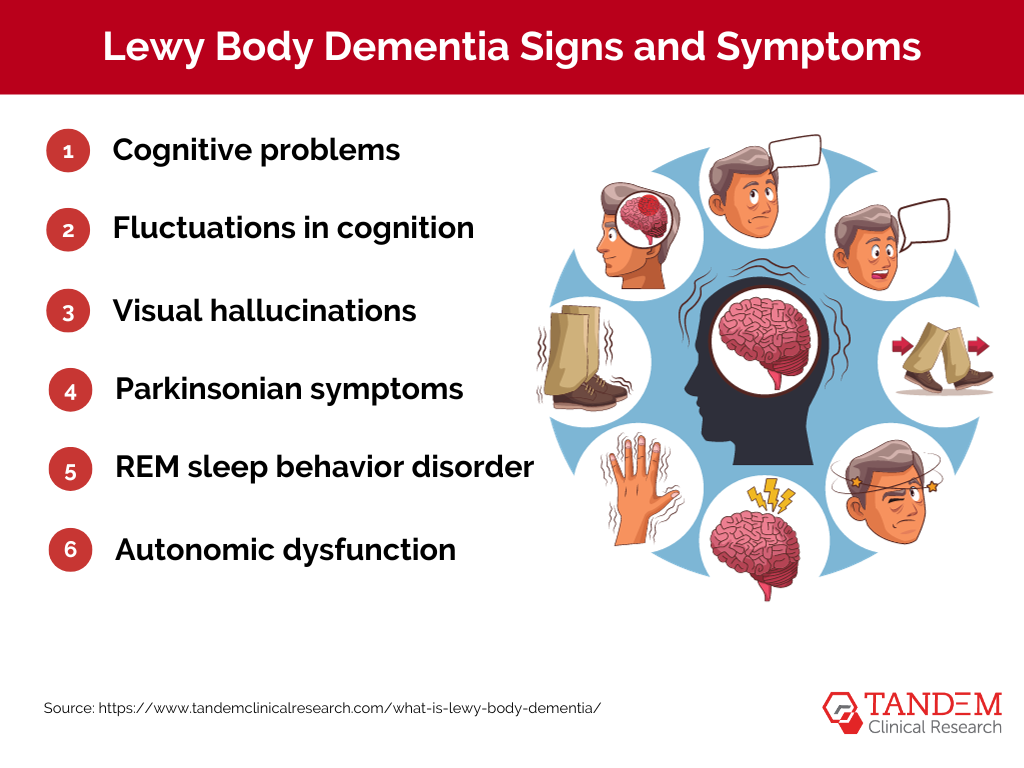
- Fluctuations in Cognition: Perhaps the most distinguishing cognitive feature is the marked variability in cognitive function. Individuals may appear lucid and communicative at one moment, only to experience profound confusion, disorientation, and even hallucinations in the next. These “good days” and “bad days” are a hallmark of LBD.
While memory loss can occur, it is often not the primary or earliest symptom, unlike in typical Alzheimer’s disease. This distinction is crucial for differential diagnosis.
Motor Symptoms: A Parkinsonian Connection
The motor symptoms of LBD are strikingly similar to those seen in Parkinson’s disease, reflecting the shared vulnerability of dopamine-producing neurons. These can include:
- Bradykinesia (Slowness of Movement): Difficulty initiating and executing movements, leading to a reduced range of motion and a general slowness.
- Rigidity: Stiffness of the limbs and trunk, which can make movement difficult and uncomfortable.
- Tremor: Shaking, often occurring at rest, though it may be less prominent than in Parkinson’s disease.
- Postural Instability: Impaired balance and coordination, leading to an increased risk of falls. This can manifest as a stooped posture or a tendency to shuffle.
The onset of motor symptoms can precede cognitive decline by months or even years, especially in the case of PDD. However, in DLB, cognitive symptoms often appear first or concurrently with motor impairments.
Visual Hallucinations and Delusions: A Distinctive Feature
Visual hallucinations are a common and often distressing symptom of LBD. These are typically well-formed and detailed, often involving people, animals, or objects that are not present. Unlike the hallucinations seen in some other psychiatric conditions, individuals with LBD may sometimes recognize that their hallucinations are not real, though this awareness can fluctuate.
Delusions, or fixed false beliefs, can also occur. These might be persecutory in nature (believing they are being harmed or conspired against) or involve misidentification of familiar people or places. These symptoms can be particularly challenging for caregivers to manage.
Autonomic Nervous System Dysfunction
The autonomic nervous system controls involuntary bodily functions, and its dysfunction is a significant aspect of LBD. This can lead to a range of issues, including:
- Orthostatic Hypotension: A sudden drop in blood pressure upon standing, causing dizziness, lightheadedness, and fainting. This significantly increases the risk of falls.
- Gastrointestinal Problems: Constipation, difficulty swallowing (dysphagia), and slowed digestion are common.
- Sleep Disturbances: Severe REM sleep behavior disorder is a hallmark symptom, where individuals physically act out their dreams, often with violent movements, shouting, or kicking. Sleep disturbances can also include excessive daytime sleepiness and insomnia.
- Temperature Regulation Issues: Difficulty maintaining body temperature.
- Urinary Incontinence: Loss of bladder control.
These autonomic symptoms can significantly impact quality of life and require careful management.
The Intersection of LBD with Technology, Brand, and Finance
While LBD is a medical condition, its multifaceted impact extends into domains seemingly unrelated, such as technology, brand perception, and financial well-being. Understanding these connections offers a broader perspective on the challenges faced by individuals with LBD and their support networks.
Harnessing Technology for Enhanced Living and Support
The realm of Tech offers a growing array of solutions that can significantly improve the lives of individuals with LBD and their caregivers. As cognitive and motor functions decline, assistive technologies can play a vital role in maintaining independence and safety.
- Smart Home Devices: Voice-activated assistants (e.g., Alexa, Google Assistant) can help with daily tasks like setting reminders for medication, controlling lights, or making calls. Smart sensors can detect falls or unusual activity, alerting caregivers to potential emergencies.
- Communication Aids: For individuals experiencing speech difficulties, specialized apps and devices can facilitate communication through text-to-speech or symbol-based systems.
- Navigation and Safety Apps: GPS tracking devices can provide peace of mind for caregivers concerned about wandering. Visuospatial difficulties can be mitigated by simplified navigation interfaces on smartphones or dedicated devices.
- Wearable Technology: Smartwatches can monitor vital signs, detect falls, and provide reminders for medication or hydration.
- AI-Powered Tools for Diagnosis and Monitoring: While still in early stages, artificial intelligence is being explored for its potential to analyze speech patterns, gait, or even eye movements to aid in early and more accurate diagnosis of LBD, and to track disease progression. This could revolutionize how LBD is identified and managed.
- Virtual Reality (VR) and Augmented Reality (AR): VR can be used for cognitive rehabilitation, providing engaging exercises that stimulate memory and problem-solving. AR can offer real-time visual cues and prompts for daily tasks, helping with orientation and task completion.
The development and accessibility of these Tech solutions are crucial for empowering individuals with LBD to live more fulfilling lives and for providing support to their caregivers.
The “Brand” of LBD: Perception, Awareness, and Advocacy
In the context of Brand, we can consider how Lewy body disease is perceived, the awareness surrounding it, and the efforts made by advocacy groups to build a strong “brand” for understanding and support.
- Raising Awareness: The “brand” of LBD needs to be built on clear, accessible information. Misconceptions and underdiagnosis are significant challenges. Advocacy organizations work to create a distinct and recognizable identity for LBD, differentiating it from other neurological disorders and educating the public.
- Personal Branding for Patients and Caregivers: For individuals living with LBD, their personal “brand” shifts as the disease progresses. This can be a difficult transition, and support systems aim to help them maintain their sense of identity and dignity. For caregivers, their role becomes a significant part of their personal narrative, and they often develop strong advocacy skills.
- Corporate Social Responsibility and Sponsorship: Companies in the Tech, Brand, and Money sectors can contribute through corporate social responsibility initiatives, sponsoring research, or developing products and services that cater to the needs of the LBD community. This builds a positive brand association for the company while supporting a vital cause.
- Case Studies and Success Stories: Sharing the experiences of individuals living with LBD, even within the context of managing their condition with technology or financial planning, can serve as powerful case studies, fostering empathy and understanding.
The collective effort to shape the “brand” of LBD is about fostering knowledge, reducing stigma, and championing the needs of those affected.
Financial Realities and Management of LBD
The economic impact of Lewy body disease is substantial, affecting individuals, families, and healthcare systems. Navigating the Money aspects of LBD requires careful planning and support.
- Healthcare Costs: LBD often necessitates extensive medical care, including specialist consultations, diagnostic tests, medications, and therapies. The cost of managing symptoms, particularly those related to motor impairment, hallucinations, and autonomic dysfunction, can be significant.
- Caregiving Costs and Lost Income: Many individuals with LBD require round-the-clock care, leading to substantial expenses for professional caregivers or significant loss of income for family members who become full-time caregivers. This can create a dual financial burden on households.
- Financial Planning and Legal Matters: As cognitive function declines, proactive financial planning becomes essential. This includes establishing power of attorney, creating advance healthcare directives, and ensuring that financial affairs are in order.
- Insurance and Government Support: Understanding and accessing available insurance benefits and government support programs (e.g., disability benefits, home care assistance) is crucial for managing the financial strain.
- Investment in Research and Development: The Money sector can contribute through investments in pharmaceutical companies and research institutions dedicated to finding treatments and cures for LBD. This includes venture capital for biotech startups developing novel therapies.
- Side Hustles and Online Income for Caregivers: In some cases, while not a direct solution, exploring flexible online income opportunities or “side hustles” might offer a means for caregivers to supplement household income without compromising their caregiving duties.
The financial challenges associated with LBD are profound and require a multi-pronged approach involving personal financial management, robust healthcare policies, and ongoing investment in medical innovation.
The Path Forward: Research, Diagnosis, and Hope
Lewy body disease remains a complex and challenging condition, but significant strides are being made in understanding its mechanisms, improving diagnostic accuracy, and developing effective management strategies. The collaborative efforts of researchers, clinicians, patients, and advocacy groups are crucial in this ongoing journey.
Advancements in Diagnosis and Treatment
- Biomarkers: The search for reliable biomarkers – measurable indicators of disease – is a key area of research. These could include specific proteins in cerebrospinal fluid or blood, or characteristic patterns in brain imaging (e.g., DaTscans for dopamine transporter imaging). Accurate biomarkers would greatly assist in early and definitive diagnosis, allowing for timely intervention.
- Neuropathological Research: Continued investigation into the precise mechanisms of alpha-synuclein misfolding and aggregation is vital for identifying potential therapeutic targets. Understanding how Lewy bodies disrupt neuronal function at a molecular level is essential for developing drugs that can halt or reverse disease progression.
- Pharmacological Interventions: While there is no cure for LBD, treatments focus on managing specific symptoms. Medications for Parkinsonian motor symptoms, as well as those to address cognitive decline and psychiatric disturbances, are employed. However, careful management is required, as some medications can exacerbate certain LBD symptoms (e.g., antipsychotics can worsen hallucinations).
- Non-Pharmacological Therapies: A multidisciplinary approach incorporating physical therapy, occupational therapy, speech therapy, and psychological support is fundamental. These therapies aim to maintain function, improve quality of life, and provide coping strategies for individuals and their families.
The Importance of Early and Accurate Diagnosis
The fluctuating nature of LBD and its overlap with other neurodegenerative diseases often lead to diagnostic delays. Early and accurate diagnosis is paramount for several reasons:
- Tailored Treatment: It allows for the implementation of a personalized treatment plan that addresses the specific combination of symptoms and avoids potentially harmful medications.
- Proactive Planning: It enables individuals and families to proactively plan for future care needs, financial matters, and legal arrangements.
- Support and Resources: Early diagnosis provides access to specialized support groups, educational resources, and a community of individuals facing similar challenges.
Empowering Patients and Caregivers
Ultimately, the fight against Lewy body disease is about empowering those affected. This involves:
- Education and Information: Providing clear, comprehensive, and accessible information about LBD to patients, families, and the wider community.
- Support Networks: Fostering strong support systems through patient organizations, caregiver groups, and online forums where individuals can share experiences, find advice, and receive emotional encouragement.
- Advocacy: Championing the needs of the LBD community to policymakers, healthcare providers, and researchers to ensure adequate funding for research, improved access to care, and greater societal understanding.
Lewy body disease presents a formidable challenge, but through continued research, enhanced diagnostic capabilities, innovative technological solutions, and a collective commitment to support and understanding, there is hope for a brighter future for individuals living with this complex neurological condition.
aViewFromTheCave is a participant in the Amazon Services LLC Associates Program, an affiliate advertising program designed to provide a means for sites to earn advertising fees by advertising and linking to Amazon.com. Amazon, the Amazon logo, AmazonSupply, and the AmazonSupply logo are trademarks of Amazon.com, Inc. or its affiliates. As an Amazon Associate we earn affiliate commissions from qualifying purchases.