
When analyzing the landscape of global non-profit organizations, few entities command as much immediate recognition—and evoke as much visceral reaction—as PETA (People for the Ethical Treatment of Animals). From a branding perspective, PETA is not merely an advocacy group; it is a masterclass in disruptive marketing, emotional branding, and high-stakes corporate identity management. Established in 1980, the organization has transcended its status as a grassroots movement to become a global brand that utilizes the same psychological and strategic tools as the world’s most successful commercial enterprises.

To understand what PETA is in the context of modern brand strategy, one must look beyond the slogans and examine the underlying mechanics of how a non-profit maintains relevance in an increasingly crowded attention economy. PETA’s brand is built on a foundation of uncompromising values, controversial visibility, and a sophisticated understanding of media dynamics.
The DNA of a Disruptive Brand: Understanding PETA’s Identity
PETA’s brand identity is characterized by its singularity of purpose. While many non-profits attempt to appeal to the broadest possible audience through moderate messaging, PETA has opted for a “polarization strategy.” In branding, being liked by everyone often means being noticed by no one. PETA rejects this, choosing instead to be unforgettable.
Defining the Mission Statement as a Brand Pillar
Every strong brand requires a core promise. PETA’s brand pillar is the fundamental belief that animals are not ours to experiment on, eat, wear, use for entertainment, or abuse in any other way. This four-pronged mission statement provides a rigid framework for all their marketing and communication efforts. By maintaining this absolute stance, they create a “moral brand” that attracts intensely loyal followers while simultaneously providing a clear antagonist for their detractors. This binary—us versus them—is a powerful tool in community building and brand loyalty.
Visual Consistency and Recognition
From a design standpoint, PETA’s visual identity is remarkably consistent. The minimalist blue and white logo, often paired with high-contrast photography, is designed for high impact. Whether it is a billboard, a social media graphic, or a protest sign, the PETA brand is instantly identifiable. This consistency ensures that even when their tactics vary, the source of the message is never in doubt. For a brand, this level of “top-of-mind” awareness is the ultimate goal of any visual identity strategy.
The Strategy of “Shock and Awe”: Marketing through Controversy
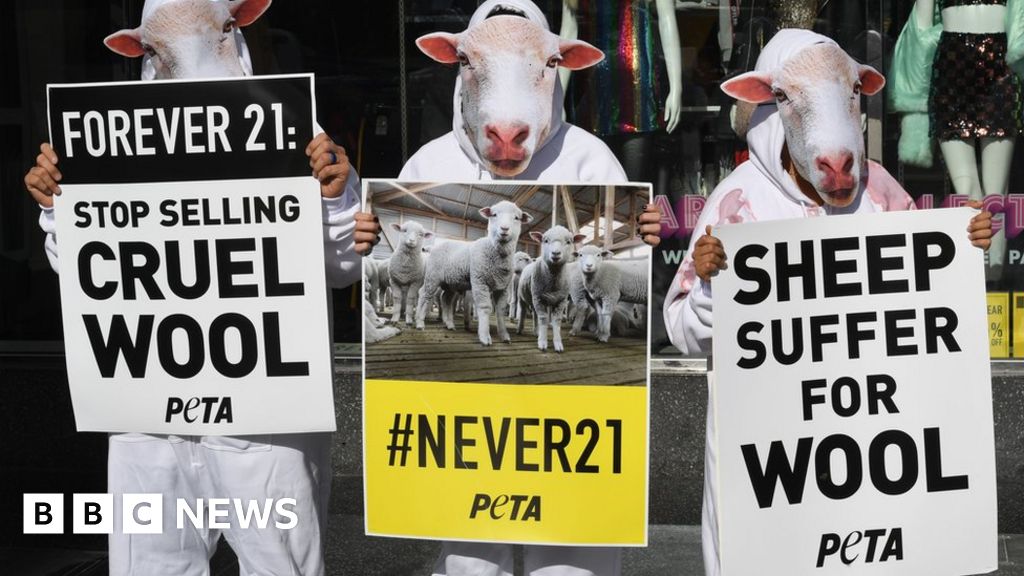
One of the most distinctive aspects of PETA’s brand strategy is its use of “shock marketing.” While traditional corporate branding often seeks to avoid controversy to protect shareholder value, PETA uses controversy as its primary currency. In an age of information overload, PETA understands that attention is the most valuable commodity.
Why Negative Publicity Can Be Positive Branding
In the world of mission-driven branding, the adage “there is no such thing as bad publicity” holds a unique weight. PETA frequently employs provocative imagery—ranging from graphic depictions of animal cruelty to high-concept, sexually charged advertisements—to bypass the noise of the mainstream media. These campaigns are designed to be “earned media” magnets. By creating content that is guaranteed to be debated on news cycles and social media, PETA achieves millions of dollars in brand exposure without the traditional advertising spend that a for-profit corporation would require.
Emotional Triggers and Audience Engagement
PETA’s marketing is rarely intellectual; it is almost always visceral. By tapping into primary emotions like anger, empathy, and shock, they bypass the logical filters of their audience. This is a deliberate branding choice. Successful brands don’t just sell products or ideas; they sell feelings. PETA’s ability to provoke a physical or emotional reaction ensures that their brand is experienced, not just observed. This engagement model transforms passive observers into either passionate advocates or vocal critics, both of whom contribute to the brand’s visibility and reach.
Celebrity Endorsements: The “I’d Rather Go Naked” Effect
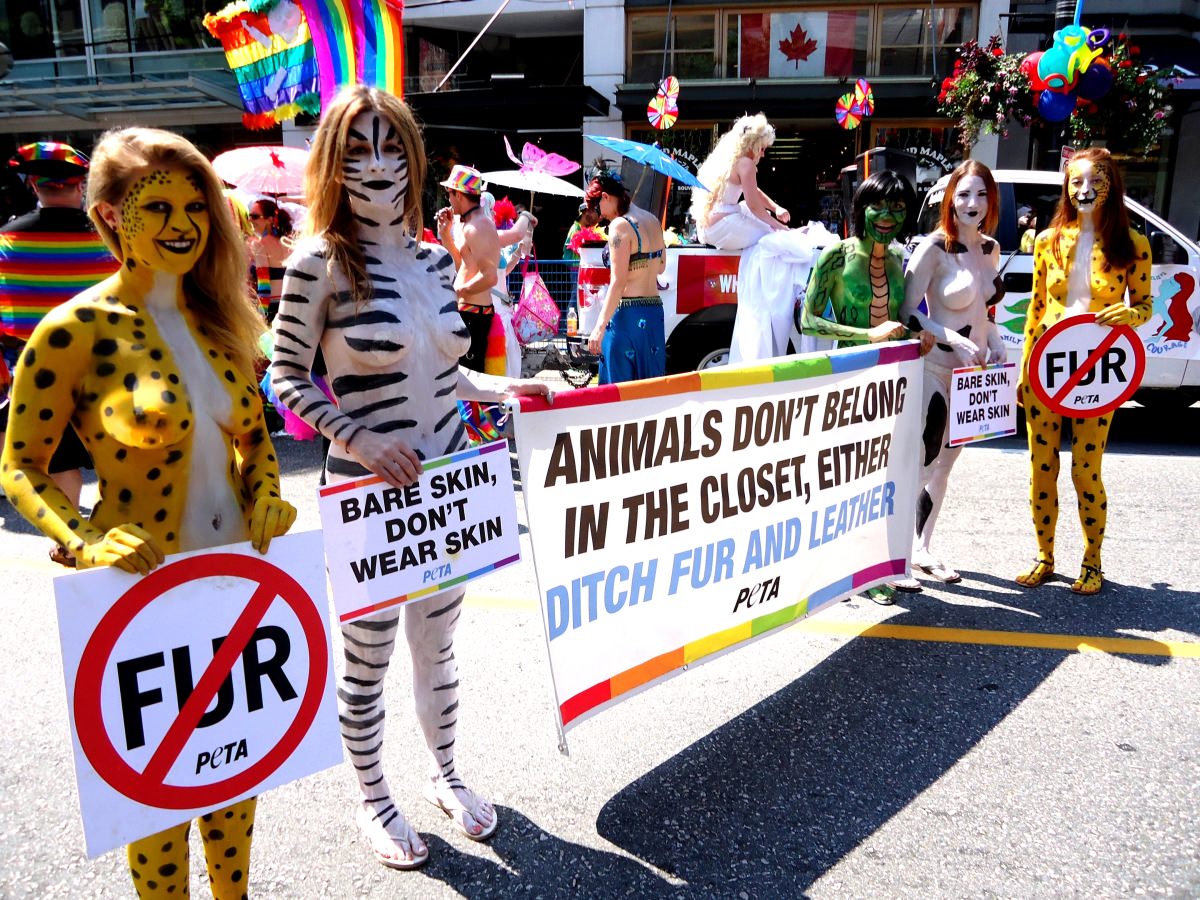
A cornerstone of PETA’s brand strategy is its sophisticated use of celebrity equity. Long before “influencer marketing” became a standard industry term, PETA was leveraging the power of fame to humanize its cause and broaden its demographic appeal.
Strategic Partnerships and Cultural Relevance
By aligning with A-list actors, musicians, and athletes, PETA effectively “borrows” the cultural capital of these individuals. When a famous figure appears in a PETA campaign, it signals to their fanbase that animal rights is a fashionable, modern, and high-status concern. The iconic “I’d Rather Go Naked Than Wear Fur” campaign is perhaps the most successful example of this. It merged the worlds of high fashion, celebrity culture, and ethical advocacy, successfully shifting the public perception of fur from a symbol of luxury to a symbol of cruelty.
Humanizing the Cause through Influencer Advocacy
Celebrities act as a bridge between the radical elements of PETA’s messaging and the mainstream public. While PETA’s direct actions might be polarizing, a testimonial from a beloved public figure provides a layer of social proof. This strategy allows the brand to maintain its disruptive edge while simultaneously penetrating mainstream culture. It is a dual-track branding approach: the organization handles the “hard” advocacy, while its celebrity partners handle the “soft” cultural persuasion.
Digital Evolution: PETA’s Omni-Channel Brand Presence
As the media landscape shifted from traditional television and print to digital and social platforms, PETA’s brand proved to be remarkably agile. Their digital strategy is a textbook example of how to adapt a legacy brand for a younger, tech-savvy audience.
Social Media as a Tool for Viral Activism
PETA’s social media presence is optimized for shareability. They utilize short-form video, memes, and real-time commentary to stay at the center of trending conversations. Their strategy involves a high frequency of posts that are designed to trigger the algorithms of platforms like X (formerly Twitter), Instagram, and TikTok. By responding quickly to pop culture moments—such as a film release or a viral news story—PETA ensures its brand remains relevant to current events, a tactic known in marketing as “newsjacking.”
Gamification and Interactive Content
Beyond social media, PETA has experimented with gamification to engage younger demographics. They have created parody video games and interactive websites that allow users to engage with their message in a participatory way. This move from passive consumption to active participation is a key trend in modern branding. It builds a deeper connection between the user and the brand, making the message more memorable and increasing the likelihood of conversion (in this case, signing a petition or making a donation).
Branding Lessons for Modern Corporations and Non-Profits
The PETA brand offers several critical insights for marketers, strategists, and business leaders. Regardless of one’s personal stance on their methods, the efficacy of their brand building is undeniable.
First, PETA demonstrates the power of Uncompromising Positioning. In a market where many brands are afraid to take a stand, PETA’s absolute commitment to its mission makes it stand out. Modern consumers, particularly Gen Z and Millennials, are increasingly looking for brands with “purpose.” PETA is the personification of purpose-driven branding.
Second, they showcase the importance of Agility and Relevance. PETA’s ability to pivot its messaging to align with current cultural trends keeps the brand from feeling dated. They understand that a brand is a living entity that must evolve with its audience.
Third, PETA highlights the effectiveness of Resourceful Visibility. By prioritizing earned media over paid media, they have built a global footprint on a fraction of the budget used by major consumer brands. This “guerrilla” approach to branding is essential for any organization—non-profit or otherwise—looking to disrupt an established industry.
In conclusion, what is PETA? From a strategic standpoint, PETA is one of the most successful examples of a “Challenger Brand” in history. It has redefined how non-profits communicate, how they engage with celebrity culture, and how they navigate the complexities of the digital age. By embracing controversy, maintaining visual and ideological consistency, and relentlessly pursuing media attention, PETA has ensured that its brand is not just a name, but a powerful, global force that demands a reaction. For any brand looking to make a lasting impact in the 21st century, PETA’s playbook offers a compelling, albeit provocative, roadmap for success.
aViewFromTheCave is a participant in the Amazon Services LLC Associates Program, an affiliate advertising program designed to provide a means for sites to earn advertising fees by advertising and linking to Amazon.com. Amazon, the Amazon logo, AmazonSupply, and the AmazonSupply logo are trademarks of Amazon.com, Inc. or its affiliates. As an Amazon Associate we earn affiliate commissions from qualifying purchases.