
Coinbase has established itself as the primary gateway for millions of individuals looking to enter the world of digital assets. Since its inception in 2012, the platform has evolved from a simple Bitcoin wallet into a comprehensive financial ecosystem. As one of the most recognized brands in the cryptocurrency space, Coinbase serves as a bridge between traditional fiat currency and the decentralized blockchain economy. Understanding its functionality, security protocols, and role in the broader financial landscape is essential for anyone considering an entry into digital asset investing.
The Evolution of a Financial Giant
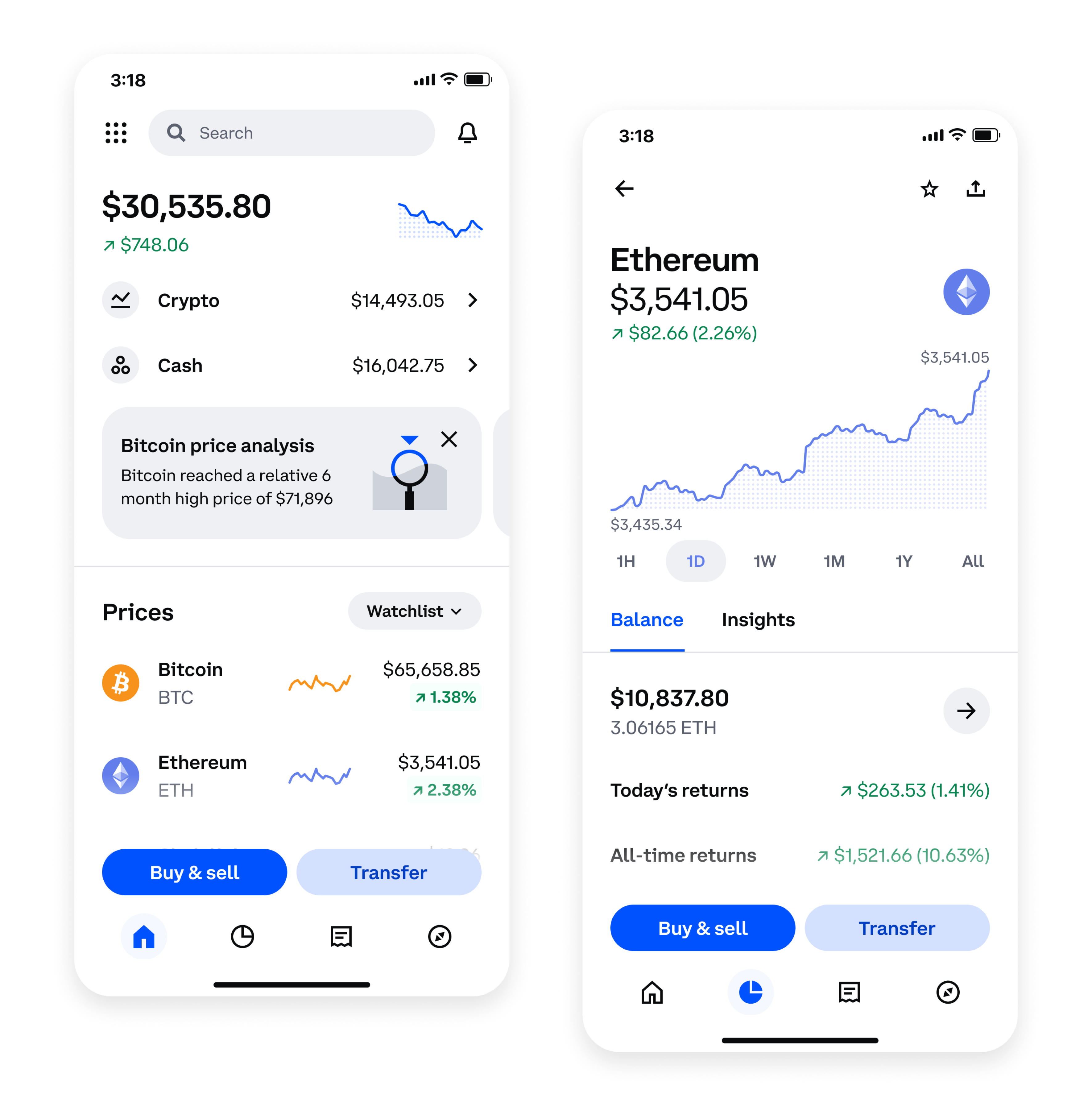
When Brian Armstrong and Fred Ehrsam founded Coinbase, their mission was ambitious yet straightforward: to make it easy for anyone, anywhere, to send and receive Bitcoin. At the time, the process of acquiring cryptocurrency was fraught with technical complexity, involving obscure forums and cumbersome manual transfers. Coinbase revolutionized this by introducing a user-friendly interface that mirrored the simplicity of online banking.
From Wallet to Global Exchange
Initially, the company functioned primarily as a broker, allowing users to buy Bitcoin using a bank account. Over the last decade, the platform expanded its architecture to include a sophisticated exchange, a professional trading interface (formerly GDAX, now Coinbase Advanced), and a non-custodial wallet service. This diversification allowed the company to move beyond being a mere “on-ramp” and become a central hub for liquidity in the digital asset market.
Trust and Institutional Adoption
A defining characteristic of Coinbase’s trajectory is its commitment to regulatory compliance. By actively seeking licenses and engaging with government regulators in the United States and abroad, the platform built a reputation for legitimacy. This focus on “playing by the rules” played a critical role in attracting institutional investors, hedge funds, and publicly traded companies, cementing its status as a pillar of the professional crypto economy.
Core Features and User Experience
Coinbase differentiates itself through a tiered approach to its services. By providing distinct interfaces for different levels of expertise, it successfully caters to both the “buy-and-hold” retail investor and the high-frequency professional trader.
The Retail Experience
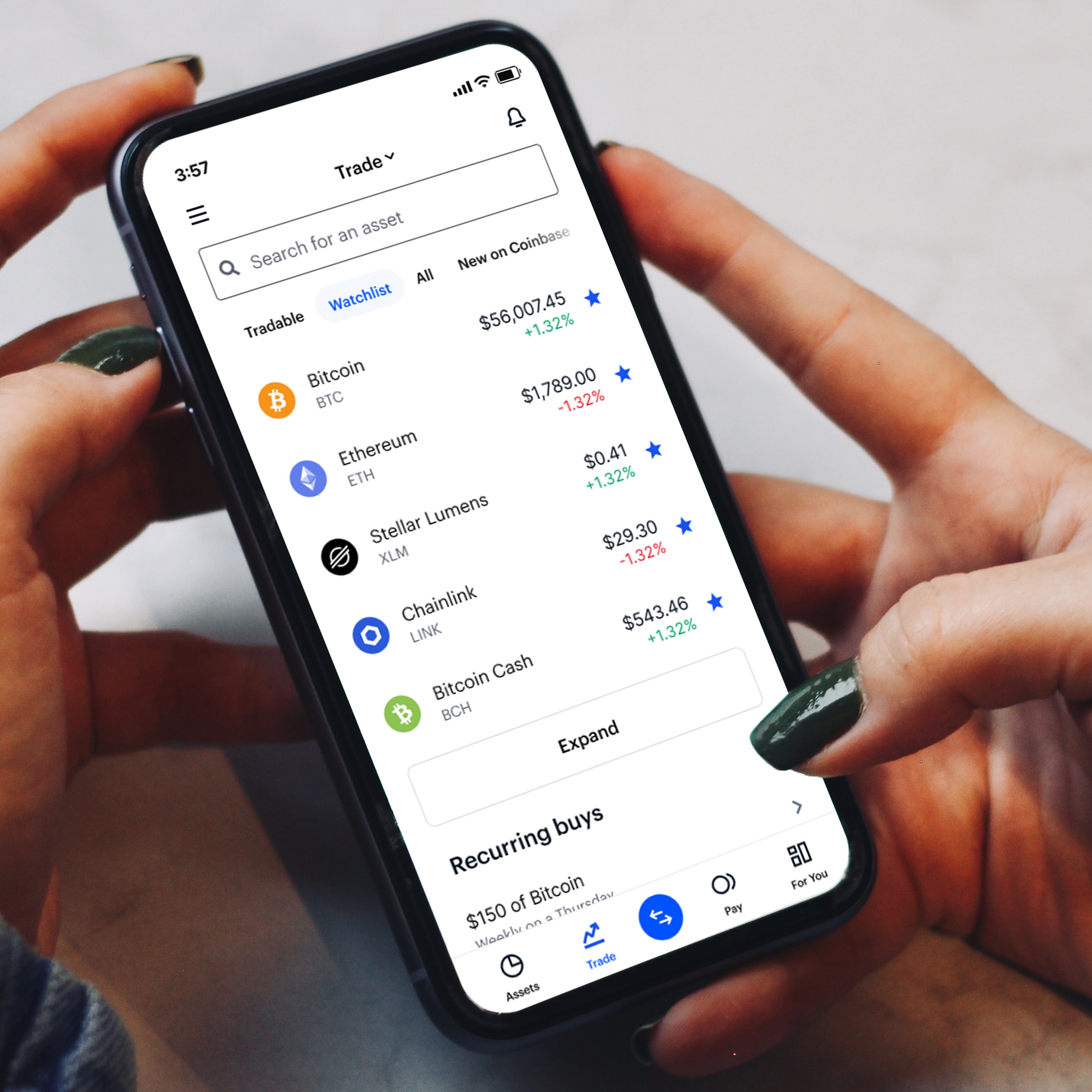
For the average user, the Coinbase mobile app and web dashboard are designed for simplicity. The process of buying or selling is reduced to a few clicks, similar to making an online purchase. Users can connect their bank accounts, credit cards, or debit cards to execute trades instantly. Beyond trading, the platform provides educational modules, where users can earn small amounts of cryptocurrency by completing lessons—a feature that has done much to lower the barriers to entry for newcomers.
Coinbase Advanced and Pro Tools
For users who require more technical depth, Coinbase Advanced provides order books, real-time market data, and advanced order types such as limit and stop-loss orders. These tools allow for more sophisticated trading strategies, enabling users to manage risk and entry points with greater precision than the standard “buy” interface allows.
Staking and Yield Generation
In recent years, the platform has integrated “staking” services. This allows users to participate in the security and governance of Proof-of-Stake (PoS) blockchains like Ethereum or Solana. By delegating their assets through Coinbase, users receive rewards—essentially a form of interest or yield—directly to their accounts. This transforms cryptocurrency from a purely speculative asset into one that can generate passive income, mirroring the appeal of dividend-paying stocks.
Security and Custodial Responsibility
The most significant concern for any newcomer to the cryptocurrency space is the risk of theft or loss of funds. Coinbase has invested heavily in security architecture, positioning itself as a “custodian” that holds assets on behalf of its customers.
Cold Storage and Multi-Signature Technology
The vast majority of digital assets held on the platform are stored in “cold storage.” This means they are kept offline, disconnected from the internet, making them immune to the remote hacking attempts that plague many online-only platforms. Furthermore, the company employs multi-signature technology, which requires several independent keys to authorize a transaction, ensuring that no single point of failure can lead to the loss of client funds.
Regulatory Compliance and Insurance
Coinbase operates as a regulated Money Service Business (MSB) in the United States and holds numerous licenses across different states and jurisdictions. This regulatory rigor provides a layer of protection that many offshore exchanges lack. While cryptocurrencies themselves are not FDIC-insured, the USD cash balances held in the platform’s accounts are generally covered by FDIC insurance up to the applicable limits, providing a safety net for fiat holdings sitting on the exchange.
The Broader Ecosystem: Beyond Trading
Coinbase is not merely a trading venue; it is increasingly becoming a technological infrastructure provider. Its expansion into Web3 and decentralized finance (DeFi) signifies a shift toward becoming a comprehensive digital layer for the internet.
The Coinbase Wallet
Unlike the main Coinbase app, which is a “custodial” wallet—meaning the company controls the private keys—the Coinbase Wallet is a “non-custodial” application. This puts the user in complete control of their digital assets. It serves as a gateway to the broader Web3 ecosystem, allowing users to interact with decentralized applications (dApps), mint non-fungible tokens (NFTs), and participate in DeFi protocols directly from their own devices.
Base: The Layer-2 Solution
More recently, the company introduced “Base,” a Layer-2 blockchain built on top of Ethereum. By facilitating faster and cheaper transactions, Base aims to scale the Ethereum network, making it feasible for developers to build high-volume decentralized applications. This represents a strategic pivot: Coinbase is no longer just selling digital assets; it is building the very blockchain highways upon which the future of the internet may run.
Learning and Research
Through its comprehensive “Learn” section and detailed market reports, the platform acts as an information clearinghouse. In an industry notoriously prone to hype and misinformation, this focus on research-backed content helps investors make informed decisions. Whether it is explaining the technical differences between Layer-1 blockchains or analyzing macro-economic trends in the crypto market, the platform fosters a culture of informed participation.

The Future of Digital Asset Ownership
Coinbase remains a barometer for the health of the entire cryptocurrency industry. As the line between traditional finance and decentralized finance continues to blur, the platform’s role as a trusted intermediary becomes increasingly vital.
For the individual investor, the platform offers a path of least resistance. It eliminates the technical headaches of managing private keys and cold-storage devices while providing a robust suite of tools for those looking to expand their trading knowledge. However, as with any financial platform, users must balance the convenience of a centralized provider against the philosophy of “self-custody”—the idea that true ownership of cryptocurrency means holding one’s own keys.
Ultimately, whether you are utilizing Coinbase to make your first Bitcoin purchase, staking assets to earn yield, or exploring the frontiers of decentralized finance, the platform serves as a foundational layer. It has successfully translated the abstract, often intimidating world of blockchain technology into a language of finance that is accessible to the masses. As global regulations mature and digital assets become more deeply integrated into the world’s financial fabric, the platform’s trajectory will likely reflect the broader adoption of a digital-first economy. Choosing to engage with Coinbase is not just choosing an exchange; it is choosing an entry point into the next iteration of global financial infrastructure.
aViewFromTheCave is a participant in the Amazon Services LLC Associates Program, an affiliate advertising program designed to provide a means for sites to earn advertising fees by advertising and linking to Amazon.com. Amazon, the Amazon logo, AmazonSupply, and the AmazonSupply logo are trademarks of Amazon.com, Inc. or its affiliates. As an Amazon Associate we earn affiliate commissions from qualifying purchases.