
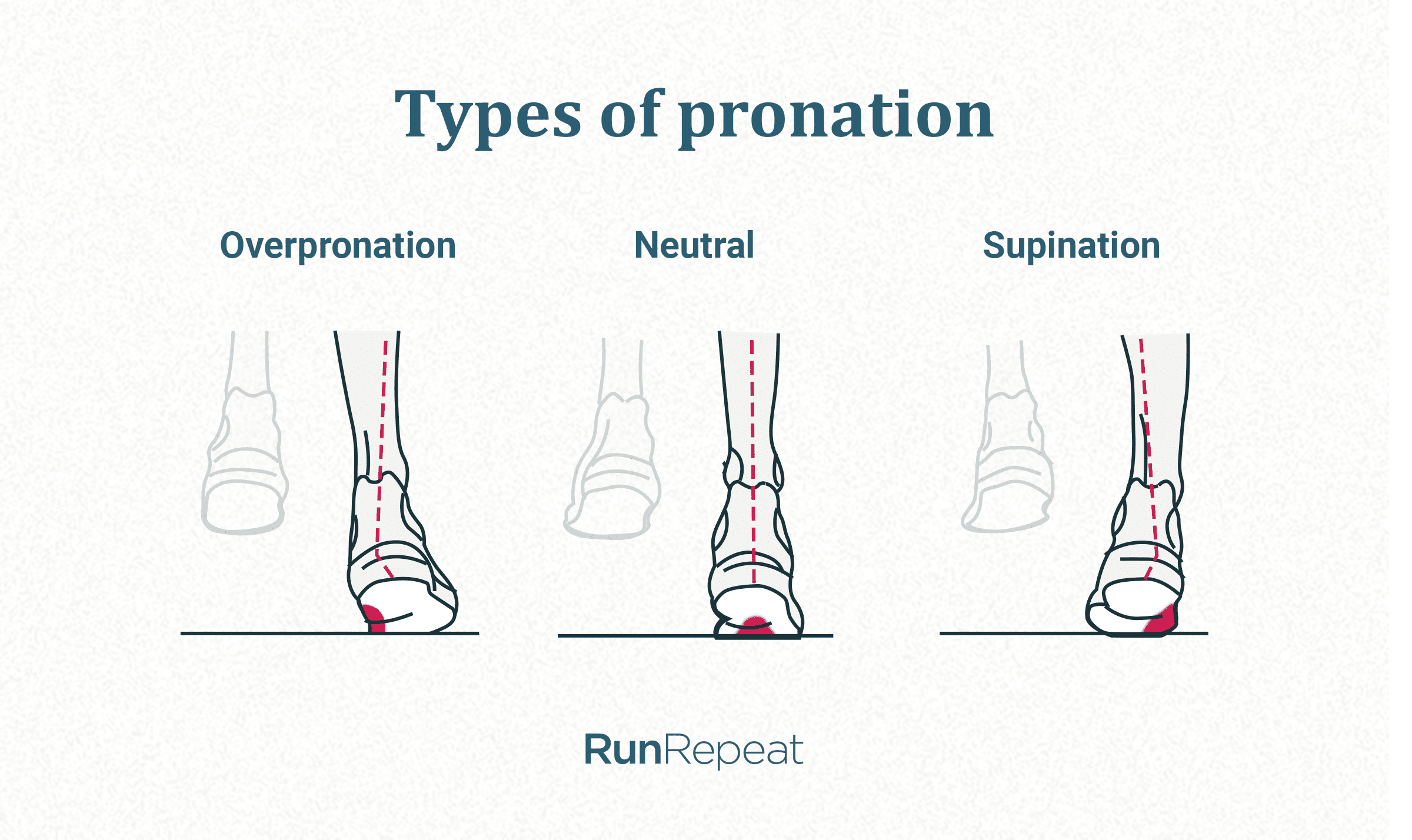
Overpronation is a term often heard in the context of running, athletic performance, and general foot health, yet its precise meaning and implications can remain elusive. Simply put, overpronation refers to the excessive inward rolling of the foot during movement, particularly during the impact and push-off phases of walking or running. While a natural degree of pronation is essential for shock absorption and adapting to uneven surfaces, overpronation can lead to a cascade of biomechanical issues, contributing to discomfort, pain, and even injuries further up the kinetic chain, from the shins to the knees, hips, and lower back. In an increasingly data-driven world, understanding and managing overpronation is no longer solely the domain of podiatrists and physiotherapists employing traditional observational methods. Instead, a revolution in technology—from smart wearables and sophisticated gait analysis software to AI-powered diagnostics—is transforming how we identify, analyze, and correct this common foot mechanic. This article delves into what overpronation is, and more importantly, how cutting-edge technology is empowering individuals and professionals alike to achieve optimal foot health and performance.

The Biomechanics of Overpronation: A Primer for Tech-Savvy Individuals
Before exploring the technological solutions, it’s crucial to grasp the fundamental mechanics of overpronation. While the term itself sounds complex, the underlying concept is quite straightforward once understood, laying the groundwork for appreciating how technology intervenes.
Defining Overpronation
Pronation is a natural and necessary movement of the foot. It’s the body’s primary shock-absorbing mechanism, involving a combination of eversion (the outward turning of the sole), abduction (the movement of the foot away from the body’s midline), and dorsiflexion (the upward flexing of the foot). When the foot strikes the ground, it naturally rolls inward to distribute impact forces. Overpronation occurs when this inward roll is excessive or prolonged, meaning the foot continues to roll inward beyond the point required for efficient shock absorption, often causing the arch to flatten excessively. This can lead to instability and inefficient force transfer, as the foot struggles to return to a rigid lever for effective push-off.
Why It Matters: The Tech-Enabled Consequence
For the average person, mild overpronation might go unnoticed. However, for athletes, particularly runners, or individuals with a predisposition due to foot structure, the consequences can be significant. The prolonged inward roll places undue stress on various structures, leading to common ailments such as plantar fasciitis (heel pain), shin splints, Achilles tendonitis, patellofemoral pain syndrome (runner’s knee), and even issues in the hips and lower back due to rotational imbalances. Beyond injury prevention, overpronation can also impact athletic performance by reducing efficiency and increasing energy expenditure. Historically, identifying overpronation relied on observational gait analysis by trained professionals. However, this method is subjective and often limited by the human eye’s ability to discern rapid, subtle movements. This limitation is precisely where technology steps in, offering objective, quantifiable, and reproducible data that elevates the understanding and management of foot mechanics to an unprecedented level. The shift from qualitative observation to quantitative data analysis is a hallmark of modern biomechanical assessment, providing insights previously unattainable and paving the way for targeted, personalized interventions.
Gadgets and Wearables: Your Digital Gait Analysts
The proliferation of smart gadgets and wearables has fundamentally changed how we monitor our health and performance, extending to the intricate mechanics of our feet. These devices provide real-time, objective data, moving beyond subjective observation to offer precise measurements of foot function.
Smart Insoles and Pressure Plates
Perhaps the most direct technological approach to understanding overpronation comes from smart insoles and pressure plates. These devices are embedded with an array of tiny pressure sensors that map the distribution of force across the sole of the foot during walking, running, or standing.
-
How They Work: As you move, these sensors capture dynamic pressure patterns, identifying areas of excessive load or prolonged contact. Data such as peak pressure points, force displacement over time, and center of pressure (CoP) trajectories are recorded.
-
Data Application: For overpronation, smart insoles can reveal an exaggerated shift of pressure towards the inner edge of the foot and arch, indicating an excessive inward roll. Many insoles connect wirelessly to smartphone apps, providing visual heatmaps of pressure distribution and quantitative data on pronation angles, ground contact time, and gait symmetry. This detailed feedback allows users, coaches, and clinicians to pinpoint the exact degree and timing of overpronation, offering a level of specificity unattainable through simple visual inspection.
-
Professional Use: In clinical or sports science settings, advanced force platforms and treadmill-integrated pressure plates provide even more granular data, often synchronized with high-speed video to create comprehensive biomechanical profiles for athletes and patients.
Running Watches and Accelerometers
Modern running watches and fitness trackers, while not directly measuring foot pressure, offer valuable insights into gait patterns that can indicate overpronation. Equipped with accelerometers, gyroscopes, and sometimes even magnetometers, these devices worn on the wrist or clipped to the waistband can infer various running dynamics.
-
Inferred Metrics: Key metrics include cadence (steps per minute), ground contact time (how long your foot spends on the ground), vertical oscillation (the bounce in your stride), and stride length. While not direct pronation measurements, deviations in these metrics can be symptoms or contributing factors to overpronation. For instance, a long ground contact time combined with high vertical oscillation might suggest an inefficient stride where the foot spends too much time on the ground, potentially over-rolling.
-
Advanced Features: Some advanced running pods or sensors attach directly to the shoe, offering more specific foot-level metrics such as pronation excursion (the degree of inward roll during ground contact), impact loading rates, and foot strike type (heel, midfoot, forefoot). This data, when analyzed over time, can help runners identify trends and potential issues related to foot mechanics.
-
Connectivity: These devices seamlessly integrate with health and fitness apps, allowing users to track progress, set goals, and share data with coaches or healthcare providers for remote monitoring and advice.
Motion Capture Systems (Advanced Analysis)
At the pinnacle of technological gait analysis are sophisticated motion capture systems, typically found in specialized biomechanics labs. These systems use an array of high-speed cameras to track reflective markers placed on specific anatomical landmarks of the body, including the foot and ankle.
-
Precision and Detail: The cameras triangulate the position of these markers in 3D space with extreme precision, allowing for the calculation of joint angles, velocities, and accelerations throughout the gait cycle. This provides an unparalleled level of detail regarding joint kinematics, including the precise degree and timing of pronation, supination, and other foot movements.
-
Clinical and Research Applications: While not an everyday gadget, these systems are invaluable for in-depth clinical diagnosis, sports performance optimization, and research into injury mechanisms. They represent the gold standard against which data from more accessible wearables is often validated, driving continuous improvement in consumer-level tech.

Software and AI Tools: Decoding Your Foot’s Story
The raw data collected by sensors and wearables is only as valuable as the insights it generates. This is where advanced software and artificial intelligence (AI) tools come into play, transforming complex datasets into actionable information.
Mobile Apps for Gait Analysis
The smartphone in your pocket is increasingly becoming a powerful tool for gait analysis. A growing number of mobile applications leverage the device’s built-in camera and processing power to analyze running or walking form.
-
Video-Based Analysis: Users record themselves walking or running, and the app employs computer vision algorithms to track key joint movements. Some apps overlay skeletal models onto the video, identifying angles and movements associated with pronation.
-
Real-time Feedback: While not as precise as lab-grade systems, these apps offer accessible, on-the-go feedback. They can highlight imbalances, excessive foot roll, or compensatory movements, guiding users towards better form. Many offer slow-motion playback, drawing tools for self-analysis, and comparative features to track improvements over time.
-
Sensor Integration: Some apps integrate with external sensors (like smart insoles or shoe-mounted pods) via Bluetooth, combining video analysis with pressure or kinematic data for a more comprehensive picture.
AI-Powered Biomechanical Analysis
Artificial intelligence, particularly machine learning, is revolutionizing how we interpret biomechanical data and personalize interventions. AI algorithms can process vast amounts of data from various sources (smart insoles, wearables, video feeds) to identify subtle patterns and correlations that might be missed by human observation or simpler software.
-
Pattern Recognition: AI can learn to recognize specific gait patterns associated with overpronation, injury risk, or performance inefficiencies. By training on large datasets of both healthy and injured individuals, AI models can detect early signs of problematic pronation before they lead to symptoms.
-
Predictive Analytics: Beyond descriptive analysis, AI can offer predictive insights. For example, based on an individual’s gait data, activity levels, and historical information, an AI system might predict the likelihood of developing specific overpronation-related injuries, enabling proactive intervention.
-
Personalized Recommendations: One of the most significant advantages of AI is its ability to tailor recommendations. Instead of generic advice, AI can suggest personalized strengthening exercises, stretching routines, footwear modifications, or even specific running drills designed to address an individual’s unique pronation profile and biomechanical imbalances.
Data Visualization and Personalized Feedback
The most effective tech solutions present complex biomechanical data in an understandable and engaging format. Software platforms and apps excel at data visualization, translating numbers and graphs into intuitive displays.
-
Intuitive Dashboards: Users are presented with clear dashboards showing their pronation metrics, trends over time, and comparisons against optimal ranges. Color-coded alerts or simple scores can indicate areas needing attention.
-
Actionable Insights: The focus is on providing not just data, but actionable insights. For example, an app might say, “Your left foot exhibits 15 degrees of pronation, exceeding the ideal range of 8-12 degrees. Consider focusing on hip abductor strengthening exercises.”
-
Gamification and Progress Tracking: Many platforms incorporate elements of gamification, allowing users to track progress, earn badges, and stay motivated in their journey toward better foot mechanics and injury prevention. This blend of data, analysis, and user-friendly interface makes self-management of overpronation more accessible and effective than ever before.
The Future of Overpronation Management: Tech-Driven Solutions
The integration of technology into understanding and managing overpronation is just beginning. The trajectory points towards even more personalized, predictive, and pervasive solutions that will fundamentally change how we interact with our foot health.
Personalized Footwear and Orthotics
The “one-size-fits-all” approach to footwear and orthotics is rapidly becoming obsolete, thanks to advancements in 3D scanning, AI, and additive manufacturing.
-
3D Foot Scans: High-resolution 3D scanners can capture the precise geometry of an individual’s foot, including arch height and foot deformities, in seconds. This data, combined with gait analysis metrics (e.g., from smart insoles), provides a comprehensive profile.
-
AI-Driven Design: AI algorithms can then use this data to design custom footwear or orthotic inserts that perfectly match the foot’s contours and support specific biomechanical needs, such as correcting excessive pronation. These algorithms can simulate how different materials and designs will interact with the foot during movement.
-
3D Printing (Additive Manufacturing): Once designed, these custom solutions can be rapidly and precisely manufactured using 3D printers, which can create complex geometries and even vary material densities within a single orthotic to provide targeted support where needed. This allows for truly personalized shoes and orthotics that adapt to an individual’s unique pronation pattern, offering unparalleled comfort and efficacy.
Virtual Coaching and Rehabilitation
The use of virtual and augmented reality is poised to transform how individuals receive coaching and rehabilitation for gait issues like overpronation.
-
Augmented Reality (AR) Feedback: Imagine wearing AR glasses during a run, seeing real-time visual overlays on your path indicating optimal foot placement or alerts when your foot overpronates. This immediate, visual feedback can be incredibly powerful for learning and correcting movement patterns.
-
Virtual Reality (VR) Training Environments: VR can create immersive environments for gait training, allowing individuals to practice specific exercises or running techniques in a controlled setting. VR can gamify rehabilitation, making repetitive exercises more engaging and effective, especially for patients recovering from injuries related to overpronation.
-
Remote Tele-Rehabilitation: These technologies also enable effective tele-rehabilitation, allowing physical therapists to monitor patient progress and provide guidance remotely, enhancing accessibility and continuity of care.
Integrated Health Platforms
The ultimate vision is the integration of data from various wearables, smart home devices, and health apps into holistic health platforms.
-
Holistic Biomechanical Profiles: These platforms would aggregate data from smart insoles, running watches, sleep trackers, and even smart scales to create a comprehensive picture of an individual’s biomechanical health, activity levels, and recovery status.
-
Proactive Health Management: By continuously monitoring changes in gait patterns, activity levels, and pronation dynamics, these platforms could proactively identify potential issues, alert users, and suggest preventative measures or recommend professional consultation before problems escalate into injuries.
-
Personalized Wellness Ecosystems: The future holds a truly personalized wellness ecosystem where AI-driven insights from all aspects of a user’s digital life contribute to maintaining optimal health, preventing injuries, and enhancing performance, with overpronation management being a seamlessly integrated component.
In conclusion, overpronation, once a condition primarily diagnosed through subjective observation, has entered a new era thanks to technological innovation. From smart insoles that map every footfall to AI algorithms that predict injury risk and design custom solutions, technology is democratizing access to sophisticated biomechanical analysis. This shift not only enhances our understanding of individual foot mechanics but also empowers us with the tools for proactive management, paving the way for a future where personalized, data-driven solutions enable everyone to move more efficiently, comfortably, and injury-free.
aViewFromTheCave is a participant in the Amazon Services LLC Associates Program, an affiliate advertising program designed to provide a means for sites to earn advertising fees by advertising and linking to Amazon.com. Amazon, the Amazon logo, AmazonSupply, and the AmazonSupply logo are trademarks of Amazon.com, Inc. or its affiliates. As an Amazon Associate we earn affiliate commissions from qualifying purchases.