
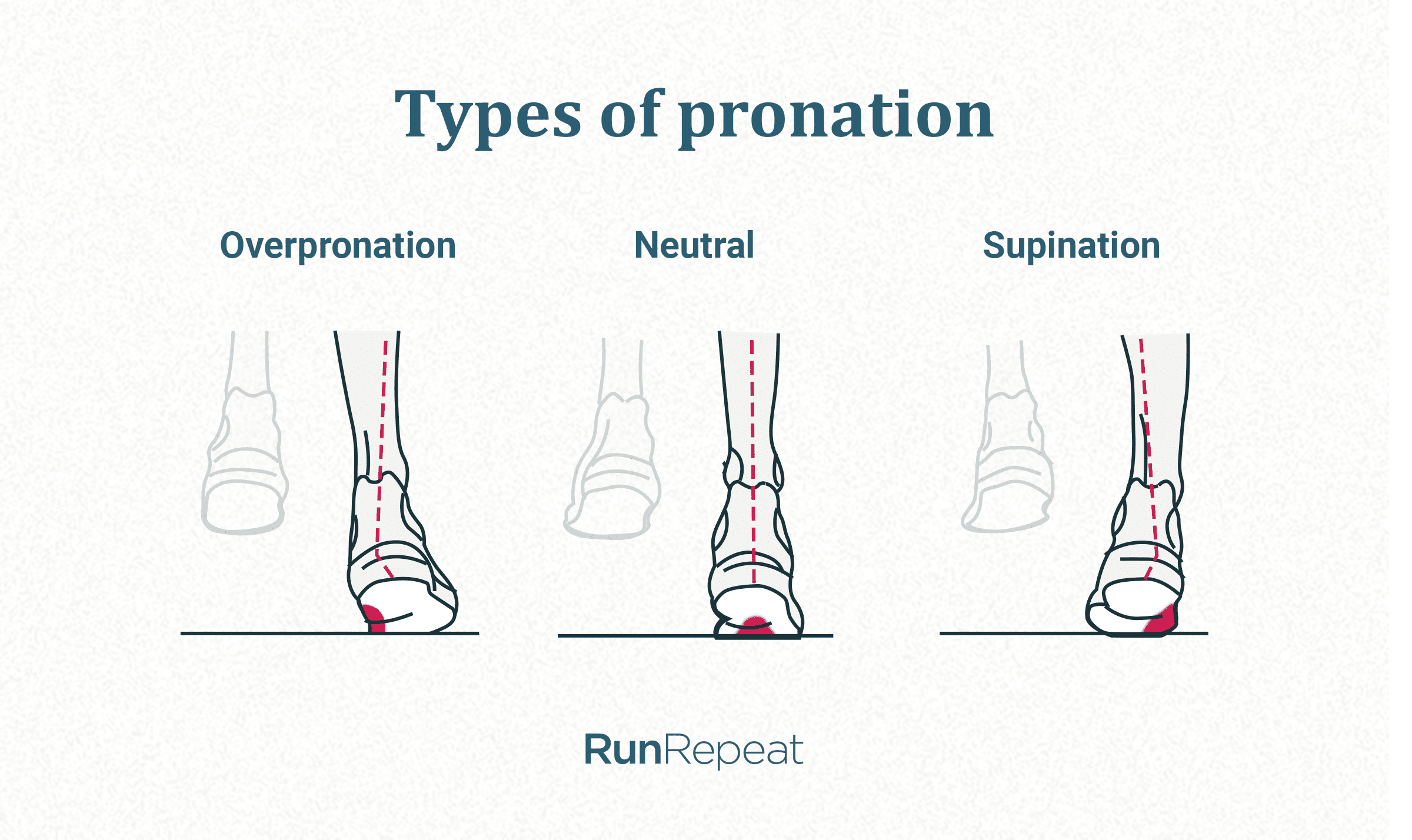
The human body is a marvel of complex engineering, each movement a symphony of bones, muscles, and tendons working in concert. However, like any intricate system, it can encounter imbalances. One such common biomechanical phenomenon, particularly relevant to lower limb function, is “overpronation.” Often misunderstood, overpronation refers to an excessive inward rolling motion of the foot during weight-bearing activities like walking or running. While a natural degree of pronation is essential for shock absorption and adapting to uneven surfaces, “over pronate” signifies an exaggeration of this movement, often leading to a cascade of issues not just in the foot, but extending up the kinetic chain to the ankles, knees, hips, and even the lower back.

In an increasingly digital world, our understanding, diagnosis, and management of such biomechanical intricacies are being revolutionized by technology. No longer are we solely reliant on subjective observations or basic manual assessments. Cutting-edge tech, from advanced wearable sensors and artificial intelligence to custom 3D-printed orthotics and virtual reality rehabilitation, is providing unprecedented insights and solutions. This article will delve into what overpronation truly means, but crucially, it will explore how technological advancements are transforming our ability to detect, analyze, and effectively address this common condition, moving from traditional methods to precision-driven, data-rich interventions. We will examine how tech empowers both clinicians and individuals to gain a deeper, more actionable understanding of their unique biomechanical footprint, ultimately enhancing athletic performance, preventing injuries, and improving overall quality of life.
Defining Overpronation: The Biomechanical Baseline
Before diving into the technological solutions, it’s crucial to establish a clear understanding of overpronation itself. This fundamental biomechanical concept forms the basis upon which all technological interventions are built. Without understanding the “what,” the “how” of technology’s role remains incomplete.
The Mechanics of Foot Movement
Pronation is a natural and necessary movement of the foot, occurring primarily at the subtalar joint (just below the ankle). It’s a tri-planar motion involving three components: eversion (outward turning of the sole), dorsiflexion (upward bending of the foot), and abduction (movement away from the midline of the body). During the gait cycle, as the foot strikes the ground, it naturally pronates to absorb impact and adapt to the terrain. This controlled rolling inward helps distribute forces across the foot and leg. As the body moves forward and prepares for push-off, the foot then supinates (rolls outward), becoming a rigid lever for propulsion. “Over pronate” occurs when this inward rolling is excessive in degree, duration, or both, disrupting the natural transition to supination. The arch of the foot may collapse or flatten excessively, and the ankle may appear to roll inwards more than is typical.
Common Causes and Implications
Overpronation can stem from a variety of factors, often genetic or related to lifestyle. Common causes include inherited foot structure (such as flat feet), weak intrinsic foot muscles, tight calf muscles, obesity, pregnancy, and wearing unsupportive footwear. While sometimes asymptomatic, persistent overpronation can have significant implications. The excessive inward rotation places abnormal stress on various structures. In the foot, it can lead to conditions like plantar fasciitis, bunions, and heel spurs. Further up the kinetic chain, the internal rotation of the lower leg can cause patellofemoral pain syndrome (runner’s knee), shin splints, Achilles tendonitis, and even hip or lower back pain due to compensatory misalignments. Recognizing these implications is the first step towards seeking effective management, often now facilitated by advanced technological tools.
Tech-Enabled Diagnostics: Beyond the Naked Eye
The traditional assessment of overpronation often involved visual gait analysis by a clinician, observational notes, and perhaps a simple pressure mat. While valuable, these methods can be subjective and limited in their ability to capture the nuance and real-time dynamics of movement. Today, technology has ushered in an era of precision diagnostics, allowing for objective, data-driven insights into an individual’s biomechanics.
Wearable Sensors and Gait Analysis
The advent of miniature, sophisticated wearable sensors has revolutionized gait analysis. Devices integrated into smart shoes, insoles, or ankle straps can capture vast amounts of data related to foot strike patterns, ground reaction forces, pronation angles, and stride parameters in real-time, both in clinical settings and during everyday activities. These Inertial Measurement Units (IMUs), comprising accelerometers, gyroscopes, and magnetometers, provide a continuous stream of kinematic data. Instead of relying on a brief observation, clinicians and individuals can now access detailed reports on foot mechanics across various activities, identifying subtle deviations and patterns indicative of overpronation that would be imperceptible to the human eye. This data can track changes over time, helping to monitor progress or detect early signs of potential issues.
AI and Machine Learning in Biomechanical Assessment
The sheer volume of data generated by wearable sensors and advanced imaging techniques would be overwhelming without powerful analytical tools. Artificial Intelligence (AI) and Machine Learning (ML) algorithms are proving indispensable in processing and interpreting this complex biomechanical information. AI models can be trained on vast datasets of both healthy and pathological gait patterns to identify subtle markers of overpronation, predict injury risk, and even suggest personalized interventions. For example, an AI system can analyze gait symmetry, consistency, and the precise timing of pronation/supination phases, comparing an individual’s patterns against normative data to highlight significant deviations. This predictive capability moves us beyond reactive treatment to proactive prevention, offering insights into how an individual’s movement patterns might contribute to future issues.
3D Imaging and Pressure Mapping
High-resolution 3D scanning technology provides an unparalleled level of detail regarding foot structure and how it interacts with the ground. Laser scanners and structured light systems can create precise 3D models of the foot, capturing arch height, foot length, width, and any deformities with millimetric accuracy. This structural data is then complemented by advanced pressure mapping systems, which use thousands of tiny sensors embedded in platforms or insoles to visualize and quantify pressure distribution across the sole of the foot during stance and gait. These heat maps clearly illustrate areas of high pressure, indicating where excessive load is being placed—a common characteristic of overpronation. By combining 3D structural analysis with dynamic pressure data, clinicians gain a comprehensive understanding of both the static foot posture and its dynamic function, leading to more accurate diagnoses and targeted interventions.
Innovations in Management and Mitigation
Once overpronation is accurately diagnosed with the help of technology, the next critical step is effective management. Here too, technological innovation is transforming the landscape, moving beyond generic solutions to highly personalized and adaptive interventions.
Smart Orthotics and Custom Footwear
One of the most significant advancements in managing overpronation is the evolution of custom orthotics and footwear, driven by digital manufacturing. Traditionally, custom orthotics were made from plaster casts, a messy and less precise process. Today, 3D foot scans provide the exact anatomical data needed to design perfectly tailored orthotics using Computer-Aided Design (CAD) software. These digital designs are then brought to life through 3D printing or Computer Numerical Control (CNC) milling, using advanced polymers or composite materials. This tech-driven process ensures a precise fit, optimal arch support, and targeted biomechanical control, guiding the foot into a more neutral position. Beyond orthotics, some companies are utilizing similar principles to create genuinely custom footwear, where shoes are manufactured to an individual’s exact foot dimensions and biomechanical needs, offering unparalleled comfort and support for individuals with severe overpronation or other foot conditions.
Virtual Reality and Gamified Rehabilitation
Rehabilitating the muscles and movement patterns associated with overpronation often requires consistent, engaging, and precise exercises. Virtual Reality (VR) and gamified rehabilitation platforms are emerging as powerful tools in this domain. VR environments can immerse patients in interactive scenarios that require specific foot and ankle movements, strengthening weak muscles, improving balance, and retraining proprioception (the body’s sense of its position in space). Gamification, integrating game-like elements into exercises, significantly boosts patient adherence and motivation. For example, a VR game might require a user to navigate a virtual obstacle course, subtly encouraging correct foot placement and controlled pronation/supination, all while providing real-time feedback on their performance. These platforms can track progress objectively, adjust difficulty levels dynamically, and make what might otherwise be monotonous exercises both fun and effective.
Telehealth and Remote Monitoring for Support
The ongoing support and monitoring of individuals managing overpronation have also seen a significant boost from technology, particularly through telehealth and remote monitoring solutions. Wearable sensors, as discussed earlier, can provide continuous data on gait patterns and activity levels, which can be transmitted wirelessly to clinicians for remote review. This allows for ongoing assessment of how orthotics are performing or if rehabilitation exercises are being effective, without the need for frequent in-person clinic visits. Telehealth platforms facilitate virtual consultations, enabling patients to discuss symptoms, review progress data, and receive exercise adjustments from the comfort of their homes. This accessibility is invaluable for individuals in remote areas, those with mobility challenges, or simply for increasing convenience and consistency in care, ensuring that personalized support is always within reach.
The Future of Foot Health: Predictive Analytics and Personalized Tech
The current technological landscape for understanding and managing overpronation is impressive, but the horizon promises even more transformative advancements. The future of foot health will likely be characterized by increasingly sophisticated predictive capabilities and hyper-personalized technological interventions.
Proactive Intervention with AI
The continued development of AI and machine learning will enable even more nuanced predictive analytics. Beyond identifying existing overpronation, AI models, trained on larger and more diverse datasets, will be able to anticipate who is at risk of developing overpronation-related issues before symptoms even manifest. By analyzing genetic predispositions, activity levels from fitness trackers, and subtle changes in early gait patterns, AI could flag individuals for proactive interventions. This might involve recommending specific exercises to strengthen relevant muscle groups, suggesting particular footwear styles, or even personalized dietary advice if inflammation or joint health are factors. The shift will be from treating problems reactively to preventing them proactively, leveraging an individual’s unique digital health footprint.
Integrated Health Ecosystems
The future will also see greater integration of various health technologies into seamless ecosystems. Data from smart shoes, fitness trackers, smartwatches, and even smart home devices (like pressure-sensing mats) will converge into unified platforms. These platforms will provide a holistic view of an individual’s physical activity, sleep patterns, biomechanics, and overall health status. For someone managing overpronation, this means that their daily step count, running gait analysis, sleep quality (which impacts recovery), and even stress levels could be correlated to provide a comprehensive picture of their foot health and overall well-being. This integrated approach will allow AI to identify complex interactions and offer highly personalized recommendations that go beyond just foot mechanics, considering the entire lifestyle and physiological context.

Navigating the Digital Landscape of Biomechanics
The integration of technology into the diagnosis and management of conditions like overpronation represents a monumental leap forward. From precision diagnostics to custom interventions and continuous remote support, tech offers unprecedented opportunities for individuals to gain control over their biomechanical health. However, navigating this digital landscape requires a thoughtful approach. Data privacy and security remain paramount, and individuals must be discerning about the technologies they adopt, prioritizing solutions that are validated and secure. The role of human expertise also remains critical; technology is a powerful tool, but it augments, rather than replaces, the nuanced judgment and empathetic care provided by healthcare professionals.
Ultimately, understanding “what is over pronate” in the 21st century means appreciating not just the biomechanical definition, but also the dynamic interplay between human movement and advanced technology. By embracing these innovations responsibly, we can move towards a future where optimal foot health and pain-free mobility are more accessible and achievable for everyone. The digital age empowers us to not just identify the problem, but to precisely understand it, proactively manage it, and continuously optimize our physical well-being.
aViewFromTheCave is a participant in the Amazon Services LLC Associates Program, an affiliate advertising program designed to provide a means for sites to earn advertising fees by advertising and linking to Amazon.com. Amazon, the Amazon logo, AmazonSupply, and the AmazonSupply logo are trademarks of Amazon.com, Inc. or its affiliates. As an Amazon Associate we earn affiliate commissions from qualifying purchases.