
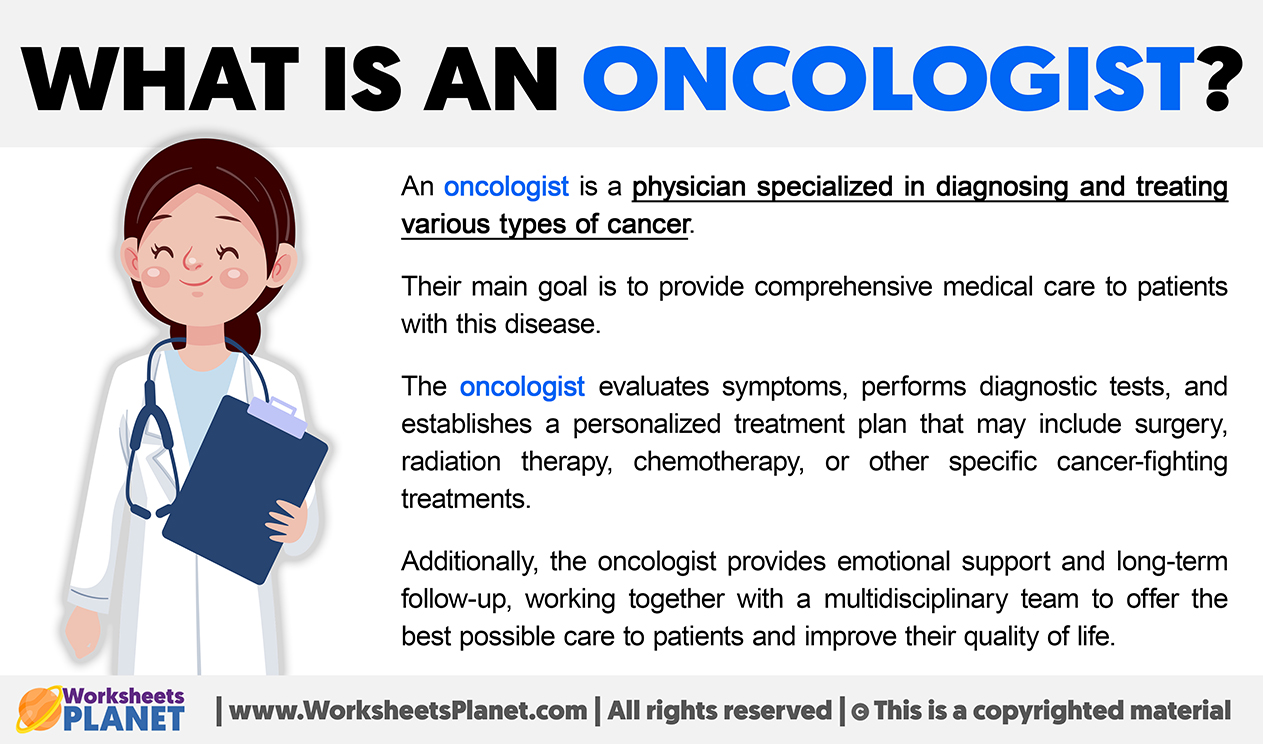
The field of oncology—the branch of medicine dedicated to the prevention, diagnosis, and treatment of cancer—is currently undergoing a radical transformation. While the biological roots of the disease remain constant, the tools we use to combat it have shifted from traditional chemistry and invasive surgery toward a sophisticated ecosystem of high-tech solutions. Today, understanding “what is oncology” requires a deep dive into the intersection of biology and technology. We are moving away from a one-size-fits-all approach and entering an era of “Precision Oncology,” powered by artificial intelligence (AI), big data, and advanced software engineering.
In the modern tech landscape, oncology is no longer just a medical discipline; it is a data science challenge. The sheer volume of information generated by genomic sequencing, medical imaging, and real-time patient monitoring has necessitated a new suite of technological tools. This article explores how technology trends, software innovations, and AI are reshaping the landscape of cancer care, making it more accurate, personalized, and efficient than ever before.
The Digital Transformation of Oncology Diagnostics
The first and perhaps most critical stage of oncology is diagnosis. Historically, this relied on the naked eye of a pathologist or the manual interpretation of X-rays. In the current tech-driven era, diagnostic oncology has been revolutionized by software that can see what humans cannot.
AI and Machine Learning in Radiology and Pathology
Artificial Intelligence has found a natural home in oncology diagnostics. Machine learning algorithms, particularly deep learning and computer vision, are now trained on millions of medical images to identify malignant patterns. In radiology, AI tools can scan CT, MRI, and PET images to flag potential tumors with a degree of sensitivity that rivals or exceeds senior radiologists. These tools don’t just find tumors; they analyze the density, shape, and growth patterns of lesions, providing a “second set of eyes” that reduces human error and fatigue.
In pathology, the “Digital Pathology” movement has replaced physical slides with high-resolution digital scans. Software platforms then apply AI to these scans to quantify biomarkers and identify cancerous cells at the microscopic level. This tech-heavy approach allows for “computational staining,” where software can simulate the effects of different chemical stains digitally, saving time and resources in the lab.
Liquid Biopsies and High-Throughput Genomic Sequencing
Technology has enabled us to detect cancer through a simple blood draw, a process known as a liquid biopsy. This tech relies on sophisticated sensors and sequencing software to detect circulating tumor DNA (ctDNA) shed by tumors into the bloodstream.
Behind the scenes, high-throughput genomic sequencing (Next-Generation Sequencing or NGS) utilizes massive computing power to map the entire genetic code of a patient’s tumor. This generates terabytes of data that must be processed by specialized bioinformatics software. By identifying the specific mutations driving a cancer’s growth, technologists and clinicians can pinpoint the exact “software glitch” in the patient’s DNA, allowing for a highly targeted intervention.
Precision Medicine and Software-Driven Treatment
Once a diagnosis is made, the focus shifts to treatment. The “Tech” niche has introduced the concept of Precision Medicine, where software algorithms determine the most effective treatment plan based on a patient’s unique genetic profile and lifestyle data.
Targeted Therapy Algorithms and Clinical Decision Support
One of the greatest challenges in oncology is the sheer volume of medical literature and clinical trial data. No human doctor can keep up with the thousands of new papers published every month. To solve this, the tech industry has developed Clinical Decision Support Systems (CDSS). These are AI-driven software platforms that ingest a patient’s diagnostic data and cross-reference it with a global database of clinical trials, drug interactions, and genomic research.
The software then provides a ranked list of the most effective treatments, essentially acting as a GPS for cancer therapy. These algorithms help oncologists move away from broad-spectrum chemotherapy—which affects the whole body—and toward targeted therapies that only attack cells with specific genetic markers.
Tele-Oncology and Remote Patient Monitoring
The rise of mobile health (mHealth) and Internet of Things (IoT) devices has extended oncology care beyond the hospital walls. Tele-oncology platforms allow patients to consult with world-leading experts from their homes, but the real technological breakthrough lies in remote monitoring.

Wearable gadgets and specialized apps can now track a patient’s vital signs, activity levels, and medication adherence in real-time. Sophisticated software analyzes this stream of data to detect early signs of “treatment toxicity” or disease progression. For example, if a patient’s heart rate or temperature fluctuates in a pattern that suggests a bad reaction to immunotherapy, the software can automatically alert the medical team. This proactive approach, powered by cloud computing and mobile apps, prevents emergency hospitalizations and improves the quality of life for those undergoing treatment.
Digital Security and Ethics in Oncology Tech
As oncology becomes increasingly digitized, the focus on digital security and data ethics has become paramount. Oncology data is among the most sensitive information in existence, containing a person’s entire genetic blueprint and health history.
Protecting Sensitive Genomic and Patient Data
The healthcare sector is a primary target for cyberattacks. In the context of oncology, a data breach isn’t just a privacy violation; it’s a threat to the integrity of life-saving research. To combat this, oncology software developers are implementing advanced encryption and “Zero Trust” architecture.
Digital security in oncology now involves sophisticated identity management and encrypted data silos. This ensures that while researchers can access anonymized “big data” to find new cancer cures, the individual identity and genetic privacy of the patient remain shielded behind multiple layers of cybersecurity.
The Role of Blockchain in Clinical Trials
Blockchain technology, often associated with finance, is finding a vital niche in oncology research. One of the biggest hurdles in developing new cancer drugs is the lack of transparency and data sharing in clinical trials. Blockchain provides a decentralized, immutable ledger that can track every step of a clinical trial.
By using blockchain, researchers can ensure that trial data hasn’t been tampered with or “cherry-picked” to show better results. Furthermore, it allows patients to maintain ownership of their data, granting or revoking access to different research institutions via “smart contracts.” This technological layer of trust is essential for accelerating the pace of oncological discovery and ensuring that the software-driven results we rely on are ethically sourced and accurate.
The Future of Oncology: Robotics and Nanotechnology
Looking forward, the definition of oncology will continue to expand as we integrate robotics and nanotechnology into the standard of care. We are moving from “software that assists” to “machines that perform.”
Robotic-Assisted Surgical Interventions
Robotic surgery is perhaps the most visible application of high-tech hardware in oncology. Platforms like the Da Vinci surgical system allow surgeons to perform complex tumor removals with a level of precision, range of motion, and magnification that is humanly impossible. These robots are controlled via a console that uses sophisticated software to filter out a surgeon’s hand tremors and provide a high-definition, 3D view of the surgical site. This results in smaller incisions, less blood loss, and faster recovery times for cancer patients.
Nanobots and Targeted Drug Delivery
The final frontier of oncology technology is nanotechnology. Scientists are currently developing “nanobots”—microscopic machines programmed to navigate the human body. These bots can be engineered to recognize the unique chemical signatures of cancer cells.
Once a nanobot identifies a tumor, it can deliver a concentrated dose of medication directly to the site, sparing healthy tissue from damage. The “software” for these nanobots involves complex molecular programming, where the machine’s behavior is dictated by chemical inputs. This represents the ultimate convergence of tech and biology: a programmed, mechanical solution to a biological problem.
Conclusion: The New Definition of Oncology
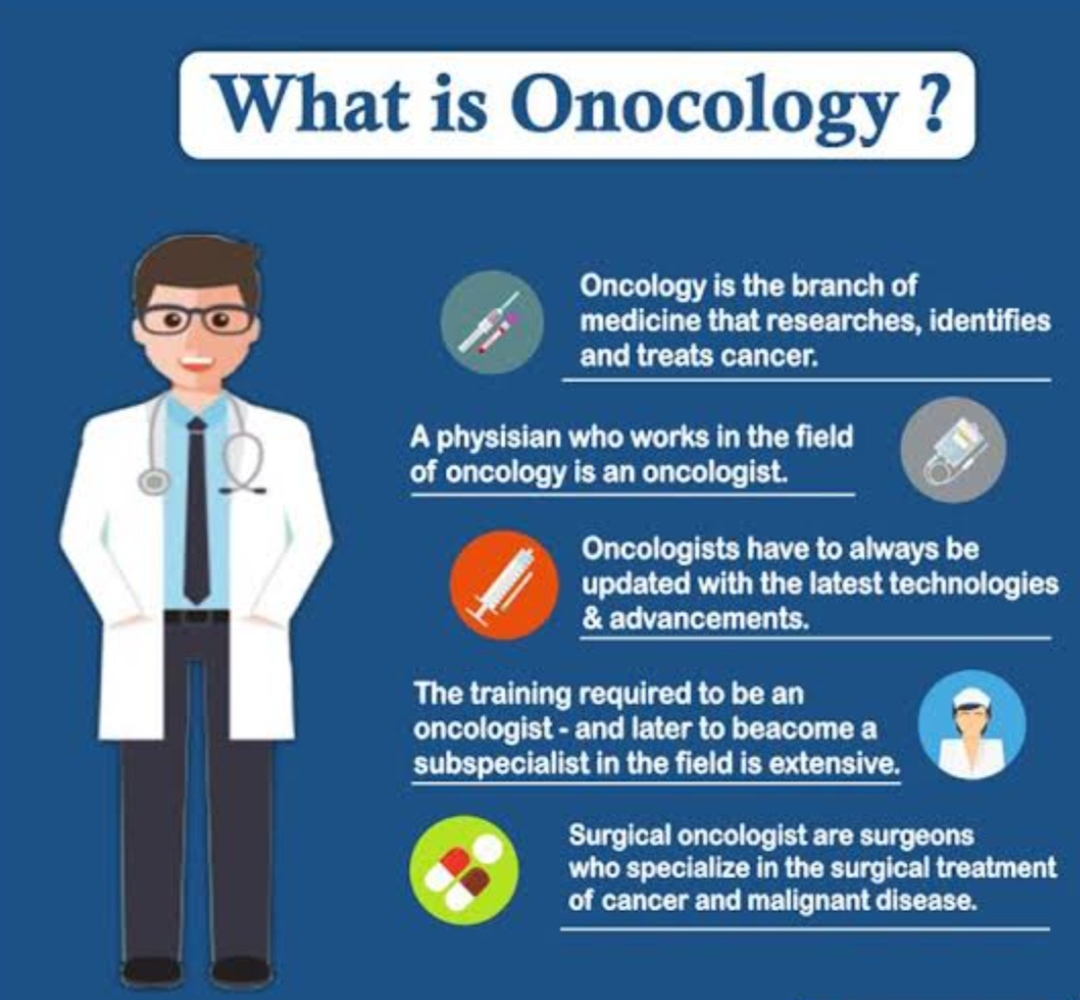
So, what is oncology in the 21st century? It is a field where software developers, data scientists, and cybersecurity experts work alongside physicians to solve one of humanity’s greatest challenges. It is a discipline where “Tech” is not just an add-on, but the very foundation of how we diagnose, treat, and monitor the disease.
Through the power of AI diagnostics, precision medicine software, secure data management, and futuristic robotics, oncology is transitioning from a reactive “search and destroy” mission into a proactive, data-driven science. As these technologies continue to evolve, the goal remains clear: to use every digital tool at our disposal to turn cancer from a terminal diagnosis into a manageable, and ultimately curable, condition. The future of oncology is digital, and the innovations we see today are only the beginning of a technological revolution in healthcare.
aViewFromTheCave is a participant in the Amazon Services LLC Associates Program, an affiliate advertising program designed to provide a means for sites to earn advertising fees by advertising and linking to Amazon.com. Amazon, the Amazon logo, AmazonSupply, and the AmazonSupply logo are trademarks of Amazon.com, Inc. or its affiliates. As an Amazon Associate we earn affiliate commissions from qualifying purchases.