
The biblical landscape is rich with places and names that carry profound symbolic weight, acting almost as brands that encapsulate specific meanings, histories, and divine intentions. Among these, the land of Gilead stands out as a significant geographical and theological entity. Its recurring presence across various biblical narratives, from the Old Testament to the New, marks it as more than just a physical location; it is a locus of promise, healing, struggle, and enduring identity. Understanding Gilead requires delving into its etymology, its geographical significance, its role in key biblical stories, and the enduring symbolic brand it represents within the broader narrative of faith.

The Etymology and Geographical Brand of Gilead
The name “Gilead” itself offers a foundational understanding of its symbolic brand. Its Hebrew root, gvl, is often interpreted to mean “heap of testimony” or “rocky mound.” This etymological clue immediately imbues Gilead with a sense of permanence, resilience, and historical record. It suggests a place where significant events have occurred, leaving an indelible mark—a testament etched in stone. This inherent meaning sets a powerful precedent for how Gilead is perceived and utilized within the biblical narrative.
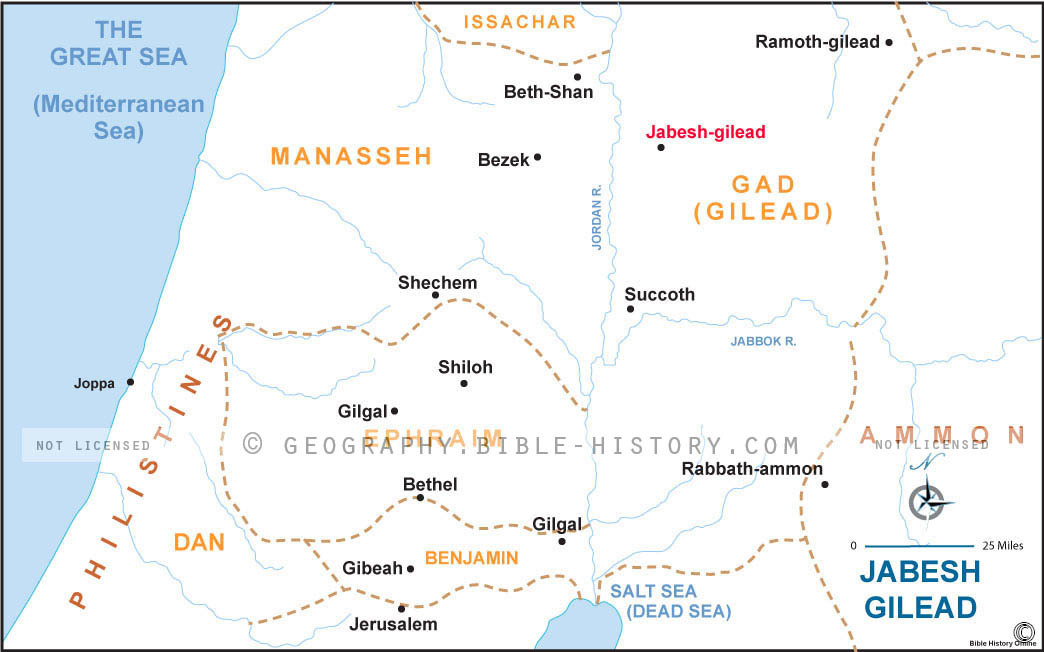
Geographically, Gilead occupied a strategic and fertile region east of the Jordan River, encompassing areas of modern-day Jordan and Syria. This location was crucial. It was a borderland, a place of intersection between different peoples and territories. Its landscape was characterized by rolling hills, fertile plateaus, and significant forests, making it a desirable and contested territory. This geographical positioning also contributed to its brand: Gilead was a place of prosperity and abundance, often associated with valuable resources like balm and spices. The “balm of Gilead” became a legendary commodity, symbolizing healing, restoration, and preciousness. This natural bounty solidified Gilead’s brand as a place of provision and potential.
The “Heap of Testimony”: Gilead as a Site of Divine Revelation and Covenant
The interpretation of Gilead as a “heap of testimony” is not merely linguistic; it is deeply theological. The region is associated with pivotal moments of divine interaction and covenant-making. For instance, the name is linked to the incident where Jacob, fleeing from Laban, makes a covenant with him. The stone pillar Jacob erected served as a witness to their agreement, a “heap of testimony” that marked the boundary and the solemnity of their pact. This event imbues Gilead with a brand of sacred agreement and divine oversight. It signifies a place where humanity and the divine intersect in moments of solemn commitment.
Furthermore, Gilead served as a significant territory for the Israelites after their conquest of Canaan. It was allotted to the half-tribes of Manasseh and the tribes of Gad and Reuben. This settlement marked a new chapter in their collective identity, a tangible manifestation of God’s promises fulfilled. The land became a repository of their history, their triumphs, and their struggles, contributing to its brand as a place of inherited legacy and divine blessing. The very act of inhabiting and cultivating Gilead was an ongoing testimony to God’s faithfulness.
The Fertile Crescent: Gilead as a Brand of Abundance and Healing
The natural richness of Gilead played a significant role in shaping its brand. The region was renowned for its luxuriant vegetation and its potent medicinal herbs. The most famous of these was the “balm of Gilead,” a resin extracted from a particular tree, highly prized in the ancient world for its healing properties. This balm was not just a physical remedy; it became a potent symbol of spiritual and emotional healing, of restoration and renewal.
The mention of the “balm of Gilead” in Jeremiah 8:22, where the prophet laments, “Is there no balm in Gilead? Is there no physician there? Why then is not the health of the daughter of my people restored?”, highlights its symbolic power. The absence of this balm becomes a metaphor for a broken and unhealed nation. Conversely, its availability signifies hope and the possibility of recovery. This association elevates Gilead’s brand from mere geography to a potent symbol of divine grace and restorative power. The land itself, through its bounty, communicated a message of hope and healing, a crucial aspect of its enduring brand identity.
Gilead in Biblical Narratives: Branding Key Figures and Events
Gilead is not merely a passive backdrop; it is an active participant in significant biblical narratives, shaping the identities and destinies of key figures and events. Its presence often marks transitions, periods of challenge, and the unfolding of divine plans. These narratives solidify and diversify the brand of Gilead, imbuing it with layers of meaning.
Jephthah of Gilead: A Brand of Sacrifice and Divine Judgment

Perhaps one of the most memorable figures associated with Gilead is Jephthah, a judge of Israel. His story, found in the Book of Judges, is a complex tapestry of valor, desperation, and a tragic vow. Jephthah, a warrior from Gilead, is called upon to lead the Israelites against the Ammonites. In his desperate plea for victory, he makes a rash vow to God: if he is victorious, he will offer as a burnt offering whatever first comes out of his house to meet him upon his return. This leads to the tragic sacrifice of his only daughter.
Jephthah’s story brands Gilead with a powerful, albeit somber, association. It signifies a place where leadership arises from unlikely circumstances, where faith is tested to its extreme, and where divine judgment, even through human error, plays a significant role. The narrative highlights the potent mix of strength and vulnerability inherent in the Gilead identity. It also serves as a stark reminder of the consequences of unthinking vows and the complex interplay of human agency and divine will, contributing to Gilead’s brand as a place of severe testing and profound consequences.
The Gileadites and the Ephraimite Conflict: A Brand of Identity and Distinction
The tribe of Gilead, along with other trans-Jordanian tribes, often found themselves at odds with their brethren west of the Jordan. A notable instance of this is the conflict with the Ephraimites, described in Judges 12. After Jephthah’s victory, the Ephraimites, envious of his success, challenged him. The Gileadites, defending their identity and their leader, proved their distinctiveness by their pronunciation of the word “shibboleth” (meaning “ear of grain”). The Ephraimites, with their different dialect, pronounced it “sibboleth,” revealing their identity and leading to their defeat.
This incident crafts a significant element of Gilead’s brand: it represents a distinct identity, a unique heritage that is recognizable and fiercely defended. It highlights the importance of lineage, dialect, and cultural markers in establishing and preserving a collective brand. The Gileadites, through this linguistic test, solidified their brand as a group with a clear and defined identity, capable of discerning and defending their place within the larger Israelite community. It underscores the concept of belonging and the often-subtle markers that define one’s brand.
The Enduring Brand of Gilead: Symbolism and Legacy
Beyond specific narratives, Gilead has cultivated an enduring brand that resonates throughout biblical and theological discourse. Its symbolism transcends its geographical origins, offering a rich tapestry of meaning that continues to be relevant. This enduring brand is a testament to its multifaceted nature.
Gilead as a Symbol of Hope and Restoration
The association with the balm of Gilead has cemented its brand as a powerful symbol of hope and restoration. In times of national crisis, spiritual desolation, or personal suffering, the concept of Gilead evokes the promise of healing and recovery. It represents a place, or a state of being, where brokenness can be mended and where lost vitality can be regained. This aspect of its brand speaks to the deep human yearning for redemption and the belief in a divine source of healing.
Gilead as a Land of Promise and Divine Favor
For the Israelites, Gilead was a land granted by God, a tangible manifestation of His promises. It represented a new beginning, a place of settlement and prosperity after years of wandering. This imbues Gilead with a brand of divine favor, of blessings earned through obedience and faith. It serves as a reminder that faithfulness can lead to tangible rewards and a secure future, reinforcing its brand as a land of promise fulfilled.
Gilead in the New Testament: A Subtle Echo of Legacy
While the Old Testament narratives are most explicit about Gilead, its symbolic legacy subtly echoes into the New Testament. Jesus himself speaks of the “balm of Gilead” in a metaphorical sense, alluding to spiritual healing. The concept of a divinely ordained place or a source of divine intervention that brings about healing and restoration remains a powerful undercurrent. The New Testament continues the brand of Gilead as a place or principle of spiritual well-being and divine grace, albeit often in less geographically specific terms. It suggests that the essence of Gilead—its promise of healing and its connection to divine favor—is a universal and timeless aspect of the divine-human relationship.
In conclusion, the biblical concept of Gilead is far more than a geographical designation. It functions as a potent brand, rich with layers of meaning derived from its etymology, its fertile landscape, and its pivotal role in sacred narratives. From a “heap of testimony” and a land of abundant healing to a site of challenging covenants and the origin of valiant leaders, Gilead embodies a complex and enduring identity. Its brand speaks of resilience, divine promise, profound testing, and ultimately, the unwavering hope of restoration. Understanding Gilead allows us to appreciate the intricate ways in which places and stories in the Bible serve as powerful symbols, shaping our understanding of faith, identity, and the divine narrative.
aViewFromTheCave is a participant in the Amazon Services LLC Associates Program, an affiliate advertising program designed to provide a means for sites to earn advertising fees by advertising and linking to Amazon.com. Amazon, the Amazon logo, AmazonSupply, and the AmazonSupply logo are trademarks of Amazon.com, Inc. or its affiliates. As an Amazon Associate we earn affiliate commissions from qualifying purchases.