
To the casual observer, YouTube is a video-sharing website. To the technologist, however, it is a massive, distributed ecosystem of data, machine learning models, and complex compression algorithms that redefine how information is disseminated globally. Understanding what is on YouTube requires looking past the surface level of entertainment and education to examine the technological infrastructure that powers the world’s second-largest search engine. From the sophisticated codecs used to stream 8K video to the neural networks that predict user behavior, the platform serves as a living laboratory for the most advanced software and hardware innovations of the digital age.
The Architecture of Discovery: How the YouTube Algorithm Works
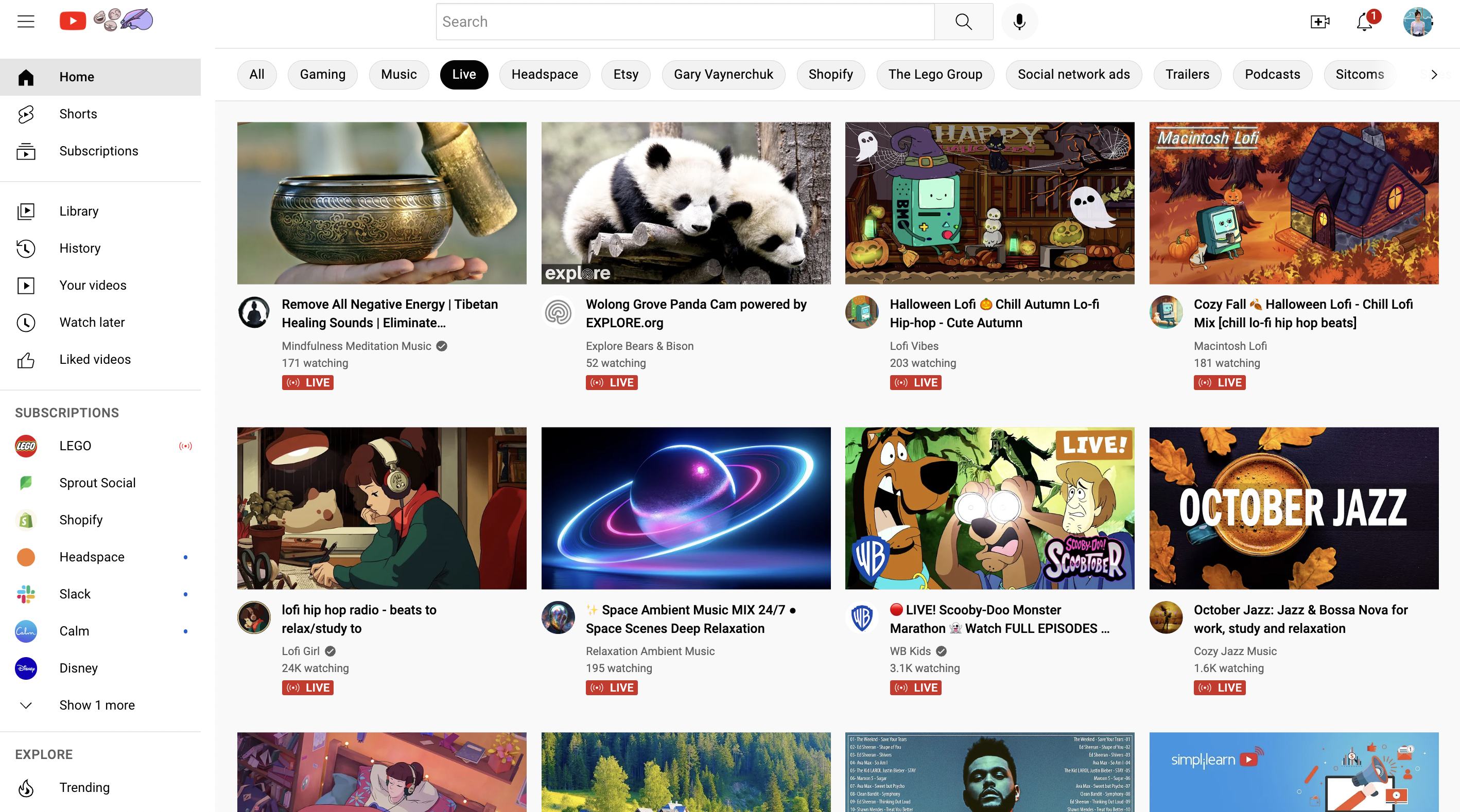
At the heart of the YouTube experience is the recommendation engine, a complex set of algorithms designed to solve the problem of information overload. With over 500 hours of content uploaded every minute, manual curation is impossible. What users see on their homepages is the result of a two-stage deep learning process: candidate generation and ranking.
The Collaborative Filtering Model
The first stage of discovery involves narrowing down the billions of available videos into a few hundred “candidates” that are relevant to a specific user. This is achieved through collaborative filtering, which analyzes a user’s watch history, search queries, and demographic data. By comparing one user’s behavior with millions of others who have similar profiles, the system can identify patterns—such as the likelihood that a user who enjoys software tutorials will also be interested in hardware reviews. This process utilizes deep neural networks to manage high-dimensional data, ensuring that the pool of potential videos is both manageable and personalized.
Real-Time Signals and User Engagement Tech
Once a set of candidates is identified, the ranking algorithm takes over. This system scores each video based on hundreds of features, including video age, channel authority, and “freshness.” The tech stack prioritizes real-time signals, such as whether a user clicked a video but abandoned it within seconds (high bounce rate) or watched it to completion. This feedback loop is processed in milliseconds, allowing the platform to adjust its recommendations dynamically. The shift from simple “view counts” to “watch time” and “satisfaction metrics” represents a significant evolution in how machine learning is applied to consumer behavior, moving toward a model that values quality of engagement over raw clicks.
The Evolution of Formats: From Long-Form to YouTube Shorts and Beyond
What is on YouTube is no longer defined by the traditional 10-minute video format. The platform has undergone a massive technical shift to accommodate a diverse array of media types, each requiring different optimization strategies and delivery methods.
Vertical Video and the Mobile-First Shift
The rise of YouTube Shorts represents a major pivot in the platform’s technical focus. While YouTube was originally built for horizontal, desktop-first viewing, Shorts utilizes a vertical aspect ratio optimized for mobile hardware. This transition required a complete overhaul of the user interface (UI) and the underlying delivery network to minimize latency between “swipes.” The “lean-back” experience of long-form video has been supplemented by the “lean-forward” high-speed interaction of Shorts, utilizing mobile-specific APIs to ensure seamless playback even on variable cellular networks.
Advanced Codecs and the Push for 8K Quality
On the opposite end of the spectrum, YouTube remains the primary testing ground for ultra-high-definition video. The platform’s support for 4K, 8K, and High Dynamic Range (HDR) content is made possible by advanced video compression technologies like VP9 and AV1. These codecs allow for high-quality streaming without consuming excessive bandwidth. Specifically, the adoption of the AV1 codec—an open-source, royalty-free video coding format—has been a game-changer. It offers 30% better compression than previous standards, allowing users with modest internet speeds to access high-resolution content that was previously out of reach. This technical feat is supported by Google’s custom-built hardware, known as Video Processing Units (VPUs), which are specialized chips designed to transcode petabytes of video data daily with maximum efficiency.
AI and Machine Learning: The Engine Behind Modern Consumption
Artificial Intelligence is not just a feature of YouTube; it is the foundation. Every video uploaded goes through an automated pipeline that uses computer vision and natural language processing (NLP) to categorize content, generate metadata, and ensure platform safety.
Automated Captions and Real-Time Translation
One of the most impactful tech features on YouTube is its automated captioning system. Using state-of-the-art speech recognition models, the platform can transcribe audio in real-time across dozens of languages. This is not merely a convenience for accessibility; it is a massive data-indexing project. By converting audio to text, YouTube’s search engine can “understand” the contents of a video without relying solely on the uploader’s title or tags. Furthermore, the introduction of AI-powered multi-audio tracks allows creators to upload different language dubs for a single video, using neural machine translation to break down linguistic barriers and create a truly globalized content network.
Generative AI and Creator Tools
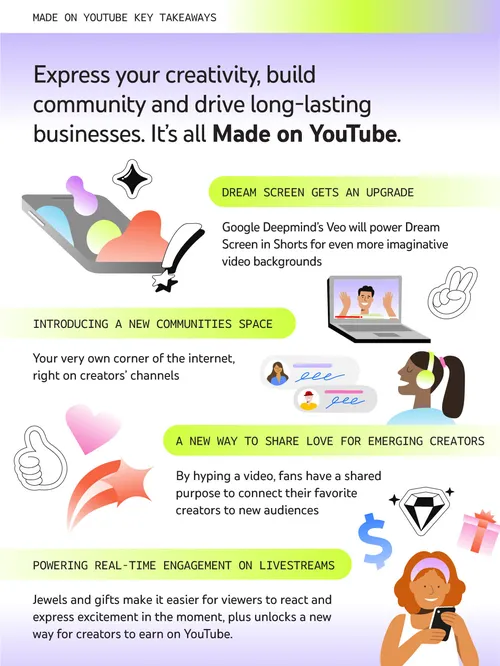
The newest frontier for the platform is the integration of generative AI directly into the creation process. Tools like “Dream Screen” allow creators to generate AI-synthesized video backgrounds using simple text prompts. Behind the scenes, these tools leverage large-scale diffusion models similar to those used in standalone AI art generators. By embedding these tools within the YouTube app, the platform is lowering the barrier to entry for high-production-value content, shifting the technical focus from “editing” to “prompting.” Additionally, AI-driven insights tools now provide creators with data-backed suggestions on what topics to cover next, effectively using big data to guide the creative process.
The Hardware Ecosystem: Infrastructure and Global Delivery
The sheer scale of “what is on YouTube” requires a physical infrastructure that is unparalleled in the tech industry. To serve billions of users across every continent, YouTube relies on Google’s global Content Delivery Network (CDN).
Edge Computing and Google Global Cache (GGC)
To prevent the internet from buckling under the weight of video traffic, YouTube utilizes “Edge Computing.” Through the Google Global Cache (GGC) program, the company places servers inside the data centers of local Internet Service Providers (ISPs). When a user in a specific city watches a popular video, that video is served from a local server just miles away rather than a central data center halfway across the world. This reduces latency, prevents buffering, and optimizes global bandwidth usage. This distributed hardware network is what allows for the near-instantaneous loading of video content, regardless of the user’s geographic location.
The Multi-Device Integration
YouTube’s technical reach extends beyond the browser and the smartphone. It is a dominant force in the Smart TV ecosystem and gaming consoles. Developing for these platforms requires a “cross-platform” software strategy that maintains a consistent user experience while optimizing for different hardware constraints. The YouTube “Leanback” interface, designed for remote control navigation, uses specialized web frameworks to ensure that the heavy resource demands of 4K video playback do not crash the lower-powered processors found in many budget television sets.
Digital Security and Content Integrity Technology
As the platform has grown, so has the technical challenge of maintaining security and intellectual property rights. The systems built to police YouTube are among the most sophisticated examples of automated content moderation in existence.
Content ID and Fingerprinting Tech
At the core of YouTube’s relationship with the media industry is Content ID. This is a digital fingerprinting system that allows copyright owners to identify and manage their content on the platform. When a video is uploaded, it is compared against a database of millions of files submitted by content owners. The technology must perform “fuzzy matching,” identifying copyrighted material even if it has been slowed down, cropped, or pitch-shifted. This requires massive computational power and highly optimized search algorithms to scan every second of every upload in real-time.
Cybersecurity and Parental Controls
Digital security also encompasses user safety. YouTube’s “YouTube Kids” infrastructure and “Supervised Experiences” utilize a combination of AI filtering and “whitelisting” tech to create a walled garden for younger users. On the cybersecurity front, the platform employs advanced encryption (TLS) to protect user data and utilizes sophisticated bot-detection algorithms to prevent view-count manipulation and spam. These invisible layers of security ensure that the platform remains a trusted environment for both creators and advertisers, demonstrating that the “tech” of YouTube is as much about protection as it is about projection.
By viewing YouTube through a technological lens, it becomes clear that the platform is much more than a repository of videos. It is a complex, AI-driven machine that pushes the boundaries of what is possible in data transmission, machine learning, and hardware optimization. Whether through the lens of a 5G-connected smartphone or a high-end 8K monitor, the technology behind the screen is what truly defines what is on YouTube.
aViewFromTheCave is a participant in the Amazon Services LLC Associates Program, an affiliate advertising program designed to provide a means for sites to earn advertising fees by advertising and linking to Amazon.com. Amazon, the Amazon logo, AmazonSupply, and the AmazonSupply logo are trademarks of Amazon.com, Inc. or its affiliates. As an Amazon Associate we earn affiliate commissions from qualifying purchases.