
In the rapidly evolving landscape of healthcare technology, the name Omnicell has become synonymous with the “Autonomous Pharmacy.” While many perceive it simply as a provider of high-tech cabinets found in hospital hallways, Omnicell represents a sophisticated ecosystem of hardware, software, and artificial intelligence designed to solve one of the most complex challenges in modern medicine: the safe, efficient, and data-driven management of pharmaceuticals.
As healthcare systems grapple with labor shortages, rising costs, and the critical need for patient safety, Omnicell has positioned itself as a central player in the digital transformation of the clinical environment. By integrating Internet of Things (IoT) devices with cloud-based analytics and robotic automation, the platform seeks to eliminate manual errors and streamline the supply chain from the manufacturer’s loading dock to the patient’s bedside.
The Core Infrastructure: Automated Dispensing and Robotics
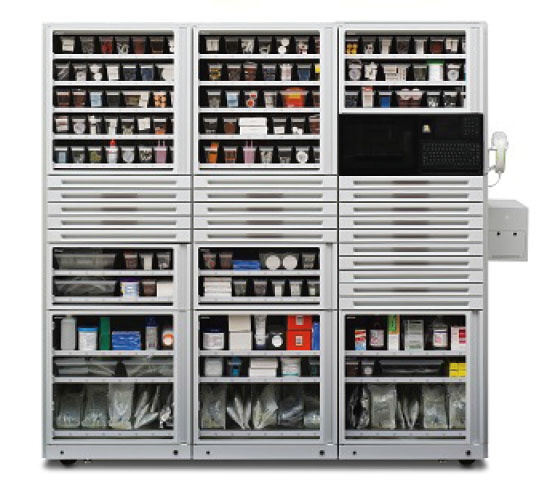
At its hardware core, Omnicell utilizes a combination of robotics and automated dispensing cabinets (ADCs) that function as the “edge devices” of a hospital’s medication network. These systems are far more than secure storage units; they are sophisticated nodes in a distributed computing network.
Automated Dispensing Cabinets (ADCs)
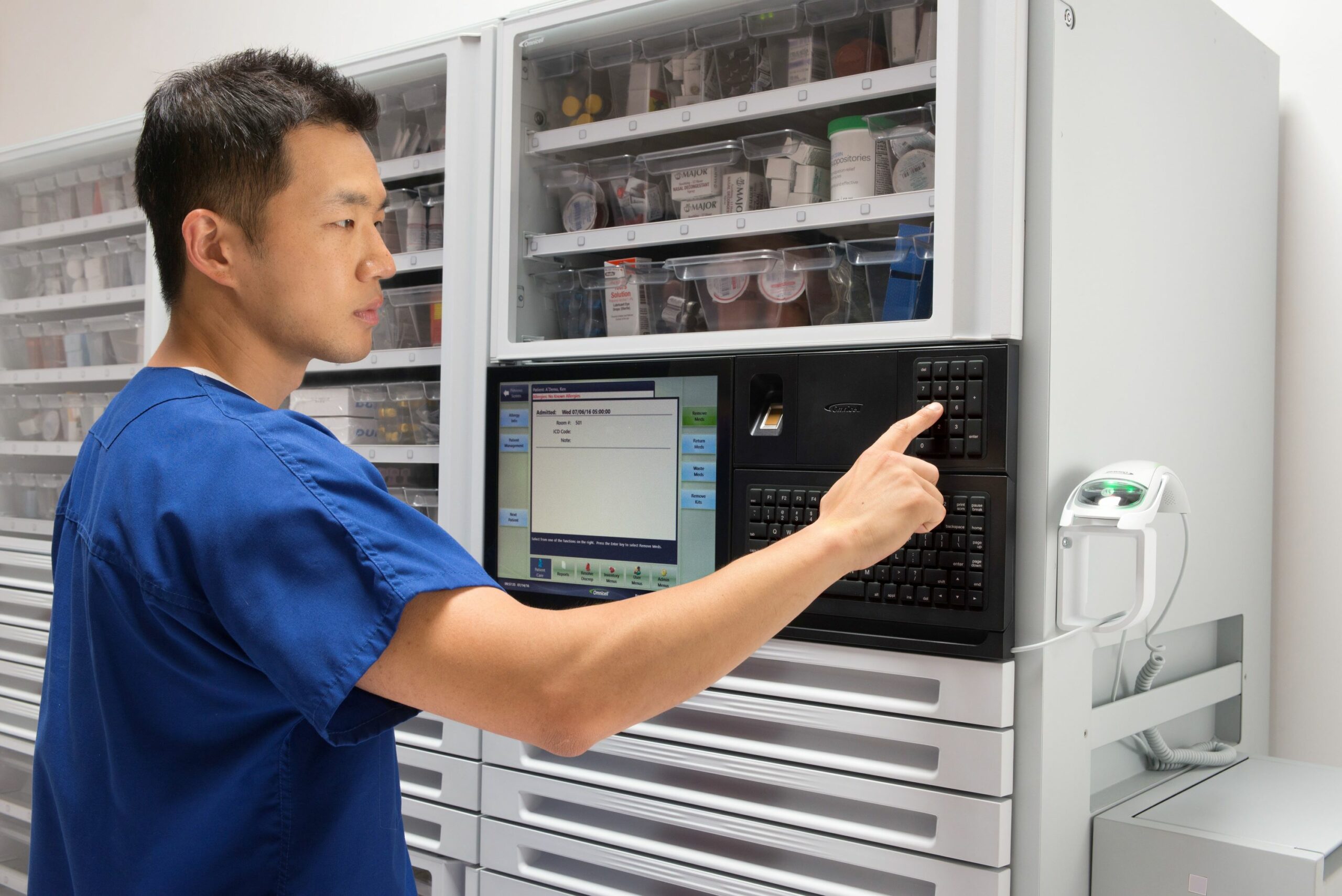
The flagship XT Series Automated Dispensing Cabinets are the most visible component of Omnicell’s technology. These units utilize biometric security—often fingerprint scanning or integrated ID badge readers—to ensure that only authorized clinical staff can access sensitive medications. From a technical standpoint, these cabinets use light-guided technology to direct nurses to the exact drawer and pocket containing the prescribed medication, significantly reducing the “pick error” rate. The integration of high-density storage within these units allows for more inventory in a smaller footprint, managed by a local operating system that syncs in real-time with the hospital’s central database.
Central Pharmacy Robotics
Beyond the nursing unit, Omnicell’s robotic systems, such as the XR2 Automated Central Pharmacy System, represent the pinnacle of pharmacy automation. This technology utilizes robotic arms and advanced vision systems to manage bulk medication inventory. These robots can handle everything from barcoding individual units of use to packaging medications into patient-specific doses. By automating the “pick-and-pack” process, the technology allows pharmacists to shift their focus from manual labor to clinical oversight and data analysis.
Inventory Management Software
The hardware is unified by sophisticated inventory management software that tracks every pill and vial through its lifecycle. Utilizing RFID (Radio Frequency Identification) and specialized barcodes, the system maintains a “perpetual inventory.” This means the software knows exactly what is on hand, what is expiring, and what needs to be reordered, triggering automated procurement processes that minimize waste and prevent the dangerous stockouts of life-saving drugs.
The Autonomous Pharmacy: AI and Cloud Intelligence
The true power of Omnicell lies in its transition from localized hardware to a cloud-based intelligence platform. This shift is part of a broader industry movement toward the “Autonomous Pharmacy,” a framework where technology handles the heavy lifting of medication management, governed by data and machine learning.
Omnicell One and Predictive Analytics
Omnicell One is a cloud-based data platform that aggregates information from across a healthcare system’s entire fleet of devices. By applying big data analytics to these disparate data points, the software provides insights that were previously invisible to human administrators. For example, machine learning algorithms can analyze usage patterns to predict future demand for specific medications. If a seasonal flu outbreak is beginning to stress local resources, the system can identify the trend in real-time and suggest inventory adjustments before a shortage occurs.
Advanced Diversion Detection
One of the most critical applications of AI within the Omnicell ecosystem is “diversion detection.” Drug diversion—the theft or unauthorized use of controlled substances—is a significant risk in healthcare. Traditional auditing is a manual, retrospective process that often misses subtle patterns. Omnicell’s software uses AI to monitor transaction data across the entire network, flagging anomalies in clinician behavior, such as a nurse accessing a cabinet significantly more often than their peers or inconsistent waste-and-return patterns. By providing proactive alerts, the technology protects both the institution and the staff.
Optimization Through Machine Learning
Beyond security, machine learning is used to optimize the “formulary management” within cabinets. The software can suggest moving certain medications to different locations based on frequency of use, reducing the time nurses spend walking to and from cabinets. This “optimization engine” ensures that the right medications are in the right place at the right time, powered by historical data and real-time clinical feeds.
Interoperability and Digital Security in the Healthcare Tech Stack
In a modern clinical environment, no piece of technology can exist in a vacuum. Omnicell’s value proposition is heavily dependent on its ability to communicate with other critical systems, specifically Electronic Health Records (EHR) and Enterprise Resource Planning (ERP) software.
Seamless EHR Integration
For an automated dispensing system to function, it must have a real-time link to the patient’s clinical record. Omnicell utilizes standardized communication protocols, such as HL7 and FHIR (Fast Healthcare Interoperability Resources), to bridge the gap between the pharmacy and the EHR systems like Epic, Cerner, or Meditech. When a physician enters a medication order into the EHR, the data is instantly transmitted to the Omnicell server, which then updates the dispensing cabinet’s profile for that specific patient. This “closed-loop” system ensures that medication is only dispensed if there is a valid, active order.
Cybersecurity and Data Privacy
Given that Omnicell systems handle sensitive patient data and controlled substances, digital security is paramount. The platform employs robust encryption for data at rest and in transit. Furthermore, the move to cloud-based services necessitates a rigorous approach to the Internet of Medical Things (IoMT) security. This includes regular firmware updates to hardware components, multi-factor authentication for administrative access, and strict adherence to HIPAA (Health Insurance Portability and Accountability Act) standards. The goal is to ensure that while the system is highly connected, it remains resilient against the growing threat of healthcare-targeted cyberattacks.
The Role of APIs in Customization
For larger health systems with bespoke needs, Omnicell provides APIs (Application Programming Interfaces) that allow developers to build custom reports or integrate pharmacy data into broader hospital dashboards. This level of extensibility is a hallmark of modern software architecture, allowing the pharmacy’s data to inform the hospital’s overall operational intelligence.
The Future of Pharmacy Tech: From Hospital to Home
As healthcare delivery models shift toward outpatient care and “hospital-at-home” initiatives, Omnicell’s technological roadmap is expanding beyond the four walls of the traditional medical center. The next frontier for this technology is ensuring medication adherence in the community setting.
Automated Packaging for Compliance
For patients managing chronic conditions, the complexity of multiple medications can lead to non-adherence, which is a leading cause of hospital readmissions. Omnicell’s multi-med blister packaging technology uses automation to organize a patient’s medications by date and time of dose. This hardware is supported by software that generates clear, visual instructions, effectively “de-risking” the medication process for patients at home.
Telehealth and Remote Monitoring
The integration of pharmacy tech with telehealth is a burgeoning field. Future iterations of Omnicell software are expected to provide real-time adherence data to remote monitoring teams. For instance, if a patient fails to engage with their automated medication dispenser at home, a notification could be sent to their primary care provider or a clinical pharmacist, allowing for a timely intervention.
Sustainable Tech and Waste Reduction
Technological innovation is also being directed toward sustainability. By using AI to better manage expiration dates and redistribution, Omnicell helps hospitals significantly reduce pharmaceutical waste. This not only has environmental benefits but also ensures that the high-cost “specialty drugs” used in oncology and rare disease treatments are utilized with maximum efficiency.

Conclusion: A Digital Backbone for Modern Medicine
Omnicell represents the intersection of mechanical engineering, software development, and clinical expertise. By transforming medication management from a manual, error-prone task into a data-driven digital workflow, it addresses the core challenges of the modern healthcare system. As AI continues to mature and the Internet of Medical Things expands, the “Autonomous Pharmacy” will likely become the standard, with Omnicell providing the essential infrastructure for this transition. For the technologist, the clinician, and the patient, the evolution of this platform signifies a future where technology doesn’t just support healthcare—it actively secures and optimizes it.
aViewFromTheCave is a participant in the Amazon Services LLC Associates Program, an affiliate advertising program designed to provide a means for sites to earn advertising fees by advertising and linking to Amazon.com. Amazon, the Amazon logo, AmazonSupply, and the AmazonSupply logo are trademarks of Amazon.com, Inc. or its affiliates. As an Amazon Associate we earn affiliate commissions from qualifying purchases.