
Olericulture is the science of vegetable production, a specialized branch of horticulture that focuses on the cultivation of non-woody (herbaceous) plants for food. While it may sound like a purely traditional agricultural practice, in the modern era, it represents a sophisticated intersection of botany, plant physiology, and industrial-scale resource management. To understand olericulture is to understand the technical architecture behind the food supply chain, from the soil chemistry in a commercial greenhouse to the precise nutrient delivery systems that maximize yields in controlled environments.
The Scientific Foundation of Vegetable Production
At its core, olericulture is an applied science. It moves beyond the hobbyist approach of “planting seeds in dirt” to a rigorous methodology involving crop genetics, pest management, and physiological optimization. Professional olericulturists analyze how vegetable crops respond to specific environmental variables, including photoperiodism, soil pH levels, and transpiration rates.
Physiological Optimization and Crop Development
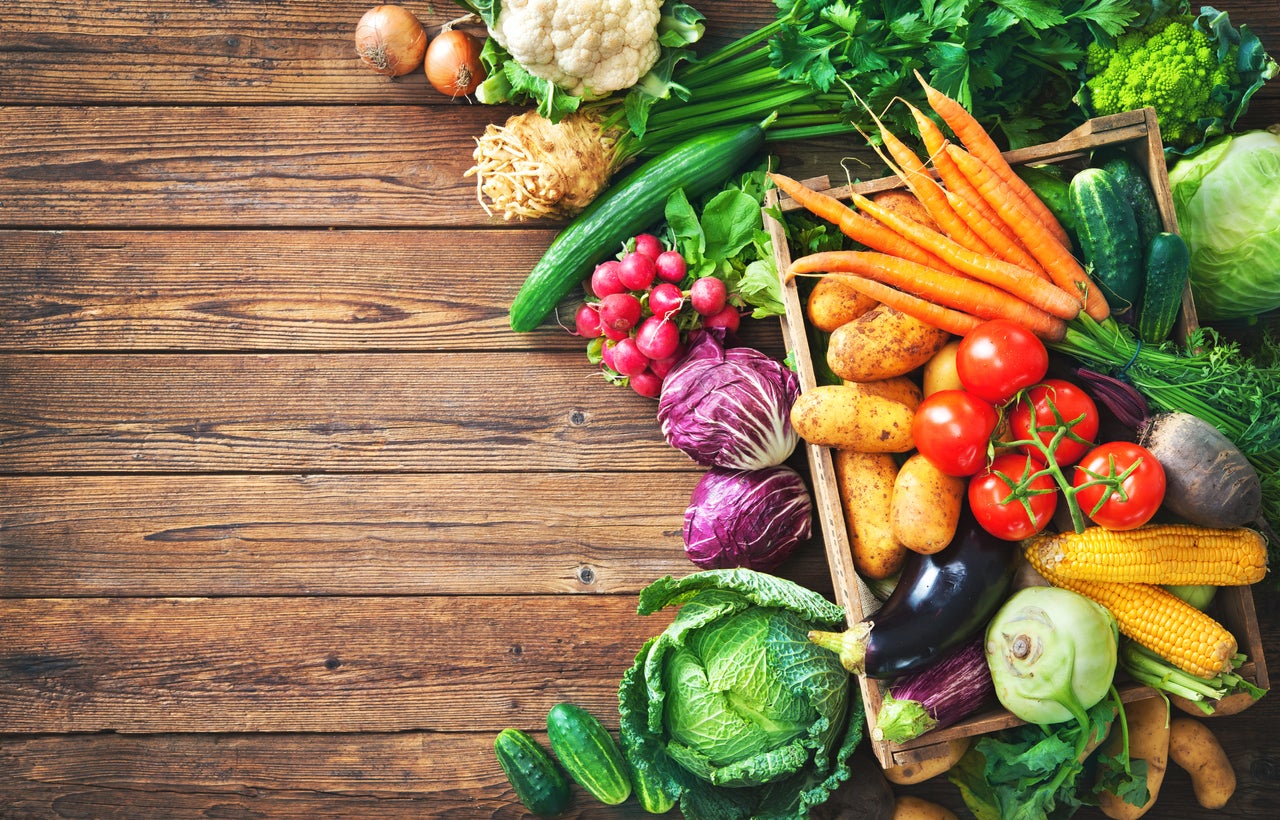
The primary objective of modern olericulture is the maximization of biomass and nutritional content within a specific crop cycle. By studying the life cycles of plants—ranging from solanaceous crops like tomatoes and peppers to cucurbits like cucumbers and squashes—specialists can predict harvest windows with high precision. This requires an intimate knowledge of photosynthesis and metabolic efficiency. When a vegetable crop is grown under optimized light spectra and carbon dioxide concentrations, the result is not just a larger yield, but a higher quality product that meets the rigorous demands of the retail and wholesale markets.
Soil Science and Substrate Engineering
In traditional field-based olericulture, the focus remains on soil health, carbon sequestration, and nutrient cycling. However, in contemporary practice, many olericulturists have transitioned to hydroponic or aeroponic substrates. This shift allows for the surgical application of nutrients. By managing the electrical conductivity (EC) and pH levels of a nutrient solution, growers can manipulate the flavor, texture, and maturation speed of the vegetables. This scientific control minimizes waste and ensures that every input—water, nitrogen, phosphorus, and potassium—is utilized with maximum efficiency, aligning modern vegetable production with the principles of sustainable resource management.
Technological Integration in Modern Olericulture
The industry of vegetable production has undergone a digital transformation. Olericulture is no longer confined to the physical labor of the field; it is now a data-driven enterprise that relies heavily on automation and precision engineering. This integration of technology has redefined the economic viability of growing vegetables on a commercial scale.
Controlled Environment Agriculture (CEA)
CEA is the hallmark of advanced olericulture. By manipulating the environment—temperature, humidity, light intensity, and air circulation—growers can produce crops year-round regardless of external weather conditions. This provides a buffer against climate volatility and pest infestations, which have historically been the greatest threats to vegetable production. In a CEA setup, sensors transmit real-time data to management software, allowing for automatic adjustments to irrigation schedules and lighting configurations. This creates a feedback loop where the crop’s physiological needs dictate the environment’s parameters, leading to unprecedented levels of productivity.
Precision Irrigation and Nutrient Delivery
Water scarcity and resource management are critical concerns for the modern olericulturist. Precision irrigation systems utilize drip tape and sensor-based moisture monitoring to ensure that vegetables receive exactly what they need without excessive runoff. In vertical farming—the most extreme form of modern olericulture—plants are grown in stacked layers with LED lighting that mimics specific solar wavelengths. This technology allows for the cultivation of nutrient-dense vegetables in urban environments, effectively shortening the supply chain and reducing the carbon footprint associated with long-distance transportation.
The Economic Pillars of Commercial Olericulture
From a business perspective, olericulture functions as a complex manufacturing process. The goal is to maximize the Return on Investment (ROI) while navigating the volatile variables of supply, demand, and input costs. For any enterprise involved in the production of vegetables, the strategy must be built on high-efficiency margins and rigorous quality control.
Market Demand and Crop Selection
Successful olericulture is not just about growing the best vegetables; it is about growing the right vegetables for the market. Market-driven production involves analyzing consumer trends—such as the increasing demand for organic, heirloom, or micro-vegetable varieties—and aligning crop production schedules to meet these preferences. The economic model requires a balance between staple crops, which offer predictable turnover, and high-value specialty crops, which provide higher margins but carry greater risk. Understanding the market cycle, from seed procurement to wholesale distribution, is essential for maintaining financial stability.
Scaling Operations and Operational Efficiency
Scaling an olericulture enterprise involves significant capital investment in infrastructure, such as high tunnels, automated sorting equipment, and cold chain storage. Operational efficiency is achieved by minimizing the time between harvest and market entry. Since vegetables are highly perishable, the business model must prioritize logistics. The integration of “just-in-time” harvesting protocols ensures that product quality remains high, which in turn commands a premium price. Furthermore, by diversifying crop varieties and utilizing succession planting, growers can ensure a continuous supply of produce, spreading the labor demand and revenue streams across the entire calendar year.
Sustainability and the Future of Vegetable Production
The long-term viability of olericulture depends on its ability to evolve alongside changing environmental and social standards. Sustainability in this context is twofold: economic resilience and environmental stewardship.
Integrated Pest Management (IPM)
One of the most important aspects of professional olericulture is the implementation of Integrated Pest Management. Instead of relying solely on chemical pesticides, which can have detrimental effects on soil health and beneficial insect populations, modern olericulture employs a multi-tiered approach. This includes the use of biological controls (such as predatory mites), physical barriers (like row covers), and genetic selection (choosing disease-resistant cultivars). IPM is not only environmentally responsible but also economically savvy, as it reduces the reliance on expensive chemical inputs and minimizes the risk of pesticide resistance.
The Role of Data Analytics in Crop Forecasting
As we move further into the 21st century, the field of olericulture will increasingly rely on data analytics and artificial intelligence. By collecting historical data on yields, weather patterns, and market pricing, growers can build predictive models that guide planting decisions. These models can anticipate potential bottlenecks in the supply chain or fluctuations in consumer behavior, allowing for more proactive management. The future of olericulture lies in this convergence of biology and information technology. It is a sector where the depth of one’s botanical knowledge is equaled only by the sophistication of their management software.
In summary, olericulture is a multidisciplinary field that is fundamental to the global food system. It requires a synthesis of hard science—botany and chemistry—and business acumen—logistics and market analysis. Whether practiced in an open-field setting or a high-tech vertical farm, the goal remains the same: the efficient, sustainable, and profitable production of high-quality vegetables. As the global population continues to grow, the importance of these systems will only increase, cementing olericulture’s role as a cornerstone of modern human survival and economic progress.
aViewFromTheCave is a participant in the Amazon Services LLC Associates Program, an affiliate advertising program designed to provide a means for sites to earn advertising fees by advertising and linking to Amazon.com. Amazon, the Amazon logo, AmazonSupply, and the AmazonSupply logo are trademarks of Amazon.com, Inc. or its affiliates. As an Amazon Associate we earn affiliate commissions from qualifying purchases.