
Understanding the components of your credit card is paramount to safeguarding your personal finances. While the 16-digit card number and expiry date are widely recognized, the often-overlooked “security number” serves as a critical defense against financial fraud. This seemingly small detail plays an outsized role in protecting your money, especially in an era dominated by online and remote transactions. For anyone managing their personal finance or conducting business, comprehending the function and importance of this security feature is not merely advisable but essential.
Decoding the Card Verification Value (CVV)
At its core, a security number on a credit card is a unique, three or four-digit code designed to verify that the person making a purchase is in possession of the physical card. It acts as an additional layer of security, particularly for transactions where the card cannot be physically swiped or inserted, such as online shopping or phone orders. This crucial code goes by several names, depending on the card issuer, though its purpose remains universally consistent.
Understanding the Acronyms: CVV, CVC, CID, CSC
The financial industry uses various acronyms to refer to this same security feature, which can sometimes lead to confusion. Regardless of the name, they all serve an identical function:
- CVV (Card Verification Value): This is the term most commonly used by Visa.
- CVC (Card Verification Code): Mastercard utilizes this designation.
- CID (Card Identification Number): American Express refers to its security code in this manner.
- CSC (Card Security Code): Discover cards typically use this term.
Despite the different labels, each of these codes acts as a dynamic authentication factor, preventing unauthorized use of your card details if only the primary account number and expiration date are compromised. This distinction is vital for maintaining the integrity of your financial accounts.
Location on Your Card
The physical placement of the security number varies slightly among card networks, which is an intentional design choice to enhance security.
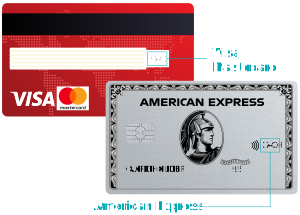
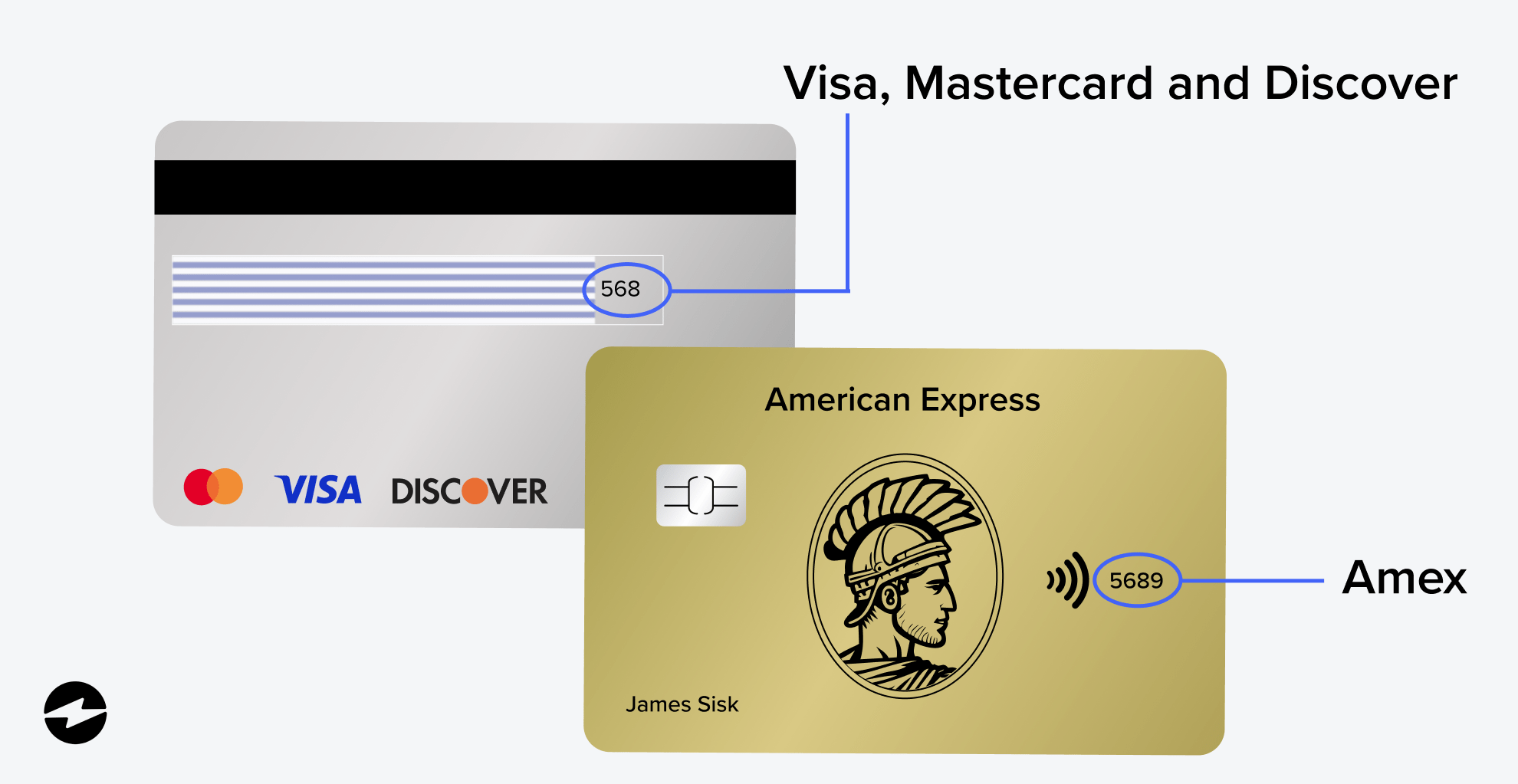
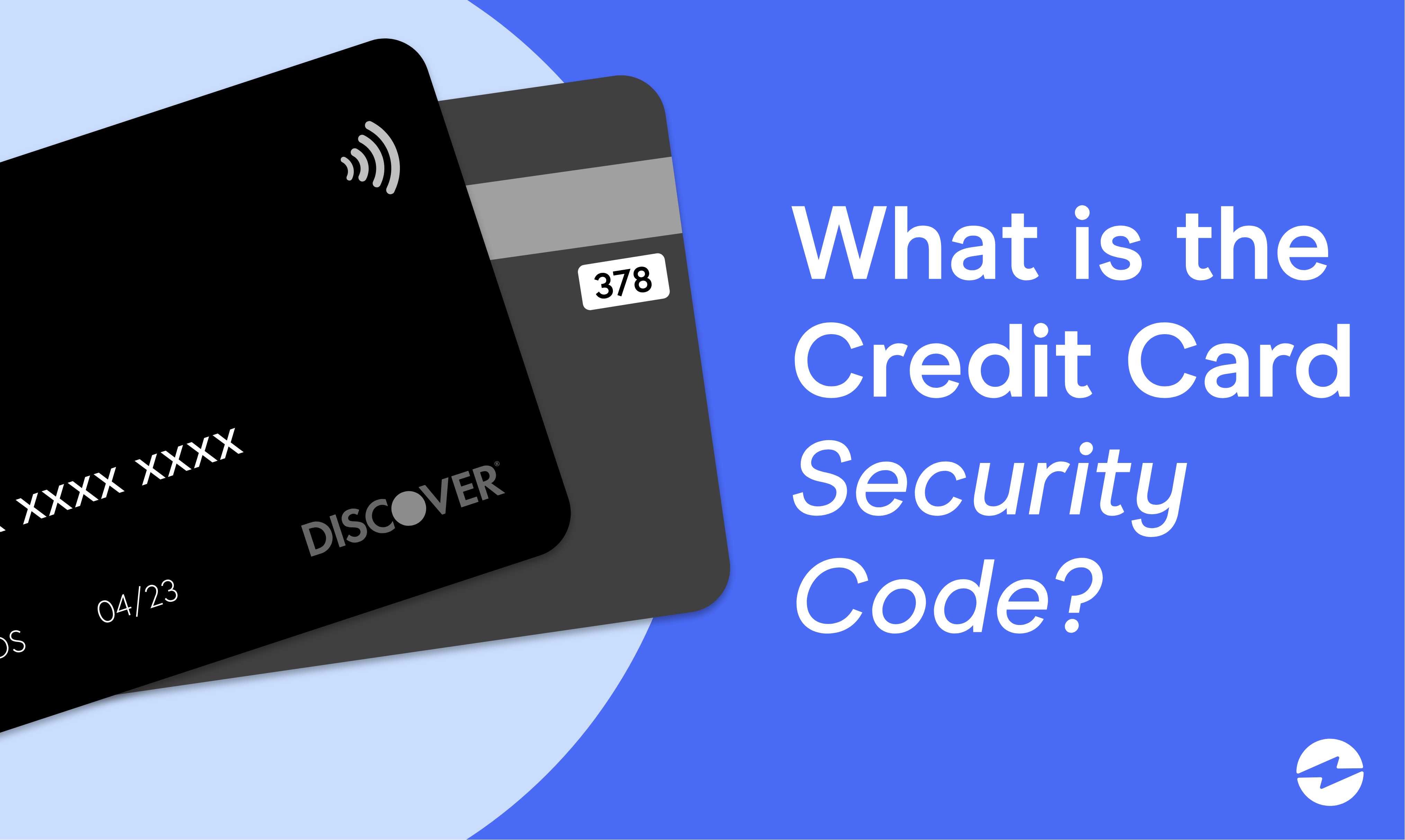
- Visa, Mastercard, and Discover: For these cards, the security number is a three-digit code typically found on the back of the card, usually printed on or immediately adjacent to the signature strip. It’s often the last three digits of a longer number.
- American Express: American Express cards feature a four-digit security code, which is uniquely located on the front of the card, above the main 16-digit card number, usually on the right-hand side.
Unlike the main card number and expiry date, the security number is not embossed (raised) on the card. This non-embossed feature is a deliberate anti-fraud measure, making it significantly harder for fraudsters to “skim” or digitally capture the number using traditional methods like carbon copies or certain types of physical card readers. This seemingly small detail significantly bolsters its role as a safeguard for your financial transactions.
Why It Exists: A Layer of Protection
The fundamental reason for the security number’s existence is to mitigate the risk of “card-not-present” (CNP) fraud. In an age where a substantial portion of consumer spending occurs digitally, the ability to verify the cardholder’s legitimate possession of the card without a physical swipe is indispensable. When you enter your card details online or provide them over the phone, the security number acts as a proxy for physical presence. Without it, transactions are typically declined, effectively thwarting attempts by fraudsters who may have stolen only your card number and expiration date from a data breach but lack access to the physical card. This direct impact on preventing unauthorized spending underscores its crucial role in personal financial security.
How the Security Number Protects Your Finances
The credit card security number serves as a powerful deterrent against various forms of financial fraud, directly protecting your assets and maintaining the security of your payment methods. Its design and operational protocols are specifically engineered to add a crucial layer of defense in a world increasingly reliant on digital transactions.
Preventing Card-Not-Present Fraud
Card-not-present (CNP) fraud is a significant concern for both consumers and financial institutions, encompassing purchases made online, over the phone, or via mail order where the physical card is not presented to the merchant. The security number is specifically designed to combat this threat. When a merchant requests the CVV/CVC/CID during an online checkout or phone order, they are essentially asking for proof that you possess the physical card. If a fraudster has merely acquired your card number and expiration date through a data breach or phishing scam, but not the security code, they will likely be unable to complete a CNP transaction. This makes the security number an invaluable tool in preventing unauthorized charges to your personal finance accounts.
The Role in Online and Phone Transactions
For most online and telephone purchases, providing the security number is a mandatory step in the transaction process. When you enter this code, it is transmitted to your card issuer for verification. The issuer cross-references this code with the data associated with your card. If the entered security number matches the one on file, the transaction proceeds, signaling to the merchant and the bank that the cardholder likely possesses the physical card. If there’s a mismatch or no code is provided, the transaction is often flagged for further review or outright declined. This real-time verification process is a cornerstone of digital financial security, directly impacting the safety of your online spending. Without this verification step, stolen card numbers would be far more easily exploited.
Why Merchants Cannot Store It
One of the most critical aspects of the security number’s protection mechanism is the strict regulatory prohibition on merchants storing it. The Payment Card Industry Data Security Standard (PCI DSS), a global security standard mandated by the major credit card brands, explicitly forbids merchants from storing the CVV/CVC/CID after the transaction has been authorized. This rule is a fundamental safeguard against large-scale data breaches.
Imagine if merchants were allowed to store these codes along with your card number and expiration date. A single data breach at a major retailer could expose millions of full credit card datasets, making them ripe for fraudulent use. By prohibiting storage, even if a merchant’s database is compromised, fraudsters will typically only gain access to card numbers and expiration dates, not the critical security code needed for most CNP transactions. This protocol significantly reduces the potential financial fallout from merchant data breaches, directly protecting your personal financial information and minimizing your exposure to fraud. This regulation highlights the industry’s commitment to protecting consumer financial data.
Best Practices for Safeguarding Your Security Number
Protecting your credit card security number is a crucial component of responsible personal finance management and fraud prevention. While financial institutions employ robust security measures, individual vigilance remains your first line of defense. By adopting best practices, you can significantly reduce your risk of financial exploitation.
Physical Card Security
The most basic step in protecting your security number begins with securing your physical card.
- Treat your card like cash: Keep it in a secure wallet or purse and avoid leaving it unattended in public places.
- Memorize it (if possible): While not always practical, if you frequently use your card online, memorizing the security number can be safer than having it readily visible or written down.
- Do not write it down: Never jot down your security number on a piece of paper, in your phone’s notes, or anywhere that could be easily accessed if your wallet or device is lost or stolen. This creates a single point of failure that can compromise your entire card.
- Be wary of strangers handling your card: In restaurants or other settings, keep an eye on your card when it’s out of your sight. Card skimmers can quickly capture details, including security codes, if given the opportunity.
- Shred old cards: When a card expires or is replaced, cut it up thoroughly, ensuring the security number is separated and unreadable before disposal.
Online Transaction Vigilance
Using your credit card online safely requires careful attention to the legitimacy of websites and the security of your internet connection.
- Only use trusted websites: Always ensure you are on a reputable and secure website (look for “https://” in the URL and a padlock icon in your browser’s address bar) before entering any credit card details, including your security number.
- Avoid public Wi-Fi for transactions: Public Wi-Fi networks are often unsecured and can be susceptible to eavesdropping. Refrain from making purchases or accessing sensitive financial accounts when connected to open public networks. Use a Virtual Private Network (VPN) if you must transact on public Wi-Fi.
- Regularly monitor your statements: Proactively review your credit card statements for any unauthorized transactions. Catching fraudulent activity early is critical for limiting your financial liability.
- Consider using secure payment gateways: Services like PayPal, Apple Pay, or Google Pay can add an extra layer of security by tokenizing your card details, meaning the merchant never directly receives your security number.
Recognizing and Avoiding Phishing Scams
Phishing attempts are a common tactic used by fraudsters to trick individuals into revealing sensitive financial information, including security numbers.
- Be suspicious of unsolicited requests: Your bank, credit card issuer, or any legitimate financial institution will never ask you for your full credit card number, expiration date, or security number via email, text message, or an unsolicited phone call.
- Verify contact requests: If you receive a suspicious communication purporting to be from your bank, do not click on links or call numbers provided in the message. Instead, directly contact your bank using the official phone number found on your card or their official website.
- Beware of urgency and threats: Phishing scams often try to create a sense of urgency or threat (e.g., “your account will be closed if you don’t respond immediately”) to bypass your critical thinking.
When to Report a Compromise
If you suspect your credit card security number or any other card detail has been compromised, immediate action is paramount to mitigating financial damage.
- Contact your card issuer immediately: Report the suspected compromise to your bank or credit card company as soon as possible. They can block the card, issue a new one, and begin investigating any fraudulent charges.
- Monitor your credit report: Keep an eye on your credit reports for any new accounts opened in your name or suspicious activity that could indicate identity theft.
- Document everything: Keep a record of who you spoke with, when, and what actions were taken. This can be useful for any follow-up or disputes.
Proactive management of your credit card security number is an integral part of maintaining sound personal finances and protecting yourself from the evolving landscape of digital financial crime.
The Evolution of Credit Card Security and Future Trends
The security number, while vital, is just one component in a multifaceted and constantly evolving ecosystem of credit card security. As fraudsters develop new techniques, financial institutions and payment networks continually innovate to protect consumer funds and data. Understanding this broader context highlights the ongoing efforts to safeguard personal finances.
From Magnetic Stripes to EMV Chips
For decades, the magnetic stripe on the back of credit cards was the primary method for storing and transmitting card data during transactions. However, magnetic stripes are static; they store fixed information that can be relatively easily skimmed or cloned, leading to rampant fraud at physical points of sale.
The introduction of EMV (Europay, Mastercard, and Visa) chip cards marked a significant leap forward in security. EMV chips generate a unique, cryptogram-based transaction code for each purchase. This means that even if a fraudster intercepts the data from one transaction, it cannot be reused for another, rendering stolen EMV chip data virtually useless for cloning. This dynamic data exchange drastically reduced point-of-sale fraud, shifting the security burden away from the static magnetic stripe and dramatically enhancing the security of in-person financial transactions. While EMV secures physical transactions, the security number (CVV/CVC/CID) retains its critical role in card-not-present scenarios.
Tokenization and Biometric Authentication
The future of financial security for credit cards continues to advance beyond just physical card features.
- Tokenization: This technology replaces sensitive cardholder data (like the 16-digit card number and security code) with a unique, randomly generated “token” during online transactions. This token is useless if intercepted by fraudsters because it contains no actual card details. If a merchant’s database is breached, only these valueless tokens are exposed, not your actual credit card information, providing a profound layer of protection for online financial activity. Many digital wallets and payment apps utilize tokenization to secure your purchases.
- Biometric Authentication: Increasingly, biometric data such as fingerprints, facial recognition, and even iris scans are being integrated into payment systems. Mobile payment apps often use your device’s biometric authentication to authorize transactions, ensuring that only you can access your stored card details. Some card issuers are even experimenting with cards that feature built-in fingerprint sensors, requiring a biometric scan to authorize physical transactions, adding another layer of user-specific verification beyond a simple PIN or signature. These innovations promise to make financial transactions both more secure and more convenient.
Continuous Adaptation in Financial Security
The landscape of financial fraud is dynamic, requiring constant vigilance and adaptation from all stakeholders. Financial institutions invest heavily in advanced fraud detection systems that use artificial intelligence and machine learning to identify unusual spending patterns, potentially flagging fraudulent activity even before the cardholder notices. These systems analyze vast amounts of transaction data in real-time to spot deviations from typical behavior.
For consumers, staying informed about the latest security threats and best practices is crucial for protecting their personal finances. While the credit card security number serves as a fundamental protection for card-not-present transactions, it is part of a larger, evolving framework. The ongoing development of technologies like tokenization and biometrics, coupled with stringent industry standards like PCI DSS, demonstrates a continuous commitment to creating a more secure financial environment. As credit cards remain a cornerstone of modern financial life, these layers of security work in concert to empower consumers to transact with confidence, knowing their money and financial identity are being actively protected.
aViewFromTheCave is a participant in the Amazon Services LLC Associates Program, an affiliate advertising program designed to provide a means for sites to earn advertising fees by advertising and linking to Amazon.com. Amazon, the Amazon logo, AmazonSupply, and the AmazonSupply logo are trademarks of Amazon.com, Inc. or its affiliates. As an Amazon Associate we earn affiliate commissions from qualifying purchases.