
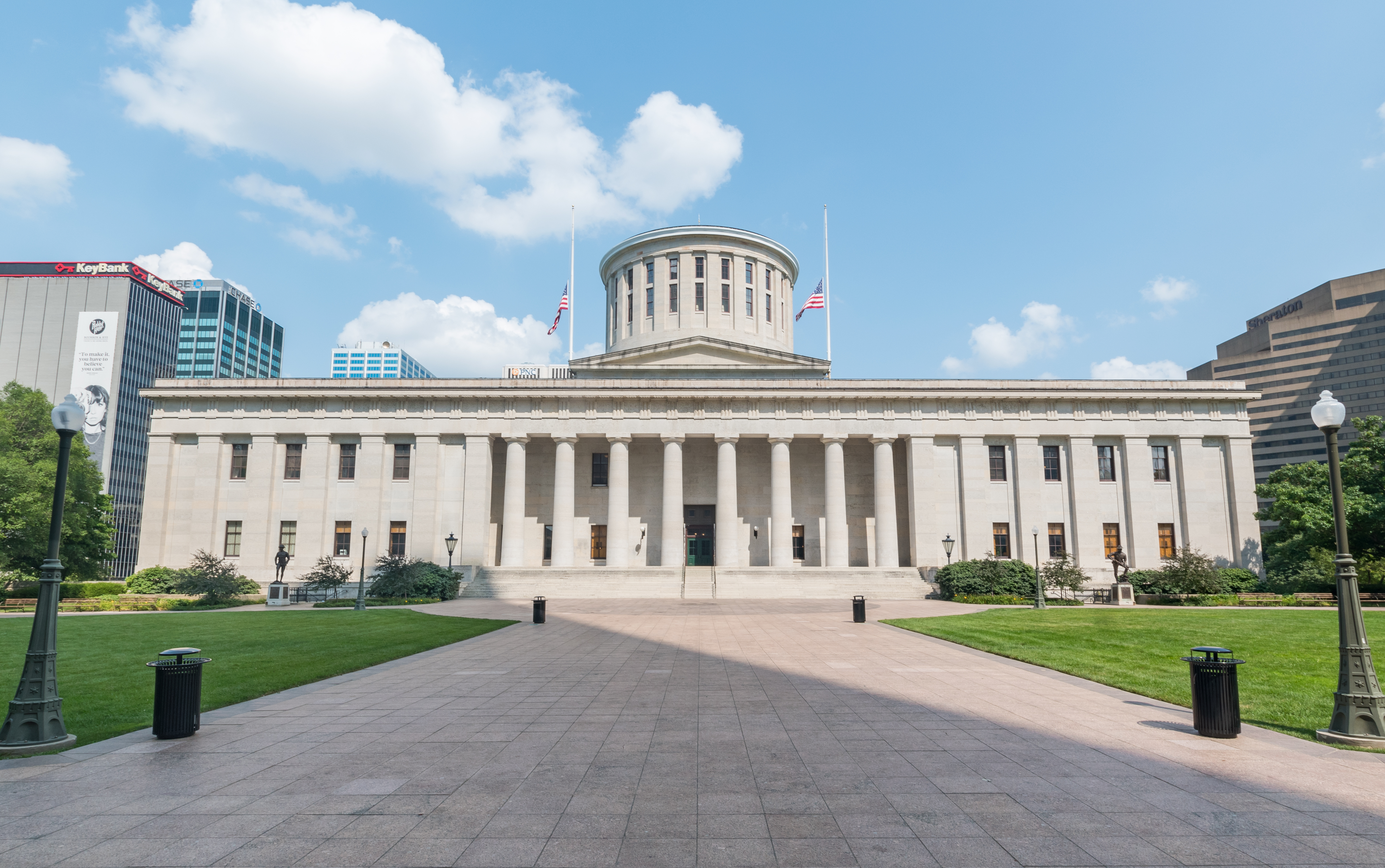
When one hears “Ohio capital,” the immediate thought often drifts to Columbus, the state’s vibrant political and geographic center. However, within the intricate world of finance and economics, the term “capital” takes on a far broader and more dynamic meaning. “Ohio Capital” can refer to the financial resources, investment opportunities, and economic drivers that define the Buckeye State’s monetary ecosystem. It encompasses everything from the flow of venture funding into burgeoning startups to the stability of real estate markets, the wealth generated by legacy industries, and the strategic financial planning undertaken by both individuals and institutions within its borders. This article delves into “Ohio Capital” from a purely financial perspective, exploring its multifaceted nature, the opportunities it presents, and its trajectory in the 21st century.
Understanding “Capital” in the Ohio Context
To truly grasp “Ohio Capital,” we must first differentiate it from its geographical namesake. While Columbus serves as the political capital, the financial capital of Ohio is a distributed and evolving entity, shaped by various economic forces and investment streams across its major metropolitan areas and even its rural heartland.
Beyond the Geographic Capital: A Financial Perspective
Financial capital, in its essence, represents the money or assets used for investment, production, or wealth generation. In the context of Ohio, this translates to the collective monetary resources available within the state for economic activity. It includes investment funds, available credit, business assets, and the financial wherewithal of its citizens. Understanding “Ohio Capital” means understanding the channels through which these funds flow, the sectors they support, and the mechanisms by which they are grown and allocated. It’s about recognizing the financial infrastructure that underpins the state’s economy, from its banking systems to its venture capital networks. This broader interpretation allows for a comprehensive exploration of Ohio’s economic vitality and potential.
The Pillars of Ohio’s Economic Foundation
Ohio’s financial capital is built upon a diverse and resilient economic foundation. Historically renowned for its manufacturing prowess, the state has successfully diversified, integrating advanced manufacturing with thriving sectors in healthcare, technology, logistics, and agriculture. These industries not only provide employment but also generate significant revenue, attract external investment, and contribute to the overall wealth of the state. Cities like Cleveland and Cincinnati boast robust healthcare and financial services sectors, while Columbus has emerged as a hub for technology and logistics. The fertile agricultural lands in the west and north continue to be a vital source of income, and the state’s strategic location makes it a critical nexus for transportation and distribution. Each of these pillars represents a segment where financial capital is deployed, circulated, and grown, illustrating the depth and breadth of Ohio’s economic base.
Investment Avenues and Opportunities in Ohio
For investors, entrepreneurs, and residents alike, Ohio presents a rich tapestry of investment avenues. The state’s economic transformation has opened up new opportunities while solidifying traditional ones, making it an attractive destination for capital seeking growth and stability.
Venture Capital and Startup Ecosystem
Ohio’s startup ecosystem has witnessed remarkable growth over the past decade, attracting increasing amounts of venture capital (VC) funding. Key cities like Columbus, Cleveland, and Cincinnati are home to a burgeoning network of incubators, accelerators, and angel investor groups dedicated to fostering innovation. Funds like Drive Capital in Columbus have played a pivotal role in backing high-growth tech companies, transforming the state’s perception from an industrial stalwart to an emerging tech powerhouse. Sectors such as fintech, health tech, logistics tech, and advanced materials are particularly ripe for investment, drawing both local and out-of-state capital. This vibrant ecosystem provides critical early-stage funding for innovative businesses, driving job creation and long-term economic prosperity.
Real Estate as an Investment
The real estate market across Ohio offers diverse opportunities for capital investment. Residential markets in major metropolitan areas have seen steady appreciation, driven by job growth and relative affordability compared to coastal cities. Commercial real estate, particularly in logistics and industrial sectors, remains strong due to Ohio’s central location and extensive transportation network. There are also significant opportunities in urban revitalization projects and suburban development, attracting both institutional investors and individual property owners. From multi-family housing to office spaces and warehousing facilities, real estate continues to be a tangible and often lucrative avenue for deploying capital in Ohio, providing both income streams and potential for capital appreciation.
Public Markets and Local Businesses
Investing in Ohio’s public markets means engaging with a range of established companies headquartered or having significant operations within the state. From major financial institutions and healthcare giants to consumer goods manufacturers and industrial leaders, Ohio-based public companies offer opportunities for portfolio diversification. Beyond the publicly traded, a robust network of small and medium-sized businesses forms the backbone of Ohio’s economy. Investing in or supporting these local enterprises, whether through direct investment, patronizing their services, or participating in local crowdfunding initiatives, contributes directly to the circulation and growth of local capital, fostering community wealth and resilience.
Accessing and Growing Capital in Ohio
For businesses looking to launch or expand, and for individuals aiming to build wealth, Ohio offers a supportive environment with various resources and incentives designed to facilitate capital access and growth.

State-Level Financial Incentives and Programs
The State of Ohio actively promotes economic development through a variety of financial incentives and programs. These include tax credits for job creation and investment (like the Ohio Job Creation Tax Credit), research and development grants, loans for small businesses, and infrastructure development funds. Agencies such as JobsOhio and the Ohio Development Services Agency work to attract new businesses, support existing ones, and stimulate capital investment across strategic sectors. These programs are crucial for de-risking investments, encouraging innovation, and ensuring that Ohio remains competitive in attracting and retaining financial capital.
Role of Financial Institutions
Ohio’s financial sector, comprising large national banks, regional banks, and a strong network of local credit unions, plays a vital role in circulating capital. These institutions provide essential services such as business loans, mortgages, personal banking, and wealth management. They act as critical intermediaries, pooling savings and directing capital towards productive investments. Local banks and credit unions, in particular, often have a deep understanding of regional economic needs and provide tailored financial solutions to small businesses and individuals, fostering local economic growth and ensuring equitable access to financial resources.
Workforce Development and Human Capital
Beyond monetary assets, human capital – the skills, knowledge, and experience of the workforce – is a fundamental component of Ohio’s capital base. The state invests heavily in workforce development programs, vocational training, and higher education initiatives to ensure a steady supply of skilled labor. A highly educated and adaptable workforce is a powerful magnet for businesses and capital investment, as it reduces training costs and boosts productivity. Ohio’s universities and community colleges collaborate with industries to align curricula with market needs, thereby enhancing the state’s overall human capital and making it an attractive location for companies seeking talent.
The Future of Ohio’s Capital Economy
Ohio’s financial landscape is not static; it is continually evolving, shaped by global trends, technological advancements, and strategic foresight. The state is actively positioning itself for future growth, anticipating economic shifts and leveraging its unique strengths.
Emerging Industries and Disruptive Technologies
The future of Ohio’s capital economy is increasingly tied to its embrace of emerging industries and disruptive technologies. Beyond its traditional strengths, Ohio is making significant strides in areas such as advanced manufacturing (e.g., additive manufacturing, smart factories), autonomous systems, cybersecurity, and quantum computing. Investments in these sectors are not only attracting new capital but also repositioning Ohio at the forefront of innovation. The “Intel effect” – the multi-billion-dollar investment by Intel to build two semiconductor factories in Ohio – exemplifies the state’s capacity to attract massive capital for high-tech manufacturing, signaling a profound shift towards a knowledge-based, high-value economy.
Attracting External Investment
Ohio’s strategy to attract external investment is multifaceted, emphasizing its strategic location, lower cost of doing business, skilled workforce, and supportive regulatory environment. Economic development organizations are actively marketing Ohio as a prime destination for national and international capital, highlighting its logistical advantages, access to major markets, and quality of life. The focus is on drawing capital not just for expansion but for innovation, research, and development, ensuring that Ohio remains a competitive and desirable location for businesses seeking sustainable growth. This proactive approach to capital attraction is vital for diversifying the state’s economic base and future-proofing its financial stability.
Strategic Financial Planning for Ohioans and Investors
Navigating the dynamic landscape of Ohio capital requires astute financial planning, whether for individuals seeking to build personal wealth or businesses aiming for sustainable growth.
Personal Finance Strategies for Ohio Residents
For Ohio residents, understanding the local economic environment is key to effective personal finance. This includes leveraging local investment opportunities, such as supporting Ohio-based businesses, investing in local real estate, or participating in the burgeoning startup scene through crowdfunding or direct investment where appropriate. Strategic budgeting and saving, coupled with wise investment decisions tailored to the state’s economic pulse, can lead to significant wealth accumulation. Furthermore, taking advantage of state-specific tax benefits or financial literacy programs can further empower residents to manage and grow their personal capital effectively.

Business Finance Considerations
Businesses operating in or looking to expand into Ohio must carefully consider the various avenues for securing and managing capital. This includes exploring state and local incentive programs, building strong relationships with local financial institutions, and tapping into the state’s growing venture capital network. Effective cash flow management, strategic debt financing, and prudent equity investments are critical for sustained growth. Understanding the regulatory environment and leveraging Ohio’s economic development resources can provide a competitive edge, ensuring businesses can access the necessary capital to innovate, expand, and contribute to the overall financial strength of the Buckeye State.
In conclusion, “Ohio Capital” represents a vibrant and evolving financial ecosystem far beyond its geographical definition. It signifies the immense financial resources, diverse investment opportunities, and strategic economic initiatives that drive the Buckeye State forward. From its resilient industrial base to its burgeoning tech sector, Ohio offers a compelling landscape for capital growth and deployment, making it a pivotal player in the national economic narrative.
aViewFromTheCave is a participant in the Amazon Services LLC Associates Program, an affiliate advertising program designed to provide a means for sites to earn advertising fees by advertising and linking to Amazon.com. Amazon, the Amazon logo, AmazonSupply, and the AmazonSupply logo are trademarks of Amazon.com, Inc. or its affiliates. As an Amazon Associate we earn affiliate commissions from qualifying purchases.