
In the rapidly evolving landscape of digital threats, organizations worldwide grapple with the complex challenge of securing their critical assets and data. From sophisticated ransomware attacks to persistent phishing campaigns and insider threats, the sheer volume and cunning of cyber adversaries demand a robust, proactive, and always-on defense strategy. This immense pressure has given rise to the indispensable role of the Managed Security Service Provider, or MSSP. Far more than just a vendor, an MSSP acts as a strategic partner, offering specialized expertise and advanced technologies to safeguard an organization’s digital environment. Understanding what an MSSP stands for is crucial for any business seeking to bolster its cybersecurity defenses effectively and efficiently in the 21st century.
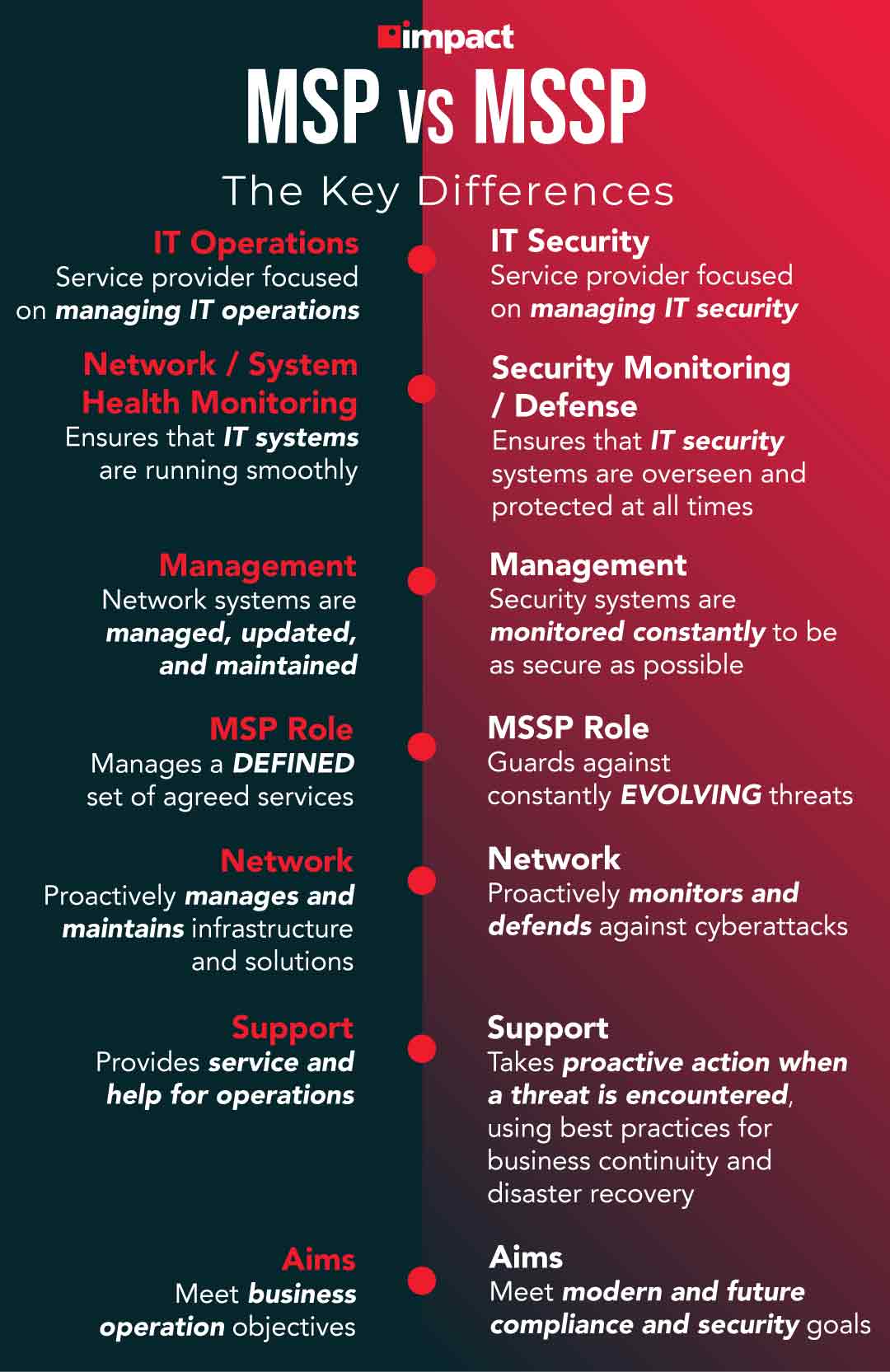
Decoding the Acronym: Managed Security Service Provider
At its core, MSSP stands for Managed Security Service Provider. This seemingly straightforward acronym encapsulates a multifaceted approach to cybersecurity where a third-party organization takes on the responsibility of managing and monitoring an enterprise’s security systems and posture. Breaking down each component helps illuminate the comprehensive nature of this critical service.
The Core Concept of “Managed Security”
The term “managed” is paramount. It signifies a proactive, continuous, and often 24/7 commitment from the provider to oversee an organization’s security infrastructure. Unlike a one-off security audit or the installation of a single security product, managed security involves ongoing vigilance. This includes the constant monitoring of security devices (like firewalls, intrusion detection/prevention systems), networks, servers, and endpoints for anomalies, vulnerabilities, and potential threats. It extends to the continuous updating of security policies, patching of systems, and responding to incidents as they arise. The objective is to lift the burden of daily security operations from internal IT teams, allowing them to focus on core business objectives while ensuring that security remains a top priority and is expertly handled.
From Reactive to Proactive Defense
The “Security Service” aspect highlights the broad array of offerings an MSSP brings to the table. This isn’t just about reacting to breaches but about establishing a robust, multi-layered defense that aims to prevent incidents before they occur. MSSPs deploy a combination of advanced tools, skilled personnel, and established processes to deliver comprehensive protection. This ranges from foundational security measures like vulnerability management and patch management to more sophisticated services such as threat intelligence, security information and event management (SIEM), extended detection and response (XDR), and ultimately, incident response and recovery. The goal is to move beyond mere compliance to genuine resilience, transforming an organization’s security posture from a reactive stance to a proactive, predictive one capable of anticipating and neutralizing threats.
The “Provider” denotes the external entity that delivers these specialized services. This provider possesses a deep bench of cybersecurity experts, cutting-edge technologies, and a scalable infrastructure that most individual organizations would find prohibitive to maintain in-house. They operate as an extension of their client’s team, bringing specialized knowledge, economies of scale, and an objective perspective to security challenges. This partnership model allows businesses to access top-tier security talent and technology without the significant overheads associated with building and maintaining an internal security operations center (SOC).
The Critical Need for MSSPs in Today’s Digital Ecosystem
The necessity for MSSPs has never been more pronounced. Several converging factors have made the in-house management of comprehensive cybersecurity an increasingly untenable task for many organizations, irrespective of their size or industry.
Bridging the Cybersecurity Skill Gap
One of the most significant drivers for MSSP adoption is the pervasive cybersecurity talent shortage. There are simply not enough skilled security professionals globally to meet the demand. This deficit makes it incredibly difficult for companies to recruit, train, and retain the specialized experts needed to operate a sophisticated security program 24/7. MSSPs, by their nature, consolidate talent across multiple clients, providing access to a diverse team of security analysts, engineers, incident responders, and threat hunters who possess certifications and experience that would be costly and challenging for individual businesses to acquire. This allows businesses to tap into a collective intelligence and expertise pool that continuously updates with the latest threat vectors and defense mechanisms.
The Relentless Evolution of Cyber Threats
Cyber threats are no longer static. They are dynamic, complex, and constantly evolving, driven by well-funded and highly organized cybercriminal syndicates, state-sponsored actors, and malicious insiders. Traditional perimeter-based defenses are insufficient against zero-day exploits, advanced persistent threats (APTs), and sophisticated social engineering tactics. Staying abreast of these threats, understanding new attack methodologies, and implementing timely countermeasures requires dedicated resources and continuous research. MSSPs are explicitly designed to do this. They possess the intelligence, tools, and expertise to track emerging threats, analyze attack patterns, and adapt defensive strategies in real-time, providing a crucial layer of agility and resilience that few in-house teams can match.
Achieving Cost-Efficiency and Operational Resilience
Building an internal Security Operations Center (SOC) equipped with the necessary technologies (e.g., SIEM, EDR, SOAR platforms), processes, and human capital represents a substantial capital investment and ongoing operational expense. For many organizations, particularly small to medium-sized enterprises (SMEs), this is simply not feasible. MSSPs offer a cost-effective alternative by spreading these costs across multiple clients through a subscription-based model. This allows businesses to benefit from enterprise-grade security tools and expert personnel without the prohibitive upfront investment. Furthermore, by offloading security operations to an MSSP, organizations enhance their operational resilience, ensuring that security monitoring and response continue uninterrupted, even during internal staffing changes, holidays, or crises.
A Comprehensive Look at MSSP Service Offerings
The range of services offered by MSSPs is extensive and designed to cover the entire spectrum of an organization’s cybersecurity needs, from prevention and detection to response and recovery.
24/7 Security Monitoring and Incident Response

At the heart of most MSSP offerings is continuous, around-the-clock monitoring of an organization’s IT infrastructure. This involves collecting and analyzing security logs from various sources (networks, endpoints, applications, cloud environments) using advanced SIEM and XDR platforms. MSSP analysts actively hunt for suspicious activities, anomalies, and indicators of compromise (IoCs). Should a security incident be detected, the MSSP initiates rapid incident response procedures, which can include isolating compromised systems, containing the breach, eradicating the threat, and assisting with recovery efforts. Their swift action minimizes potential damage, data loss, and business disruption.
Advanced Threat Detection and Intelligence
MSSPs leverage sophisticated tools and proprietary threat intelligence feeds to detect advanced threats that might evade traditional antivirus and firewall solutions. This includes behavioral analytics, machine learning, and artificial intelligence to identify subtle patterns indicative of a compromise. They synthesize global threat data, analyze emerging attack vectors, and continuously update their defense mechanisms, providing clients with a proactive shield against known and unknown threats.
Vulnerability Management and Penetration Testing
Understanding and mitigating an organization’s vulnerabilities is a critical preventative measure. MSSPs offer regular vulnerability scanning and assessment services to identify weaknesses in systems, networks, and applications. They also conduct penetration testing, simulating real-world cyberattacks to uncover exploitable flaws and provide actionable recommendations for remediation. This proactive approach helps organizations strengthen their defenses before malicious actors can exploit them.
Security Device Management and Configuration
Managing a myriad of security devices—firewalls, intrusion prevention systems (IPS), security gateways, VPNs, and multi-factor authentication (MFA) systems—can be complex and time-consuming. MSSPs take on the responsibility of configuring, updating, patching, and maintaining these devices, ensuring they are optimally tuned to provide maximum protection. They manage security policies, fine-tune rules, and ensure that all security controls are consistently enforced across the client’s environment.
Compliance, Governance, and Reporting
Navigating the labyrinth of regulatory requirements (e.g., GDPR, HIPAA, PCI DSS, NIST) is a significant challenge for many businesses. MSSPs help clients achieve and maintain compliance by implementing necessary security controls, providing audit-ready documentation, and generating detailed reports on their security posture. They assist in developing robust governance frameworks, ensuring that security practices align with industry best standards and legal obligations, thereby reducing the risk of penalties and reputational damage.
Strategic Advantages of MSSP Partnership for Businesses
Partnering with an MSSP offers a multitude of strategic advantages that extend beyond mere technical support, fundamentally transforming an organization’s approach to cybersecurity.
Elevated Security Posture and Risk Mitigation
The primary benefit of an MSSP partnership is a significantly enhanced security posture. By gaining access to specialized expertise, advanced technologies, and 24/7 monitoring, organizations can effectively mitigate a wide array of cyber risks. This proactive and comprehensive defense drastically reduces the likelihood of successful attacks, minimizes the impact of potential breaches, and safeguards critical business operations and sensitive data. The robust security framework provided by an MSSP allows businesses to operate with greater confidence and resilience in a hostile digital environment.
Focus on Core Business Operations
By entrusting their cybersecurity operations to an MSSP, organizations free up their internal IT teams and resources. This allows internal staff to concentrate on core business initiatives, innovation, and strategic projects that drive growth and competitive advantage. The burden of recruiting, training, and retaining security experts, as well as managing complex security technologies, is lifted, enabling the business to allocate its talent more effectively and efficiently.
Access to Cutting-Edge Technology and Expertise
MSSPs invest heavily in the latest cybersecurity technologies, including advanced SIEM, SOAR (Security Orchestration, Automation, and Response), threat intelligence platforms, and next-generation endpoint protection. Clients benefit from these sophisticated tools without the need for significant capital expenditure. More importantly, they gain access to a team of highly skilled and continuously trained security professionals who possess deep expertise in a wide array of security domains, ensuring that the organization leverages best practices and stays ahead of evolving threats.

Scalability, Flexibility, and Future-Proofing
As businesses grow, their IT infrastructure expands, and their security needs become more complex. MSSPs offer scalable solutions that can adapt to these changing requirements. Whether an organization is expanding into new markets, adopting cloud technologies, or increasing its digital footprint, an MSSP can seamlessly adjust its services to provide continuous protection. This flexibility means that security resources can be scaled up or down as needed, making cybersecurity an agile and future-proof component of the business strategy, rather than a fixed and potentially outdated overhead.
In conclusion, “MSSP” stands for Managed Security Service Provider, a crucial ally in today’s digital age. These providers offer an essential service that empowers businesses to navigate the intricate and dangerous world of cybersecurity with confidence. By providing expert management, continuous monitoring, and proactive defense strategies, MSSPs enable organizations to protect their assets, maintain compliance, and focus on their core mission, all while maintaining an advanced and adaptable security posture against an ever-present and evolving threat landscape.
aViewFromTheCave is a participant in the Amazon Services LLC Associates Program, an affiliate advertising program designed to provide a means for sites to earn advertising fees by advertising and linking to Amazon.com. Amazon, the Amazon logo, AmazonSupply, and the AmazonSupply logo are trademarks of Amazon.com, Inc. or its affiliates. As an Amazon Associate we earn affiliate commissions from qualifying purchases.