
The modern consumer sees nutritional yeast—affectionately known as “nooch”—as a culinary staple, a savory, cheese-like seasoning that graces the kitchens of vegans and health enthusiasts alike. However, from a technological standpoint, nutritional yeast is far more than a simple food topping; it is a masterpiece of industrial microbiology and precision fermentation. At its core, asking “what is nutritional yeast made of” requires a deep dive into the intersection of biological engineering, high-tech manufacturing, and the evolving landscape of food technology.
As the global food supply chain shifts toward more sustainable, lab-grown, and fermented alternatives, the technology used to produce nutritional yeast has become the blueprint for the burgeoning “syn-bio” (synthetic biology) movement. To understand what this product is truly made of, we must look past the yellow flakes and examine the sophisticated tech stack that powers its creation.
The Biotechnical Foundation: Saccharomyces Cerevisiae as Biological Software
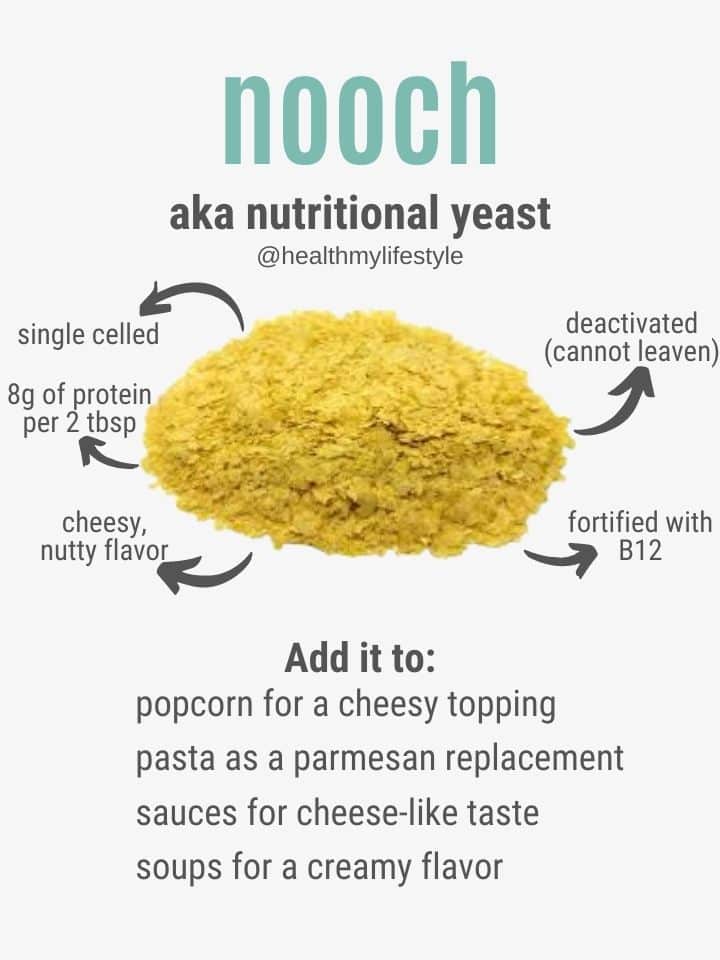
At the most fundamental level, nutritional yeast is made of a single-celled fungus called Saccharomyces cerevisiae. This is the same species used to bake bread and brew beer, but the technology applied to “nutritional” yeast differs significantly in its genetic optimization and processing. In the world of biotechnology, S. cerevisiae is viewed as a “chassis”—a biological platform that can be programmed to yield specific nutritional profiles.
The Microscopic Engine: Optimized Yeast Strains
The production process begins in a laboratory, where microbiologists select specific strains of yeast that are high in protein and B vitamins. Unlike wild yeast, industrial nutritional yeast strains are curated using high-throughput screening. This tech allows scientists to analyze thousands of yeast variants simultaneously to identify which ones possess the most robust cell walls and the highest metabolic efficiency. By treating the yeast cell as a piece of biological software, manufacturers can ensure that the “output” (the flake) is consistent in flavor and nutritional density.
Precision Fermentation: The New Frontier in Food Tech
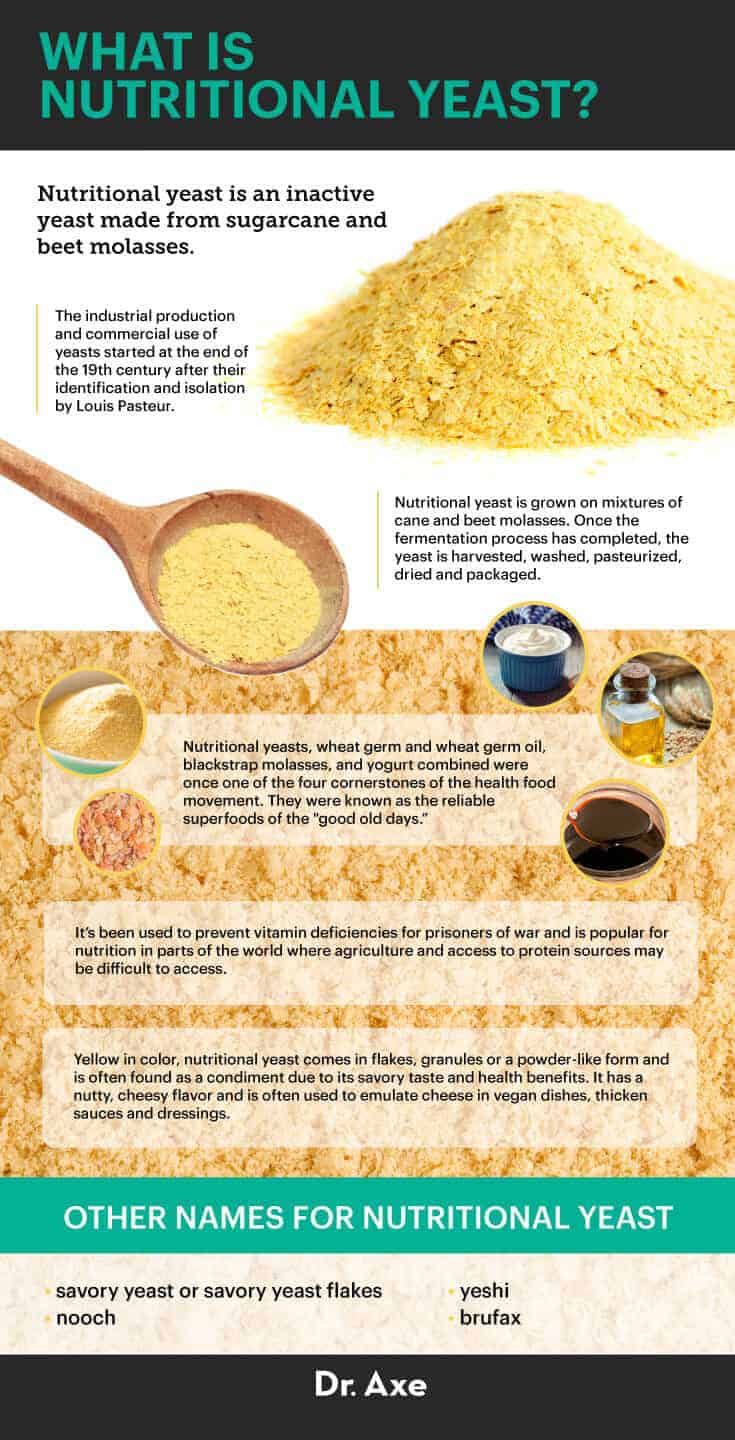
The “medium” or “fuel” that the yeast consumes is just as critical as the organism itself. In modern facilities, nutritional yeast is typically grown on a substrate of glucose-rich liquids, often derived from beet or cane molasses. This is where precision fermentation technology comes into play. By using automated bioreactors, tech-driven facilities can monitor the “feed” at a granular level, ensuring the yeast receives the exact ratio of nitrogen, phosphorus, and minerals required to thrive. This isn’t just farming; it is a highly controlled chemical engineering process where sensors adjust the inputs in real-time to maximize yield and minimize waste.
The Industrial Infrastructure: IoT and Automation in the Bioreactor
To understand what nutritional yeast is made of, one must look at the environment in which it is “born.” It is grown in massive industrial fermenters that are marvels of modern engineering. These stainless steel tanks are integrated with Internet of Things (IoT) sensors and AI-driven control systems that maintain a delicate biological equilibrium.
Automated Growth Environments and Real-Time Analytics
Inside a bioreactor, the yeast is kept in a state of aerobic fermentation. This requires a constant, high-volume supply of oxygen, which is managed by advanced aeration systems. These systems use mass flow controllers to regulate the oxygen levels based on data harvested from dissolved oxygen sensors. If the oxygen levels dip, the growth rate slows; if they are too high, energy is wasted. AI algorithms analyze these data points in milliseconds, adjusting the agitation speed of the internal impellers to ensure every cell has access to the nutrients it needs. This level of automation is what allows nutritional yeast to be produced at a scale that meets global demand while maintaining a low carbon footprint.
Nutrient Feed Optimization via AI
Traditional fermentation relied on the intuition of the operator, but today’s “tech-forward” yeast production utilizes predictive modeling. Software platforms predict the growth curve of the yeast colony based on initial temperature and pH levels. As the yeast consumes the molasses substrate, the chemical composition of the “broth” changes. Smart sensors detect these changes and trigger the automated release of supplemental nutrients. This prevents “cell stress,” which could lead to off-flavors, ensuring that the final product is made of pure, high-quality cellular matter without unwanted byproducts.
Processing Tech: From Liquid Culture to Golden Flake
Once the fermentation cycle is complete, the yeast is essentially a thick liquid “cream.” Converting this living culture into the shelf-stable flakes found in stores requires a series of sophisticated mechanical and thermal technological steps. This phase is what defines the “deactivated” nature of nutritional yeast.
Deactivation Technology: Thermal Processing and Pasteurization
Unlike baker’s yeast, nutritional yeast must be deactivated; otherwise, it would continue to ferment in the consumer’s gut, causing distress. The deactivation is achieved through heat. Modern facilities use continuous-flow pasteurization technology. This tech precisely heats the yeast cream to a temperature high enough to stop all metabolic activity while being careful not to denature the delicate heat-sensitive B vitamins. The technology here is a balancing act of thermodynamics—applying just enough energy to “kill” the organism while preserving its nutritional value.
Drum Drying and Flaking Mechanics
The final transformation from liquid to flake happens on high-tech drum dryers. These are massive, rotating heated cylinders. The yeast cream is spread in a thin layer over the surface of the drum. As the drum rotates, the water evaporates almost instantly—a process known as flash drying. The speed of the rotation and the surface temperature are controlled by digital logic controllers (DLCs). Once dried, a mechanical blade (or “doctor blade”) scrapes the yeast off the drum, where it naturally shatters into the familiar flakes. The texture of the flake—whether it is a fine powder or a large flake—is a direct result of the mechanical settings of the drying equipment.
Innovation Trends: Synthetic Biology and the Future of Food
The technology behind what nutritional yeast is made of is currently undergoing a revolution. As we look toward the future, the integration of CRISPR-Cas9 and synthetic biology (SynBio) is set to redefine the nutritional profile of these organisms.
CRISPR and Yeast Strain Optimization
Genetic engineering tools like CRISPR allow scientists to edit the yeast genome with unprecedented precision. We are seeing the emergence of “fortified-by-design” yeast. Instead of spraying synthetic vitamins onto the yeast after it’s dried, tech companies are engineering the yeast to naturally produce higher levels of Vitamin B12 and Vitamin D during the fermentation process. This makes the “ingredients” of nutritional yeast purely biological, reducing the reliance on external chemical additives.
Scalability and the Circular Bioeconomy
Furthermore, new technology is focusing on the “circularity” of production. Advanced filtration systems, such as membrane bioreactors, are now being used to recycle the water used in the fermentation process. Some startups are even experimenting with “carbon-capture fermentation,” where the CO2 emitted by the yeast during growth is captured and fed back into the production of the molasses substrate. This closed-loop technology is positioning nutritional yeast as one of the most sustainable protein sources on the planet.
Conclusion: A Product of Modern Bio-Engineering
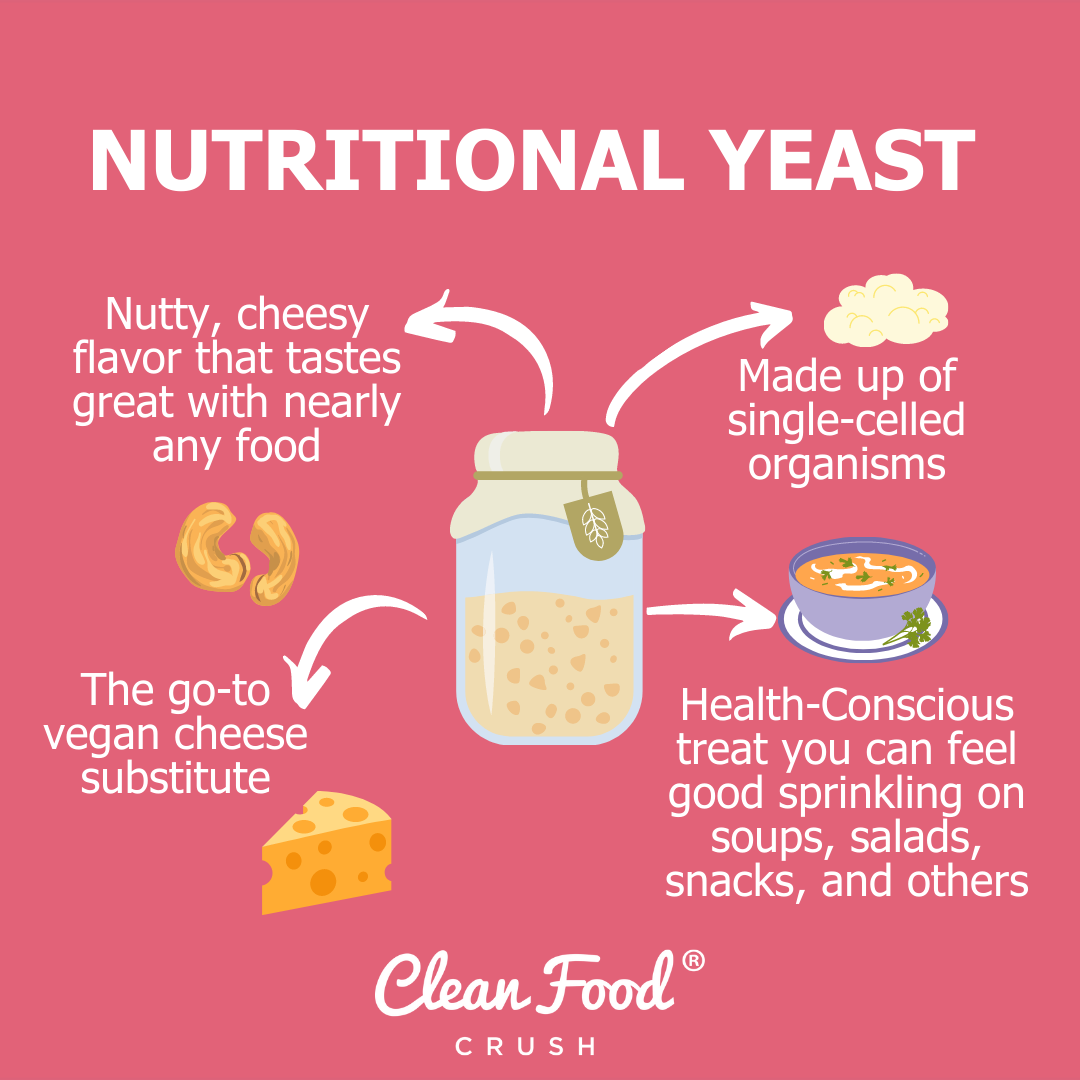
When we ask “what is nutritional yeast made of,” the simple answer is Saccharomyces cerevisiae. But the deeper, more accurate answer is that it is a product of high-level biotechnology. It is made of optimized genetic strains, precisely controlled fermentation environments, automated thermal deactivation, and sophisticated drying mechanics.
The transition of nutritional yeast from a niche health-food item to a global tech commodity highlights the power of industrial microbiology. As software and AI continue to integrate with biological processes, the “tech” of nutritional yeast will only become more advanced, paving the way for a future where our food is grown in digital-first, sustainable bioreactors rather than traditional fields. For the tech-savvy consumer, the humble yellow flake is not just a food—it is a proof of concept for the future of synthetic biology and the global food revolution.
aViewFromTheCave is a participant in the Amazon Services LLC Associates Program, an affiliate advertising program designed to provide a means for sites to earn advertising fees by advertising and linking to Amazon.com. Amazon, the Amazon logo, AmazonSupply, and the AmazonSupply logo are trademarks of Amazon.com, Inc. or its affiliates. As an Amazon Associate we earn affiliate commissions from qualifying purchases.