
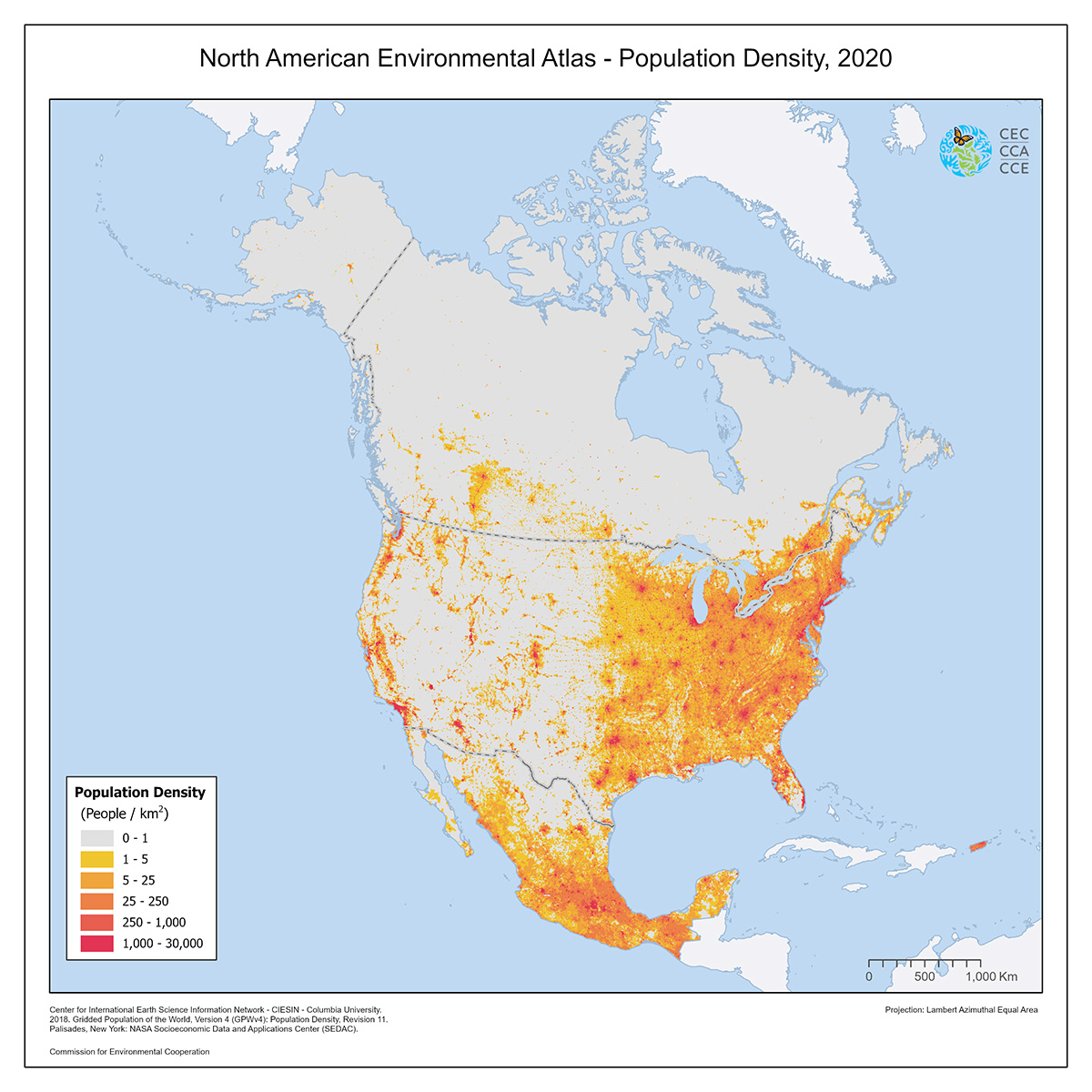
The question of North America’s population is far more than a simple demographic tally; it’s a foundational element influencing economic policy, market dynamics, investment strategies, and the overall financial health of businesses and individuals across the continent. Understanding the scale, distribution, and demographic trends of North America’s populace provides critical insights for financial planning, market sizing, and identifying future economic opportunities and challenges. As of recent estimates, the continent, comprising Canada, the United States, Mexico, and the various smaller nations and territories of Central America and the Caribbean, collectively harbors a population exceeding 600 million people, with the vast majority residing in the three largest economies.
Demographic Footprint and Economic Weight
North America’s population represents a significant global economic force, and its demographic structure directly shapes its economic output and financial markets. The sheer number of individuals translates into a massive consumer base, a substantial labor pool, and diverse market segments that drive innovation and investment. The three largest economies, the United States, Mexico, and Canada, constitute the vast majority of the continent’s inhabitants and its economic output, making their individual population dynamics particularly influential.
The United States: A Global Economic Engine
With a population exceeding 330 million, the United States stands as the largest economy in North America and a dominant force globally. Its demographic profile—characterized by ongoing, albeit slowing, growth, significant diversity, and an aging cohort—has profound financial implications. A large, relatively affluent consumer base fuels demand for goods and services, driving corporate revenues and contributing to a robust stock market. The aging population, however, introduces fiscal pressures related to healthcare and social security, impacting public finance and long-term investment horizons. Population density and migration patterns also influence real estate markets, infrastructure investment needs, and regional economic disparities, creating distinct financial opportunities and risks across states and metropolitan areas.
Mexico: A Young and Growing Market
Mexico’s population, nearing 130 million, presents a different demographic narrative, marked by a younger age structure and a higher birth rate compared to its northern neighbors. This demographic dividend offers a potentially expanding labor force and a growing consumer market for years to come. For businesses, this translates into opportunities for investment in manufacturing, consumer goods, and services catering to a youthful demographic. However, challenges such as income inequality, infrastructure development needs, and the integration of a growing workforce into formal employment sectors remain crucial financial considerations. Remittances from abroad also play a significant role in Mexico’s economy, influencing household spending and foreign exchange flows.
Canada: Resource Wealth and a Diverse Society
Canada, with a population approaching 40 million, relies heavily on immigration to sustain its population growth and economic vitality. Its vast geography and rich natural resources underpin key industries, but a relatively smaller, aging domestic market necessitates export-oriented strategies. High levels of education and a stable financial system attract foreign investment, while government policies aimed at managed population growth and integration support long-term economic stability. The financial implications include the need for sustained investment in public services, housing, and infrastructure to accommodate new arrivals, alongside maintaining a competitive and productive workforce in a globalized economy.
Population Dynamics and Economic Growth
The overall population size of North America, combined with its growth rate and demographic shifts, is a primary determinant of the continent’s potential for economic expansion. A growing population generally translates into an expanding workforce, increased consumer demand, and a larger tax base, all of which contribute to higher GDP. However, the composition of this growth—age structure, educational attainment, and geographic distribution—is equally critical for sustainable financial prosperity.
The Role of Birth Rates and Life Expectancy
Declining birth rates across much of North America, particularly in the U.S. and Canada, coupled with increasing life expectancy, are leading to an aging population. Financially, this trend has several significant implications. It puts pressure on pension systems and healthcare budgets, as a smaller proportion of the working-age population supports a larger retired cohort. Companies may face labor shortages in certain sectors, driving up wages and potentially impacting profitability. Investors, in turn, look towards industries catering to an older demographic, such as healthcare, pharmaceuticals, and retirement services, while also considering the long-term viability of investment in sectors reliant on a young, growing consumer base.
Migration and its Economic Impact
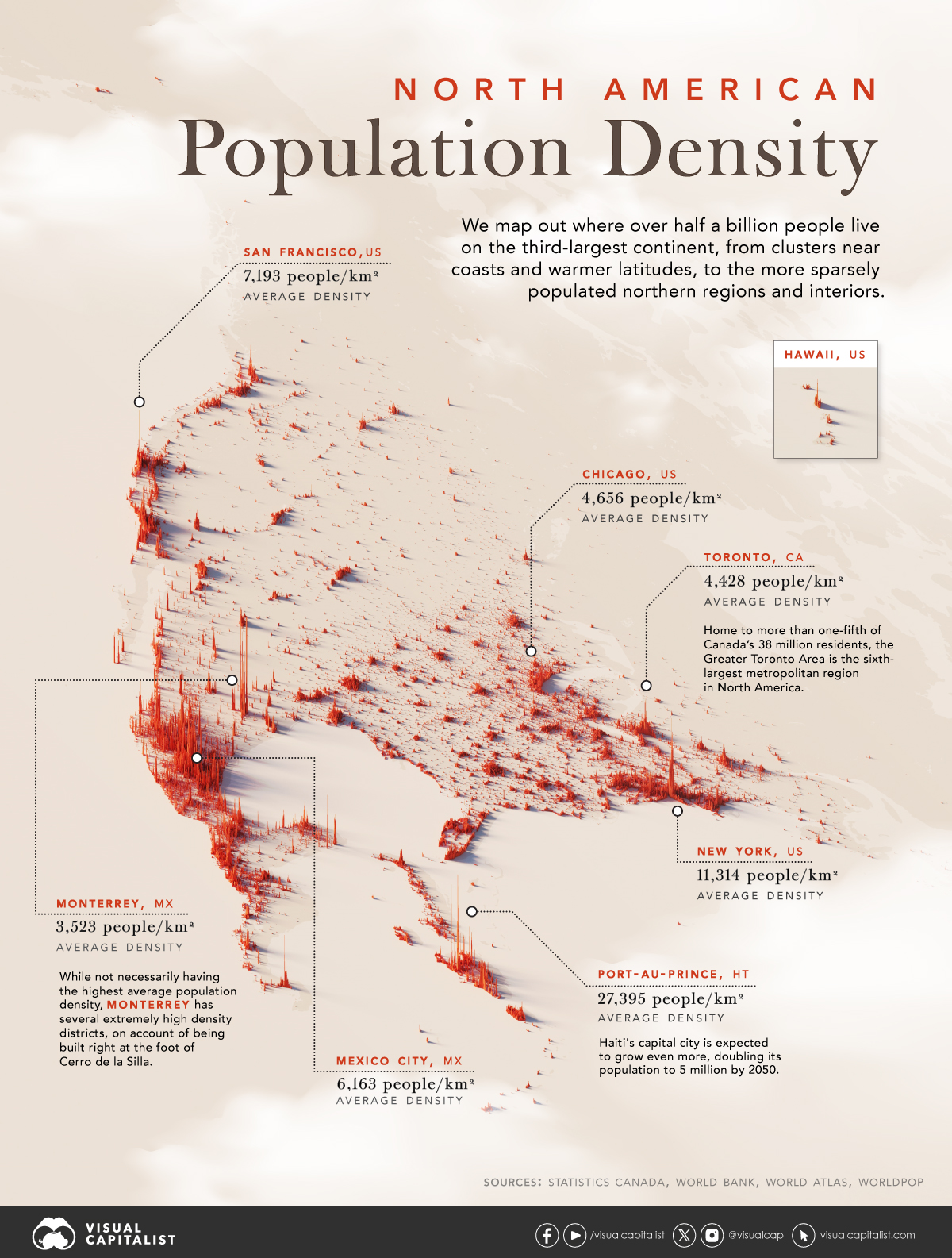
Migration plays a crucial role in shaping North America’s demographic landscape, particularly for the United States and Canada. Immigrants often contribute significantly to the labor force, filling critical skills gaps and stimulating innovation. They are also active consumers and entrepreneurs, driving economic activity and contributing to the tax base. From a financial perspective, well-managed immigration can offset the effects of declining birth rates, bolster economic growth, and enhance fiscal stability. However, integration challenges, social service provisions, and infrastructure demands associated with high immigration levels require careful financial planning and investment to realize these economic benefits fully. Mexico’s unique position as both a source and transit country for migration also has complex financial implications, affecting remittances, labor markets, and cross-border economic ties.
Labor Markets, Productivity, and Business Finance
The size and characteristics of North America’s population are directly linked to the dynamics of its labor markets, influencing wage structures, employment rates, and overall economic productivity. For businesses, understanding these demographic trends is paramount for workforce planning, investment decisions, and financial forecasting.
Workforce Size and Skill Gaps
A large, skilled workforce is a significant asset for any economy. The sheer number of people in North America provides a broad talent pool, but demographic shifts are creating imbalances. Automation and technological advancements are changing the demand for certain skills, while an aging workforce in some sectors leads to a loss of institutional knowledge. Businesses face the financial imperative of investing in retraining programs, attracting diverse talent, and potentially adjusting compensation structures to secure the necessary human capital. The productivity of this labor force, often measured by output per worker, is a key driver of economic growth and directly impacts corporate profitability and national competitiveness in global markets.
Implications for Specific Industries
Certain industries are particularly sensitive to population demographics. The construction sector, for instance, thrives on population growth and household formation, which drive demand for new housing and infrastructure. The retail and consumer goods sectors depend heavily on the size and purchasing power of the consumer base. Energy companies consider long-term population trends when forecasting demand for electricity, natural gas, and fuel. For businesses in these sectors, population forecasts are not just statistics; they are direct inputs into financial models, capital expenditure decisions, and strategic planning. Changes in birth rates, mortality, and migration can lead to significant shifts in market demand, requiring businesses to adapt their financial strategies, from inventory management to capital investments.
Consumer Spending, Markets, and Investment Opportunities
The aggregate population of North America represents one of the world’s wealthiest consumer markets, with significant purchasing power that drives vast sectors of the economy. Understanding its demographic segmentation is crucial for investors and businesses looking to capitalize on market trends.
Market Size and Purchasing Power
With a combined GDP in the tens of trillions, North America’s population constitutes an enormous consumer base. The total number of households, their income levels, and their spending habits dictate the health of consumer-facing industries. Companies analyze population data to identify target markets, estimate sales volumes, and make informed decisions about product development, pricing, and distribution channels. For investors, the ability to accurately gauge market size and growth potential, derived from population statistics, is fundamental to evaluating investment opportunities in publicly traded companies, private equity, and venture capital.
Demographic Segmentation and Niche Markets
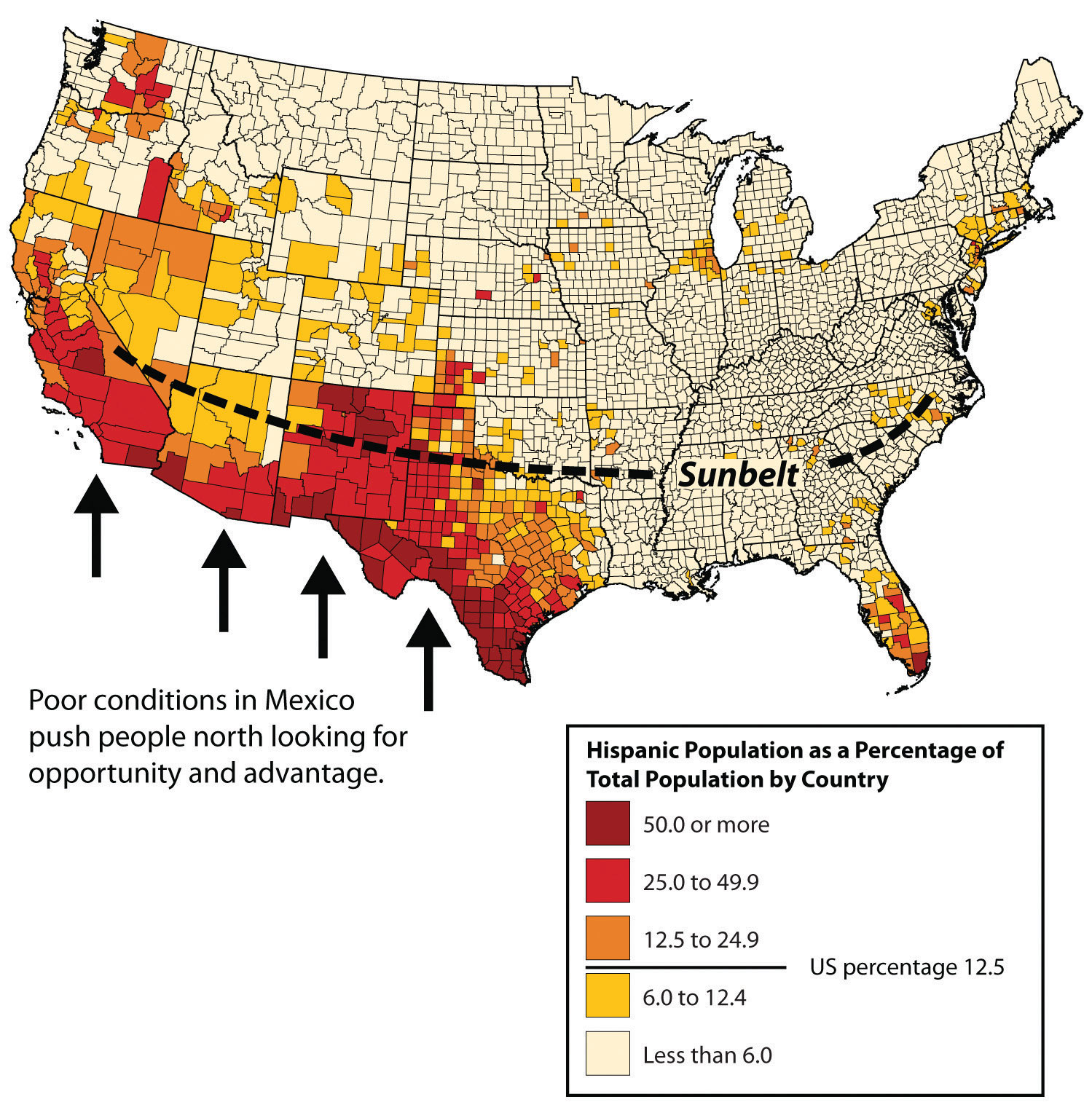
Beyond the overall numbers, the segmentation of the North American population by age, income, ethnicity, and lifestyle creates distinct niche markets. The growing elderly population, for example, fuels demand for specialized healthcare services, retirement communities, and financial products tailored for seniors. The younger generations, often more digitally native and environmentally conscious, drive innovation in e-commerce, sustainable products, and digital services. Investors who understand these nuanced demographic shifts can identify emerging market trends and allocate capital to businesses poised for growth within these segments, from fintech solutions for millennials to biotech firms catering to an aging demographic.
Real Estate and Infrastructure Investment
Population dynamics have a profound impact on real estate values and infrastructure development. Population growth in specific urban centers or regions drives demand for housing, leading to appreciation in property values and opportunities for real estate developers and investors. Conversely, population decline can lead to depressed property markets. Beyond housing, an expanding or shifting population necessitates significant investment in infrastructure—roads, public transport, utilities, schools, and hospitals. These large-scale projects represent substantial investment opportunities, often involving public-private partnerships and long-term financial commitments, making demographic projections a key factor in their feasibility and funding.
In conclusion, the question “what is North America’s population” is foundational to a comprehensive understanding of the continent’s financial landscape. From informing macroeconomic policy and fiscal planning to guiding individual investment decisions and corporate strategies, the numbers, trends, and characteristics of its more than 600 million inhabitants are indispensable for navigating the complex world of money and finance in North America.
aViewFromTheCave is a participant in the Amazon Services LLC Associates Program, an affiliate advertising program designed to provide a means for sites to earn advertising fees by advertising and linking to Amazon.com. Amazon, the Amazon logo, AmazonSupply, and the AmazonSupply logo are trademarks of Amazon.com, Inc. or its affiliates. As an Amazon Associate we earn affiliate commissions from qualifying purchases.