
In the modern home, where convenience meets culinary aspiration, the freezer stands as an unsung hero of food preservation. Far more than just a cold box, it’s a meticulously engineered appliance designed to halt the march of time on perishable goods, locking in nutrients, flavor, and texture for future enjoyment. But like any sophisticated piece of technology, its efficacy hinges on precise operation, most critically, maintaining the correct temperature. Understanding “what is normal temp for a freezer” isn’t merely a point of trivia; it’s a cornerstone of food safety, quality preservation, and indeed, the longevity and energy efficiency of the appliance itself. In an era where smart homes and intuitive gadgets define our living spaces, recognizing the technical specifications and optimal performance parameters of even our most robust appliances becomes paramount. This guide delves into the science, the technology, and the practicalities behind maintaining the ideal temperature for your freezer, transforming it from a simple utility into a high-performing preservation machine.
The Science Behind Freezing: Why Temperature Matters
At its core, a freezer operates on fundamental principles of thermodynamics, leveraging refrigeration cycles to extract heat and maintain a profoundly cold environment. This seemingly straightforward process is crucial for a myriad of reasons, extending beyond mere convenience to impact health, taste, and household economics. Understanding the ‘why’ behind the ‘what’ illuminates the critical importance of a stable, correct freezer temperature.
Preventing Microbial Growth and Enzyme Activity
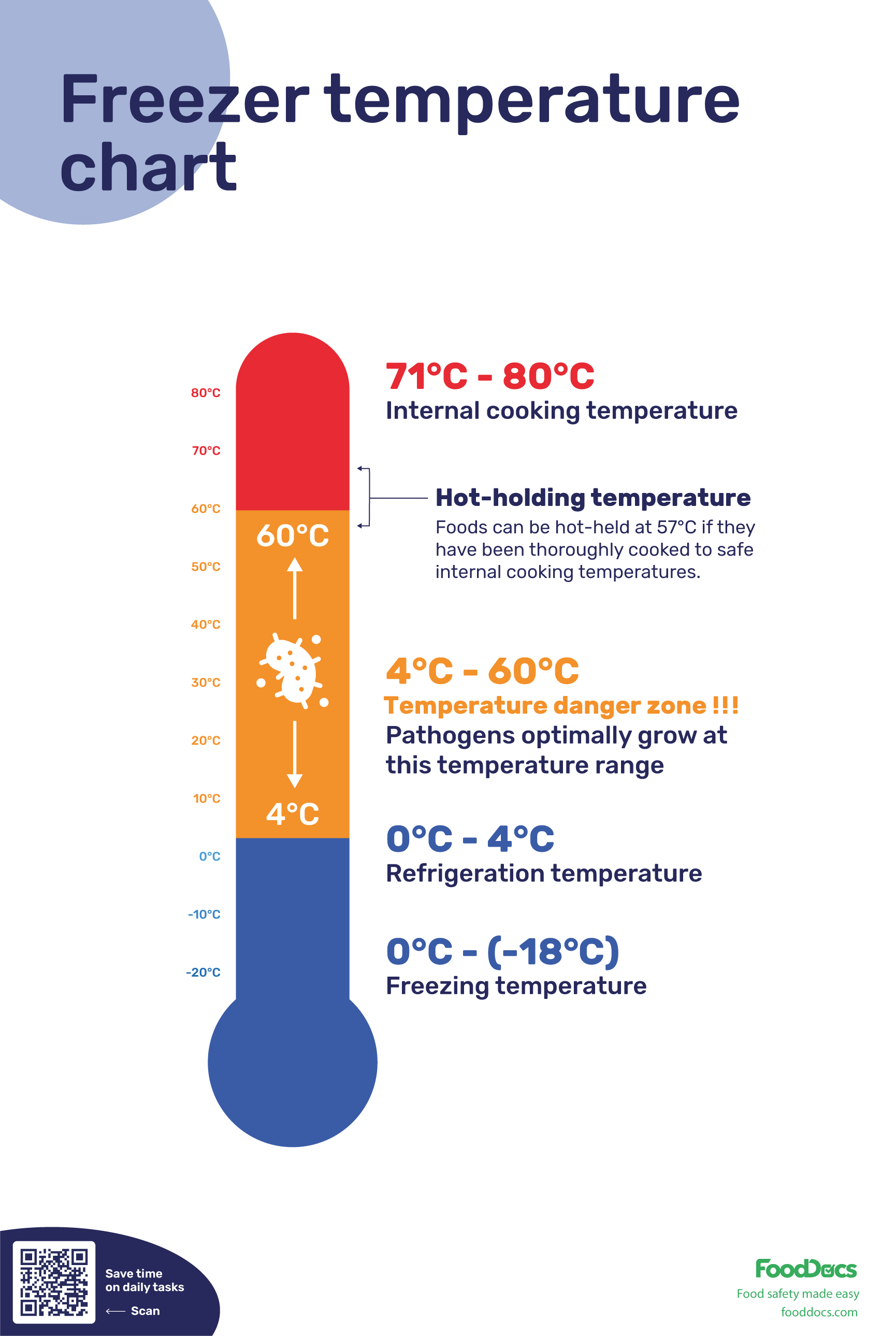
The primary scientific rationale for freezing food is to create an environment hostile to microbial life. Bacteria, yeasts, and molds, which are the main culprits behind food spoilage and foodborne illnesses, require specific conditions—including moisture and warmth—to thrive and multiply. Below freezing point, specifically at 0°F (-18°C) or lower, the water within food turns into ice crystals, effectively making it unavailable for microbial activity. This state of suspended animation prevents the proliferation of dangerous pathogens and spoilage organisms, ensuring food safety for extended periods. Furthermore, enzymatic activity, which can lead to changes in food color, flavor, and texture even without microbial action, is significantly slowed or halted at these frigid temperatures. This double-pronged attack on spoilage mechanisms underscores the critical role of maintaining a consistently low temperature.
Preserving Food Quality: Texture, Flavor, and Nutrients
Beyond safety, proper freezing temperature is vital for maintaining the sensory and nutritional integrity of food. When temperatures fluctuate or are too high, large ice crystals can form within food cells. These sharp crystals rupture cell walls, leading to a mushy texture upon thawing, a phenomenon commonly associated with “freezer burn.” Freezer burn, characterized by dry, discolored spots, occurs when moisture sublimes from the food’s surface due to exposure to dry freezer air, often exacerbated by improper packaging or inconsistent temperatures. Maintaining a stable, optimal temperature minimizes these issues, ensuring that food retains its original texture, flavor, and nutritional value for longer. Delicate vegetables stay crisp, meats remain tender, and fruits retain their vibrancy, all thanks to a consistently cold environment that fosters small, uniform ice crystal formation.
Energy Efficiency and Appliance Longevity
From a technological and economic perspective, maintaining the normal freezer temperature is directly linked to energy efficiency and the lifespan of the appliance itself. A freezer that struggles to reach or maintain its set temperature works harder. Its compressor, the heart of the refrigeration system, will run more frequently and for longer durations, consuming more electricity. This increased workload not only drives up utility bills but also accelerates wear and tear on critical components, potentially leading to costly repairs or premature replacement of the unit. Conversely, a freezer operating within its optimal temperature range, without unnecessary strain, performs efficiently, consumes less energy, and enjoys an extended operational life. This symbiotic relationship between precise temperature control, energy consumption, and durability highlights the sophisticated engineering involved in modern freezers and the importance of adhering to their operational guidelines.
Unpacking the Ideal Temperature Range
Defining the “normal” temperature for a freezer isn’t arbitrary; it’s the result of extensive food science research and industry standards designed to maximize food safety and quality. While minor fluctuations are normal, a specific target range serves as the gold standard for optimal performance.
The Golden Standard: 0°F (-18°C)
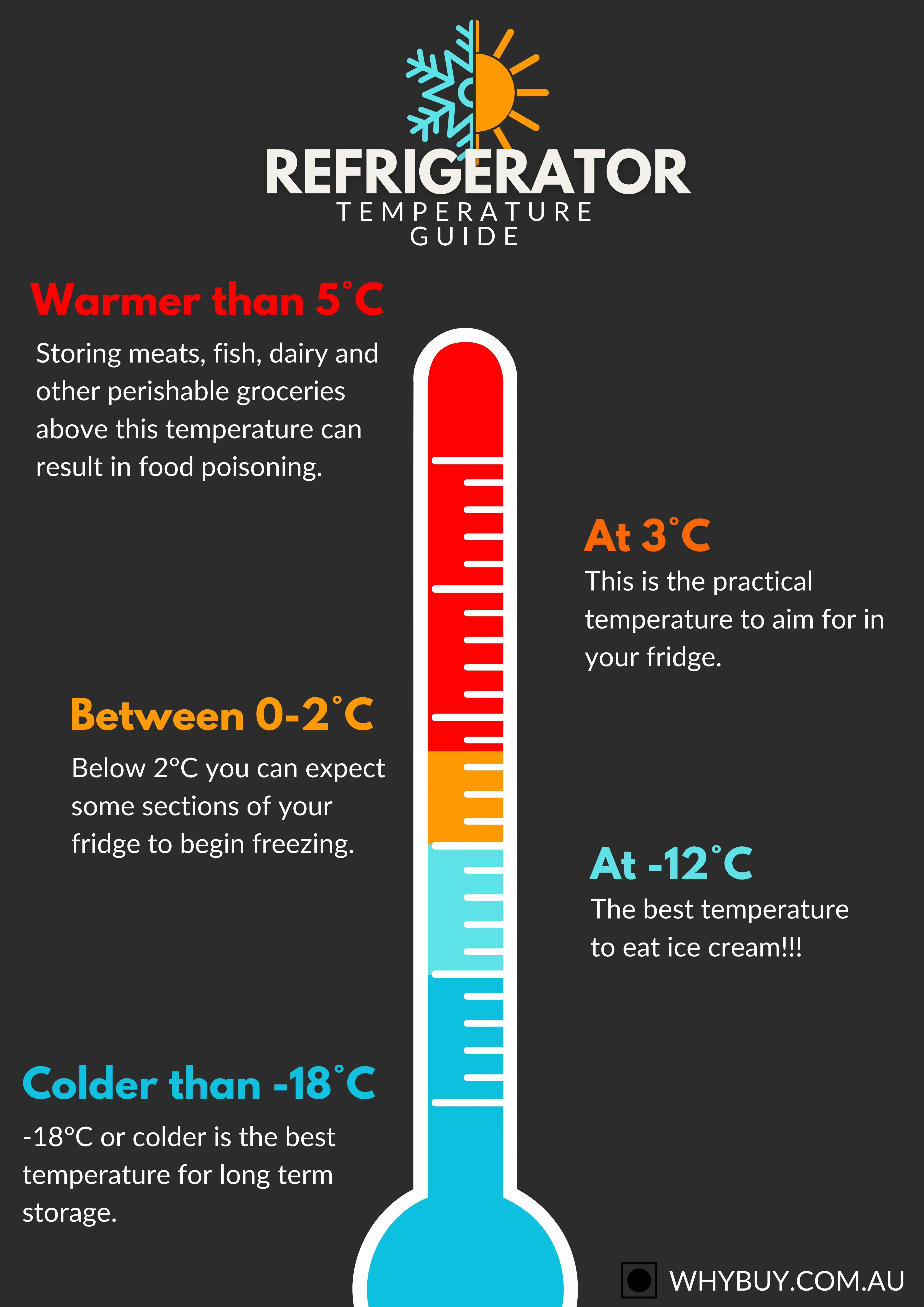
The universally recommended temperature for a freezer is 0°F (-18°C). This specific point is not chosen at random but represents the ideal balance for effectively halting microbial growth and enzymatic activity while minimizing the formation of large ice crystals that degrade food quality. At this temperature, perishable items like meats, poultry, fish, and prepared foods can be safely stored for months, significantly extending their shelf life beyond what refrigeration alone can offer. Modern freezers are engineered to easily achieve and maintain this temperature, often with digital controls offering precise settings. Adhering to this standard is the simplest and most effective way to ensure the safety and quality of your frozen provisions.
Understanding the “Safe Zone”: -4°F to 0°F (-20°C to -18°C)
While 0°F (-18°C) is the benchmark, a slight range from -4°F to 0°F (-20°C to -18°C) is generally considered acceptable and safe. Dropping a few degrees below 0°F (e.g., to -4°F) provides an added margin of safety, especially in households with frequent door openings or older models that might be less efficient at temperature recovery. However, there’s a point of diminishing returns; going significantly colder than -4°F typically doesn’t offer substantial additional benefits in terms of food preservation for most items and can increase energy consumption unnecessarily. The key is consistency within this safe zone. Fluctuations above 0°F, even briefly, can compromise food safety and quality over time, making it crucial to monitor the internal temperature actively.
Digital vs. Analog: Monitoring Your Freezer’s Pulse
Accurate temperature monitoring is a critical tech accessory for any freezer owner. While many modern freezers come with built-in digital displays, these often show the set temperature rather than the actual internal temperature, which can vary due to load, door openings, or appliance issues. Therefore, an independent freezer thermometer is an invaluable tool. Digital thermometers offer precise, easy-to-read measurements and sometimes feature min/max temperature tracking, allowing users to identify if the temperature has spiked during an unnoticed power outage or door left ajar. Analog (dial) thermometers are simpler and battery-free but can be harder to read precisely. Placing a thermometer inside the freezer, ideally towards the middle and away from air vents, provides the most accurate reading of your food’s environment. Regularly checking this thermometer is the best way to ensure your freezer is consistently operating within its normal and safe temperature range.
Factors Influencing Freezer Temperature Stability
Maintaining a consistent normal temperature in a freezer is a dynamic challenge influenced by a complex interplay of internal and external factors. Understanding these variables empowers users to optimize their appliance’s performance and address potential issues proactively.
Ambient Room Temperature and Placement
The external environment in which your freezer operates plays a significant role in its internal temperature stability. Placing a freezer in an unheated garage during winter might lead to its compressor running less frequently, but in summer, or if placed in a hot utility room, it has to work much harder to dissipate heat. High ambient temperatures force the compressor to work longer and harder, consuming more energy and potentially struggling to maintain the set temperature. Conversely, extremely cold ambient temperatures (e.g., in an unheated garage during winter) can sometimes cause modern, highly efficient freezers to struggle with proper temperature cycling if the thermostat is located in the freezer compartment. Proper ventilation around the appliance is also crucial; blockage of the condenser coils, usually located on the back or bottom, prevents heat dissipation, increasing internal temperatures and stress on the system. Optimal placement in a room with a stable, moderate temperature, away from direct sunlight or heat sources, is ideal.
Door Seals and Opening Frequency
The integrity of the door seals (gaskets) and how often the freezer door is opened are critical determinants of temperature stability. Damaged, brittle, or dirty door seals allow warm, moist ambient air to infiltrate the freezer compartment, forcing the appliance to work harder to remove this heat and moisture. This leads to temperature fluctuations and increased frost buildup. Regularly inspecting and cleaning the door seals ensures a tight seal, conserving the cold air within. Similarly, frequent or prolonged door openings, especially during warmer months, introduce significant amounts of warm air, causing the internal temperature to rise. Each time the door is opened, the freezer must expend energy to cool down the new air and remove the introduced moisture. Mindful usage, minimizing door openings, and quickly retrieving items are simple yet effective strategies for maintaining temperature stability and energy efficiency.
Load Management: Full vs. Empty Freezers
Counterintuitively, a relatively full freezer is often more energy-efficient and temperature-stable than an empty one. Frozen food acts as a thermal mass; once frozen, it helps maintain the cold environment. When the door is opened, a full freezer loses less cold air, and its temperature recovers more quickly because the frozen items absorb and retain cold, helping to stabilize the overall temperature. Conversely, an empty or sparsely filled freezer has more air space, which quickly escapes when the door is opened, leading to more significant temperature fluctuations and requiring the compressor to work harder. While it’s not practical to keep a freezer perpetually packed, using inert fillers like crumpled newspaper, water bottles, or reusable ice packs to fill empty spaces can significantly improve temperature stability and efficiency, especially during power outages where a full freezer will stay colder for much longer.
Defrosting Mechanisms and Frost Buildup
Frost buildup is a natural consequence of moisture entering the freezer, and how it’s managed directly impacts temperature consistency. Manual defrost freezers require periodic defrosting to remove accumulated ice, which acts as an insulator, reducing the efficiency of the cooling coils and increasing internal temperatures. Neglecting defrosting can lead to a significant drop in cooling performance and higher energy consumption. No-frost (auto-defrost) freezers, a technological advancement, mitigate this by periodically warming the cooling coils to melt frost, which then drains away. While convenient, the internal temperature might slightly fluctuate during these defrost cycles. However, the system is designed to keep food well within the safe temperature range. Excessive frost buildup in a no-frost freezer can indicate a problem with the defrost system itself, a faulty door seal, or unusually high humidity ingress, all of which compromise temperature stability and require investigation.
Troubleshooting Common Temperature Issues
Even with the most meticulous care, freezers can encounter problems that lead to temperature instability. Identifying these issues early and understanding basic troubleshooting steps can prevent food spoilage and costly repairs. This section provides a practical guide for diagnosing and addressing common temperature-related freezer problems.
Identifying Red Flags: Ice Crystals, Soft Food, Excessive Frost
The first step in troubleshooting is recognizing the symptoms of a problem. Visible signs often provide clear indicators that your freezer is not maintaining its normal temperature:
-
Excessive Ice Crystals on Food: While some frost on packaging is normal, a heavy layer of ice crystals on frozen items or freezer burn indicates that food has partially thawed and refrozen, or that moisture is constantly getting in and out. This signifies temperature fluctuations or a consistently warmer-than-optimal environment.
-
Soft or Partially Thawed Food: This is an obvious and critical red flag. If frozen items feel soft, are pliable, or show signs of thawing (e.g., liquid at the bottom of packaging), the temperature is clearly too high. This poses a significant food safety risk, and such food should be consumed immediately if still safe, or discarded.
-
Excessive Frost Buildup (especially in No-Frost Freezers): In an auto-defrost unit, a thick layer of frost on internal walls, cooling coils, or food packages suggests the defrost system isn’t working correctly, or there’s a major air leak. In manual defrost freezers, this means it’s past due for defrosting.
-
Constant Running of the Compressor: If your freezer’s motor seems to be running non-stop, it’s struggling to maintain temperature, often due to an air leak, a heavy load, or a failing component.
Step-by-Step Diagnostics: From Thermometer Check to Seal Inspection
Once you’ve identified a symptom, systematic troubleshooting can help pinpoint the cause:
-
Check the Thermometer: Always start by verifying the actual internal temperature with an independent freezer thermometer. Ensure it reads 0°F (-18°C) or lower. If not, adjust the freezer’s thermostat setting and wait 24 hours before rechecking.
-
Inspect Door Seals (Gaskets): Open the freezer door and feel along the perimeter of the gasket for cold air leaks. You can also use the “paper test”: close the door on a piece of paper, and if you can easily pull it out, the seal is likely compromised. Clean dirty seals with warm, soapy water. If they are torn or brittle, they need replacement.
-
Check Freezer Load and Organization: Ensure the freezer isn’t overpacked, which can block air vents and prevent cold air circulation. Conversely, if it’s too empty, consider filling some space with water bottles. Arrange items to allow for proper airflow.
-
Examine Condenser Coils: If accessible (usually at the back or underneath), unplug the freezer and carefully clean the condenser coils with a vacuum cleaner or brush. Dust and pet hair on these coils impede heat dissipation, forcing the compressor to work harder.
-
Listen for Fan Operation: Both the evaporator fan (inside the freezer, circulating cold air) and condenser fan (near the compressor, cooling coils) should be running when the compressor is active. If you don’t hear them or hear unusual noises, a fan motor might be failing.
-
Review Placement: Ensure the freezer has adequate clearance around it for ventilation and is not located in an excessively hot environment.
When to Call a Professional: Compressor, Thermostat, or Refrigerant Problems
While many issues can be resolved with DIY steps, some problems require expert intervention. If, after performing the basic diagnostics, your freezer still isn’t maintaining the normal temperature, it’s time to call a qualified appliance technician. These complex issues often involve:
-
Faulty Thermostat: The thermostat controls the temperature cycling. If it’s malfunctioning, it might not be signaling the compressor to turn on or off at the correct times, leading to inconsistent temperatures.
-
Compressor Failure: The compressor is the core component of the refrigeration cycle. If it’s not running or making unusual grinding noises, it could be failing, requiring specialized repair or replacement.
-
Refrigerant Leak: A leak in the sealed refrigeration system will result in a gradual or rapid loss of cooling capability. This is a hazardous issue requiring a professional to locate the leak, repair it, and recharge the system with refrigerant.
-
Defrost System Malfunction: In no-frost freezers, problems with the defrost heater, thermostat, or timer can lead to excessive ice buildup and poor cooling performance. These components often require specialized diagnostic tools to test and replace.
Attempting to repair these intricate components without proper training and tools can be dangerous and further damage the appliance. Knowing when to escalate from user maintenance to professional service is key to the safe and efficient operation of your freezer.
Optimizing Your Freezer for Peak Performance and Longevity
Beyond troubleshooting, proactive measures and smart usage can significantly enhance your freezer’s performance, ensure food safety, and extend its operational lifespan. Treating your freezer not just as a cold box, but as a technological asset, yields considerable benefits.
Smart Storage Practices
Efficient storage is more than just organization; it’s about optimizing airflow and thermal efficiency within the freezer compartment.
-
Don’t Overpack, But Don’t Underfill: As discussed, a moderately full freezer is more efficient. However, avoid stuffing it so tightly that air vents are blocked, which hinders cold air circulation. Leave some space for air to move freely around items.
-
Organize for Access and Airflow: Use bins, shelves, and dividers to keep items organized. This not only makes finding what you need easier, reducing door-open time, but also promotes better air circulation around all items.
-
Package Properly: Use airtight, freezer-safe containers, heavy-duty freezer bags, or vacuum-sealed packaging. This prevents freezer burn, maintains food quality, and minimizes the introduction of moisture, which contributes to frost.
-
Label Everything: Include the item name and date of freezing. This prevents food from being forgotten and passed its prime, reducing waste. Implement a “first-in, first-out” (FIFO) system.
Regular Maintenance Checklist
Consistent, simple maintenance routines can prevent many common freezer issues and ensure continuous optimal performance.
-
Clean Condenser Coils Annually: Unplug the freezer and use a vacuum cleaner with a brush attachment to remove dust and debris from the condenser coils, usually located at the back or underneath the unit. This improves heat dissipation and energy efficiency.
-
Inspect and Clean Door Seals Regularly: Check for cracks, tears, or stiffness. Wipe them down with warm, soapy water to remove food particles and sticky residues that can compromise the seal.
-
Defrost Manual Freezers as Needed: When ice buildup exceeds a quarter to half an inch, it’s time to defrost to restore efficiency.
-
Monitor Temperature with an External Thermometer: Regularly check your independent freezer thermometer to ensure consistent readings within the 0°F to -4°F (-18°C to -20°C) range.

The Role of Smart Freezers and IoT Integration
The evolution of home appliances has brought freezers into the realm of the smart home, offering enhanced monitoring and control capabilities through Internet of Things (IoT) integration.
-
Remote Monitoring and Alerts: Smart freezers can connect to your home Wi-Fi, allowing you to monitor their temperature remotely via a smartphone app. If the temperature rises above a safe threshold (e.g., due to a power outage or a door left ajar), the app can send immediate alerts, giving you time to react and potentially save your food.
-
Predictive Maintenance: Some advanced models can track usage patterns and component performance, providing diagnostic insights or even alerting you to potential issues before they become critical failures.
-
Inventory Management: Future iterations might integrate with smart pantry systems, helping you track what’s inside, when it was frozen, and even suggest recipes based on available ingredients.
These technological advancements transform the freezer from a passive storage unit into an active, intelligent part of your kitchen ecosystem, offering peace of mind and greater efficiency.
Maintaining the normal temperature for a freezer is a multifaceted endeavor that blends basic scientific understanding with practical application and leverages modern technological advancements. From ensuring food safety and preserving quality to optimizing energy consumption and extending appliance life, the seemingly simple act of keeping things cold is a testament to sophisticated engineering and responsible usage. By adhering to the 0°F (-18°C) golden standard, understanding the factors that influence temperature stability, diligently troubleshooting issues, and embracing smart maintenance practices, you empower your freezer to perform at its peak. In a world increasingly reliant on technology for convenience and efficiency, mastering the nuances of this essential kitchen gadget is a smart investment in your health, your culinary adventures, and your household budget.
aViewFromTheCave is a participant in the Amazon Services LLC Associates Program, an affiliate advertising program designed to provide a means for sites to earn advertising fees by advertising and linking to Amazon.com. Amazon, the Amazon logo, AmazonSupply, and the AmazonSupply logo are trademarks of Amazon.com, Inc. or its affiliates. As an Amazon Associate we earn affiliate commissions from qualifying purchases.