
Net Operating Loss (NOL) is a fundamental concept in both personal and corporate finance, particularly within the realm of taxation. Far from being merely an accounting entry, an NOL represents a powerful mechanism that allows businesses and, in certain contexts, individuals to offset past or future taxable income with current losses, significantly impacting tax liabilities and strategic financial planning. Understanding NOLs is crucial for managing financial health, optimizing tax positions, and making informed business decisions, especially in dynamic economic environments.
Understanding the Core Concept of Net Operating Loss
At its heart, an NOL occurs when a company’s or individual’s allowable deductions exceed its taxable income for a specific tax period. While experiencing a loss is generally undesirable, the tax code acknowledges that such periods are a natural part of economic cycles and business growth. The NOL provision serves as a relief measure, preventing taxpayers from being unduly penalized for cyclical downturns or significant initial investments that result in temporary losses.

Defining NOL and its Purpose
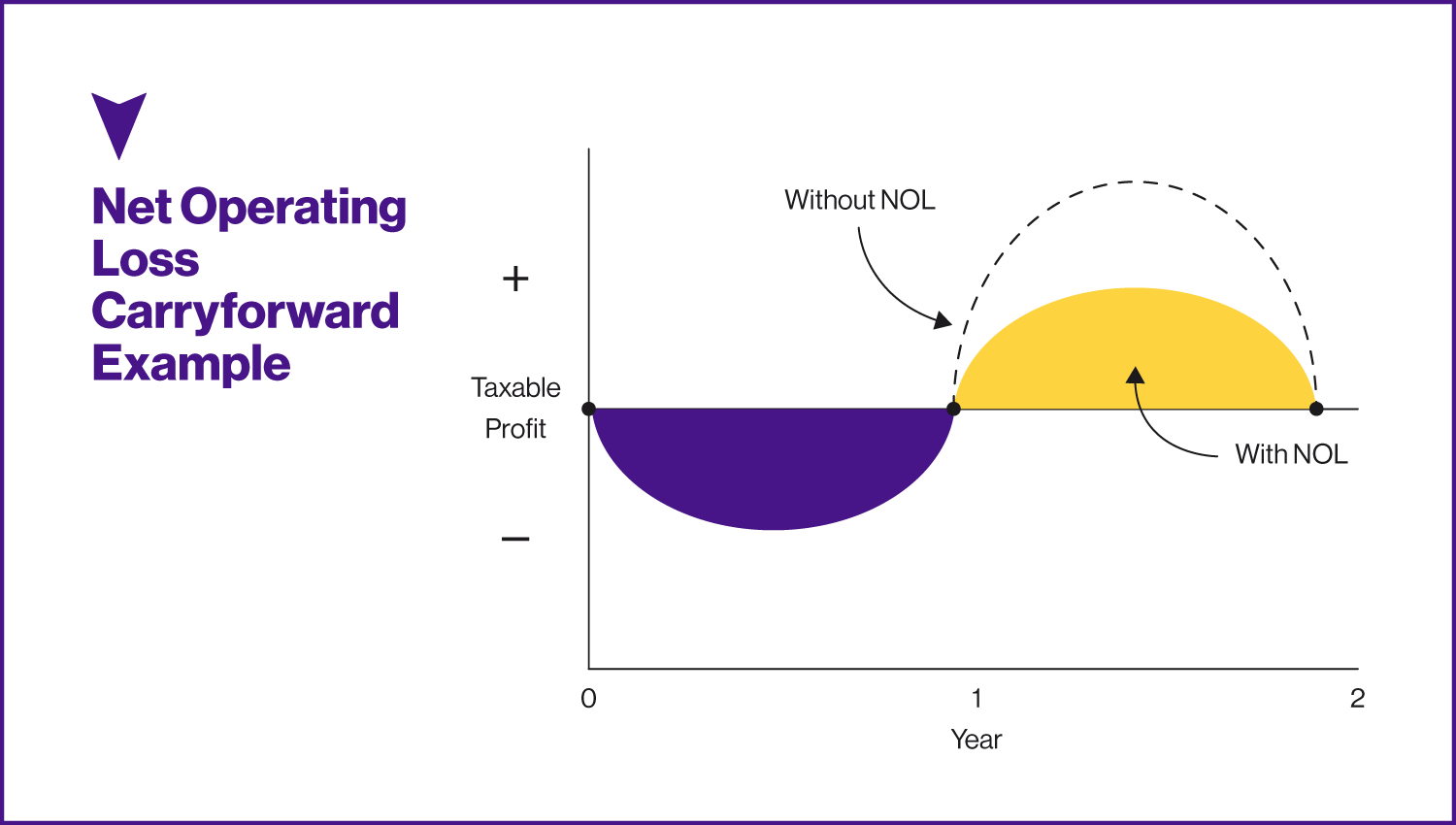
A Net Operating Loss is the excess of business deductions over business gross income for a taxable year. Unlike a simple negative net income figure on an income statement, an NOL is a tax-specific calculation, meaning certain non-business deductions or income items are excluded or adjusted. Its primary purpose is to smooth out the tax burden over multiple periods, allowing a business that experiences a loss in one year to apply that loss against profits in other years. This prevents a scenario where a company pays substantial taxes in profitable years but receives no tax benefit for years in which it incurs significant losses, thereby mitigating economic hardship and promoting long-term stability. For individuals, NOLs primarily arise from business activities (like sole proprietorships) or certain rental real estate activities, not from personal deductions or investment losses.
How NOLs Arise
NOLs can stem from a variety of circumstances, reflecting the diverse challenges and investments inherent in business operations. Common causes include:
- Startup Costs: New businesses often incur substantial expenses for research and development, marketing, equipment acquisition, and talent before generating significant revenue. These initial investment phases frequently lead to taxable losses.
- Economic Downturns: Recessions, industry-specific slumps, or unforeseen market shifts can cause a sharp decline in sales and profitability, leading to losses.
- Major Investments or Expansion: Existing businesses undertaking significant capital expenditures for expansion, new product lines, or technological upgrades might experience a temporary dip in profitability as costs precede revenue generation.
- Increased Competition or Market Changes: Shifting consumer preferences, disruptive technologies, or the entry of new competitors can erode market share and revenue, resulting in losses.
- Catastrophic Events: Natural disasters, pandemics, or other unforeseen events can severely disrupt operations, leading to substantial losses from property damage, business interruption, and reduced demand.
- Legal Settlements or Large Write-offs: Unexpected large legal expenses or the write-off of impaired assets can also contribute to an NOL.
The Mechanics of NOL Carryforwards and Carrybacks
The ability to “carry” a loss means applying it to a different tax year. This mechanism is central to the utility of NOLs, allowing businesses to recover some of the tax paid in profitable years or reduce future tax obligations.
The Evolution of NOL Rules
Historically, NOL rules have undergone significant changes, particularly with major tax reforms. Before the Tax Cuts and Jobs Act (TCJA) of 2017, taxpayers could carry back NOLs for two years and carry forward for 20 years. This provided flexibility, allowing businesses to receive an immediate refund for past taxes paid. The TCJA drastically altered these rules, generally eliminating NOL carrybacks for losses arising in tax years ending after December 31, 2017, and limiting NOL carryforwards to 80% of taxable income in future years. It also allowed indefinite carryforwards.
However, the CARES Act, enacted in response to the COVID-19 pandemic in 2020, temporarily reversed some TCJA provisions, reinstating a five-year carryback period for NOLs arising in tax years beginning in 2018, 2019, and 2020, and temporarily removing the 80% limitation for those years. This demonstrated the government’s willingness to use NOL provisions as an economic stimulus tool. Post-CARES Act, the rules have largely reverted to the TCJA framework for losses arising in tax years beginning after December 31, 2020.
Current Rules for Carrying NOLs
For most businesses and individuals today (regarding NOLs incurred in tax years beginning after December 31, 2020), the primary rule is:
- No Carryback: NOLs generally cannot be carried back to prior tax years, meaning no immediate refund for past taxes paid is typically available.
- Indefinite Carryforward: NOLs can be carried forward indefinitely, allowing them to be used against future taxable income without an expiration date.
- 80% Taxable Income Limitation: The amount of an NOL carryforward that can be deducted in any single future tax year is limited to 80% of the taxpayer’s taxable income (calculated without regard to the NOL deduction). This means that even with a large NOL, a taxpayer will always owe at least some tax if they have sufficient taxable income.
It’s critical for businesses to understand which specific rules apply to their particular NOLs, as the year the loss occurred dictates the applicable carryback and carryforward provisions.
Impact on Taxable Income and Liability
The direct impact of an NOL is a reduction in taxable income. By offsetting current or future profits with past losses, a business effectively reduces the base upon which its tax liability is calculated. This can lead to:
- Lower Current Tax Payments: If an NOL is carried forward, it reduces the taxable income in subsequent profitable years, leading to lower corporate or individual income tax payments.
- Tax Refunds (from carrybacks): For NOLs incurred during periods when carrybacks were permitted, applying the loss to a prior profitable year could result in a refund of taxes previously paid. This provides an immediate cash infusion, which can be critical for struggling businesses.
- Improved Cash Flow: Reduced tax payments or tax refunds directly improve a company’s cash flow, which can be reinvested in operations, used to pay down debt, or distributed to shareholders.
- Enhanced Financial Stability: The ability to offset losses provides a cushion, helping businesses weather periods of volatility and invest in long-term growth even when facing short-term setbacks.
Strategic Implications for Businesses and Individuals
NOLs are not just about compliance; they are a strategic asset that can influence investment decisions, capital structure, and long-term financial planning.

Business Growth and Investment Planning
For growing businesses, especially those in capital-intensive industries or research and development, NOLs are a natural byproduct of expansion. The expectation of future profitability makes current NOLs valuable because they can significantly reduce the tax burden once revenues stabilize and profits begin to materialize. This understanding can influence decisions on:
- Aggressive Investment: Companies may be more willing to undertake large, upfront investments if they know resulting losses can be used to offset future tax liabilities.
- Mergers and Acquisitions: Acquirers often consider the target company’s NOLs as a valuable asset that can be used to shelter their own future income. However, complex rules, such as Section 382 of the Internal Revenue Code, often limit the use of NOLs following ownership changes.
- Project Timelines: The timing of income and expenses can be strategically managed to maximize NOL utilization, especially around year-end.
Mitigating Tax Burden in Volatile Environments
In industries prone to cyclical fluctuations or during periods of general economic uncertainty, NOLs provide a crucial buffer. The ability to carry forward losses allows companies to smooth their effective tax rate over time, making earnings less volatile from a post-tax perspective. This predictability aids in financial forecasting and investor relations, assuring stakeholders that the company is better prepared to navigate downturns. For individual business owners, it ensures that a difficult year doesn’t disproportionately impact their long-term financial plan.
Considerations for Startups and Emerging Companies
Startups almost invariably operate at a loss in their initial years. For these companies, NOLs represent a future tax shield. Investors often factor in the potential value of these accumulated losses when evaluating a startup’s long-term prospects. However, startups must also be mindful of the rules surrounding ownership changes (e.g., during funding rounds), which can potentially limit the usability of their NOLs if not managed carefully. Understanding these implications from inception can guide decisions on capital raises and ownership structures.
Navigating NOLs: Practical Considerations and Best Practices
Effectively managing NOLs requires meticulous record-keeping, a solid understanding of tax law, and often, professional guidance.
Importance of Accurate Financial Record-Keeping
The foundation of effective NOL management is impeccable financial record-keeping. Businesses must accurately track all income, deductions, and adjustments that contribute to the NOL calculation. This includes distinguishing between business and non-business income/deductions, understanding limitations on certain expense types, and correctly calculating the NOL for each tax year. Poor record-keeping can lead to errors, missed opportunities to utilize NOLs, or even penalties during an audit. Specialized accounting software and systems can significantly aid in this process.
When to Seek Professional Financial Advice
Given the complexity and evolving nature of NOL rules, engaging with tax professionals (CPAs, tax attorneys) is often indispensable. They can help:
- Ensure Compliance: Navigate the intricacies of federal and state NOL rules, ensuring that calculations and applications are compliant with current tax law.
- Optimize Utilization: Advise on the best strategies for using NOLs, such as the timing of deductions or specific tax planning maneuvers.
- Manage Ownership Changes: Provide guidance on the impact of mergers, acquisitions, or significant equity changes on NOL usability (e.g., Section 382 limitations).
- Represent During Audits: Assist if the IRS or state tax authorities question NOL calculations or applications.
- Proactive Planning: Incorporate NOLs into broader financial planning, including forecasts, budgeting, and capital allocation decisions.
The Interplay with Other Tax Provisions
NOLs do not exist in a vacuum. They interact with various other tax provisions, which can further complicate their management. For instance:
- Alternative Minimum Tax (AMT): While less prevalent for corporations after TCJA reforms, for individuals and certain entities, AMT could impact the value or utilization of NOLs.
- Section 163(j) Interest Expense Limitation: This provision limits the deductibility of business interest expense to 30% of adjusted taxable income. This limitation can, in turn, affect the calculation of an NOL or the amount of taxable income available for an NOL carryforward.
- Built-in Gains and Losses: In certain corporate restructuring scenarios, rules apply to built-in losses and gains, which can impact how NOLs are treated.
- State and Local Taxes: Many states have their own NOL rules, which may differ significantly from federal regulations. Businesses operating across multiple states must navigate these varying requirements.
NOLs in a Broader Economic Context
Beyond individual business strategy, NOL provisions play a significant role in broader economic policy.
Economic Stimulus and Fiscal Policy
As demonstrated by the CARES Act, governments can leverage NOL rules as a fiscal policy tool. By temporarily easing restrictions on carrybacks or limitations on carryforwards, policymakers can inject liquidity into struggling businesses, provide immediate tax relief, and encourage investment during economic downturns. This helps to stabilize employment, prevent bankruptcies, and accelerate recovery. The ability for businesses to anticipate this relief can influence their resilience planning.
Attracting Investment and Fostering Innovation
The presence of robust NOL provisions can make a country or region more attractive for business investment, particularly for startups and research-intensive industries where initial losses are common. Knowing that losses can be recouped against future profits reduces the financial risk associated with pioneering new technologies or entering new markets. This fosters an environment conducive to innovation, job creation, and long-term economic growth, making NOLs a quiet but powerful force in shaping economic landscapes.
aViewFromTheCave is a participant in the Amazon Services LLC Associates Program, an affiliate advertising program designed to provide a means for sites to earn advertising fees by advertising and linking to Amazon.com. Amazon, the Amazon logo, AmazonSupply, and the AmazonSupply logo are trademarks of Amazon.com, Inc. or its affiliates. As an Amazon Associate we earn affiliate commissions from qualifying purchases.