
Nodular cast iron, often referred to as ductile iron or spheroidal graphite iron (SGI), stands as a testament to material science innovation, bridging the gap between traditional cast irons and steel. This advanced ferrous alloy is a cornerstone in countless technological applications, distinguished by its unique microstructure that confers superior mechanical properties. Far from a simple metal, its development and widespread adoption represent a significant leap in engineering materials, enabling more robust, efficient, and durable components across a vast array of industries.
The Technological Leap: From Flakes to Spheroids
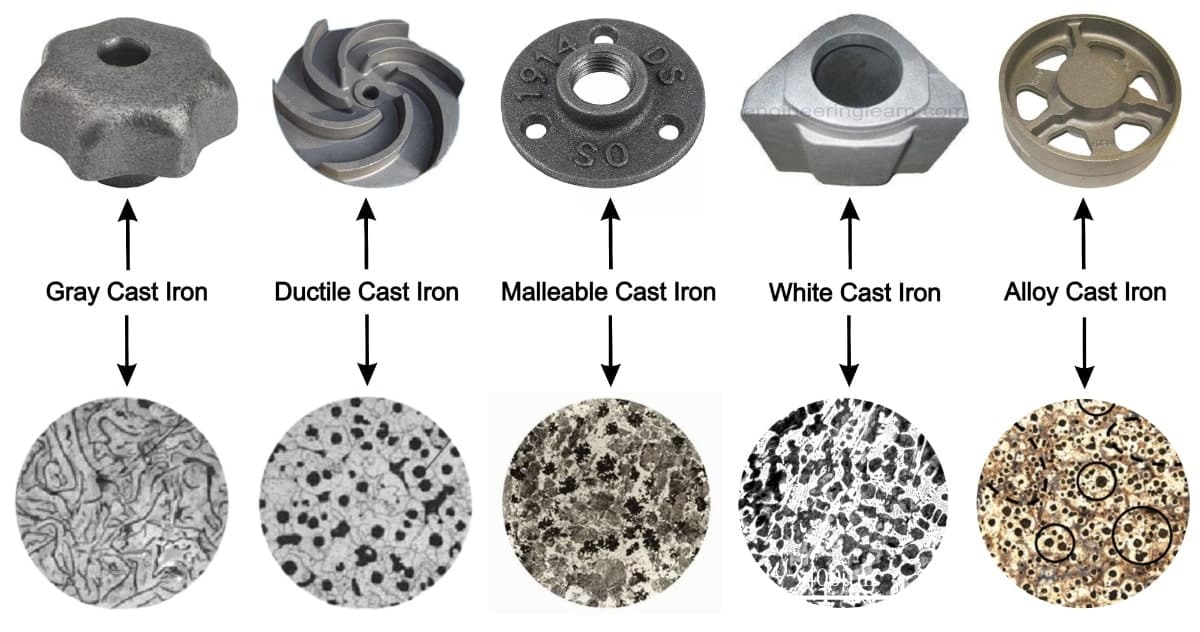
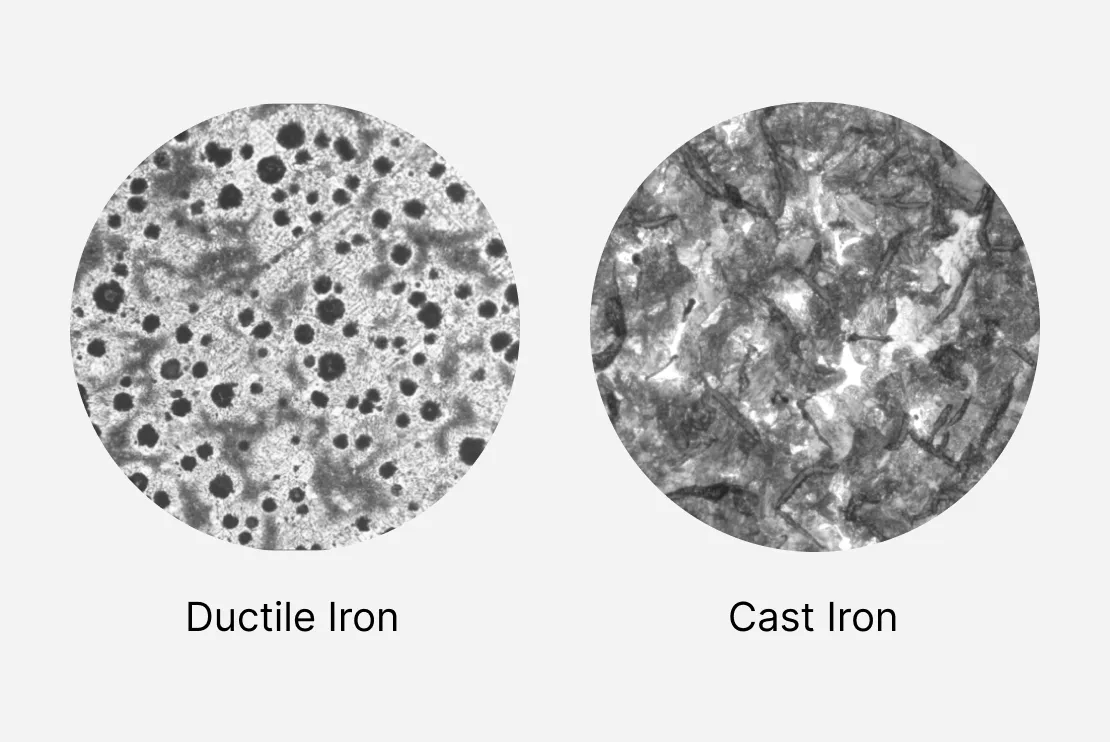
The fundamental distinction of nodular cast iron lies in the shape of its graphite inclusions. In traditional gray cast iron, graphite forms in interconnected flakes, creating stress concentration points that propagate cracks easily, leading to brittleness and low tensile strength. The pivotal technological breakthrough that birthed nodular cast iron involved controlling the solidification process to form graphite into discrete, spherical nodules. This seemingly minor change in morphology drastically alters the material’s mechanical behavior.

The process typically involves adding small amounts of nodulizing agents, such as magnesium or cerium, to molten iron. These elements react with sulfur and oxygen, purifying the melt and promoting the growth of graphite in a spheroidal shape during solidification. The spherical graphite nodules act as crack arrestors rather than initiators, allowing the metallic matrix to deform plastically before fracture. This structural innovation imparts ductility, increased tensile strength, impact resistance, and improved fatigue properties—characteristics that were previously unattainable in conventional cast irons. This engineering marvel effectively combines the processability and cost-effectiveness of cast iron with mechanical properties approaching those of steel, opening new avenues for design and application in high-performance technological systems.
Decoding the Mechanical Advantage: Properties for Performance
The unique microstructure of nodular cast iron translates directly into a suite of impressive mechanical properties that make it an indispensable material in modern engineering. Understanding these properties is key to appreciating its technological relevance.
Superior Strength and Ductility
Unlike brittle gray cast iron, nodular cast iron exhibits significant ductility. Depending on the heat treatment and matrix structure (ferritic, pearlitic, or a combination), its elongation can range from 2% to over 20%. This ductility, coupled with high tensile strength (often exceeding 400 MPa and reaching over 800 MPa in specialized grades), allows engineers to design components that can withstand considerable stresses and shocks without catastrophic failure. This combination is crucial for parts subjected to dynamic loads, where energy absorption and resistance to plastic deformation are paramount.
Impact Resistance and Toughness
The spheroidal graphite acts to blunt potential crack propagation, giving nodular cast iron excellent impact resistance and fracture toughness. This property is vital in applications where components may experience sudden impacts or fluctuating loads, such as in heavy machinery, automotive suspension parts, and agricultural equipment. Its ability to absorb energy before fracturing surpasses that of many other cast materials, contributing to the longevity and safety of mechanical systems.
Wear Resistance and Machinability
Despite its strength and toughness, nodular cast iron also offers good wear resistance, particularly in pearlitic grades. The graphite itself provides some self-lubricating properties, and the inherent hardness of the matrix contributes to its resistance against abrasive wear. Furthermore, its inherent castability allows for the production of complex shapes with good dimensional accuracy, reducing the need for extensive machining. When machining is required, its microstructure allows for relatively good machinability compared to some steels, further aiding manufacturing efficiency and cost-effectiveness in high-volume production.
Corrosion Resistance and Thermal Properties
While not as corrosion-resistant as stainless steels, nodular cast iron generally offers better resistance to corrosion than mild steel in certain environments, especially due to its dense, passivating surface film. Its thermal conductivity is moderate, making it suitable for applications where controlled heat dissipation is required, such as engine blocks or brake components. Its ability to withstand a range of temperatures also extends its utility in various demanding operational environments.
Advanced Manufacturing: Precision Casting and Heat Treatment
The production of nodular cast iron is a sophisticated metallurgical process that requires precise control over alloying elements, melting practices, and solidification parameters. The technological advancements in foundry practices have been instrumental in making nodular cast iron a reliable and cost-effective material.
Melting and Nodulization
The process begins with melting high-purity raw materials in electric induction furnaces, allowing for precise control of the chemical composition. Once molten, the crucial nodulization treatment takes place. This involves introducing magnesium, typically in the form of a ferro-silicon-magnesium alloy, into the ladle. The magnesium addition must be carefully managed to ensure adequate residual magnesium content to promote spheroidal graphite formation while avoiding excessive amounts that can lead to defects. Inoculation, the addition of ferrosilicon, often follows to promote graphite nucleation and prevent chill formation.
Casting Techniques
Nodular cast iron can be produced using various casting techniques, each optimized for different component geometries and production volumes. Sand casting is the most common method, allowing for complex shapes and large components. Other methods include centrifugal casting for pipes and rolls, and shell molding for higher precision and surface finish. The ability to cast intricate designs with good surface finish and tight tolerances directly contributes to its technological advantage by reducing subsequent machining steps and material waste.
Heat Treatment for Tailored Properties
A significant advantage of nodular cast iron is its responsiveness to heat treatment, allowing engineers to tailor its mechanical properties for specific applications.
- Ferritic Nodular Cast Iron: Produced by annealing or slow cooling, this grade offers maximum ductility and toughness, ideal for shock-absorbing components.
- Pearlitic Nodular Cast Iron: Achieved through controlled cooling or by adding pearlite-promoting alloying elements, this grade provides higher strength and hardness but with reduced ductility, suitable for wear-resistant parts.
- Austempered Nodular Cast Iron (ADI): This advanced heat treatment involves austempering, resulting in a matrix of acicular ferrite and stabilized austenite. ADI offers exceptional strength, toughness, and wear resistance, often surpassing certain grades of steel. Its development represents a significant stride in enhancing the performance envelope of cast irons, allowing for lighter, stronger components in demanding applications. The precise control over the heat treatment cycle is a critical technological aspect, relying on sophisticated furnace controls and metallurgical understanding.
Applications in Modern Technology and Engineering
The remarkable properties and versatile manufacturability of nodular cast iron have cemented its place as a critical material in numerous high-tech and industrial sectors. Its ability to combine strength, ductility, and cost-effectiveness makes it an ideal choice for components that face rigorous operational demands.
Automotive Industry
Nodular cast iron is ubiquitous in the automotive sector, playing a crucial role in enhancing vehicle performance, safety, and fuel efficiency. Key applications include:
- Crankshafts and Connecting Rods: Its high fatigue strength and wear resistance make it perfect for these critical engine components, enduring immense cyclical stresses.
- Cylinder Heads and Blocks: Offering good thermal properties and castability for intricate cooling passages.
- Differential Housings, Axle Components, and Steering Knuckles: Providing the necessary strength and toughness for powertrain and chassis components that absorb significant loads and impacts.
- Brake Calipers and Discs: Utilized for their thermal stability and wear characteristics.
Heavy Machinery and Industrial Equipment
In sectors requiring robust and durable components, nodular cast iron is a preferred material:
- Agricultural Equipment: Plows, tractor components, and other implements benefit from its impact resistance and strength.
- Construction Equipment: Components for excavators, cranes, and bulldozers where strength and wear resistance are paramount.
- Wind Turbine Components: Used for hubs, bearing housings, and mainframes, which must withstand massive static and dynamic loads under harsh environmental conditions. The ability to cast large, complex shapes efficiently is a major advantage here.
Infrastructure and Utilities
- Pipes and Fittings: Ductile iron pipes are widely used for water and sewage systems due to their excellent pressure resistance, ductility, and corrosion resistance, ensuring long-term infrastructure reliability.
- Railroad Components: Such as brake blocks and certain structural elements, benefiting from high wear resistance and toughness.
Other Engineering Applications
From gearboxes and hydraulic components to valves and pump bodies, nodular cast iron’s versatility means it’s found in a myriad of other engineering applications where a balance of strength, ductility, and castability is essential for technological performance and reliability.
Future Trends and Innovations
The evolution of nodular cast iron is ongoing, with research and development continually pushing its boundaries. Current trends focus on enhancing its properties further and expanding its application scope. Innovations include:
- Advanced ADI Grades: Further optimizing heat treatments to achieve even higher strength-to-weight ratios, allowing for lighter components and contributing to energy efficiency in end-products.
- Alloying for Specific Properties: Developing new alloy compositions to improve corrosion resistance, high-temperature performance, or specialized wear characteristics.
- Sustainable Manufacturing: Reducing the environmental footprint of foundries through energy efficiency, waste reduction, and material recycling, aligning with broader technological goals of sustainability.
- Digitalization in Foundries: Leveraging AI, IoT, and advanced simulation tools to optimize casting processes, predict material properties, and reduce defects, thereby enhancing the precision and efficiency of nodular cast iron production.
Nodular cast iron, a marvel of metallurgical engineering, continues to evolve, solidifying its position as a critical material that underpins the reliability and performance of countless technological systems worldwide. Its unique combination of properties, coupled with advanced manufacturing techniques, ensures its continued relevance in the relentless pursuit of more efficient, durable, and sustainable engineering solutions.
aViewFromTheCave is a participant in the Amazon Services LLC Associates Program, an affiliate advertising program designed to provide a means for sites to earn advertising fees by advertising and linking to Amazon.com. Amazon, the Amazon logo, AmazonSupply, and the AmazonSupply logo are trademarks of Amazon.com, Inc. or its affiliates. As an Amazon Associate we earn affiliate commissions from qualifying purchases.