
The allure of nicotine, whether through traditional cigarettes, the sleek designs of e-cigarettes, or the convenience of nicotine pouches, has permeated modern society. With the ever-evolving landscape of technology and marketing, understanding the potential dangers of this potent substance is more crucial than ever. While the title “What is Nicotine Poisoning?” might seem straightforward, its implications stretch beyond mere physical symptoms, touching upon the very fabric of how brands are built, how technology is consumed, and how we manage our personal finances and well-being.
This article delves into the multifaceted nature of nicotine poisoning, examining its causes, symptoms, and the broader societal factors that contribute to its prevalence. We’ll explore how technological advancements in nicotine delivery systems, the branding strategies employed by the tobacco and vaping industries, and even the financial decisions individuals make can all intersect with the risks of nicotine toxicity.
The Science Behind Nicotine Poisoning: A Biological Overview
Nicotine, the primary psychoactive compound in tobacco, is a powerful alkaloid that acts as a stimulant and, in higher doses, a neurotoxin. Its mechanism of action involves interacting with nicotinic acetylcholine receptors (nAChRs) in the brain and throughout the body. These receptors play a vital role in neurotransmitter release, influencing everything from mood and cognition to heart rate and muscle function.
When an excessive amount of nicotine enters the bloodstream, it overwhelms these receptors, leading to a cascade of physiological effects that can manifest as poisoning. The severity of these effects is dose-dependent, meaning the more nicotine ingested, the more pronounced and dangerous the symptoms become.
Acute Nicotine Poisoning: Recognizing the Signs
Acute nicotine poisoning occurs when a person is exposed to a large dose of nicotine in a short period. This can happen through various routes of exposure, including:
- Ingestion: Accidental swallowing of tobacco products, e-liquids, nicotine gums, or patches. This is particularly dangerous for children who may mistake brightly colored e-liquids for candy.
- Dermal Absorption: Absorption through the skin, often from handling moist tobacco products or applying nicotine patches incorrectly.
- Inhalation: While less common for acute poisoning in adults from traditional smoking (as the body has some tolerance), high concentrations of aerosolized nicotine from vaping devices, especially with faulty or high-nicotine content, can contribute.
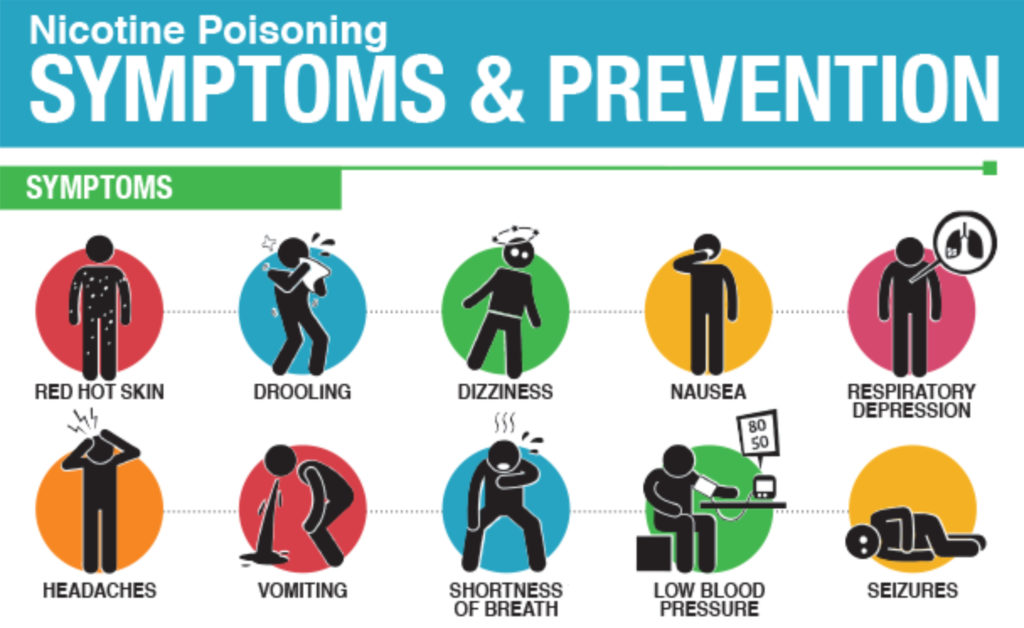
The symptoms of acute nicotine poisoning can be rapid and alarming. They are broadly categorized into two phases: the initial stimulatory phase and the subsequent depressant phase.
Initial Stimulatory Phase (within minutes to hours):
- Nausea and Vomiting: The body’s immediate reaction to a toxic substance.
- Abdominal Pain and Diarrhea: Digestive system distress.
- Increased Heart Rate (Tachycardia) and Blood Pressure: The stimulant effect on the cardiovascular system.
- Sweating: A common physiological response to stress and intoxication.
- Dizziness and Headache: Neurological effects.
- Tremors and Muscle Twitching: Overstimulation of the nervous system.
- Anxiety and Restlessness: Psychological and physiological agitation.
Depressant Phase (hours to days):
As nicotine metabolism continues and its effects on nAChRs change, a depressant phase can set in, characterized by:
- Decreased Heart Rate (Bradycardia) and Blood Pressure: A paradoxical slowing down of the cardiovascular system.
- Lethargy and Weakness: Generalized fatigue.
- Muscle Paralysis: In severe cases, affecting respiratory muscles.
- Difficulty Breathing (Respiratory Depression): A life-threatening symptom.
- Seizures: Severe neurological disruption.
- Coma: Loss of consciousness.
- Death: In cases of extreme overdose.
It is crucial to emphasize that any suspected case of nicotine poisoning requires immediate medical attention. Calling emergency services or a poison control center is paramount.
The Role of Technology and Brand Strategy in Nicotine Consumption and Risk
The modern landscape of nicotine consumption is inextricably linked to technological innovation and sophisticated brand strategies. Understanding these influences is vital to grasping the context of nicotine poisoning risks today.
Heading2: The Evolution of Nicotine Delivery: Tech’s Double-Edged Sword
Technology has revolutionized how nicotine is consumed, moving far beyond traditional cigarettes. This evolution, while offering perceived benefits for some, has also introduced new avenues for accidental overdose and poisoning.
Heading3: E-cigarettes and Vaping Devices: Innovation with Caution
Electronic cigarettes, or e-cigarettes, and other vaping devices utilize battery-powered heating elements to vaporize a liquid (e-liquid) containing nicotine, flavorings, and other chemicals. The technological advancements here are undeniable:
- Customizable Nicotine Strengths: E-liquids come in a vast array of nicotine concentrations, from zero to extremely high levels (e.g., 50mg/mL in some regions for pod systems). This allows users to tailor their intake, but it also means a small amount of highly concentrated e-liquid can be extremely dangerous if ingested.
- Sophisticated Device Designs: Modern vaping devices range from simple, disposable units to complex, customizable mods with advanced temperature control and power settings. While these offer a more controlled experience for experienced users, they can also be confusing, leading to accidental over-inhalation or improper use.
- Rapid Nicotine Delivery: Some vaping devices are designed for rapid nicotine absorption, mimicking the fast-acting nature of cigarette smoking. This can increase the risk of acute toxicity if a user inadvertently inhales more than intended.
The ease of use and discreet nature of many vaping devices have contributed to their widespread popularity, particularly among younger demographics. However, the accessibility of refillable e-liquids, often packaged in child-resistant but not entirely child-proof bottles, remains a significant concern for accidental ingestion and subsequent poisoning, especially in households with children.
Heading3: Nicotine Pouches and Other Modern Products: Convenience and Hidden Dangers
Beyond vaping, newer forms of nicotine delivery have emerged, often marketed for their convenience and “smoke-free” status.

- Nicotine Pouches: These small, discreet pouches are placed between the gum and lip, releasing nicotine directly into the bloodstream. They are often flavored and appeal to those seeking a nicotine fix without the act of smoking or vaping. However, the nicotine content in these pouches can be substantial, and accidental ingestion of multiple pouches can lead to poisoning.
- Nicotine Gums and Lozenges: While these have been around longer, the increased availability and variety of flavors can sometimes lead to excessive use, especially by individuals attempting to quit smoking. Overconsumption can still result in nicotine toxicity.
The technological innovation in nicotine delivery systems has undoubtedly broadened consumer choice. However, it has also amplified the need for consumer education and robust safety regulations to mitigate the risks of accidental poisoning.
Heading2: The Power of Branding: Marketing Nicotine in the 21st Century
The tobacco and vaping industries have long been masters of marketing, employing sophisticated brand strategies to attract and retain consumers. In the modern era, these strategies have become even more nuanced, leveraging technology and psychological appeals.
Heading3: Crafting the Image: From Rebellion to Wellness (or the Illusion of it)
Historically, tobacco brands were associated with rebellion, sophistication, and masculinity. These archetypes have evolved, particularly with the advent of vaping.
- Appealing to Youth Culture: Many vaping brands utilize sleek, modern designs, vibrant colors, and appealing flavors (fruit, candy, dessert) that are particularly attractive to adolescents and young adults. This has been a major point of contention, with accusations of “youth-targeting” marketing.
- The “Safer Alternative” Narrative: Brands often position e-cigarettes and nicotine pouches as “less harmful” alternatives to traditional cigarettes. While there may be some truth to this in terms of reduced exposure to combustion byproducts, this narrative can inadvertently downplay the inherent risks of nicotine itself, including the potential for poisoning and addiction.
- Lifestyle Marketing: Brands invest heavily in creating aspirational lifestyles associated with their products. This can involve influencer marketing, sponsorship of events, and visually appealing social media campaigns that associate nicotine use with being cool, social, or successful.
Heading3: The Psychology of Appeal: Flavors, Design, and Accessibility
The success of modern nicotine products is deeply rooted in understanding consumer psychology.
- Flavor Marketing: The wide array of flavors available for e-liquids and nicotine pouches is a primary driver of their appeal. These flavors can mask the harshness of nicotine, making it more palatable and thus increasing the likelihood of regular use and, potentially, overuse. This is particularly concerning when these flavors mimic those found in candies and snacks, increasing the risk of accidental ingestion by children.
- Device Aesthetics: The design of vaping devices often mimics popular tech gadgets. They are sleek, portable, and can be customized, making them desirable objects. This focus on aesthetics can detract from the fact that these devices deliver a potent drug.
- Ubiquitous Availability: The ease with which these products can be purchased online, in convenience stores, and specialized vape shops contributes to their accessibility. This broad availability, combined with targeted marketing, can normalize their use and increase the overall risk of exposure and poisoning.
The interplay between technological innovation in product design and the sophisticated branding strategies employed by these industries creates a potent combination that can lead individuals, especially vulnerable populations, to underestimate the risks associated with nicotine and, in turn, increase the likelihood of nicotine poisoning incidents.
Financial Implications: The Cost of Nicotine and the Burden of Poisoning
The financial aspects surrounding nicotine consumption are significant, impacting individuals, healthcare systems, and even the broader economy. Understanding these financial dimensions can further illuminate the importance of preventing nicotine poisoning.
Heading2: The Economic Landscape of Nicotine: From Personal Budgets to Public Health
Nicotine products represent a substantial market, and their consumption carries a considerable economic footprint.
Heading3: Personal Finance: The Long-Term Cost of Addiction
For individuals, the regular purchase of nicotine products represents a significant ongoing expense.
- Direct Product Costs: Cigarettes, vaping supplies, e-liquids, nicotine pouches, gums, and patches all have a recurring cost that can add up considerably over time. This expenditure can strain personal budgets, diverting funds from other essential needs or savings goals.
- Health-Related Expenses: While not directly a cost of nicotine poisoning itself, the long-term health consequences of nicotine addiction (e.g., cardiovascular disease, respiratory issues) lead to increased healthcare expenditures. These costs can be astronomical, impacting both individual finances and public healthcare systems.
- Lost Earning Potential: Health issues stemming from nicotine addiction can lead to absenteeism from work, reduced productivity, and even premature disability, all of which impact earning potential.
Heading3: The Healthcare Burden of Nicotine Poisoning
When nicotine poisoning occurs, it places a significant burden on healthcare resources.
- Emergency Room Visits and Hospitalizations: Severe cases of nicotine poisoning require emergency medical intervention, including intensive care, which incurs substantial costs.
- Diagnostic and Treatment Costs: Medical professionals need to perform tests to confirm poisoning and administer treatments, all of which contribute to the overall cost of care.
- Long-Term Health Management: Even after recovery from acute poisoning, individuals may require ongoing medical monitoring and support, adding to the long-term financial impact on the healthcare system.
The financial implications of nicotine consumption are a stark reminder that this is not just a matter of personal choice but also has significant societal and economic consequences, particularly when it leads to dangerous situations like nicotine poisoning.

Conclusion: Navigating the Risks in a Nicotine-Permeated World
The question “What is Nicotine Poisoning?” opens a dialogue that extends far beyond a simple medical definition. It forces us to confront how technological advancements in nicotine delivery, coupled with sophisticated branding strategies, have created a pervasive and often underestimated risk in our modern world. From the sleek design of a vaping device to the enticing flavors of e-liquids and the convenient packaging of nicotine pouches, the landscape of nicotine consumption is constantly evolving.
Understanding the biological mechanisms of nicotine toxicity is the first step, but it is equally vital to recognize the societal forces that influence our relationship with this addictive substance. The tech industry’s role in creating innovative delivery systems and the brand strategists’ skill in crafting appealing narratives both contribute to the widespread availability and consumption of nicotine, inadvertently increasing the potential for accidental poisoning, especially among vulnerable populations.
Furthermore, the financial costs associated with nicotine – from personal expenditures on addictive products to the substantial burden placed on healthcare systems by poisoning incidents – underscore the broader economic impact.
As consumers, educators, policymakers, and healthcare professionals, it is our collective responsibility to remain informed, promote harm reduction, and advocate for regulations that prioritize public health over profit. By understanding the multifaceted nature of nicotine poisoning and its connections to technology, branding, and finance, we can better equip ourselves and our communities to navigate the risks and make healthier choices in an increasingly nicotine-permeated world.
aViewFromTheCave is a participant in the Amazon Services LLC Associates Program, an affiliate advertising program designed to provide a means for sites to earn advertising fees by advertising and linking to Amazon.com. Amazon, the Amazon logo, AmazonSupply, and the AmazonSupply logo are trademarks of Amazon.com, Inc. or its affiliates. As an Amazon Associate we earn affiliate commissions from qualifying purchases.