
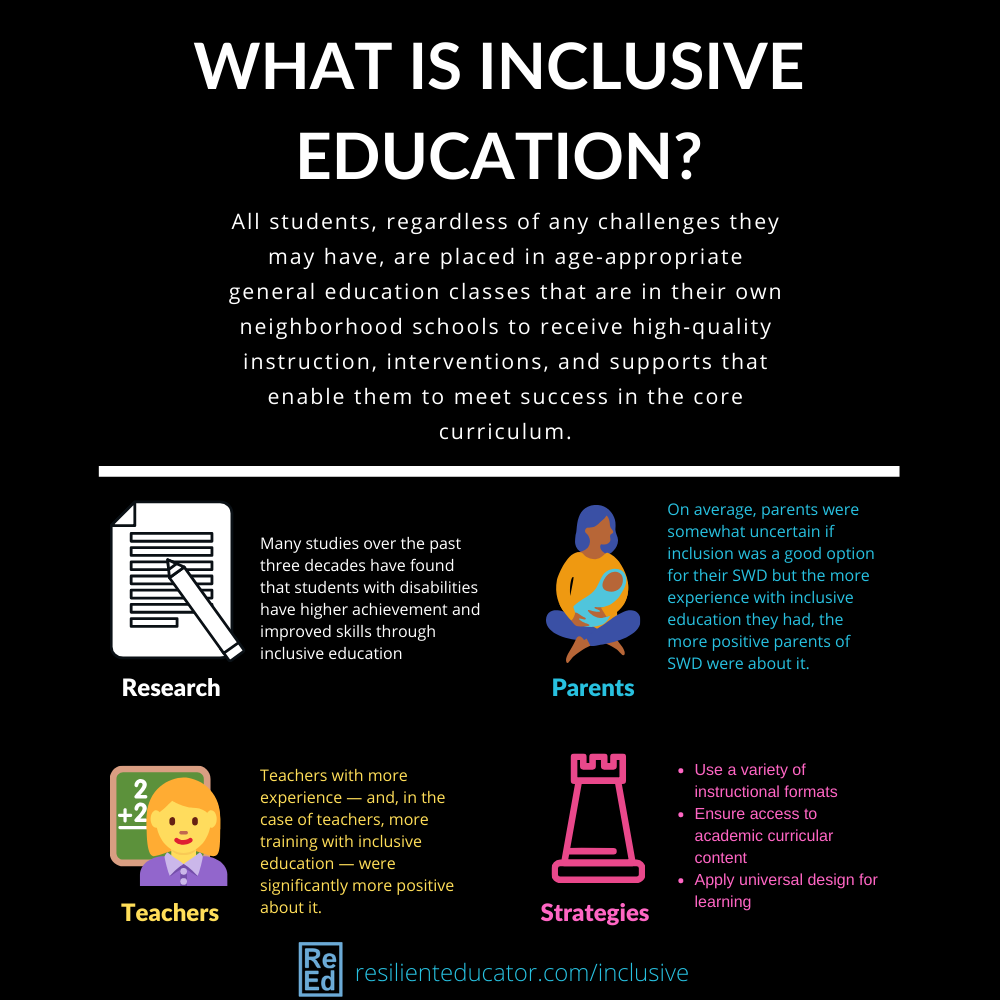
Inclusive education, a paradigm shift in how we approach learning, is more than just a buzzword; it’s a fundamental principle that champions the right of every student to learn alongside their peers, regardless of their background, abilities, or differences. It’s an educational philosophy that strives to dismantle barriers and create learning environments where every individual feels valued, respected, and supported to reach their full potential. This approach recognizes that diversity is not a challenge to be overcome, but a rich resource that can enhance the learning experience for all. At its core, inclusive education is about creating a sense of belonging and ensuring that no student is left behind.
The Foundational Principles of Inclusive Education
Inclusive education is built upon a set of core values and principles that guide its implementation and define its success. These principles are not static but rather a dynamic framework that encourages continuous adaptation and improvement. Understanding these foundational elements is crucial for anyone seeking to foster genuinely inclusive learning environments.
Equity and Access for All Learners
At the heart of inclusive education lies the unwavering commitment to equity and access. This means ensuring that every student, irrespective of their socioeconomic status, ethnicity, gender, disability, or any other characteristic, has an equal opportunity to participate fully in the educational process. Equity, in this context, goes beyond simply providing the same resources to everyone; it involves recognizing that different students may require different levels of support and resources to achieve similar outcomes. This necessitates a proactive approach to identifying and removing systemic barriers that might prevent certain students from accessing quality education.
- Universal Design for Learning (UDL): A cornerstone of ensuring equity and access is the implementation of Universal Design for Learning principles. UDL is a framework that guides the design of learning environments and curricula to accommodate the diverse needs of all learners from the outset. It’s about providing multiple means of representation (how information is presented), multiple means of action and expression (how students demonstrate their learning), and multiple means of engagement (how students are motivated and interested). By designing for the widest range of learners from the beginning, educators can minimize the need for individualized accommodations later on.
- Differentiated Instruction: Recognizing that students learn at different paces and in different ways, differentiated instruction is a key strategy within inclusive education. This involves tailoring teaching methods, content, and assessments to meet the specific needs of individual students or small groups. It’s about providing a range of learning experiences that allow students to engage with material in ways that are most effective for them. This could include providing different levels of reading material, offering a variety of ways for students to demonstrate understanding (e.g., written reports, oral presentations, artistic creations), or adjusting the pace of instruction.
- Addressing Socioeconomic Disparities: Inclusive education also demands a keen awareness of and active effort to address socioeconomic disparities that can impact a student’s ability to access education. This might involve providing resources like free school meals, access to technology and internet at home, or offering support services to families facing economic hardship. It’s about ensuring that a student’s financial circumstances do not become an insurmountable barrier to their educational journey.
Valuing Diversity and Celebrating Differences
Inclusive education fundamentally reframes the perception of diversity from a challenge to a strength. It actively promotes an environment where differences are not only tolerated but celebrated as integral to a rich and dynamic learning community. This shift in perspective is crucial for fostering empathy, understanding, and respect among students and staff alike.
- Creating a Culture of Belonging: A key outcome of valuing diversity is the creation of a strong sense of belonging for all students. This means that every student feels seen, heard, and valued for who they are. Educators play a pivotal role in fostering this culture by actively promoting positive interactions, addressing instances of prejudice or discrimination swiftly and effectively, and ensuring that all voices in the classroom are respected. This can be achieved through open discussions about diversity, incorporating multicultural perspectives into the curriculum, and creating opportunities for students to share their unique experiences and backgrounds.
- Promoting Intercultural Understanding: Inclusive classrooms are fertile ground for developing intercultural understanding and global citizenship. When students from diverse backgrounds learn together, they are exposed to different customs, traditions, and ways of thinking. This exposure helps to break down stereotypes, foster empathy, and build bridges of understanding. Educators can facilitate this by integrating diverse cultural perspectives into lesson plans, organizing cultural exchange activities, and encouraging students to learn about each other’s heritage.
- Challenging Stereotypes and Bias: A core aspect of valuing diversity is actively challenging and dismantling stereotypes and biases that may exist within the educational system and among students. This requires educators to be self-aware of their own potential biases and to create a classroom environment where such biases are openly discussed and addressed. It also involves critically examining curriculum materials to ensure they represent a wide range of voices and perspectives, and do not perpetuate harmful stereotypes.
Collaboration and Partnership for Support
Inclusive education is not a solitary endeavor but a collaborative effort that involves multiple stakeholders working together to support every student’s learning journey. This collaborative spirit extends beyond the classroom walls to encompass families, communities, and a range of specialized professionals.
- Teacher Collaboration and Professional Development: Teachers are at the forefront of inclusive education, and their ability to collaborate effectively with colleagues is paramount. This includes sharing best practices, co-planning lessons, and providing peer support. Furthermore, ongoing professional development is essential to equip educators with the knowledge, skills, and strategies needed to effectively support diverse learners. This can include training on specific learning disabilities, positive behavior interventions and supports, and culturally responsive pedagogy.
- Family and Community Engagement: The involvement of families and the wider community is a critical component of successful inclusive education. Parents and guardians are invaluable partners, possessing unique insights into their child’s strengths, challenges, and learning preferences. Building strong home-school connections through open communication, regular meetings, and involving families in decision-making processes can significantly enhance a student’s educational experience. Community resources and partnerships can also provide valuable support, such as guest speakers, field trip opportunities, and specialized interventions.
- Interdisciplinary Support Teams: For students with more complex needs, the formation of interdisciplinary support teams is vital. These teams may include special education teachers, regular education teachers, school psychologists, speech-language pathologists, occupational therapists, counselors, and other specialists. By working collaboratively, these professionals can develop comprehensive support plans, share expertise, and ensure that a student receives coordinated and consistent assistance across all areas of their development and learning.
Implementing Inclusive Education: Strategies and Best Practices
Translating the principles of inclusive education into practice requires a thoughtful and strategic approach. It involves not only understanding the theoretical underpinnings but also actively employing effective pedagogical strategies and creating supportive learning environments. This section explores practical ways in which inclusive education can be effectively implemented.
Designing Learning Environments that Support All Learners
The physical and pedagogical design of the learning environment plays a significant role in fostering inclusivity. It’s about creating spaces and structures that are accessible, flexible, and conducive to learning for every student.
- Physical Accessibility and Adaptations: Ensuring physical accessibility is a foundational step. This involves making sure that classrooms, common areas, and learning materials are accessible to students with physical disabilities. This might include ramps, accessible restrooms, adjustable desks, and assistive technology. Beyond physical access, creating a calming and organized environment can benefit students with sensory sensitivities.
- Flexible Learning Spaces: Moving away from rigid classroom layouts, flexible learning spaces can cater to a variety of learning styles and activities. This could involve designating areas for quiet individual work, collaborative group activities, hands-on learning, and relaxation. Providing students with some choice and autonomy over their learning environment can increase engagement and reduce anxiety.
- Positive Classroom Management and Behavior Support: Effective classroom management in an inclusive setting focuses on proactive strategies that promote positive behavior and minimize disruptions. This involves establishing clear expectations, fostering positive relationships between students and teachers, and utilizing positive reinforcement. When behavioral challenges arise, a focus on understanding the underlying causes and providing appropriate support, rather than solely punitive measures, is crucial.
Differentiating Curriculum and Instruction
The ability to adapt and personalize the curriculum and instructional methods is a hallmark of inclusive education. It acknowledges that a one-size-fits-all approach is insufficient for meeting the diverse needs of learners.
- Tiered Assignments and Activities: Providing tiered assignments allows students to work on the same core concept but at different levels of complexity or with varying degrees of support. For example, in a science lesson, some students might be asked to define key terms, while others might be challenged to apply those terms in a problem-solving scenario.
- Varied Assessment Methods: Inclusive education embraces a diverse range of assessment methods that allow students to demonstrate their understanding in ways that align with their strengths. This can include traditional tests, but also projects, presentations, portfolios, performance tasks, and self-assessments. The goal is to get a holistic picture of a student’s learning, rather than relying on a single, potentially limiting, form of evaluation.
- Utilizing Assistive Technology: Assistive technology (AT) can be a powerful tool for enabling students with disabilities to access the curriculum and participate more fully in learning activities. This can range from simple tools like graphic organizers and word prediction software to more complex devices like speech-to-text software, communication boards, and adaptive keyboards. The appropriate selection and integration of AT are key to its effectiveness.
Fostering a Culture of Inclusion and Respect
Beyond structural and pedagogical changes, cultivating a deep-seated culture of inclusion and respect is paramount. This involves actively nurturing an environment where every individual feels safe, valued, and empowered.
- Social-Emotional Learning (SEL): Integrating social-emotional learning into the curriculum provides students with opportunities to develop essential skills such as self-awareness, self-management, social awareness, relationship skills, and responsible decision-making. These skills are fundamental for building positive relationships, managing emotions, and navigating social situations effectively, all of which are crucial for a truly inclusive environment.
- Peer Support and Mentorship Programs: Encouraging peer support and mentorship can create powerful bonds and foster a sense of shared responsibility for learning. Older or more advanced students can be paired with younger students or those who need additional support, creating opportunities for both academic and social growth. These programs can help to break down social barriers and build a more cohesive and supportive learning community.
- Promoting Empathy and Understanding through Literature and Activities: Literature can be a powerful vehicle for fostering empathy and understanding of diverse perspectives. By selecting books and stories that represent a wide range of characters, experiences, and backgrounds, educators can open up discussions about different cultures, abilities, and challenges. Engaging students in role-playing activities, debates, and reflective writing can further deepen their understanding and appreciation of others.
The Benefits of Inclusive Education: For Students, Educators, and Society
The positive impact of inclusive education extends far beyond the individual student. It creates a ripple effect that benefits educators, families, and society as a whole, fostering a more equitable, understanding, and vibrant world.
Enhanced Academic and Social Outcomes for All Students
When students learn in inclusive environments, they often experience improved academic performance and more robust social development. The diverse perspectives and interactions inherent in these settings create a richer learning experience for everyone.
- Improved Academic Achievement: Research consistently shows that students in inclusive settings, including those with disabilities, often achieve higher academic outcomes. This is attributed to increased expectations, exposure to a broader range of instructional strategies, and the collaborative learning opportunities that foster deeper understanding.
- Development of Essential Social Skills: Inclusive classrooms provide natural opportunities for students to develop vital social skills such as communication, cooperation, empathy, and conflict resolution. Learning to interact effectively with individuals who have diverse backgrounds and abilities prepares students for success in a diverse and interconnected world.
- Increased Self-Esteem and Confidence: When students feel accepted, valued, and supported, their self-esteem and confidence flourish. The sense of belonging fostered in inclusive environments helps students to feel more comfortable taking risks, participating actively, and striving for their personal best.
Professional Growth and Enrichment for Educators
The implementation of inclusive education practices offers significant opportunities for professional growth and enrichment for educators. It encourages innovation, collaboration, and a deeper understanding of diverse learning needs.
- Development of Diverse Pedagogical Skills: Inclusive education necessitates that educators expand their repertoire of teaching strategies to cater to a wider range of learning styles and needs. This leads to the development of more flexible, creative, and effective teaching practices that can benefit all students.
- Increased Collaboration and Shared Expertise: Inclusive models often foster strong collaborative relationships among educators, specialists, and support staff. This collaborative environment promotes the sharing of knowledge, best practices, and problem-solving strategies, leading to a more supportive and effective professional community.
- Greater Understanding and Appreciation of Diversity: Working within inclusive settings provides educators with invaluable opportunities to deepen their understanding and appreciation of the diverse backgrounds, abilities, and experiences of their students. This fosters a more empathetic and culturally responsive approach to teaching.

Building a More Equitable and Just Society
Ultimately, inclusive education is a powerful force for building a more equitable and just society. By nurturing a generation that values diversity and understands the importance of inclusion, we lay the groundwork for a future where everyone has the opportunity to thrive.
- Fostering a Culture of Acceptance and Respect: Inclusive education helps to dismantle prejudice and discrimination by exposing students to diversity from an early age and teaching them to appreciate and respect differences. This cultivates a society that is more accepting, tolerant, and understanding of all its members.
- Promoting Social Cohesion and Interdependence: When individuals from all walks of life learn and grow together, it strengthens social cohesion and fosters a sense of interdependence. This leads to communities that are more connected, supportive, and resilient.
- Maximizing Human Potential: By ensuring that every individual has access to quality education and the support they need to succeed, inclusive education maximizes the potential of all members of society. This leads to a more innovative, productive, and engaged citizenry, benefiting everyone.
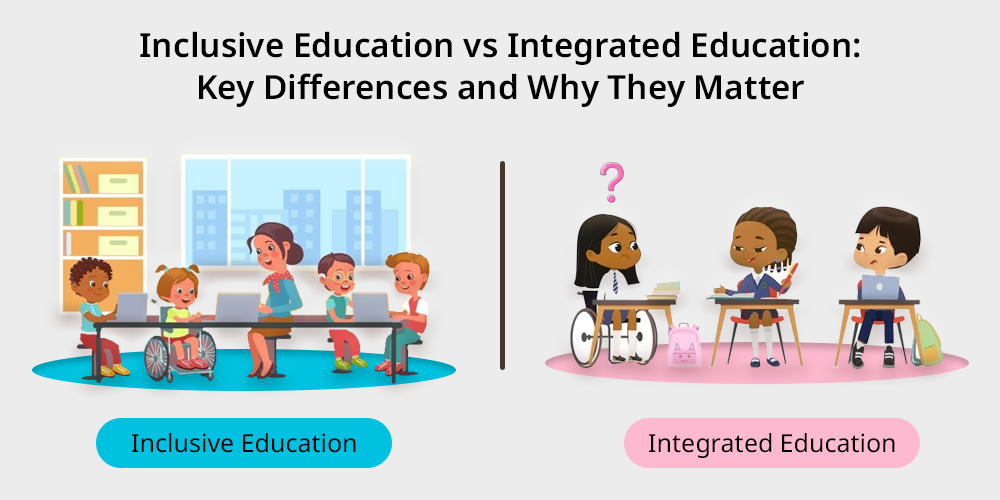
In conclusion, inclusive education is a transformative approach that moves beyond mere integration to embrace and celebrate the inherent diversity of learners. It is a commitment to creating educational environments where every student feels valued, supported, and empowered to reach their full potential. By fostering equity, valuing diversity, and embracing collaboration, inclusive education not only enhances individual learning outcomes but also contributes to the creation of a more just, equitable, and compassionate society for all.
aViewFromTheCave is a participant in the Amazon Services LLC Associates Program, an affiliate advertising program designed to provide a means for sites to earn advertising fees by advertising and linking to Amazon.com. Amazon, the Amazon logo, AmazonSupply, and the AmazonSupply logo are trademarks of Amazon.com, Inc. or its affiliates. As an Amazon Associate we earn affiliate commissions from qualifying purchases.