
The landscape of Information Technology is currently undergoing its most significant transformation since the dawn of the internet. We have moved past the era of mere digitalization into an age defined by cognitive computing, hyper-connectivity, and the decentralized processing of data. As organizations and individuals navigate this rapidly shifting terrain, several key pillars have emerged as the defining forces of the new IT era. From the integration of generative intelligence into every software layer to the critical evolution of cybersecurity protocols, the “new” in IT technology is characterized by speed, intelligence, and an unprecedented focus on hardware-software synergy.
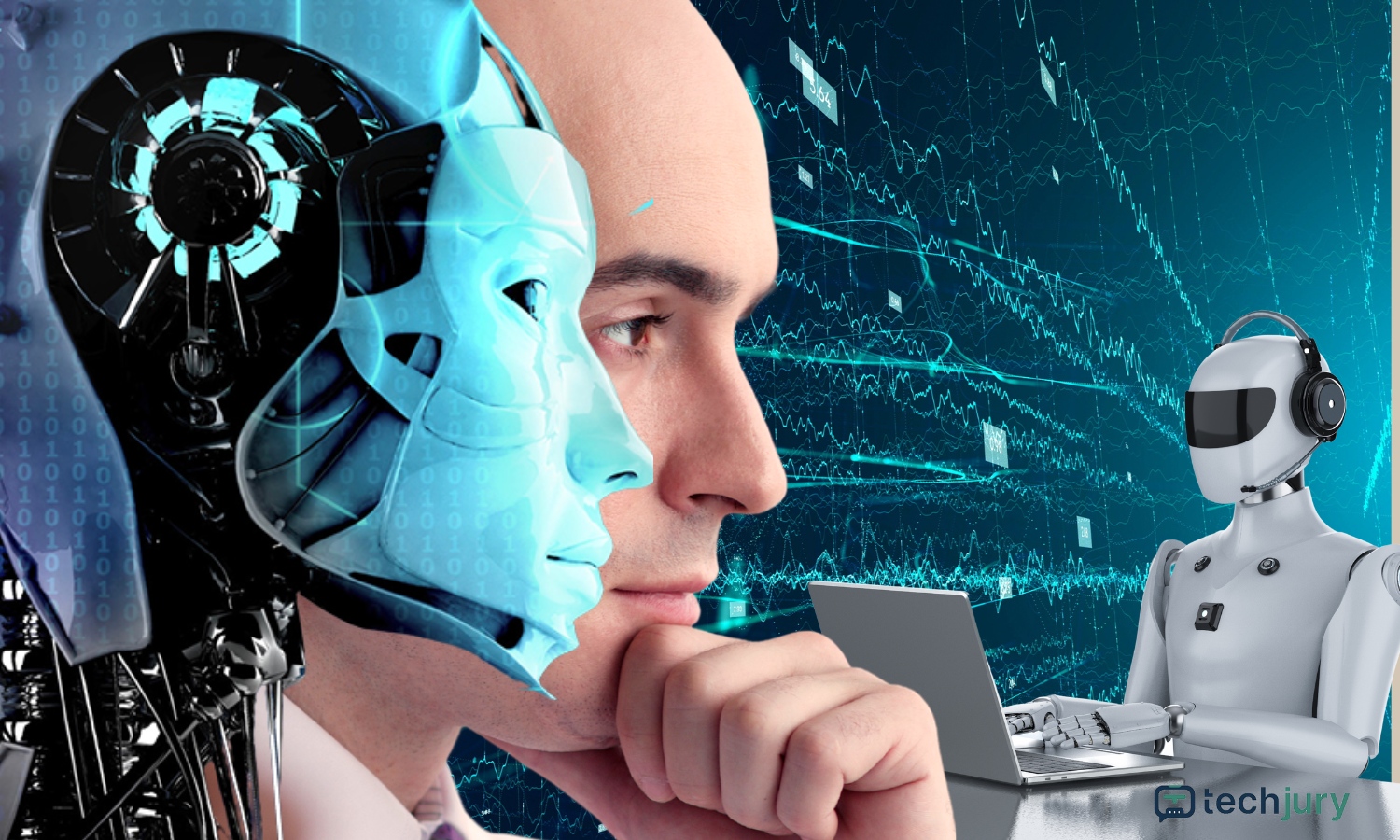
The Generative AI Paradigm Shift and the Rise of Autonomous Agents
The most visible shift in modern IT is the transition from predictive AI to generative AI. While the previous decade focused on algorithms that could categorize data or predict trends, the current era is defined by systems that create, reason, and act. This evolution is moving beyond simple text-based interfaces toward autonomous agents—systems capable of executing complex workflows with minimal human intervention.
From Chatbots to Action-Oriented AI Agents
The initial wave of generative AI was characterized by LLMs (Large Language Models) serving as sophisticated search engines or creative assistants. Today, the focus has shifted to “agentic” AI. These are systems designed to interact with other software tools, navigate web interfaces, and manage multi-step projects. For instance, instead of merely drafting an email, a modern AI agent can research a lead, update a CRM database, schedule a meeting by checking calendars, and draft the follow-up documentation. This shift represents a move toward the “AI-as-an-Employee” model, where IT departments must manage digital personas alongside human staff.
The NPU Revolution in Personal Computing
To support these heavy computational loads, the hardware industry is undergoing a fundamental redesign. We are seeing the rise of the NPU (Neural Processing Unit) as a core component of the modern PC. Manufacturers like Intel, AMD, and Apple are integrating dedicated AI accelerators into their silicon to handle tasks locally rather than relying solely on the cloud. This trend, often referred to as “AI PC,” allows for real-time translation, advanced background blur in video calls, and local data processing that enhances privacy and reduces latency.
Cybersecurity 2.0: Defending the Perimeter with AI and Zero Trust
As technology advances, so do the threats. The IT security landscape is currently facing a dual challenge: defending against AI-powered attacks while transitioning to architectures that assume no network is inherently safe. The “new” in security is a move away from the traditional “castle and moat” strategy toward a dynamic, identity-centric approach.
The Implementation of Zero Trust Architecture
Zero Trust is no longer a theoretical framework; it is becoming the mandatory standard for enterprise IT. The core philosophy—”never trust, always verify”—dictates that every access request, whether originating from inside or outside the network, must be authenticated, authorized, and continuously validated. In practice, this means the end of broad VPN access and the rise of micro-segmentation, where users are granted access only to the specific applications they need to perform their jobs, rather than the entire network.
Battling AI-Enhanced Phishing and Deepfakes
Cybercriminals are leveraging generative AI to create highly sophisticated phishing campaigns that are virtually indistinguishable from legitimate communications. These “spear-phishing” attacks are now automated at scale, using stolen data to craft personalized messages that bypass traditional email filters. Furthermore, the rise of deepfake audio and video has introduced a new tier of social engineering, where attackers can impersonate executives in real-time video calls. In response, IT security tools are integrating behavioral analysis—monitoring not just where a user logs in from, but how they interact with the system—to detect anomalies that suggest a compromised account.
The Evolution of Cloud: Edge Intelligence and Sovereign Clouds
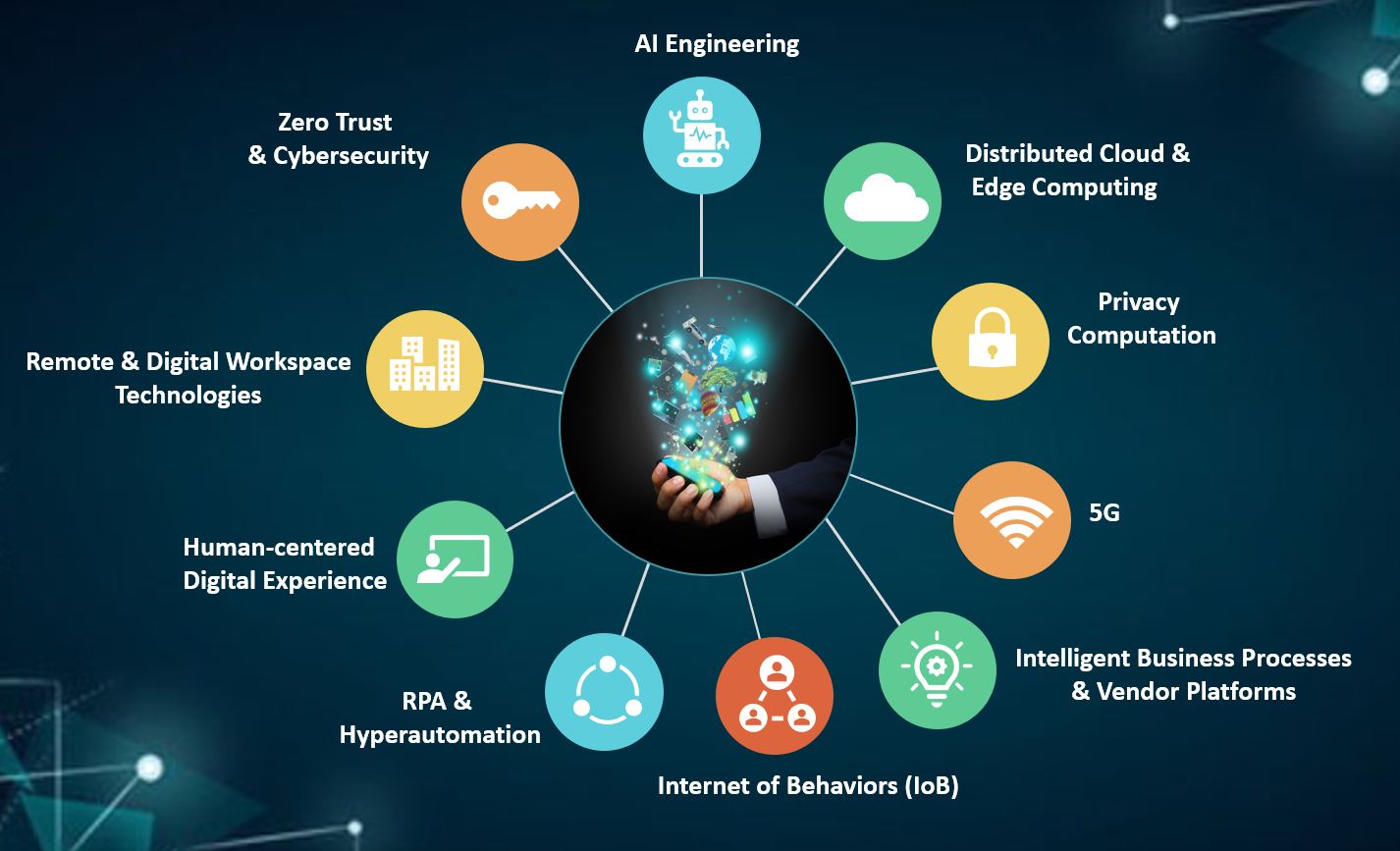
Cloud computing is evolving from a centralized storage and compute model into a highly distributed ecosystem. The “new” in cloud technology is about bringing the power of the data center to the edge of the network, where the data is actually generated.
Bridging the Latency Gap with Edge Computing
As the Internet of Things (IoT) matures, the sheer volume of data generated by sensors, cameras, and industrial machinery has become too massive to send back to a central cloud for processing. Edge computing solves this by placing compute resources physically closer to the source. This is critical for applications requiring instantaneous feedback, such as autonomous vehicle navigation, remote robotic surgery, and real-time industrial automation. The modern IT stack now includes “Edge AI,” where lightweight machine learning models run on local gateways or even on the devices themselves, providing immediate insights without the delay of cloud round-tripping.
The Rise of Data Sovereignty and Industry Clouds
Global regulations like GDPR have forced a rethink of how data is stored. This has given rise to “Sovereign Clouds”—cloud environments that guarantee data stays within a specific geographic or legal jurisdiction. Simultaneously, we are seeing the emergence of “Industry Clouds,” which are specialized platforms tailored for specific sectors like healthcare, finance, or manufacturing. These platforms come pre-configured with the necessary compliance frameworks and specialized software tools, allowing IT teams to deploy solutions faster without worrying about the underlying regulatory infrastructure.
Connectivity and Networking: Preparing for Wi-Fi 7 and 6G Realities
Networking is the nervous system of the IT world, and it is currently receiving a massive bandwidth upgrade. As we demand more from our networks—8K video streaming, immersive VR/AR, and massive IoT deployments—the standards of connectivity are shifting to keep pace.
Wi-Fi 7: The New Standard for High-Density Environments
While Wi-Fi 6 and 6E are still relatively new, Wi-Fi 7 (802.11be) is already entering the market. This new standard offers significantly higher throughput and lower latency, utilizing “Multi-Link Operation” (MLO). This allows devices to transmit and receive data across different frequency bands simultaneously, greatly improving reliability in crowded environments like offices or stadiums. For IT managers, Wi-Fi 7 represents a shift toward “wire-like” performance for wireless devices, enabling more flexible office designs and supporting the bandwidth-heavy demands of spatial computing.
Satellite Internet and Global Accessibility
The emergence of Low Earth Orbit (LEO) satellite constellations is fundamentally changing IT infrastructure for remote operations. This technology provides high-speed, low-latency internet to areas where fiber optic cables are impractical. For global enterprises, this means that remote mining sites, maritime operations, and rural offices can now be integrated into the corporate network with the same level of performance as urban headquarters. It is a democratization of connectivity that is expanding the boundaries of where IT can operate.
The Push for Sustainable and Ethical IT
Finally, a major new trend in IT is the focus on sustainability and “Green IT.” The massive energy requirements of AI data centers have brought environmental impact to the forefront of the IT agenda.
The Green IT Movement
Modern IT departments are increasingly being evaluated on their carbon footprint. This is driving a shift toward liquid cooling in data centers, which is more efficient than traditional air conditioning for high-density AI servers. Furthermore, there is a growing emphasis on the “circular IT economy,” where hardware is designed for repairability, reuse, and recycling rather than planned obsolescence. Software optimization is also becoming a sustainability tool; developers are being encouraged to write “greener” code that requires fewer CPU cycles and less energy to execute.

Quantum-Ready Security and Logic
While full-scale quantum computers are still in development, the IT world is already preparing for their arrival. This includes the deployment of “Post-Quantum Cryptography” (PQC)—encryption methods designed to be secure against the future threat of quantum computers being able to crack current standards like RSA. IT leaders are beginning to conduct “quantum risk assessments,” identifying which parts of their infrastructure are most vulnerable to future breakthroughs. This proactive stance is a hallmark of the new IT philosophy: anticipating disruption before it happens.
In summary, the new era of IT technology is defined by the convergence of intelligence and infrastructure. It is no longer enough for systems to be fast; they must also be smart, secure by design, and environmentally conscious. As we move forward, the line between software and hardware will continue to blur, creating a unified ecosystem that is more capable, more resilient, and more integrated into every facet of human activity than ever before.
aViewFromTheCave is a participant in the Amazon Services LLC Associates Program, an affiliate advertising program designed to provide a means for sites to earn advertising fees by advertising and linking to Amazon.com. Amazon, the Amazon logo, AmazonSupply, and the AmazonSupply logo are trademarks of Amazon.com, Inc. or its affiliates. As an Amazon Associate we earn affiliate commissions from qualifying purchases.