
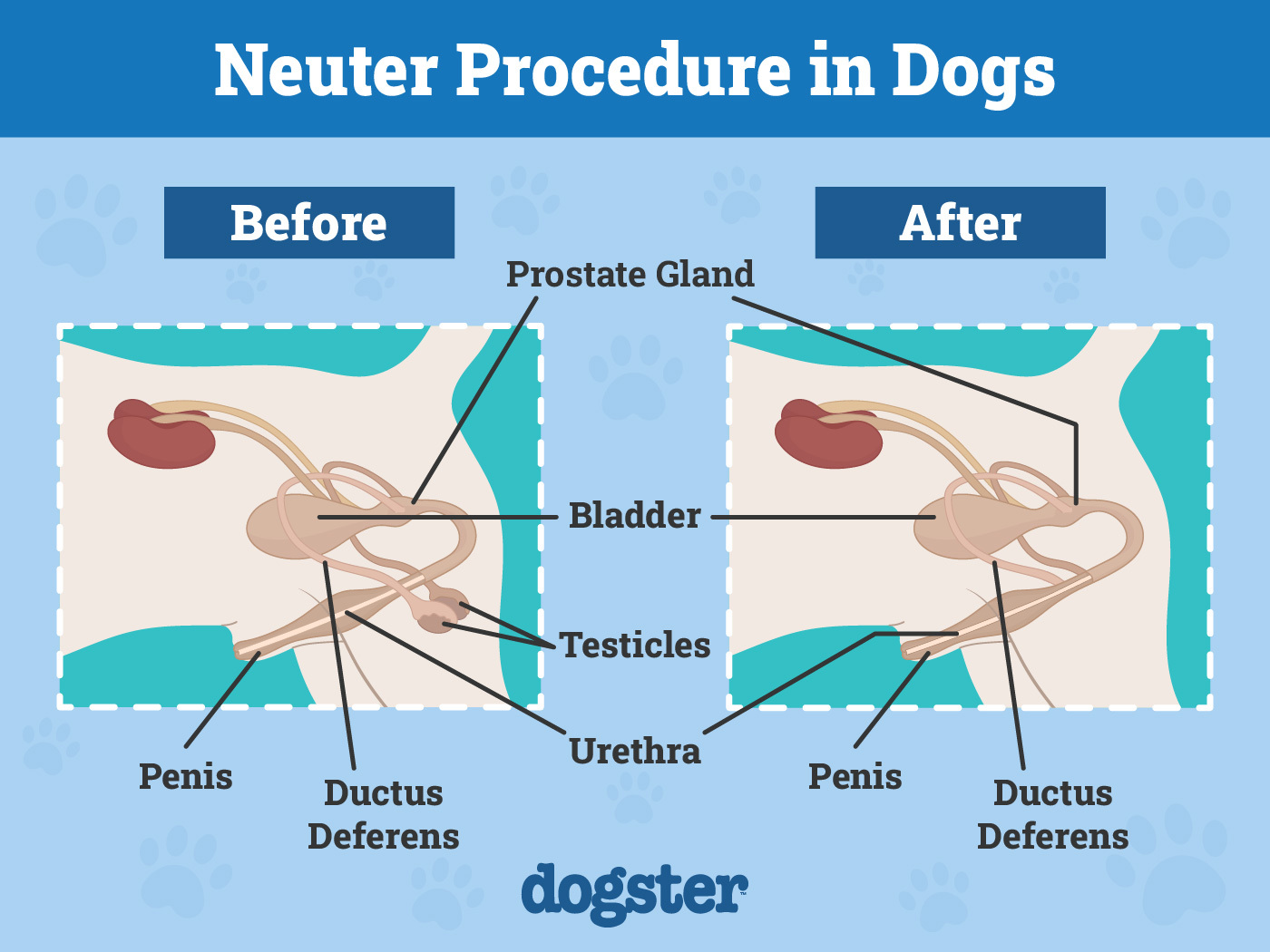
The term “neutered” often evokes a medical procedure related to animal welfare, yet its implications stretch far beyond the veterinary clinic, profoundly impacting personal finances, public health budgets, and the broader economics of animal care. While the core definition refers to the surgical removal of reproductive organs in animals (testicles in males, ovaries and uterus in females, though the female procedure is more precisely called spaying, “neutering” is often used as a general term for both), understanding “what is neutered” through a financial lens reveals a complex web of costs, savings, investments, and societal burdens. For pet owners, communities, and even the economy at large, the decision to neuter – or not – carries significant monetary consequences. This article will delve into the financial dimension of neutering, exploring its direct and indirect economic impacts on individuals and society, and positioning it as a critical aspect of responsible financial planning for pet ownership.
The Financial Imperative Behind Neutering
At first glance, the act of neutering might seem like an immediate expense. However, a deeper analysis reveals it as a strategic financial decision that offers substantial long-term benefits and mitigates significant future costs. Viewing neutering as an investment rather than merely a cost provides a clearer picture of its economic value.
Initial Investment: Understanding the Procedure’s Cost
The upfront cost of neutering or spaying is a primary consideration for many pet owners. Prices can vary widely based on several factors, including the animal’s species, age, weight, geographical location, and the type of veterinary clinic (private practice vs. low-cost clinic vs. humane society). Generally, spaying a female is more complex and thus more expensive than neutering a male. Additional costs may include pre-surgical blood work, pain medication, post-operative care, and microchipping, which is often done concurrently.
For many, this initial outlay can be a barrier. However, it’s crucial to view this expense not in isolation, but in the context of the potential financial burden it prevents. Various organizations and community programs offer subsidized or low-cost neutering services precisely because they recognize the broader economic benefits of reducing pet overpopulation. Understanding the range of these costs and available support is the first step in making an informed financial decision.
Long-Term Savings: Health Benefits and Reduced Vet Bills
One of the most compelling financial arguments for neutering lies in the significant long-term savings on veterinary care. Intact animals are susceptible to a range of health issues that can incur substantial medical expenses over their lifetime.
For females, spaying virtually eliminates the risk of uterine infections (pyometra), a common and life-threatening condition requiring emergency surgery that can cost thousands of dollars. It also drastically reduces the risk of mammary tumors, especially if performed before the first heat cycle. Treating these tumors, which are often malignant, involves costly surgeries, chemotherapy, and ongoing care.
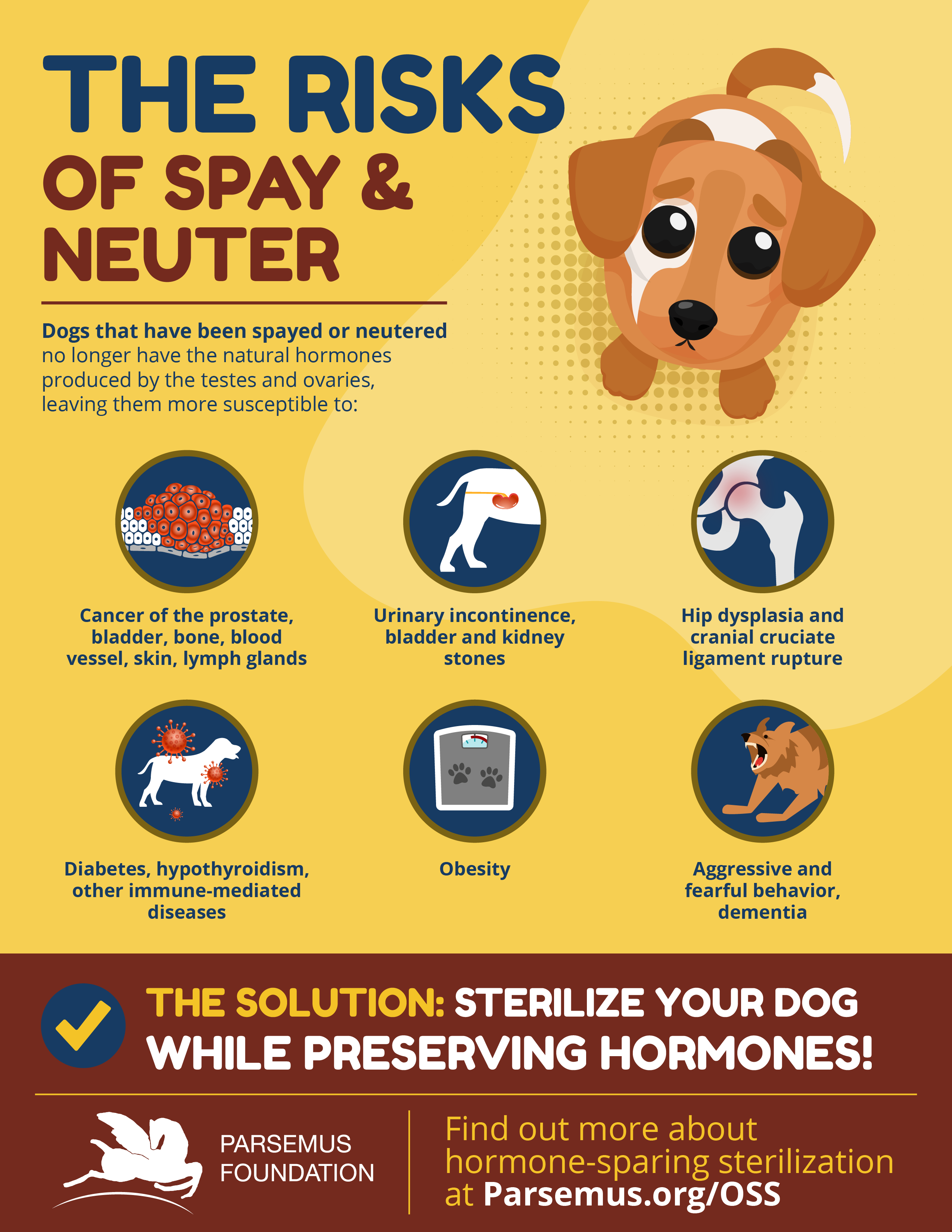
For males, neutering eliminates the risk of testicular cancer and significantly reduces the incidence of prostate problems, perineal hernias, and certain anal gland tumors. These conditions can lead to expensive diagnostic tests, medications, surgeries, and extended recovery periods.
Beyond these specific diseases, neutering can also mitigate behavioral issues driven by hormones, such as aggression, roaming, and marking. These behaviors can lead to costly interventions, including training, property damage, fights with other animals (resulting in injury and vet bills), and even accidental pregnancies with their own set of financial consequences. By preventing these issues, neutering effectively acts as a long-term health insurance policy, safeguarding against potentially crippling veterinary bills.
Preventing Overpopulation: A Societal Financial Burden
Perhaps the most significant financial impact of neutering extends beyond individual pet owners to communities and society as a whole: the prevention of pet overpopulation. Uncontrolled breeding leads to millions of unwanted animals entering shelters each year. The financial strain on these shelters and rescue organizations is immense. Costs include housing, feeding, medical care, spay/neuter surgeries (for animals adopted out), staffing, and adoption programs. When shelters become overwhelmed, the difficult and emotionally taxing decision of euthanasia becomes a grim reality, which itself carries a cost.
Taxpayer money often supports municipal animal control and shelter services. Therefore, a higher rate of unwanted animals directly translates into higher taxes or diversion of funds from other public services. Moreover, stray animals can pose public health risks (e.g., rabies transmission, bites) and cause property damage, leading to additional public and private expenditures. By preventing unplanned litters, neutering dramatically reduces the intake burden on shelters, freeing up resources, lowering public spending, and ultimately contributing to a more sustainable and humane animal welfare system.
Neutering as a Component of Responsible Pet Financial Planning
Integrating neutering into a comprehensive financial plan for pet ownership demonstrates foresight and responsibility. It’s not just about covering immediate expenses but about strategic budgeting and mitigating financial risks throughout a pet’s life.
Budgeting for Pet Care: Beyond Food and Toys
Responsible pet ownership requires a holistic financial approach. While many owners budget for food, toys, and routine vaccinations, the often-overlooked costs of significant health events or unplanned litters can derail even the most carefully planned finances. Neutering should be a non-negotiable line item in any pet care budget, ideally performed early in the pet’s life.
By planning for the neutering procedure, owners can explore options like saving specifically for it, utilizing low-cost clinics, or leveraging financing options. Proactive budgeting for this procedure allows owners to select quality veterinary care without financial duress, setting a precedent for responsible financial management of their pet’s health. It underscores the understanding that a pet is a long-term financial commitment, not just a casual expense.
Insurance Considerations: Does Neutering Affect Premiums?
The decision to neuter can also have implications for pet insurance premiums. Many pet insurance providers offer lower premiums for neutered animals, recognizing their reduced risk of developing certain costly health conditions (like pyometra or testicular cancer) and behavioral issues that might lead to claims. Some policies might even have waiting periods or exclusions for conditions that are preventable by neutering if the procedure hasn’t been performed.
Conversely, if an animal is not neutered and develops a condition like pyometra, the cost of treatment may not be covered if the insurance policy considers it a preventable condition or if the pet was not neutered within a recommended timeframe. Therefore, discussing the financial benefits and requirements of neutering with potential pet insurance providers is a crucial step in optimizing coverage and managing long-term pet care costs. Neutering acts as a preventive measure that aligns with the goals of insurance – reducing risk and associated financial exposure.

Avoiding Unforeseen Expenses: The Cost of Unwanted Litters
The most direct and potentially staggering unforeseen expense that neutering prevents is the cost associated with an unplanned litter. If a female pet becomes pregnant, the owner is immediately faced with a cascade of expenses: prenatal veterinary care, potential complications during birth, the nutritional needs of the mother, and eventually, the cost of caring for an entire litter of puppies or kittens.
Each puppy or kitten requires vaccinations, deworming, microchipping, and potentially spay/neuter procedures before adoption. Even if the goal is to rehome the litter, the financial outlay for several weeks or months of care can run into hundreds or even thousands of dollars. The emotional toll of finding suitable homes for multiple animals is also significant. Neutering eliminates this financial gamble entirely, offering peace of mind and predictable financial planning.
Economic Impact: The Broader Financial Landscape of Pet Sterilization
The financial ripples of neutering extend far beyond individual pet owners, influencing municipal budgets, the operations of non-profit organizations, and even the dynamics of the pet industry.
Public Health Costs and Animal Welfare Expenditures
Local governments often bear the financial brunt of animal control services, which include stray animal pick-up, sheltering, and managing animal-related public health issues. A high rate of intact animals contributes to an increased stray population, leading to higher expenditures for these services. This can involve more animal control officers, larger shelter facilities, increased veterinary care for strays (including emergency spay/neuter), and euthanasia services.
Effective neutering programs significantly reduce these public expenditures, allowing taxpayer money to be reallocated to other essential community services. Moreover, reducing stray populations contributes to public health by minimizing the spread of zoonotic diseases and reducing incidents of animal-related injuries, thereby lowering associated healthcare costs for humans.
The Role of Non-Profits and Subsidized Programs
Non-profit animal welfare organizations, funded through donations and grants, play a critical role in addressing pet overpopulation. They often operate low-cost spay/neuter clinics, offer financial assistance programs, and conduct extensive outreach to encourage responsible pet ownership. The success of these programs directly impacts the financial stability of the organizations themselves, as reducing intake frees up resources that would otherwise be spent on housing and caring for unwanted animals.
These organizations essentially fill a financial gap, providing essential services that reduce the overall societal cost of animal care. Their work, heavily reliant on financial contributions, highlights the collective economic investment required to manage animal populations humanely.
Impact on Pet Breeding and Adoption Markets
Neutering also influences the pet breeding and adoption markets. By reducing the supply of unplanned litters, it helps stabilize the demand for responsibly bred animals and increases the adoptability of shelter pets. This shifts the focus from casual breeding to ethical, health-conscious breeding practices, which often involve higher costs but produce healthier, well-socialized animals.
For shelters, a reduced intake due to neutering means more resources can be dedicated to rehabilitating and rehoming existing animals, increasing adoption rates and reducing the need for euthanasia. This creates a more financially sustainable model for animal welfare organizations, making them more attractive to donors and volunteers.
Financial Resources and Support for Neutering
Recognizing the financial barriers some pet owners face, numerous resources and support systems exist to make neutering accessible. These initiatives underscore the understanding that the cost of prevention is almost always less than the cost of intervention.
Low-Cost Clinics and Community Programs
Many communities host low-cost spay/neuter clinics, often operated by animal welfare organizations or municipal services. These clinics offer the procedure at significantly reduced rates compared to private veterinary practices, making it affordable for a wider range of pet owners. Eligibility requirements might exist, such as income thresholds, but they serve as a crucial lifeline for pet owners committed to responsible care but constrained by budget. Researching local humane societies, SPCAs, and animal control websites is often the first step to finding these invaluable resources.
Payment Plans and Veterinary Financing Options
For those who prefer a private veterinary setting or whose pets have specific health considerations, many veterinary clinics offer payment plans or work with third-party financing options (such as CareCredit). These allow pet owners to spread the cost of the procedure over several months, easing the immediate financial burden. While these options often involve interest, they can make essential procedures like neutering manageable for those without immediate access to the full upfront cost.
Grants and Aid for Pet Owners
Beyond clinics and financing, various non-profit organizations offer grants and financial aid specifically for neutering or other essential veterinary care. These programs are typically designed to assist pet owners facing temporary financial hardship or those caring for animals in need. Websites like The Humane Society of the United States, ASPCA, and breed-specific rescue organizations often list resources or provide links to funds dedicated to assisting pet owners with veterinary expenses, including neutering. Accessing these grants can completely alleviate the financial stress, ensuring that financial constraints do not compromise a pet’s health and responsible ownership.
In conclusion, “what is neutered” is far more than a simple veterinary definition; it represents a critical juncture in financial planning for pet ownership and a significant factor in community economics. From the individual pet owner’s budget to public health expenditures and the sustainability of animal welfare organizations, the decision to neuter reverberates with financial consequences. Understanding and leveraging the economic benefits of neutering – from preventing costly health issues and unplanned litters to reducing the societal burden of overpopulation – is a hallmark of responsible, insightful, and economically savvy pet care.
aViewFromTheCave is a participant in the Amazon Services LLC Associates Program, an affiliate advertising program designed to provide a means for sites to earn advertising fees by advertising and linking to Amazon.com. Amazon, the Amazon logo, AmazonSupply, and the AmazonSupply logo are trademarks of Amazon.com, Inc. or its affiliates. As an Amazon Associate we earn affiliate commissions from qualifying purchases.