
The Last Supper, an event etched into the annals of history and spirituality, transcends its initial context to offer profound insights into the mechanics of brand building, narrative power, and the enduring impact of strategic communication. Far from a mere historical meal, this pivotal gathering laid the groundwork for one of the world’s most influential “brands”—Christianity—demonstrating how a single event can encapsulate core values, define identity, and establish a lasting legacy. To understand “what happened” on that fateful evening is to dissect a masterclass in foundational branding, revealing the strategic foresight, emotional resonance, and narrative architecture that continue to shape global consciousness millennia later.
The Genesis of a Global Brand Narrative
At its core, the Last Supper was a narrative launchpad, a carefully orchestrated event designed to cement key messages, establish a unique identity, and prepare a nascent movement for its future trajectory. Jesus, as the ultimate brand architect, used this occasion to distill his teachings into actionable symbols and a compelling story, ensuring its propagation far beyond his physical presence.
Crafting Core Messaging and Identity
The entire event was a masterclass in message crystallization. Jesus articulated the profound concept of his sacrifice, linking it directly to the symbols of bread and wine. These weren’t arbitrary choices; they were universally understood staples, transforming ordinary sustenance into sacred representations of his body and blood. This act of symbolic representation served as the ultimate brand promise: redemption, covenant, and eternal life.
This symbolic act established a distinct brand identity. It differentiated Jesus’s followers from other contemporary religious or philosophical groups by providing a tangible, repeatable ritual that encapsulated their unique belief system. The message was clear, concise, and incredibly powerful, designed to be easily understood, remembered, and replicated. It created an immediate sense of belonging and purpose for the disciples, transforming them from a disparate group into a cohesive unit bound by a shared identity and mission. The message was not just communicated; it was embodied, making it deeply personal and memorable.
The Power of Symbolic Rituals
The institution of the Eucharist at the Last Supper is perhaps the most potent example of ritualistic branding in history. By instructing his disciples to “do this in remembrance of me,” Jesus established a core ritual that would become the central act of worship for billions. This act was more than just a memorial; it was a repeated affirmation of the brand’s core tenets, a perpetual renewal of the covenant.
Rituals are powerful tools in branding because they create consistent experiences, foster community, and reinforce values. They provide a tangible way for followers to engage with the brand’s identity and story, cementing loyalty and ensuring continuity. The communal sharing of bread and wine created a bond, a shared experience that transcended individual understanding and rooted the participants in a collective identity. This ritual served as a powerful mnemonic device, ensuring that the central narrative and its meaning would be transmitted faithfully across generations and cultures, adapting to new contexts while retaining its foundational essence. It was an ingenious strategy for decentralizing brand propagation while maintaining message integrity.
Visual Legacy and Design Impact
While the Last Supper itself was an intimate gathering, its story and symbolism have become monumental in visual culture, serving as a testament to the power of iconography and design in reinforcing a brand’s message. From ancient frescoes to modern digital art, the imagery associated with this event has consistently served as a powerful marketing and communication tool.
Iconography as Marketing Communication
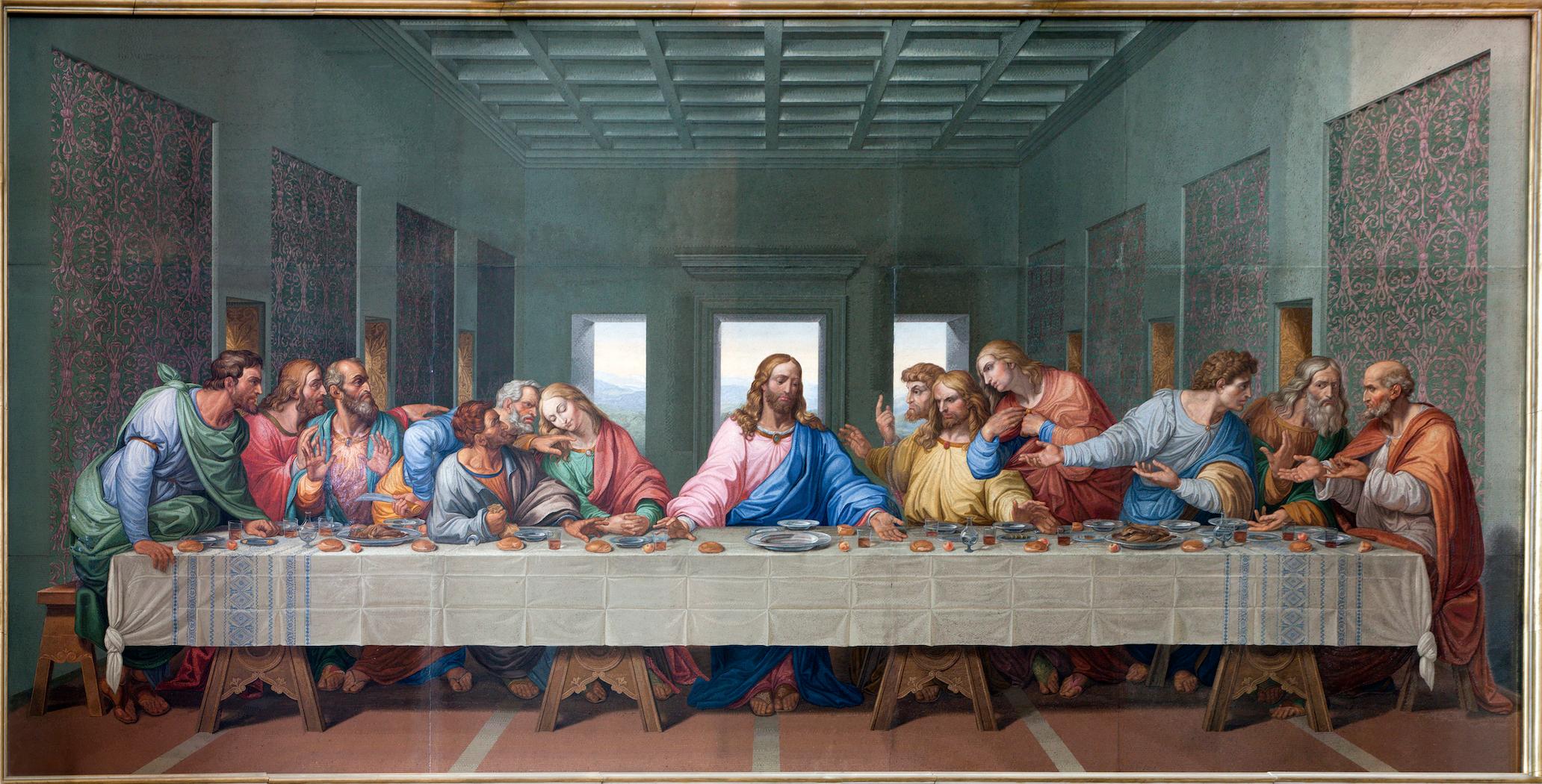
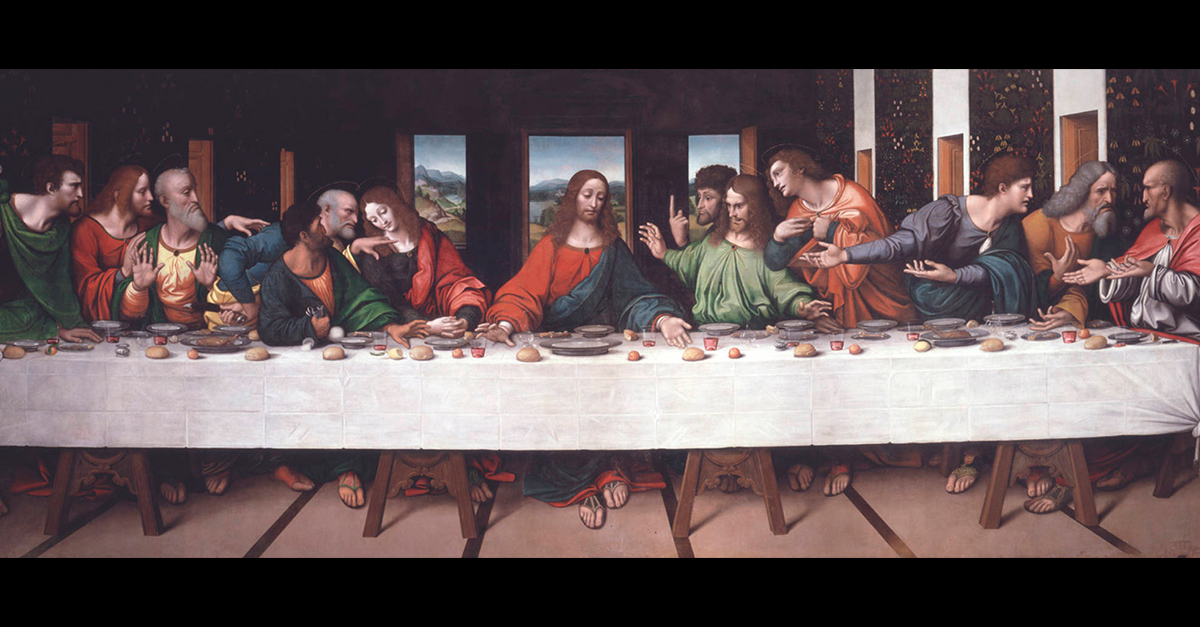
The visual representation of the Last Supper, most famously immortalized by Leonardo da Vinci, has acted as an unparalleled piece of marketing communication. These artistic interpretations distill the complex narrative into a single, emotionally resonant image. Da Vinci’s depiction, for instance, perfectly captures the moment of revelation and reaction, showcasing the human drama, the individual responses of the disciples, and the central figure of Jesus. This visual narrative conveys tension, betrayal, and divine purpose, all in one frame.
Such iconography serves several critical branding functions:
-
Memorability: Iconic images are easily recalled and recognized, instantly triggering the associated narrative and emotional context.
-
Emotional Connection: Art evokes feeling. The pathos, solemnity, and gravity of the Last Supper resonate deeply with viewers, forging a powerful emotional bond with the story and its meaning.
-
Accessibility: Visuals transcend language barriers, making the core message accessible to a wider, global audience long before widespread literacy.
-
Reinforcement: Each artistic rendering, while unique, reinforces the fundamental elements of the story, solidifying the brand’s visual identity and narrative consistency across diverse cultural contexts.
These visual narratives are not merely decorations; they are active components of the brand’s communication strategy, ensuring its story is not only heard but deeply felt and seen.
Adapting the Brand Story Across Eras
The Last Supper narrative has proven remarkably adaptable, allowing the “Christian brand” to resonate across vastly different historical and cultural landscapes. Artists and storytellers throughout the centuries have reinterpreted the scene, reflecting contemporary sensibilities and concerns while preserving the core message. This adaptability is a hallmark of strong branding.
From Byzantine mosaics emphasizing divine majesty to Renaissance paintings highlighting human emotion, and even to modern interpretations exploring diverse cultural contexts, the story has been re-packaged without losing its essence. This strategic adaptation ensures the brand remains relevant and relatable to new audiences. It demonstrates that while core values must remain constant, the expression of those values can evolve. This flexibility has allowed Christianity to thrive and expand globally, demonstrating that a robust brand narrative can be translated and localized without dilution, continuously finding new ways to connect with its audience while maintaining its foundational identity. The enduring appeal lies in the universal themes it touches upon: sacrifice, community, betrayal, and hope, which resonate regardless of the specific cultural lens through which it’s viewed.

Betrayal, Loyalty, and Brand Trust
The Last Supper is not solely a story of communion and purpose; it is also indelibly marked by the specter of betrayal. The narrative surrounding Judas Iscariot offers invaluable insights into the challenges of maintaining brand trust, the consequences of internal dissent, and the profound impact of loyalty (or its absence) on a nascent movement.
The Cost of Disruption: Judas’s Role
Judas’s betrayal for “thirty pieces of silver” serves as a stark case study in the devastating impact of internal disruption on brand integrity. His actions represent a complete severance from the brand’s values, a monetization of access and trust. For any brand, internal sabotage or a prominent defector can inflict severe damage, eroding credibility and casting doubt on the entire enterprise.
From a brand perspective, Judas’s act highlighted several critical vulnerabilities:
-
Trust Erosion: Betrayal by an insider shatters the trust followers place in the organization and its leadership.
-
Negative Publicity: The dramatic nature of the betrayal created a scandal that, while ultimately reframed as part of a larger divine plan, initially posed a significant challenge to the brand’s public image.
-
Perceived Weakness: It could have been seen as a failure of leadership or a sign of internal discord, potentially deterring new adherents.
However, the narrative ingeniously integrates this disruption. Instead of destroying the brand, Judas’s betrayal becomes a crucial plot point, foreshadowing sacrifice and ultimately reinforcing the brand’s core message of redemption and divine purpose. This transformation of a crisis into a foundational element is a powerful lesson in crisis management and narrative control, demonstrating how even the most damaging events can be reframed to strengthen the brand’s overarching story.
Cultivating Enduring Follower Loyalty
In stark contrast to Judas, the remaining disciples’ initial reactions of shock, denial, and eventual steadfastness underscore the power of deep-seated brand loyalty. Despite the impending crisis, the core group remained committed, even as their understanding was tested. This highlights a crucial aspect of brand building: cultivating unwavering loyalty that can withstand external pressures and internal challenges.
Jesus’s actions during the Last Supper were designed to reinforce this loyalty:
-
Personal Connection: Sharing a final meal, washing their feet – these acts built intense personal bonds.
-
Shared Vision: Reaffirming their mission and future roles gave them a continued sense of purpose.
-
Empowerment: Entrusting them with the ritual of the Eucharist empowered them as future custodians of the brand.
This cultivation of loyalty ensured that even in the face of the ultimate disruption (Jesus’s crucifixion), the brand would not collapse. Instead, these loyal followers became the primary brand ambassadors, carrying forward the message, building the organization, and expanding its reach. Their unwavering commitment, often at great personal cost, speaks volumes about the power of a brand built on deep conviction, shared experience, and an inspiring vision. It demonstrates that true loyalty is forged not just in times of ease, but especially through shared adversity.
Strategic Foresight and Succession Planning
The Last Supper wasn’t just a reflective moment; it was a proactive strategic meeting focused on future continuity and succession. Jesus, acutely aware of his impending departure, used this gathering to consolidate his vision, empower his team, and lay out a clear plan for the sustained growth and propagation of his movement. This level of foresight is a hallmark of exceptional brand leadership.
Empowering Future Brand Ambassadors
A critical aspect of the Last Supper was the explicit empowerment of the disciples as future brand ambassadors. Jesus didn’t just share a meal; he imparted a mission and provided the tools for its fulfillment. He entrusted them with the core ritual, gave them instructions for teaching, and promised them divine guidance. This was a direct mandate for brand extension and propagation.
Effective brand leaders understand that their vision must outlive them. Jesus invested heavily in his “team,” training them not just in doctrine but in the practical application of his teachings. By empowering them, he ensured:
-
Scalability: The message could be spread far beyond his immediate reach.
-
Sustainability: The movement would continue to thrive and evolve after his physical absence.
-
Authenticity: The message would be carried forward by those who had directly experienced his leadership and shared his vision, lending credibility and authority to their future efforts.
This strategic delegation and empowerment ensured a robust launch for a decentralized, yet unified, global brand movement. The disciples became the initial marketers, communicators, and strategists, entrusted with adapting and transmitting the brand’s core identity to new markets and demographics.
The Legacy of a Transformative Vision
Ultimately, what happened on the Last Supper was the formal inauguration of a transformative vision and the strategic launch of a brand designed for eternity. It cemented a legacy that would resonate through millennia, demonstrating the profound power of a vision articulated with clarity, reinforced through ritual, and carried forward by committed ambassadors.
The Last Supper teaches us that successful brand building is about more than just a product or service; it’s about crafting a compelling narrative, establishing deep emotional connections, fostering unwavering loyalty, and implementing strategic foresight for long-term impact. It underscores the importance of:
-
Clear Identity: Defining who you are and what you stand for.
-
Consistent Messaging: Articulating your purpose through relatable stories and symbols.
-
Community Building: Creating shared experiences that foster belonging and loyalty.
-
Strategic Planning: Ensuring your vision can scale and adapt for future generations.
The enduring global impact of the Last Supper’s narrative is a testament to its masterful execution as a foundational branding event. It demonstrates how a single, carefully constructed moment can define an entire movement, inspire billions, and shape the course of human history, proving that the most powerful brands are those that offer not just solutions, but meaning and a sense of enduring purpose.
aViewFromTheCave is a participant in the Amazon Services LLC Associates Program, an affiliate advertising program designed to provide a means for sites to earn advertising fees by advertising and linking to Amazon.com. Amazon, the Amazon logo, AmazonSupply, and the AmazonSupply logo are trademarks of Amazon.com, Inc. or its affiliates. As an Amazon Associate we earn affiliate commissions from qualifying purchases.