
In the rapidly evolving landscape of consumer electronics, the terminology surrounding display technology can often feel like an alphabet soup of acronyms. From LCD and LED to OLED and QLED, the nuances between these technologies define the quality of our visual experiences. However, one term has recently risen to the forefront of high-end television hardware: Neo QLED.
Developed primarily by Samsung as a significant evolution of the standard QLED (Quantum Dot Light Emitting Diode) framework, Neo QLED represents a paradigm shift in how backlighting is handled in liquid crystal displays. By integrating Mini-LED technology with sophisticated AI processing, Neo QLED aims to bridge the gap between traditional backlit panels and the self-emissive properties of OLED. This article explores the technical intricacies, performance benefits, and the competitive positioning of Neo QLED in today’s tech market.
The Anatomy of Neo QLED: The Technical Foundation
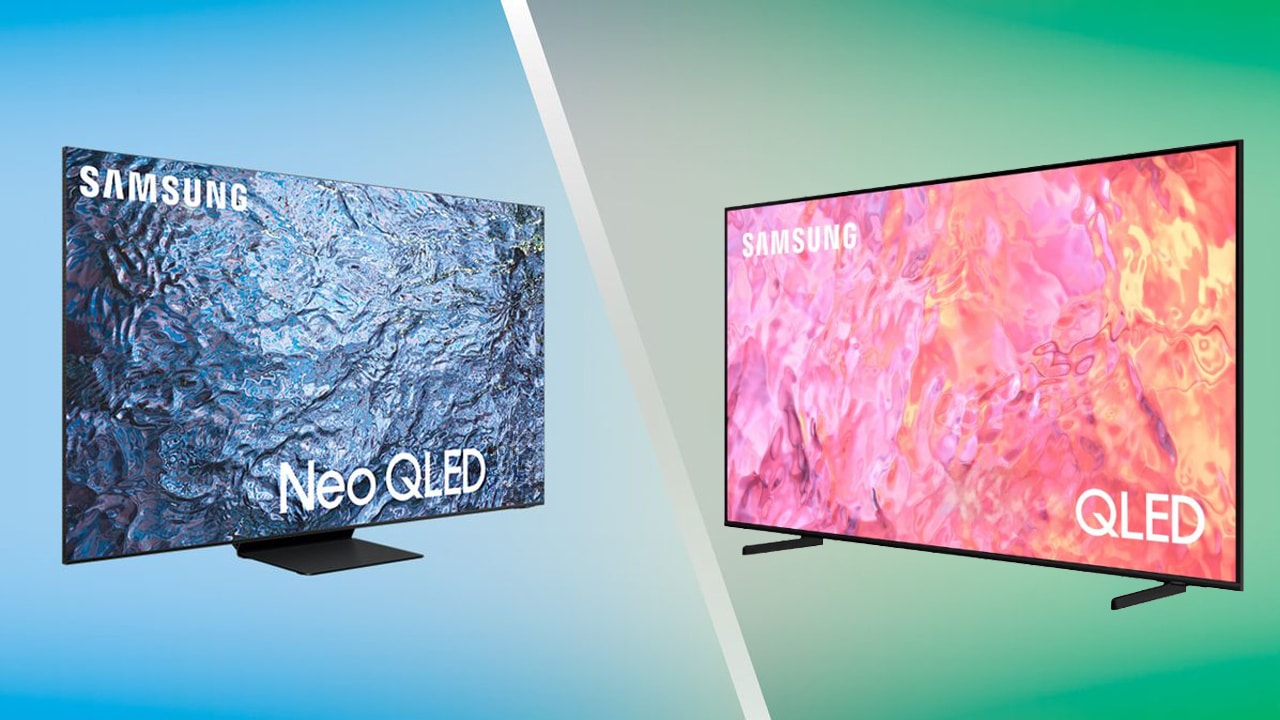
To understand Neo QLED, one must first understand its predecessor. A standard QLED TV uses a traditional LED backlight combined with a Quantum Dot filter—a layer of nanocrystals that glow in specific colors when hit by light. While QLED offered superior brightness and color volume compared to standard LCDs, it still struggled with “blooming” (light bleeding from bright objects into dark areas) because the LEDs were relatively large and few in number.
From QLED to Neo QLED: What’s the Difference?
The “Neo” in Neo QLED signifies the move from standard LEDs to Quantum Mini LEDs. These Mini LEDs are approximately 1/40th the size of a conventional LED. Because they are significantly smaller, manufacturers can pack thousands more of them into the same screen area. This density is the fundamental hardware upgrade that separates Neo QLED from its predecessors, allowing for much finer control over the light source.
The Role of Quantum Matrix Technology
Simply having more LEDs is not enough; the display must also manage them effectively. Neo QLED utilizes “Quantum Matrix Technology,” a proprietary system that controls the massive array of Mini LEDs with precision. This system allows for 12-bit luminance scales, meaning the TV can distinguish between 4,096 levels of brightness. This granular control is essential for rendering the subtle gradations of light and shadow that make an image look realistic rather than “digital.”
Quantum Mini LEDs: Smaller Size, Greater Power
The physical construction of a Quantum Mini LED is a marvel of engineering. Unlike traditional LEDs that use a lens to disperse light and a bulky package to house the diode, the Quantum Mini LED uses an incredibly thin micro-layer. This design prevents light leakage and ensures that the light travels in a more direct path toward the Quantum Dot layer and the LCD panel. The result is a more compact display unit that can produce higher peak brightness without the bulk of traditional backlight arrays.
Why It Matters: The Performance Benefits
The technical shift to Mini-LEDs translates into tangible improvements in the viewing experience. For the average consumer, these improvements are most visible in three specific areas: contrast, brightness, and color accuracy.
Enhanced Brightness and Contrast Ratios
One of the primary selling points of Neo QLED is its massive peak brightness. High-end Neo QLED models can reach upwards of 2,000 to 4,000 nits. This makes them ideal for well-lit living rooms where glare is a constant battle. However, brightness without contrast leads to a washed-out image. Because Neo QLED has so many more dimming zones than standard QLED, it can keep black areas of the screen much darker while simultaneously pushing the bright highlights to their limit, resulting in a staggering dynamic range.
Superior Local Dimming and Reduced Blooming
“Blooming” or “halo effect” occurs when light from a bright object (like a white subtitle on a black background) leaks into the surrounding dark pixels. By utilizing thousands of Mini-LEDs, Neo QLED significantly reduces this artifact. The local dimming zones are smaller and more numerous, allowing the TV to turn off the backlight in precise areas where it is not needed. While it may not yet achieve the “infinite” contrast of OLED (where pixels can turn off entirely), Neo QLED comes closer than any other backlit technology currently available on a mass scale.
Color Accuracy and Volume
Thanks to the Quantum Dot layer, Neo QLED displays are capable of producing 100% color volume. This means that even at the highest brightness levels, the colors remain saturated and vibrant rather than becoming pale. For HDR (High Dynamic Range) content, this is crucial. Whether it is the subtle orange of a sunset or the neon glow of a sci-fi cityscape, Neo QLED ensures that the colors are represented exactly as the content creator intended, with deep richness across the entire luminance spectrum.

Neo QLED in the Modern Tech Ecosystem
Beyond the panel itself, Neo QLED TVs are packed with auxiliary technologies that cater to the needs of modern users, particularly gamers and home cinema enthusiasts. The integration of high-performance hardware and software makes these displays more than just screens; they are smart hubs.
Gaming Features: VRR, ALLM, and High Refresh Rates
For the gaming community, Neo QLED has become a top-tier choice. Most Neo QLED models come equipped with HDMI 2.1 ports, which are essential for the latest consoles like the PlayStation 5 and Xbox Series X. This allows for features such as Variable Refresh Rate (VRR) to prevent screen tearing, Auto Low Latency Mode (ALLM) to ensure the fastest response times, and the ability to play games at 4K resolution at 120Hz (or even 144Hz in some premium models). The brightness of Neo QLED also makes HDR gaming particularly impactful, highlighting details in shadows and bright skies that would be lost on lesser panels.
AI-Powered Upscaling and Processing
At the heart of a Neo QLED TV is a specialized processor, often referred to as the “Neo Quantum Processor.” This chip uses neural networks and AI deep learning to analyze content in real-time. Its primary job is “upscaling”—taking lower-resolution content (like a 1080p stream) and enhancing it to look like 4K or 8K. By analyzing textures, edges, and color data, the AI can “fill in the gaps” to create a sharper, more detailed image, ensuring that even older content looks modern on a high-resolution display.
Design Aesthetics and Form Factor
The miniaturization of the backlight has also allowed for thinner industrial designs. Neo QLED TVs often feature what is known as an “Infinity One Design,” where the bezels are almost non-existent, and the profile of the TV is incredibly slim. This sleek aesthetic is often complemented by external cable management solutions (like the One Connect Box), which allows a single, nearly invisible cable to run to the TV, keeping the setup clean and minimalist.
Comparing Neo QLED to OLED and MicroLED
In the high-end TV market, Neo QLED’s primary rival is OLED (Organic Light Emitting Diode). While both offer premium experiences, they use fundamentally different approaches to creating an image.
Neo QLED vs. OLED: The Great Debate
The choice between Neo QLED and OLED often comes down to the viewing environment. OLED pixels are self-emissive, meaning they produce their own light and can turn off completely, resulting in perfect blacks. However, OLEDs generally cannot reach the same peak brightness levels as Neo QLED. Furthermore, Neo QLED panels are not susceptible to “burn-in”—the permanent ghosting that can occur on OLEDs if static images are left on the screen for too long. For bright rooms and heavy gaming or news watching, Neo QLED is often the safer and more versatile choice.
Is Neo QLED a Step Toward MicroLED?
It is important to distinguish Neo QLED from MicroLED. While both use smaller LEDs, MicroLED is a self-emissive technology where each microscopic LED acts as a pixel, similar to OLED but without the organic compounds. Neo QLED still requires a liquid crystal layer to create color and image. Therefore, Neo QLED acts as a high-performance bridge, offering many of the benefits of next-generation tech at a price point that is accessible to the current consumer market.
Future-Proofing Your Living Room
As we look toward the future of home entertainment, Neo QLED remains a cornerstone of display innovation. Investing in this technology is not just about the current year’s specs; it is about ensuring compatibility with the media of tomorrow.
4K vs. 8K Neo QLED Options
While 4K is the current standard, Neo QLED has been a primary vehicle for the push toward 8K resolution. 8K Neo QLED TVs offer four times the pixels of 4K, providing an incredible level of detail on larger screens (75 inches and above). Even though native 8K content is currently limited, the AI upscaling capabilities of Neo QLED processors make these sets a viable option for those who want to be ready for the next decade of content delivery.

Long-term Durability and Burn-in Resistance
One of the most significant advantages of the Tech behind Neo QLED is its inorganic nature. Because the Quantum Dots and Mini-LEDs are not made of organic material (unlike OLED), they do not degrade as quickly over time. This makes Neo QLED an excellent long-term investment for users who plan to keep their televisions for 7 to 10 years. The peace of mind that comes with knowing the screen will maintain its brightness and color accuracy without the risk of permanent image retention is a major factor in its sustained popularity in the tech market.
In conclusion, Neo QLED is more than just a marketing buzzword; it is a sophisticated integration of Mini-LED hardware and AI-driven software. By refining the way light is controlled, Neo QLED has pushed the boundaries of what is possible with LCD-based displays, offering a compelling blend of brightness, contrast, and longevity that defines the current state of high-end television technology.
aViewFromTheCave is a participant in the Amazon Services LLC Associates Program, an affiliate advertising program designed to provide a means for sites to earn advertising fees by advertising and linking to Amazon.com. Amazon, the Amazon logo, AmazonSupply, and the AmazonSupply logo are trademarks of Amazon.com, Inc. or its affiliates. As an Amazon Associate we earn affiliate commissions from qualifying purchases.