
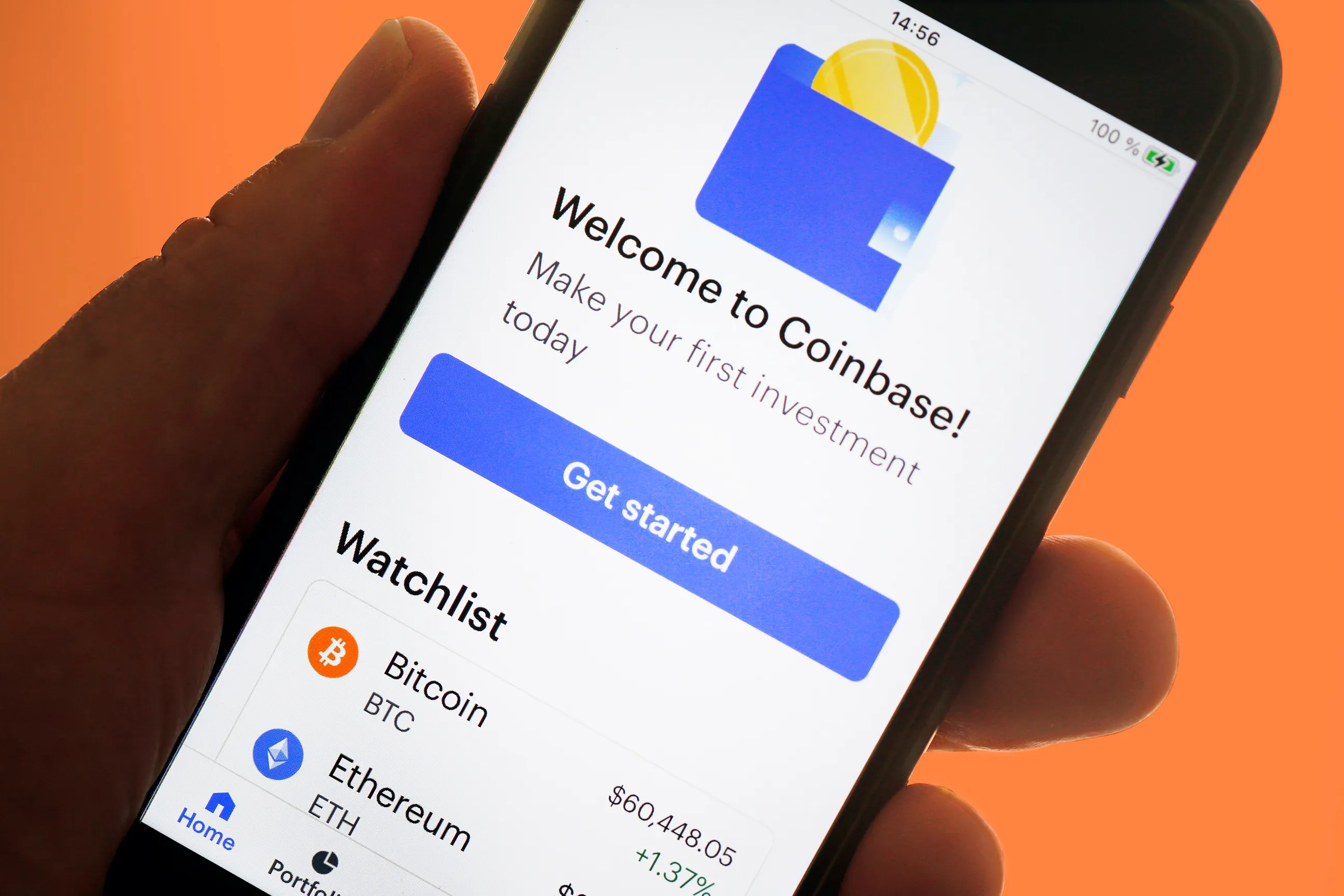
Coinbase has emerged as a leading gateway to the world of cryptocurrency, democratizing access to digital assets for millions worldwide. For anyone looking to diversify their investment portfolio, explore new financial frontiers, or simply understand the burgeoning crypto economy, mastering Coinbase is an essential first step. This guide will walk you through the process of setting up, funding, trading, and managing your investments on Coinbase, strictly from a personal finance and investment perspective.
As a secure and user-friendly platform, Coinbase allows individuals to buy, sell, and manage a wide array of cryptocurrencies, integrating seamlessly into modern financial strategies. Whether you’re a seasoned investor curious about digital assets or a complete novice looking to make your first crypto purchase, understanding how to leverage Coinbase effectively is crucial for navigating this dynamic financial landscape responsibly and profitably.

Setting Up Your Coinbase Account: Your Gateway to Digital Assets
Embarking on your cryptocurrency journey with Coinbase begins with establishing a secure and verified account. This initial phase is critical, not just for compliance but also for safeguarding your future digital assets. Coinbase’s robust verification processes are designed to protect both the user and the platform, aligning with stringent financial regulations globally.
Account Creation and Verification
The first step involves creating an account with your email address and a strong, unique password. Once registered, Coinbase will guide you through its Know Your Customer (KYC) process. This is a mandatory step for all regulated financial platforms and requires you to provide personal information such as your full legal name, date of birth, physical address, and the last four digits of your Social Security number (for U.S. residents). You will also need to upload a clear photo of a government-issued ID (e.g., driver’s license or passport) and often a selfie for identity verification.
This verification process is not merely a formality; it’s a vital component of financial security and regulatory compliance. It helps prevent fraud, money laundering, and other illicit financial activities, ensuring a safer trading environment for everyone. While it might seem intrusive, it’s a standard practice across the traditional financial sector and is crucial for linking your fiat currency (like USD) to your digital asset holdings. Completing verification unlocks full access to Coinbase’s features, including the ability to deposit and withdraw funds, which are fundamental to your investment activities.
Enhancing Security with Two-Factor Authentication (2FA)
After setting up your basic account, immediately enabling Two-Factor Authentication (2FA) is paramount. In the realm of digital finance, where assets are often irreversible if compromised, robust security measures are not optional. 2FA adds an extra layer of protection beyond just your password, making it significantly harder for unauthorized individuals to access your account even if they manage to acquire your login credentials.
Coinbase typically supports 2FA through authenticator apps like Google Authenticator or Authy, which generate time-sensitive codes, or via SMS codes sent to your registered phone number. While SMS 2FA is convenient, authenticator apps are generally considered more secure as they are not vulnerable to SIM-swap attacks, a tactic hackers use to gain control of your phone number. By implementing 2FA, you are actively protecting your financial interests and the digital wealth you accumulate on the platform, mitigating the risk of unauthorized transactions or asset theft.
Linking Payment Methods
To begin investing, you’ll need a way to fund your Coinbase account. The platform supports various payment methods, including linking a bank account, debit card, and sometimes wire transfers or PayPal. Each method has its own pros and cons in terms of speed, fees, and transaction limits, all of which are crucial financial considerations.
Linking a bank account (via ACH transfer) is often the most cost-effective method for larger deposits, though transfers can take several business days to clear. Debit card purchases are usually instantaneous but come with higher transaction fees and often lower daily limits. It’s essential to understand these nuances as they directly impact your liquidity and the overall cost of your investments. For instance, if you want to capitalize on a sudden market dip, the speed of a debit card purchase might justify the higher fee, while regular, larger investments might be better suited for ACH transfers. Carefully select the payment method that aligns with your financial strategy and urgency.
Funding and Initiating Your Crypto Investments
With your account established and secured, the next phase involves funding your wallet and making your inaugural cryptocurrency purchase. This is where your financial journey into digital assets truly begins, requiring a thoughtful approach to capital allocation and asset selection.
Depositing Fiat Currency
Adding fiat currency (e.g., USD, EUR, GBP) to your Coinbase account is the prerequisite for buying crypto. Navigate to the “Buy/Sell” section or your portfolio dashboard, where you’ll find options to deposit funds. Select your preferred linked payment method (bank account, debit card, etc.) and specify the amount you wish to deposit. Remember to review any associated fees and estimated processing times before confirming the transaction.
For bank transfers, the funds will typically be held in a “pending” state for a few days before they are fully available for withdrawal or transfer off the platform, though you can often use them to purchase crypto instantly. This instant availability, even while the transfer clears, can be a valuable feature for investors looking to act quickly on market opportunities. However, it’s important to be aware of the underlying financial mechanics and not overextend yourself based on funds that haven’t fully settled.
Understanding Available Cryptocurrencies
Coinbase offers a curated selection of cryptocurrencies, ranging from established giants like Bitcoin (BTC) and Ethereum (ETH) to a growing list of altcoins. Before making a purchase, take time to research the cryptocurrencies available. From a financial perspective, understanding a project’s market capitalization, underlying technology, use case, team, and long-term potential is paramount. Don’t just buy what’s popular; invest in assets you understand and believe have intrinsic value or solve a real problem.
Coinbase provides basic information and educational resources for each listed asset, which can be a good starting point. However, always conduct your independent research. Consider your investment goals, risk tolerance, and time horizon when selecting assets. A diversified portfolio, even within crypto, can help mitigate risks, much like in traditional stock markets.
Making Your First Purchase
Once your account is funded and you’ve identified the cryptocurrency you wish to buy, initiating your first purchase on Coinbase is straightforward.
- Navigate to the “Buy/Sell” tab: This is usually prominent on the dashboard.
- Select the cryptocurrency: Choose from the list of available assets (e.g., Bitcoin, Ethereum).
- Enter the amount: Specify the amount of fiat currency you want to spend or the amount of crypto you want to acquire. Coinbase will display the equivalent value.
- Review the order: Before confirming, carefully review the purchase details, including the cryptocurrency price, the amount you’re receiving, and any associated fees. This “preview buy” step is crucial for understanding the exact financial commitment.
- Confirm the purchase: Once satisfied, confirm your order. The cryptocurrency will typically appear in your Coinbase portfolio almost instantly.
For a first-time investor, starting with a smaller, manageable amount is advisable. This allows you to get comfortable with the process and observe market dynamics without significant financial exposure. Think of it as a learning investment rather than a primary one.
Navigating Buying, Selling, and Converting Digital Assets
Beyond your initial purchase, Coinbase provides robust tools for ongoing management of your digital asset portfolio. Understanding how to efficiently buy, sell, and convert cryptocurrencies is key to adapting to market movements and optimizing your financial position.
Executing Buy and Sell Orders
Coinbase’s interface makes executing buy and sell orders intuitive.
- Buying: As detailed above, select the asset, enter the amount, review, and confirm. For regular Coinbase, purchases are typically market orders, meaning they execute at the current market price.
- Selling: To sell, select the “Sell” option, choose the cryptocurrency you wish to liquidate, and specify the amount. You can sell crypto back into fiat currency (e.g., USD) directly to your linked bank account or debit card. Again, review the transaction details, including fees and the fiat amount you will receive, before confirming. The funds will then be transferred to your chosen linked financial account, subject to processing times.
For more advanced trading strategies, Coinbase also offers Coinbase Pro (now integrated into the main app for many users or a separate platform), which provides more granular control with limit orders, stop orders, and more detailed charting, suitable for active traders looking to manage their financial risk and entry/exit points more precisely.

Setting Up Recurring Investments (Dollar-Cost Averaging)
One of the most powerful financial strategies available on Coinbase is setting up recurring investments, also known as dollar-cost averaging (DCA). This involves investing a fixed amount of money into a particular cryptocurrency at regular intervals (e.g., daily, weekly, monthly), regardless of the asset’s price fluctuations.
The benefit of DCA, from an investment perspective, is that it helps mitigate the risk associated with market volatility. By averaging out your purchase price over time, you reduce the impact of any single large price drop and avoid the temptation of trying to “time the market” – a notoriously difficult and often unprofitable endeavor. For long-term investors focused on wealth accumulation, DCA is a disciplined and effective way to build a substantial crypto portfolio over time, spreading financial risk and reducing emotional decision-making.
Converting Cryptocurrencies
Coinbase allows you to convert one cryptocurrency directly into another without first selling it to fiat currency. For example, you can convert Bitcoin to Ethereum, or vice versa. This feature can be useful for rebalancing your portfolio, taking profits from one asset and reallocating them into another you believe has more growth potential, or simply consolidating smaller holdings.
While convenient, it’s crucial to remember that converting cryptocurrencies is generally considered a taxable event in many jurisdictions (like the U.S.). Each conversion can incur a transaction fee, and the difference between the purchase price and the conversion price could result in a capital gain or loss. Always be mindful of the financial and tax implications when converting assets, and keep accurate records for tax reporting purposes.
Managing Your Portfolio and Financial Returns
Effective portfolio management is crucial for any investor, and digital assets are no exception. Coinbase provides tools to monitor your investments, explore earning opportunities, and securely manage your funds, all contributing to your overall financial strategy.
Monitoring Your Portfolio Performance
Your Coinbase dashboard offers a clear overview of your portfolio’s performance. You can see the current value of your holdings, track percentage changes over various timeframes (hourly, daily, weekly, yearly), and view individual asset performance. This visual representation of your financial assets allows you to quickly assess market trends and the impact on your investments.
Regularly reviewing your portfolio helps you stay informed about your investment health. It allows you to identify underperforming assets, track profits, and make informed decisions about when to rebalance, buy more, or sell. Remember that past performance is not indicative of future results, and market sentiment can shift rapidly in the crypto space.
Earning Passive Income Through Staking and Rewards
Coinbase offers several avenues for users to earn passive income from their cryptocurrency holdings, aligning with strategies for maximizing financial returns.
- Staking: For certain cryptocurrencies that use a Proof-of-Stake consensus mechanism (e.g., Ethereum 2.0, Solana, Cardano), you can “stake” your assets. Staking involves locking up your coins to support the network’s operations, and in return, you receive rewards in the form of additional cryptocurrency. Coinbase often facilitates staking directly from your wallet, simplifying the technical process and allowing you to earn yield on your idle assets. This can be a compelling strategy for long-term holders to generate income, similar to earning interest in a savings account, but with higher potential returns and higher risk.
- Coinbase Earn: This program allows users to earn small amounts of specific cryptocurrencies by watching short educational videos and taking quizzes about those assets. It’s an excellent way to learn about new projects while receiving a small financial reward, expanding your knowledge base and crypto holdings simultaneously.
Understanding Withdrawals and Transfers
Just as important as funding your account is knowing how to withdraw your funds or transfer assets.
- Withdrawing Fiat Currency: To cash out, sell your cryptocurrency back into fiat currency (e.g., USD) and then initiate a withdrawal to your linked bank account. Be aware of withdrawal limits, processing times, and any associated fees.
- Transferring Cryptocurrencies: You can send cryptocurrencies from your Coinbase account to an external wallet (e.g., a hardware wallet for long-term storage) or to another exchange. This involves providing the recipient’s wallet address and reviewing network transaction fees (gas fees). Always double-check the wallet address, as crypto transactions are irreversible. Transferring to a personal wallet is a key security measure for larger holdings, giving you direct control over your financial assets.
Exploring Coinbase Pro for Advanced Trading
While the main Coinbase platform is excellent for beginners, more experienced traders focused on intricate financial strategies might find Coinbase Pro more suitable. Coinbase Pro offers lower fees, a wider range of order types (limit orders, stop orders), and more advanced charting tools. For active traders who execute frequent transactions or require precise control over their entry and exit points, transitioning to Coinbase Pro can lead to significant cost savings and enhanced trading capabilities, directly impacting their profitability.
Financial Considerations: Fees, Taxes, and Security Best Practices
Engaging with cryptocurrency through Coinbase requires a clear understanding of the financial landscape—specifically, fees that impact your returns, tax obligations, and crucial security measures to protect your investments.
Demystifying Coinbase Fees
Fees are an unavoidable part of financial transactions, and Coinbase is no different. Understanding the fee structure is paramount to accurately assess your investment costs and potential returns. Coinbase primarily charges two types of fees:
- Spread Fee: A margin of approximately 0.50% is added to the market price for buys and sells. This isn’t a separate transaction fee but rather baked into the price you see.
- Coinbase Fee (or Transaction Fee): This is a separate fee based on your transaction amount and payment method. It can be a flat fee for smaller transactions or a percentage for larger ones, often ranging from 1.49% for bank transfers to 3.99% for debit card purchases.
These fees can significantly impact your overall profitability, especially for frequent traders or smaller transactions. Always review the “Preview Buy” or “Preview Sell” screen carefully to see the exact fees applied before confirming any transaction. For larger volumes or more frequent trading, consider using Coinbase Pro, which typically offers a maker-taker fee model that is significantly lower.
Navigating Cryptocurrency Taxes
One of the most critical, yet often overlooked, aspects of cryptocurrency investing is tax compliance. In many jurisdictions, including the U.S., cryptocurrency is treated as property for tax purposes, meaning every taxable event must be reported to the relevant tax authorities.
- Taxable Events: These include selling crypto for fiat currency, converting one crypto to another, using crypto to purchase goods or services, and earning crypto through staking or mining.
- Capital Gains/Losses: When you sell or convert crypto, the difference between its purchase price (cost basis) and its sale/conversion price determines your capital gain or loss. Short-term gains (assets held for less than a year) are typically taxed at ordinary income rates, while long-term gains (assets held for more than a year) often receive preferential rates.
Coinbase provides transaction history reports that can assist with tax preparation. However, it is highly recommended to consult with a qualified tax professional who specializes in cryptocurrency. Proper record-keeping is essential to avoid potential penalties and ensure accurate reporting of your financial activities in the crypto market.
Safeguarding Your Digital Wealth
Security is paramount in the decentralized world of cryptocurrency. While Coinbase employs robust security measures, your vigilance is the ultimate safeguard for your financial assets.
- Strong, Unique Passwords: Never reuse passwords, and ensure yours is complex.
- Two-Factor Authentication (2FA): Always enable 2FA, preferably using an authenticator app over SMS.
- Beware of Phishing: Be extremely cautious of suspicious emails, texts, or websites impersonating Coinbase. Always check URLs carefully and only interact with official Coinbase channels. Coinbase will never ask for your password or 2FA codes directly.
- Hardware Wallets for Large Holdings: For significant amounts of cryptocurrency, consider transferring them from Coinbase to a hardware wallet (e.g., Ledger, Trezor). This is considered the gold standard for cold storage, providing the highest level of security by keeping your private keys offline and inaccessible to online threats. This move signifies taking full financial custody of your assets, reducing reliance on any single exchange.
- Regular Account Review: Periodically review your transaction history and account activity for any unauthorized movements.
By diligently adhering to these security best practices, you significantly reduce the risk of theft or loss, ensuring the longevity and safety of your digital financial investments.
Conclusion
Coinbase serves as an accessible and powerful platform for anyone looking to step into the world of cryptocurrency. From the initial account setup and verification to the intricate processes of buying, selling, converting, and managing your digital assets, this guide has aimed to illuminate the path forward from a purely financial and investment perspective.
Understanding the nuances of funding your account, executing trades, leveraging passive income opportunities, and crucially, managing fees and tax obligations, are all integral parts of being a responsible crypto investor. As the digital asset landscape continues to evolve, Coinbase remains a vital tool for personal finance, enabling individuals to participate in an exciting new segment of the global economy. By approaching cryptocurrency with informed decisions, robust security practices, and a clear understanding of financial implications, you can effectively utilize Coinbase to explore and potentially profit from the burgeoning digital asset market. Remember, investing in cryptocurrency carries inherent risks, and it’s important to only invest what you can afford to lose.
aViewFromTheCave is a participant in the Amazon Services LLC Associates Program, an affiliate advertising program designed to provide a means for sites to earn advertising fees by advertising and linking to Amazon.com. Amazon, the Amazon logo, AmazonSupply, and the AmazonSupply logo are trademarks of Amazon.com, Inc. or its affiliates. As an Amazon Associate we earn affiliate commissions from qualifying purchases.