
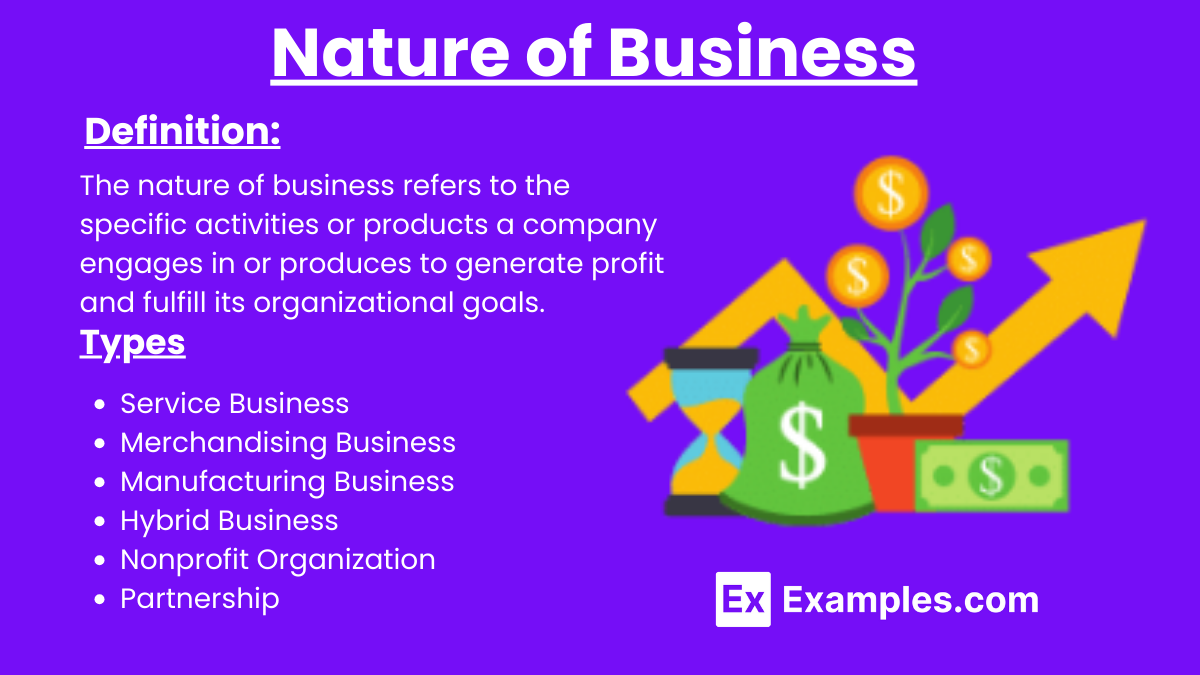
The concept of a “nature business” encapsulates enterprises that derive their core value from natural resources, ecosystem services, or environmentally regenerative practices, operating with an explicit commitment to ecological sustainability and often, a positive social impact. Unlike traditional businesses that might exploit natural resources without extensive consideration for long-term planetary health, a nature business integrates environmental stewardship and often social responsibility into its fundamental financial and operational models. This category of enterprise is rapidly gaining prominence as global awareness of climate change, biodiversity loss, and resource depletion intensifies, prompting a shift in capital allocation towards more sustainable ventures.
Defining the Eco-Economic Enterprise
At its heart, a nature business is an economic entity whose existence is interwoven with natural systems. Its financial viability and long-term success are directly tied to the health and sustainability of the environment it operates within or depends upon. This fundamental linkage necessitates a rethinking of traditional profit-maximization paradigms, often embracing a triple bottom line approach that accounts for profit, people, and planet.
Core Principles and Operational Scope
Nature businesses are typically guided by several core principles that differentiate them from conventional enterprises:
- Sustainability: Operations are designed to minimize environmental footprint, conserve resources, and often contribute to ecological restoration. This includes sourcing, production, distribution, and end-of-life considerations for products and services.
- Regenerative Practices: Many nature businesses go beyond mere sustainability to actively regenerate natural systems. This could involve restoring degraded land, enhancing biodiversity, or improving soil health through agricultural practices.
- Ecosystem Services Valuation: These businesses often implicitly or explicitly rely on, and sometimes directly sell, ecosystem services such as clean water, pollination, carbon sequestration, or soil fertility. Their financial models may incorporate the intrinsic value of these services.
- Ethical Sourcing and Production: Transparency and ethical considerations in supply chains are paramount, ensuring fair labor practices and responsible resource extraction.
The operational scope of nature businesses is vast, spanning multiple industries. Examples include ecotourism, sustainable agriculture and food production, forestry and timber management, renewable energy development, wastewater treatment and recycling, biodiversity conservation services, natural resource consulting, and the production of bio-based materials and products.
Market Segments and Industry Verticals
The “nature business” umbrella covers a diverse array of sectors, each with distinct financial characteristics and investment opportunities:
- Ecotourism & Sustainable Hospitality: Businesses offering travel experiences that minimize environmental impact and support local conservation efforts. Revenue streams include tour packages, accommodation fees, and educational programs. Financial models often emphasize community engagement and local economic benefit.
- Regenerative Agriculture & Agroforestry: Farms and enterprises focused on practices that improve soil health, sequester carbon, and enhance biodiversity while producing food, fiber, or fuel. Income is derived from crop sales, livestock, carbon credits, and specialized value-added products.
- Renewable Energy & Energy Efficiency: Companies developing, installing, and maintaining solar, wind, hydro, and geothermal energy systems, or providing solutions for reducing energy consumption. These businesses have significant upfront capital requirements but offer long-term, stable returns.
- Sustainable Products & Materials: Manufacturers creating products from natural, biodegradable, or recycled materials, or offering services like composting and waste valorization. This includes everything from natural cosmetics to biodegradable packaging.
- Conservation & Restoration Services: Businesses providing expertise and services for habitat restoration, species protection, environmental impact assessments, and ecological consulting. Revenue often comes from government contracts, NGOs, or private landowners.
- Water Management & Purification: Companies offering technologies and services for clean water access, wastewater treatment, and efficient water usage.
Financial Models and Revenue Streams in Nature Businesses
The financial viability of nature businesses hinges on diverse revenue streams and careful management of unique cost structures. While sharing many commonalities with traditional businesses, their intrinsic link to natural systems often introduces specific financial considerations and opportunities.
Diverse Income Avenues
Nature businesses frequently employ a multi-faceted approach to generating income, often blending traditional sales with innovative financing mechanisms:
- Product and Service Sales: This remains the backbone for many, from selling organic produce and ecotour packages to providing renewable energy solutions or sustainable construction materials.
- Certification and Licensing: Businesses adhering to specific sustainability standards may license their practices or products, generating revenue through fees or royalties.
- Grants and Subsidies: Many nature-focused ventures, particularly those with strong conservation or social impact components, can secure funding from government programs, philanthropic organizations, and environmental funds.
- Carbon Credits and Ecosystem Service Payments: Companies engaged in carbon sequestration (e.g., through forestry or regenerative agriculture) or water purification can sell verified carbon credits or receive payments for maintaining ecosystem services. This represents a growing market, though often complex to quantify and verify.
- Impact Investing and Social Bonds: Attracting capital from investors seeking both financial returns and measurable positive environmental or social impact is a significant avenue. This includes green bonds, sustainability-linked loans, and equity investments from impact funds.
- Subscription Models: For services like regenerative agriculture CSAs (Community Supported Agriculture) or ongoing conservation memberships, subscription models provide predictable recurring revenue.
Cost Structures and Capital Requirements
The cost structures of nature businesses can vary significantly. Start-up costs might be substantial for land acquisition, specialized equipment (e.g., solar panels, precision agriculture machinery), research and development into sustainable technologies, and obtaining necessary certifications (e.g., organic, fair trade, LEED). Operational costs often include labor, natural resource management, marketing of sustainable attributes, and ongoing monitoring for environmental compliance and impact measurement. Investment in natural capital, such as healthy soil or biodiverse habitats, is a critical long-term asset that requires ongoing care and may not yield immediate financial returns. This often necessitates patient capital and a long-term investment horizon.
Investment Landscape and Funding Opportunities
The unique profile of nature businesses has fostered a distinct investment landscape, attracting capital from sources specifically seeking to align financial returns with environmental and social objectives.
Attracting Capital
Funding for nature businesses comes from a variety of sources, each with its own risk-return profile and investment criteria:
- Impact Investors: A growing segment of the investment community explicitly seeks ventures that generate measurable positive environmental or social impact alongside financial returns. This includes private equity funds, venture capital firms, family offices, and individual accredited investors.
- Green Bonds and Loans: Financial instruments specifically designed to fund environmentally friendly projects. Green bonds allow companies and governments to raise capital for projects that have a positive environmental impact.
- Venture Philanthropy: Blends traditional philanthropy with venture capital principles, providing long-term, engaged funding to social and environmental enterprises.
- Crowdfunding Platforms: Specialized platforms allow a large number of individuals to invest small amounts in projects, often appealing to consumers who want to support sustainable causes.
- Government Incentives and Programs: Many governments offer grants, tax breaks, and subsidies for businesses engaged in renewable energy, sustainable agriculture, and conservation efforts to promote green economic growth.
- Corporate Partnerships: Larger corporations seeking to enhance their sustainability credentials or secure sustainable supply chains may invest in or partner with nature businesses.
Risk Management and Financial Sustainability
While offering compelling opportunities, nature businesses face specific risks that require careful management. These include regulatory changes impacting environmental standards or subsidies, climate risks such as extreme weather events affecting agricultural yields or tourism, market volatility for natural products, and the long lead times often required for natural systems to yield full returns. Financial sustainability in this sector often relies on:
- Diversification of Revenue Streams: Reducing dependence on a single product, service, or market.
- Robust Impact Measurement: Demonstrating tangible environmental and social benefits to attract and retain impact investors and customers.
- Strategic Partnerships: Collaborating with NGOs, research institutions, and governmental bodies to leverage resources and expertise.
- Long-Term Planning: Recognizing that ecological restoration and sustainable resource management often require extended periods to mature and generate consistent returns.
Measuring Impact and Financial Returns
A defining characteristic of nature businesses is the emphasis on not just financial performance, but also measurable environmental and social impact. This requires sophisticated metrics and a shift from purely financial accounting.
Beyond Profit: The Triple Bottom Line
The Triple Bottom Line (TBL) framework—People, Planet, Profit—is particularly pertinent to nature businesses. It demands accountability across social, environmental, and financial dimensions:
- Profit: Traditional financial metrics such as revenue growth, profitability, return on investment (ROI), and cash flow remain crucial indicators of financial health and viability.
- People: Social impact metrics might include fair wages, community engagement, job creation, employee well-being, and contribution to local economies.
- Planet: Environmental impact is measured through indicators like carbon emissions reductions, water usage efficiency, waste diversion rates, biodiversity enhancement, soil health improvement, and sustainable sourcing percentages.
Integrating these metrics allows stakeholders to assess the true holistic value created by a nature business.
Valuing Ecosystem Services and Natural Capital
A critical aspect for many nature businesses is the valuation of ecosystem services—the benefits humanity receives from ecosystems, such as clean air and water, pollination, climate regulation, and soil formation. While traditionally unpriced, efforts are growing to quantify and integrate these values into financial models. This can involve:
- Natural Capital Accounting: Assessing the stock and flow of natural assets and their services, providing a more comprehensive balance sheet.
- Payments for Ecosystem Services (PES): Direct financial or other incentives to landowners or resource managers to protect or enhance ecosystem services.
- Biodiversity Credits: Emerging markets where companies or individuals can invest in projects that demonstrably protect or restore biodiversity.
Accurately valuing natural capital and ecosystem services is crucial for nature businesses to fully articulate their economic contributions and attract investment that recognizes the long-term benefits of ecological health.
The Future of Nature Business: Growth and Innovation
The trajectory for nature businesses is one of significant growth, driven by increasing consumer demand for sustainable products, evolving regulatory landscapes, and a global imperative for climate action. Innovation will be key to unlocking new financial models and market opportunities.
Emerging Trends and Opportunities
Several trends are shaping the future of nature business:
- Circular Economy Integration: Shifting from a linear “take-make-dispose” model to one where resources are kept in use for as long as possible, extracting maximum value from them, and then recovering and regenerating products and materials. This creates business opportunities in recycling, repair, remanufacturing, and waste-to-resource technologies.
- Regenerative Practices: Beyond merely sustaining, businesses are increasingly focused on active regeneration of natural systems—regenerative agriculture, restorative aquaculture, and rewilding initiatives offer new avenues for financial return and environmental benefit.
- Data and Technology: Leveraging AI, IoT, and satellite imagery for precision agriculture, environmental monitoring, supply chain transparency, and impact verification will enhance efficiency and credibility.
- Biodiversity Economy: Moving beyond carbon, the focus on biodiversity protection and enhancement is creating new markets, including biodiversity credits and nature-positive investment opportunities.
- Sustainable Finance Innovation: The development of new financial products, such as blue bonds for marine conservation or social impact bonds for specific environmental outcomes, will continue to expand funding options.
Policy and Regulatory Support
Government policies and international agreements play a crucial role in fostering the growth of nature businesses. Carbon pricing mechanisms, subsidies for renewable energy, conservation easements, and regulations mandating sustainable sourcing or waste reduction create favorable market conditions. The increasing emphasis on Environmental, Social, and Governance (ESG) criteria in corporate reporting and investment decisions further compels businesses to integrate nature-positive strategies, providing a tailwind for the entire sector. As the global economy grapples with environmental limits, the nature business paradigm offers a resilient and essential framework for sustainable financial growth.
aViewFromTheCave is a participant in the Amazon Services LLC Associates Program, an affiliate advertising program designed to provide a means for sites to earn advertising fees by advertising and linking to Amazon.com. Amazon, the Amazon logo, AmazonSupply, and the AmazonSupply logo are trademarks of Amazon.com, Inc. or its affiliates. As an Amazon Associate we earn affiliate commissions from qualifying purchases.