
Nasdaq, often recognized as a beacon for innovation and technology within the financial markets, stands as one of the world’s preeminent stock exchanges. Far more than just a trading venue, it represents a sophisticated ecosystem where companies raise capital, investors seek growth, and market forces coalesce to shape global economies. Established with a vision to modernize securities trading, Nasdaq pioneered electronic transactions, fundamentally altering the landscape of financial markets. Its name itself, an acronym for the “National Association of Securities Dealers Automated Quotations,” hints at its foundational commitment to automation and efficiency.
For individuals and institutions alike, understanding Nasdaq is crucial for navigating the complexities of modern investing. It’s home to some of the planet’s most influential companies, especially those at the forefront of technological advancement. From its humble beginnings to its current status as a global financial powerhouse, Nasdaq has consistently driven change, offering a transparent and accessible platform for the exchange of wealth. This exploration will delve into the essence of Nasdaq, unraveling its history, operational mechanics, key indices, and profound impact on the financial world, all through the lens of personal finance, investing, and business finance.

The Dawn of Electronic Trading: A Historical Perspective
The financial markets before Nasdaq were largely characterized by the bustling, often chaotic, trading floors of exchanges like the New York Stock Exchange, where brokers physically shouted bids and offers. This “open outcry” system, while iconic, was slow, less transparent, and inherently limited in its capacity. The need for a more efficient and fair system became evident, leading to the birth of Nasdaq.
From OTC Bulletin Board to Global Powerhouse
Nasdaq was founded in 1971 by the National Association of Securities Dealers (NASD), now known as FINRA. Its initial purpose was revolutionary: to provide an automated quotation system for over-the-counter (OTC) stocks. This meant that instead of relying on individual phone calls or physical meetings to get price information, brokers could instantly access a centralized electronic system displaying bids and offers from market makers. This dramatically increased transparency and efficiency for what was previously a fragmented and opaque market.
Initially, Nasdaq primarily served smaller, less established companies that didn’t meet the stringent listing requirements of traditional exchanges. However, its electronic nature quickly attracted new-economy companies, particularly those in the burgeoning technology sector, which valued its forward-thinking approach. As technology advanced and market participants recognized the benefits of electronic trading, Nasdaq began to challenge the traditional exchanges, transforming from a mere quotation system into a fully fledged stock exchange where trades were executed electronically. This evolution was critical; it paved the way for the high-speed, digital trading environment we recognize today, setting the precedent for global market integration and accessibility.
Pioneering Automation in Securities Trading
The innovation Nasdaq introduced was not merely about displaying prices electronically; it was about automating the entire trading process. Before Nasdaq, most stock transactions required human intervention at multiple steps, leading to delays and potential errors. By leveraging computer networks, Nasdaq allowed market makers to post and update their quotes in real-time, and eventually, to execute trades directly through the system. This automation significantly reduced transaction costs, improved liquidity, and made trading accessible to a wider range of investors and companies.
This pioneering move towards automation was a direct response to the demands of a rapidly evolving business landscape. The burgeoning tech companies of the 1970s and 80s, which would eventually become the giants of Silicon Valley, found Nasdaq’s innovative platform more aligned with their own futuristic visions. Nasdaq’s embrace of technology not only facilitated the growth of these companies by providing efficient access to capital but also fundamentally reshaped the competitive landscape of financial exchanges globally. It demonstrated that speed, transparency, and electronic efficiency were not just desirable but essential for the future of securities trading.
How Nasdaq Works: The Mechanics of a Digital Exchange
Unlike traditional exchanges that historically relied on a physical trading floor, Nasdaq operates entirely through computer networks. This electronic-only model allows for incredible speed, efficiency, and broad market access, making it a cornerstone of modern financial infrastructure. Its operational mechanics are designed to facilitate seamless transactions, ensure price discovery, and maintain market integrity, which are critical elements for any investor or business seeking to raise capital.
Market Makers and Order Execution
At the heart of Nasdaq’s operation is the concept of “market makers.” These are financial firms that commit to quoting both a “bid” (the price at which they are willing to buy a security) and an “ask” (the price at which they are willing to sell a security) for a given stock. By continuously offering to buy and sell, market makers provide liquidity to the market, ensuring that investors can always find a counterparty for their trades. This system is crucial for enabling smooth and immediate execution, minimizing price volatility, and narrowing the “bid-ask spread,” which is the difference between the buying and selling price.
When an individual investor places an order to buy or sell a Nasdaq-listed stock through their broker, that order is routed through Nasdaq’s electronic network. The system then matches the order with the best available price from a market maker. This automated matching process is incredibly fast, often occurring in milliseconds. This efficiency benefits investors by ensuring their orders are filled quickly and at competitive prices, and it benefits businesses by ensuring an active and liquid market for their shares, making them more attractive to potential investors.
Transparency and Efficiency
Nasdaq’s electronic nature inherently promotes transparency. All market participants, from institutional investors to individual traders, have access to real-time quote data, allowing them to see the current bids and asks for any listed security. This widespread dissemination of information ensures that everyone is operating with the same fundamental data, leading to a fairer and more efficient market. Furthermore, Nasdaq employs sophisticated surveillance systems to monitor trading activity, detect unusual patterns, and prevent market manipulation, thereby protecting investors and maintaining public confidence in the market’s integrity.
The efficiency derived from its electronic platform is a key advantage for Nasdaq. Transactions are processed rapidly, reducing settlement times and allowing capital to be redeployed quickly. This operational efficiency translates directly into financial benefits for businesses seeking capital, as they can rely on a highly liquid and responsive market for their shares. For investors, it means quicker access to opportunities and the ability to react promptly to market developments, which is vital for effective portfolio management and strategic investing.
Beyond Stocks: Options and Futures
While primarily known for its stock listings, Nasdaq’s ecosystem extends beyond equity trading. Through various subsidiaries and platforms, Nasdaq also facilitates the trading of other financial instruments, including options and futures contracts. Options give investors the right, but not the obligation, to buy or sell an underlying asset at a specified price before a certain date, while futures are agreements to buy or sell an asset at a predetermined price on a future date.
These derivative products offer investors additional tools for speculation, hedging, and income generation. For example, a business might use options to hedge against currency fluctuations, or an investor might use futures to speculate on the future price of a commodity. Nasdaq’s role in providing platforms for these instruments underscores its comprehensive nature as a financial marketplace, offering a diverse array of tools for sophisticated financial strategies and risk management, which are integral to both corporate finance and advanced personal investing.
Navigating Nasdaq’s Key Indices
Beyond facilitating direct trading, Nasdaq is also home to several key market indices that serve as vital benchmarks for investors and economists. These indices track the performance of specific groups of stocks listed on the exchange, providing a snapshot of market health, sector performance, and broader economic trends. Understanding these indices is fundamental for anyone making investment decisions, whether for personal portfolios or institutional funds.
The Broad Scope: Nasdaq Composite
The most comprehensive and widely recognized Nasdaq index is the Nasdaq Composite Index. This index includes virtually all common stocks and similar securities listed on the Nasdaq stock market – encompassing more than 3,000 companies. Because of its broad scope, the Nasdaq Composite is often viewed as a reliable indicator of the overall health and direction of the technology and growth sectors, though it includes companies from all industries.
The Composite is a market-capitalization-weighted index, meaning that companies with larger market values have a greater impact on the index’s performance. This weighting reflects the true influence of the biggest companies on the market. For personal finance and investing, tracking the Nasdaq Composite provides investors with a general sense of how their tech-heavy or growth-oriented investments are performing relative to the broader market segment represented by Nasdaq, aiding in portfolio diversification and performance analysis.
The Tech Bellwether: Nasdaq 100
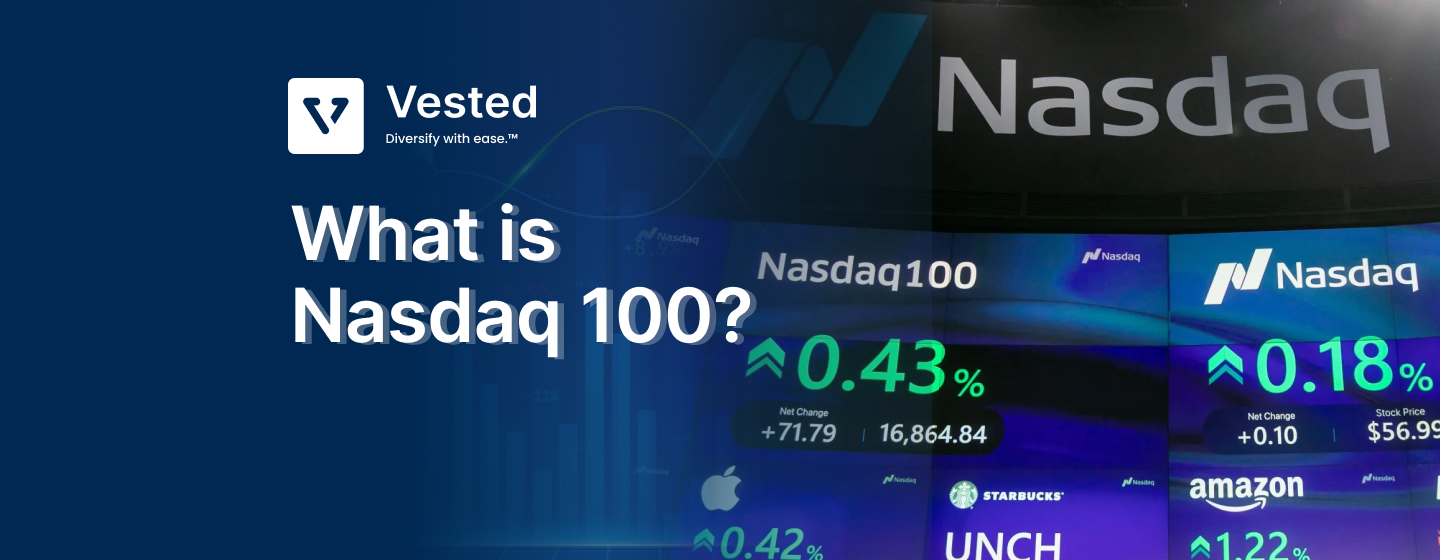
While the Composite is broad, the Nasdaq 100 Index is perhaps even more famous, particularly among investors focused on large-cap growth stocks. The Nasdaq 100 consists of the 100 largest non-financial companies listed on the Nasdaq Stock Market, based on market capitalization. This focus on non-financial companies is critical because it means the index is heavily weighted towards technology, telecommunications, retail, and biotechnology sectors.
Consequently, the Nasdaq 100 has become a bellwether for the performance of the world’s leading technology and innovative growth companies, often including household names like Apple, Microsoft, Amazon, Google, and Tesla. For an investor, the Nasdaq 100 offers a concentrated view of the performance of the tech giants that frequently drive market trends. Many exchange-traded funds (ETFs) and mutual funds track the Nasdaq 100, providing an accessible way for individual investors to gain diversified exposure to these top-tier growth companies without having to buy each stock individually, making it a popular choice for strategic investing.
Other Notable Nasdaq Indices
Beyond the Composite and the 100, Nasdaq maintains other specialized indices designed to track specific segments of the market. These include:
- Nasdaq Biotechnology Index (NBI): Focuses specifically on biotechnology and pharmaceutical companies, offering a granular view of this high-growth, high-risk sector.
- Nasdaq Global Select Market Composite: Tracks companies that meet the highest initial listing standards, often comprising larger, more established firms.
- Nasdaq Financial-100 Index: Comprises the 100 largest financial companies listed on Nasdaq, providing a counterpoint to the tech-heavy Nasdaq 100.
These specialized indices are invaluable tools for investors looking to drill down into particular industries or market segments. They enable more precise analysis of sector-specific performance, assist in identifying investment opportunities within niche markets, and provide benchmarks for specialized funds. For businesses, being included in relevant Nasdaq indices can enhance visibility and attractiveness to investors, potentially impacting their valuation and access to capital.
Listing on Nasdaq: A Gateway to Capital
For companies, choosing where to list their shares is a monumental decision with significant financial implications. A listing on a major exchange like Nasdaq provides access to vast pools of capital from investors worldwide, enhances corporate visibility, and confers a stamp of legitimacy. Nasdaq has cultivated a reputation as the exchange of choice for innovative, high-growth companies, particularly within the technology and life sciences sectors.
Eligibility and Requirements
Listing on Nasdaq is not a given; it requires companies to meet a stringent set of eligibility criteria designed to ensure stability, transparency, and investor protection. These requirements typically cover several key areas:
- Financial Metrics: Companies must satisfy minimum thresholds for shareholder equity, market value, net income, and cash flow. These figures vary depending on the specific Nasdaq market segment (e.g., Global Select Market, Global Market, Capital Market), with the Global Select Market having the most demanding criteria.
- Liquidity and Public Float: There are requirements regarding the number of publicly held shares, the market value of those shares, and the number of shareholders. These ensure that there is sufficient liquidity for trading and that ownership is not overly concentrated.
- Corporate Governance: Nasdaq places a strong emphasis on corporate governance standards, including requirements for independent directors, audit committees, and shareholder approval for certain corporate actions. These measures are crucial for protecting investor interests and promoting sound management.
- Share Price: A minimum bid price per share is often required to ensure a certain level of company valuation and deter “penny stock” behavior.
Meeting these rigorous requirements signals to investors that a company is well-established, transparent, and committed to sound financial practices, thereby enhancing its appeal and credibility in the market.
The Appeal for Growth Companies (especially Tech)
Nasdaq’s history of embracing technological innovation has made it the natural home for tech startups and growth-oriented companies. From Microsoft and Apple in their early days to modern giants like Amazon and Tesla, Nasdaq has consistently attracted firms that are pushing the boundaries of technology. This appeal stems from several factors:
- Pioneering Spirit: Nasdaq’s own history as an innovator resonates with tech companies, creating a shared identity and fostering a community of forward-thinking firms.
- Visibility: Listing on Nasdaq places a company alongside other world-renowned brands, granting it significant visibility among institutional and retail investors who actively seek out growth opportunities in these sectors.
- Access to Capital: The exchange’s deep liquidity and broad investor base provide an unparalleled platform for companies to raise significant capital through initial public offerings (IPOs) and subsequent follow-on offerings, funding research and development, expansion, and acquisitions.
- Analyst Coverage: Companies listed on Nasdaq tend to attract extensive coverage from financial analysts, which can lead to greater investor awareness and potentially higher stock valuations.
For a technology startup or a rapidly expanding business, a Nasdaq listing is not just about raising money; it’s about joining an exclusive club that signifies innovation, potential, and global ambition.
The Benefits of a Nasdaq Listing
Beyond the initial access to capital, a Nasdaq listing offers ongoing benefits that can significantly impact a company’s long-term financial health and strategic development:
- Enhanced Valuation: The visibility, credibility, and investor confidence associated with a Nasdaq listing can often lead to a higher market valuation for a company’s shares.
- Liquidity for Shareholders: Public trading on Nasdaq provides an exit strategy for early investors and employees through secondary markets, making the company more attractive to venture capitalists and talent alike.
- Global Recognition: Nasdaq’s international prominence means a listing provides global exposure, opening doors for international partnerships, market expansion, and talent acquisition.
- Currency for Acquisitions: A publicly traded stock can be used as currency for mergers and acquisitions, offering a non-cash means of expanding the business.
- Investor Relations: Nasdaq provides tools and resources to help listed companies manage their investor relations, communicate effectively with shareholders, and meet regulatory obligations.
In essence, a Nasdaq listing transforms a private entity into a public corporation, subjecting it to greater scrutiny but also bestowing upon it access to unparalleled financial resources and global recognition, all of which are critical for sustained growth and market leadership in the modern business world.
Nasdaq’s Enduring Influence on Global Finance
Nasdaq’s impact extends far beyond its electronic trading screens and market indices. It has played a pivotal role in shaping the financial landscape, driving innovation, fostering economic growth, and acting as a crucial barometer for global economic health, particularly within the dynamic technology sector. Its influence underscores its position as a cornerstone of modern financial markets.
Driving Innovation and Capital Formation
From its inception, Nasdaq has been a catalyst for innovation. By pioneering electronic trading, it forced other exchanges to adapt and modernize, ultimately leading to a more efficient and interconnected global financial system. This spirit of innovation extends to the companies it lists. Nasdaq has consistently attracted businesses at the cutting edge of technology, biotechnology, and other growth industries. By providing these companies with efficient access to capital, Nasdaq directly fuels research and development, product creation, and job growth.
This capital formation mechanism is vital for economic progress. Startups and emerging companies, which often struggle to secure traditional bank financing, can tap into public markets through Nasdaq. This ability to attract investment from a broad base of shareholders allows these businesses to scale rapidly, bringing new products and services to market, and ultimately driving significant economic value. For investors, it means opportunities to participate in the growth of disruptive companies, potentially yielding substantial returns that contribute to their personal wealth accumulation.
A Barometer for the Tech Sector
Given its heavy concentration of technology and growth companies, Nasdaq has become an indispensable barometer for the health and sentiment of the global tech sector. The performance of the Nasdaq Composite and, more specifically, the Nasdaq 100, is closely watched by investors, analysts, and policymakers worldwide as an indicator of technological advancement, investor confidence in innovation, and future economic trends. A strong performance on Nasdaq often signals optimism about technological progress and economic growth, while downturns can indicate broader concerns within the tech industry or the economy at large.
This role as a tech barometer makes Nasdaq crucial for investment analysis and economic forecasting. Financial advisors often reference Nasdaq’s performance when discussing sector allocation, risk management, and long-term investment strategies with their clients. For businesses, the index’s movements can influence their access to capital, valuation, and strategic planning, as investor sentiment towards the broader tech sector can impact individual company stock prices.
Global Reach and Market Integration
Nasdaq’s influence is global. Through strategic acquisitions and partnerships, Nasdaq has expanded its footprint beyond the United States, operating exchanges and providing technology solutions in numerous countries. It offers market technology to over 130 marketplaces, clearing organizations, and central securities depositories across 50 countries, demonstrating its pervasive role in integrating global financial markets. This global reach facilitates cross-border investing and capital flows, allowing companies from various nations to access international capital markets.
For investors, this means greater diversification opportunities and access to a wider range of investment products from around the world. For multinational corporations and businesses seeking international expansion, Nasdaq’s integrated platforms simplify the process of raising capital on a global scale and navigating diverse regulatory environments. This continued expansion and integration solidify Nasdaq’s position not just as an exchange, but as a crucial piece of the global financial infrastructure, continually adapting to new technologies and evolving market demands to foster economic growth and investment opportunities worldwide.
aViewFromTheCave is a participant in the Amazon Services LLC Associates Program, an affiliate advertising program designed to provide a means for sites to earn advertising fees by advertising and linking to Amazon.com. Amazon, the Amazon logo, AmazonSupply, and the AmazonSupply logo are trademarks of Amazon.com, Inc. or its affiliates. As an Amazon Associate we earn affiliate commissions from qualifying purchases.