
Nasal packing, a crucial medical procedure, involves the insertion of absorbent materials into the nasal cavity. While its name might sound somewhat rudimentary, its application is sophisticated and indispensable in managing a variety of nasal conditions. From controlling bleeding to supporting healing and even shaping the nasal structures post-surgery, nasal packing plays a vital role in both acute care and reconstructive procedures. Understanding what nasal packing is, why it’s performed, the different types of materials used, and the associated care and potential complications provides valuable insight into this common yet significant medical intervention.
The Purpose and Process of Nasal Packing
Nasal packing serves a multitude of purposes, primarily centered around addressing bleeding and facilitating recovery. The decision to pack a nose is almost always dictated by the need to stem hemorrhage, a common occurrence following nasal trauma, surgery, or due to spontaneous nosebleeds (epistaxis). Beyond hemostasis, packing also provides structural support, preventing collapse of the nasal tissues, and can help to minimize swelling and pain by applying gentle pressure.
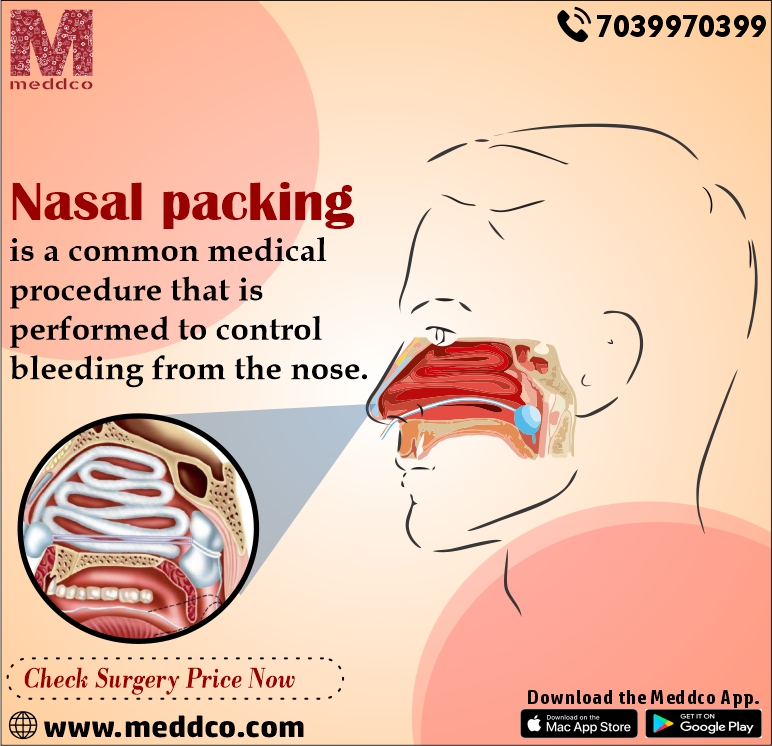
The process of nasal packing, while seemingly straightforward, requires precision and anatomical knowledge. A healthcare professional, typically an Ear, Nose, and Throat (ENT) specialist or an emergency physician, will assess the bleeding and determine the most appropriate packing material and method. The materials are carefully inserted along the septum and into the nasal passages, extending as far back as necessary to achieve effective compression and control. The goal is to apply uniform pressure without causing excessive discomfort or compromising blood flow to the nasal lining, which could lead to tissue damage. The duration for which the packing remains in place varies, depending on the severity of the bleeding and the underlying cause, but typically ranges from 24 hours to several days.
Indications for Nasal Packing
The primary indication for nasal packing is epistaxis, or nosebleeds. These can be anterior (from the front of the nose) or posterior (from the back of the nose). Anterior nosebleeds are more common and often arise from the Kiesselbach’s plexus, a network of blood vessels on the nasal septum. Posterior nosebleeds are more serious and can be challenging to control, often requiring more extensive packing.
Beyond spontaneous or trauma-induced bleeding, nasal packing is frequently employed in the post-operative setting. After nasal surgeries such as septoplasty (correction of a deviated septum), rhinoplasty (nose reshaping), or sinus surgery, packing is inserted to control bleeding, prevent hematoma formation (blood clots), and maintain the integrity of the surgical site. In some cases of severe nasal trauma, packing may also be used to stabilize fractured nasal bones. Furthermore, in situations where the nasal lining is particularly fragile, such as in patients with certain blood clotting disorders or those on anticoagulant medications, nasal packing can be a preventative measure to minimize the risk of bleeding.
The Procedure of Nasal Packing
The actual insertion of nasal packing is performed with the patient in a comfortable position, often seated upright. Local anesthetic, sometimes combined with a vasoconstricting agent, is typically applied to the nasal lining to minimize pain and reduce bleeding. The packing material is then carefully guided into the nasal cavity using specialized instruments. For anterior packing, the material is usually inserted from the front, creating a firm plug that compresses the bleeding vessels. Posterior packing is more complex and may involve passing a specialized balloon catheter through the nose and inflating it in the nasopharynx to apply pressure from behind.
The placement must be meticulous to ensure it is neither too loose to be ineffective nor too tight to cause undue pressure on the delicate nasal structures, which could lead to pain, airway obstruction, or even damage to the cartilage and bone. The patient will experience a sensation of fullness in the nose and may have difficulty breathing through their nostrils. Saliva might drip from the mouth due to the obstruction of airflow, and some individuals may also experience a headache or ear discomfort due to pressure changes.
Types of Nasal Packing Materials
The evolution of nasal packing has seen a shift from traditional gauze to more advanced, specialized materials designed to enhance efficacy, comfort, and ease of removal. The choice of material depends on the specific clinical scenario, including the location and severity of bleeding, the patient’s underlying medical conditions, and the surgeon’s preference.
Traditional Materials: Gauze and Cotton
Gauze, often impregnated with an antibiotic ointment or petroleum jelly to prevent sticking and reduce infection risk, has been a mainstay in nasal packing for decades. It is typically packed in layers, creating a firm tamponade. While effective, gauze packing can sometimes be uncomfortable, may lead to significant swelling, and its removal can be a painful process, potentially causing minor bleeding as it adheres to the nasal lining. Cotton, similarly, can be used, often in a more compressed form, but shares many of the same limitations as gauze.
Modern Synthetic and Absorbable Materials
The advent of synthetic and absorbable materials has revolutionized nasal packing. These materials offer several advantages, including reduced pain during removal and a lower risk of secondary bleeding.
-
Merocel: This is a hydrophilic polymer that expands significantly upon contact with blood or saline. Its expansion creates uniform pressure, effectively controlling bleeding. Merocel is typically inserted dry and expands to fill the nasal cavity. Its removal is generally less traumatic than with traditional gauze, as it does not adhere as readily.
-
Gelfoam and Surgicel: These are absorbable hemostatic agents. Gelfoam is a gelatin sponge that, when moistened, swells and creates pressure. Surgicel is an oxidized regenerated cellulose that acts as a mechanical barrier and also has some hemostatic properties. Both are designed to be absorbed by the body over time, eliminating the need for removal and reducing the risk of complications.
-
Bipp: While not a material itself, Bipp is a preparation often applied to gauze. It is a mixture of bismuth, iodoform, and paraffin paste. The iodoform provides antiseptic properties, and the paste allows for easier insertion and removal while also acting as a barrier.
-
Nasogastric Tubes and Nasal Balloons: In cases of severe posterior epistaxis, specialized nasal balloons or inflatable catheters (similar to nasogastric tubes) are employed. These devices have balloons that can be inflated within the nasopharynx, applying direct pressure to the bleeding site from behind. They are typically left in place for a shorter duration and are deflated and removed by a healthcare professional.

The Importance of Material Choice
The selection of packing material is a critical decision made by the healthcare provider. Factors such as the need for a complete seal, the potential for adherence, the body’s absorption rate, and the ease of removal all play a role. For instance, in cases where significant structural support is needed, a more rigid material might be preferred, while for minor bleeding, an absorbable agent might suffice. The continuous development of new biomaterials aims to further improve patient comfort, reduce the incidence of complications, and optimize the healing process.
Management and Care After Nasal Packing
Once nasal packing is in place, careful management and patient education are paramount to ensure comfort, prevent complications, and facilitate the healing process. The period following packing insertion is crucial, and patients must be aware of the necessary precautions and potential issues.
Patient Instructions and Comfort Measures
Patients will experience a distinct sensation of fullness and congestion in their nose, making breathing through the nostrils difficult. They will likely need to breathe through their mouth. This can lead to dry mouth and throat, so frequent sips of water are recommended, along with using a humidifier. It is important to avoid blowing the nose forcefully, as this can dislodge the packing and cause bleeding. Sneezing should be done with the mouth open to minimize pressure in the nasal passages.
Pain is a common complaint, and over-the-counter pain relievers like acetaminophen or ibuprofen can be prescribed. Some patients may also experience a headache or a feeling of pressure in their ears or face. Rest is advised to promote healing and reduce the risk of re-bleeding. Patients are also typically instructed to avoid strenuous activities, heavy lifting, and bending over for extended periods, as these actions can increase blood pressure and the likelihood of bleeding. Saline nasal sprays or gentle saline rinses may be recommended to keep the nasal lining moist once the packing is removed, aiding in recovery.
Potential Complications and Warning Signs
While generally safe, nasal packing can be associated with certain complications. These can range from minor discomfort to more serious issues.
- Pain and Discomfort: As mentioned, pain is a common side effect, but severe or worsening pain could indicate excessive pressure or a developing infection.
- Infection: The presence of packing creates a foreign body environment, increasing the risk of bacterial colonization. Signs of infection include increased pain, fever, swelling, redness, and purulent discharge. Antibiotics may be prescribed proactively or if infection is suspected.
- Bleeding (Re-bleeding): Despite the packing, re-bleeding can occur, especially if the packing becomes dislodged or if the underlying cause of bleeding is not fully resolved. Any significant or persistent bleeding after packing insertion requires immediate medical attention.
- Airway Obstruction and Sleep Apnea: In some cases, especially with bilateral packing, breathing can be significantly compromised. This can lead to sleep disturbances, including obstructive sleep apnea, which can manifest as loud snoring, pauses in breathing, and daytime sleepiness.
- Synechiae (Adhesions): When packing is removed, there is a risk of scar tissue forming between the nasal septum and the lateral nasal wall, creating adhesions (synechiae). This can lead to nasal obstruction and require surgical division.
- Toxic Shock Syndrome (TSS): Although rare, TSS is a serious, life-threatening condition associated with bacterial toxins. It can occur when packing is left in place for too long or becomes contaminated. Symptoms include sudden high fever, low blood pressure, rash, and multi-organ involvement. This emphasizes the importance of adhering to the prescribed duration for packing.
Patients must be instructed to contact their healthcare provider immediately if they experience any of these warning signs. Regular follow-up appointments are essential to monitor healing, assess for complications, and ensure the timely and safe removal of the packing.
The Removal of Nasal Packing
The removal of nasal packing is as critical as its insertion and often marks a significant milestone in the patient’s recovery. The timing and method of removal are carefully determined by the treating physician.
Timing and Techniques of Removal
The duration for which nasal packing remains in place varies. For anterior epistaxis, it might be as short as 24-48 hours. Post-surgical packing, especially after extensive procedures, may remain for 3-7 days. Posterior packing is often removed sooner, typically within 2-3 days, due to the discomfort and potential complications associated with prolonged placement.
The removal process itself is usually performed in a clinical setting. The physician will carefully and slowly pull out the packing material. This is often done using forceps and may involve gentle rocking to loosen any adhesions. The goal is to remove the packing with minimal trauma to the nasal mucosa. Patients may experience some discomfort or a pulling sensation. In some cases, a topical anesthetic or a mild sedative might be administered to enhance patient comfort.
For absorbable packing, no removal is necessary, as it dissolves on its own. However, the patient will still need to be monitored for bleeding and other complications during the period of absorption.

Post-Removal Care and Long-Term Considerations
Following the removal of nasal packing, the nasal cavity will feel more open, and patients will be able to breathe through their nose again, although it may still feel swollen and congested. It is crucial to continue with post-removal care instructions. This typically includes:
- Gentle Nasal Rinses: Using a saline solution is highly recommended to keep the nasal passages clean and moist, promoting healing and preventing crusting.
- Avoiding Nasal Irritation: Patients should refrain from picking their nose, blowing it forcefully, or inserting any objects into their nasal passages.
- Return to Normal Activities: Gradually returning to normal activities is encouraged, but strenuous exercise and heavy lifting should be avoided for a period specified by the doctor.
- Monitoring for Bleeding: While the risk of significant bleeding decreases after packing removal, it is still important to be vigilant for any signs of renewed hemorrhage and seek medical attention if it occurs.
- Follow-up Appointments: Attending scheduled follow-up appointments allows the physician to assess the healing process, check for any developing complications like synechiae, and address any lingering concerns.
In conclusion, nasal packing is a vital medical intervention with a wide range of applications in managing nasal bleeding and supporting post-operative healing. While the procedure and materials have evolved significantly, the fundamental goal remains the same: to effectively control bleeding and facilitate a smooth recovery, ensuring the optimal health and function of the nasal passages. Understanding the nuances of nasal packing empowers patients to better comprehend their treatment and actively participate in their recovery process.
aViewFromTheCave is a participant in the Amazon Services LLC Associates Program, an affiliate advertising program designed to provide a means for sites to earn advertising fees by advertising and linking to Amazon.com. Amazon, the Amazon logo, AmazonSupply, and the AmazonSupply logo are trademarks of Amazon.com, Inc. or its affiliates. As an Amazon Associate we earn affiliate commissions from qualifying purchases.