
Rick Grimes’s story is far more than just the chronicle of a lawman thrust into an apocalypse. It’s a masterclass in brand narrative, character evolution, and the enduring power of a central figure to define and sustain a vast media franchise. From his initial awakening in a desolate hospital to his presumed departure into the unknown, Rick’s journey has been the unwavering gravitational center of The Walking Dead, shaping its identity, driving its audience engagement, and setting the benchmark for survival narratives. Examining “what happens to Rick Grimes” is, in essence, analyzing the strategic branding of a character and the franchise he anchors.
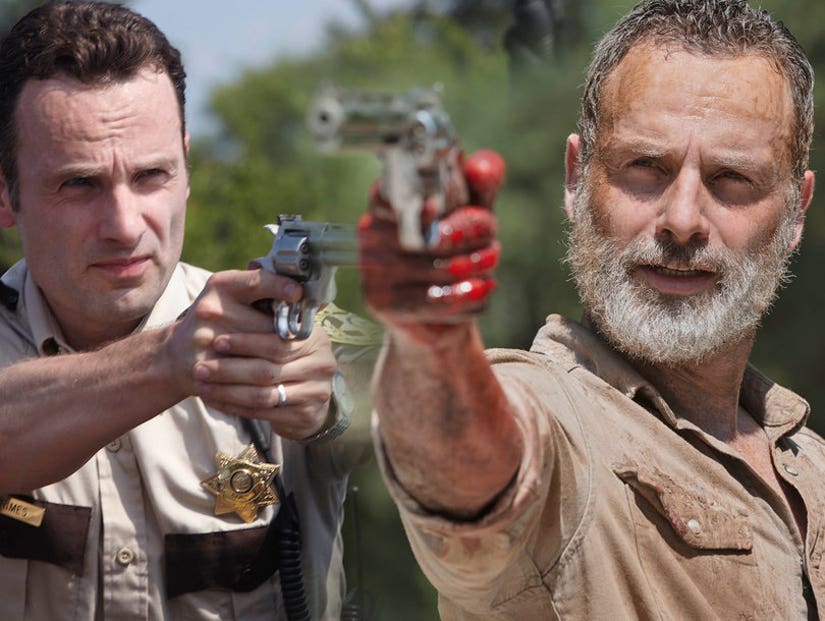
The decision to focus on Rick Grimes’s fate, or rather, his continued narrative, is a deliberate branding maneuver. It ensures that the core emotional resonance of the original series remains accessible even as the universe expands. This isn’t simply about concluding a story; it’s about strategically evolving a brand to maintain relevance and cater to a dedicated fanbase while simultaneously attracting new audiences. The implications of his departure and subsequent return are deeply rooted in brand management principles, focusing on legacy, continuity, and the creation of new revenue streams through spin-offs and extended universe content.
The Archetype of the Reluctant Leader: Forging a Brand Identity
Rick Grimes wasn’t born a savior, but the circumstances of the apocalypse forged him into one. This transformation is central to The Walking Dead‘s brand identity, offering a relatable yet aspirational figure for audiences to follow. His journey from a bewildered sheriff’s deputy to a hardened, morally complex leader is a compelling narrative arc that resonates deeply, establishing the core ethos of the franchise.
From Lawman to Leader: The Genesis of a Survivor Brand
At the outset, Rick embodies the quintessential hero, albeit one unprepared for the sheer scale of the crisis. His initial goal is simple: find his family. This primal drive is universally understood and forms the foundational element of his personal brand within the narrative. As he navigates the initial chaos, his inherent sense of justice and protective instinct, remnants of his pre-apocalypse identity, begin to manifest as leadership qualities. This duality—the ordinary man forced into extraordinary circumstances—is a powerful branding tool. It allows the audience to see themselves in him, fostering empathy and investment.
The Moral Compass in a Post-Apocalyptic Landscape
A critical aspect of Rick’s brand is his often-tested moral compass. In a world where survival often necessitates ruthless pragmatism, Rick consistently grappled with the ethical implications of his decisions. This internal conflict is not a flaw in the brand; it’s a feature. It creates dramatic tension, generates discussion, and positions The Walking Dead as a show that explores complex philosophical questions about humanity’s resilience and its capacity for both good and evil. His adherence to principles, even when costly, solidified him as a moral anchor, differentiating the brand from gratuitous violence and establishing it as a narrative with depth.
The Evolving Narrative Arc: Sustaining Brand Interest Through Transformation
Rick Grimes’s character development is not static; it’s a dynamic process designed to keep the brand fresh and engaging over a prolonged period. The narrative evolution of Rick directly influences the overall trajectory of the franchise, ensuring its longevity and adaptability.
The Trials of Leadership: From Pragmatism to Authority
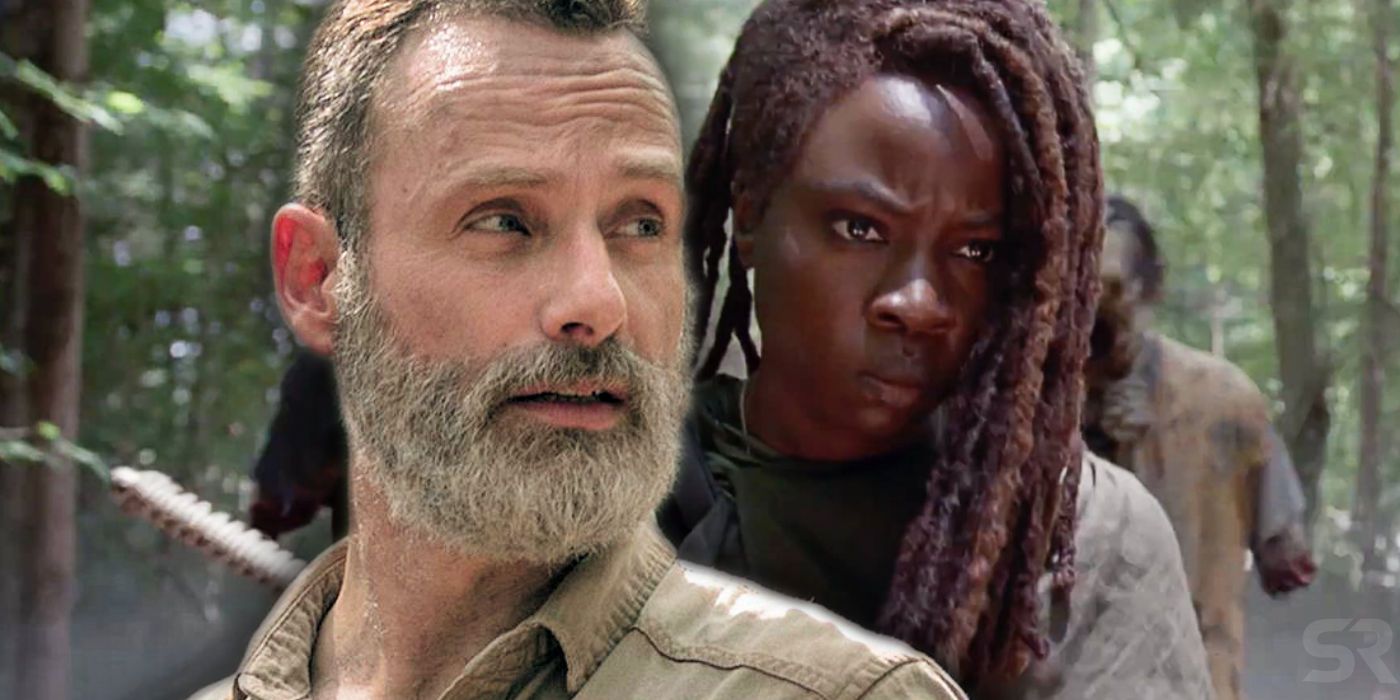
As Rick assumed greater responsibility, his leadership style evolved. He moved from being a reactive protector to a proactive strategist, often making difficult choices that alienated some but were deemed necessary for the collective good. This progression from a reluctant leader to an almost messianic figure within his community is a key element in building a robust brand narrative. The audience witnesses the weight of leadership, the sacrifices involved, and the ultimate transformation that shapes not just Rick, but the very fabric of the communities he leads. This ongoing evolution ensures that the brand remains compelling, reflecting the changing nature of the world and the increasing stakes.
The Personal Toll: Scars as Brand Markers
The physical and psychological scars Rick accumulated are not mere plot devices; they are potent brand markers. Each wound, each loss, and each moment of despair contributes to the complex tapestry of his character. These are the indelible imprints of his journey, visible signs of the relentless struggle for survival. This visual storytelling enhances the brand’s authenticity and grit. It communicates the harsh realities of the world and the immense personal cost of leadership and resilience. These “scars” become symbolic of the brand’s core themes: endurance, sacrifice, and the indelible impact of trauma on the human spirit.
The Strategic Departure and Redeployment: Expanding the Brand Universe
Rick Grimes’s narrative departure from the main series was a calculated branding strategy, not an end to his story. It was a carefully orchestrated move designed to leverage his established character equity while paving the way for an expanded universe, thus increasing the brand’s reach and revenue potential.
The Illusion of an Ending: Maintaining Fan Engagement Through Mystery
The televised “death” of Rick Grimes, while emotionally charged for viewers, was strategically framed to maintain intrigue. His disappearance, rather than a definitive end, left a lingering question mark. This ambiguity served multiple branding purposes: it allowed for the continuation of the main series without its central figure, appeased fans who were deeply invested in his journey, and most importantly, created anticipation for his eventual return or further exploration in spin-off narratives. This “phantom limb” effect, where the audience still feels the presence of the character, is a powerful tool for sustained brand engagement.

The CRM and the Future of the Brand: New Frontiers in Storytelling
Rick’s reappearance in a dedicated film franchise and subsequent spin-off series signifies a deliberate brand expansion. By placing him within the mysterious Civic Republic Military (CRM), the narrative opens up new lore, new conflicts, and new avenues for storytelling. This redeployment is a testament to the enduring strength of the Rick Grimes brand. It allows the franchise to explore different facets of the post-apocalyptic world, introduce new characters, and develop complex political and social structures. This strategic use of a beloved character in new contexts is a tried-and-true method for revitalizing a brand and tapping into previously unexplored market segments. It ensures that the core DNA of The Walking Dead remains, while the universe it inhabits grows and diversifies. The success of these ventures hinges on the continued appeal and recognition of Rick Grimes, demonstrating his irreplaceable value to the brand.
In conclusion, the question of “what happens to Rick Grimes” transcends a simple plot point. It is a profound exploration of brand strategy, character development, and franchise expansion. Rick’s journey has been the bedrock of The Walking Dead‘s success, shaping its identity, captivating its audience, and ultimately, providing a blueprint for how to sustain and grow a media empire through the enduring power of a compelling central figure. His narrative arc, from the nascent stages of survival to his strategic redeployment into new territories, is a testament to masterful brand storytelling, ensuring that the legacy of Rick Grimes, and the universe he inhabits, continues to resonate for years to come.
aViewFromTheCave is a participant in the Amazon Services LLC Associates Program, an affiliate advertising program designed to provide a means for sites to earn advertising fees by advertising and linking to Amazon.com. Amazon, the Amazon logo, AmazonSupply, and the AmazonSupply logo are trademarks of Amazon.com, Inc. or its affiliates. As an Amazon Associate we earn affiliate commissions from qualifying purchases.