
In the vast and often complex world of consumer health, certain brand names become synonymous with their purpose, carving out a distinct identity that resonates with millions. Nasacort is one such brand, widely recognized for its role in allergy relief. Yet, to truly understand “what is Nasacort” from a strategic perspective, one must look beyond the physical product and delve into its brand identity, market positioning, communication strategies, and its journey within a highly regulated and competitive industry. This exploration reveals a sophisticated interplay of pharmaceutical efficacy, consumer trust, and astute brand management that defines its enduring presence.
The Core Identity of Nasacort: Product, Promise, and Perception
At its heart, a brand is a promise. For Nasacort, this promise is deeply rooted in its scientific foundation and its direct impact on consumer well-being. Understanding its core identity requires examining the product itself, the need it addresses, and the emotional connection it fosters.
Defining the Product: Triamcinolone Acetonide Nasal Spray
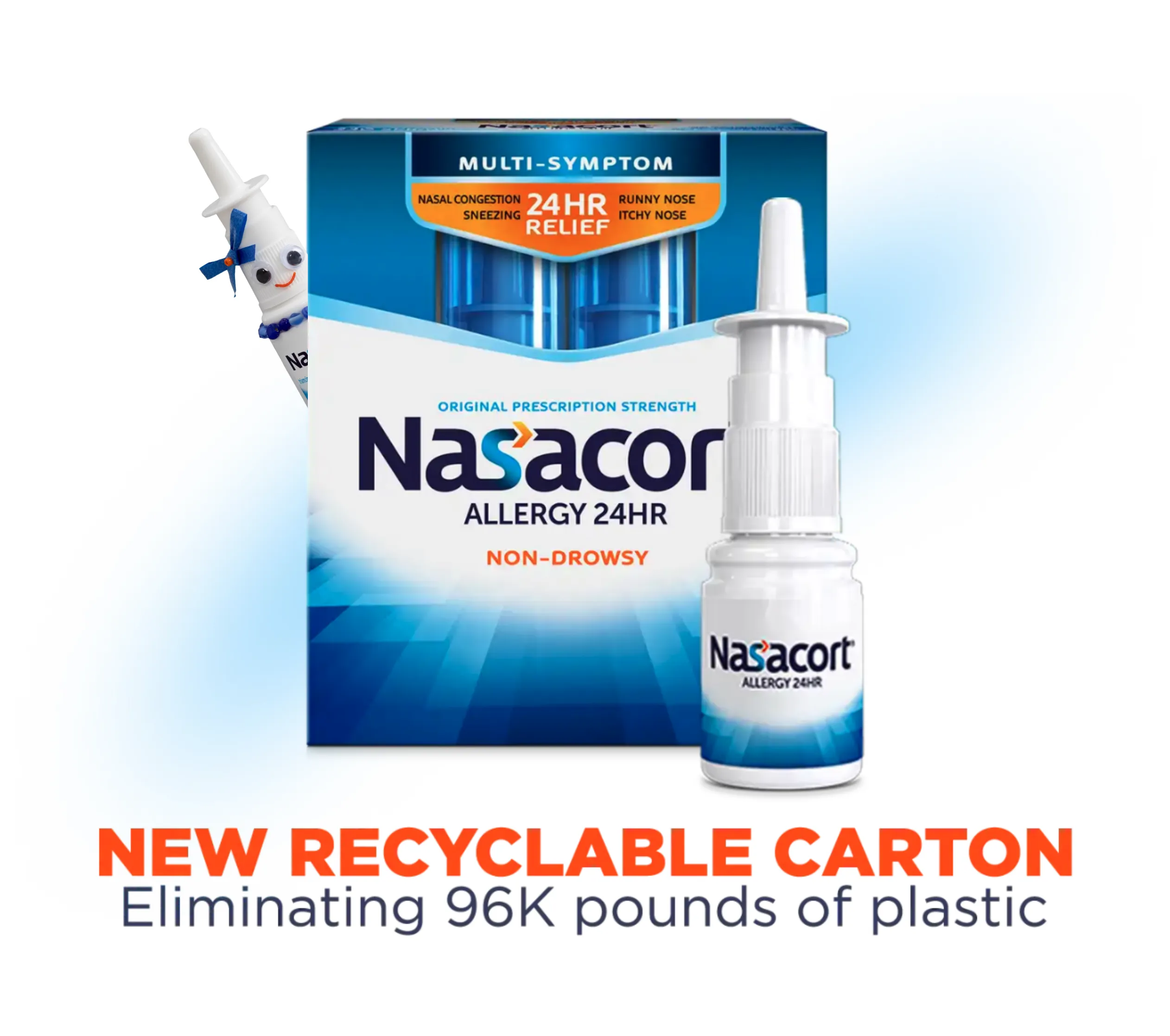
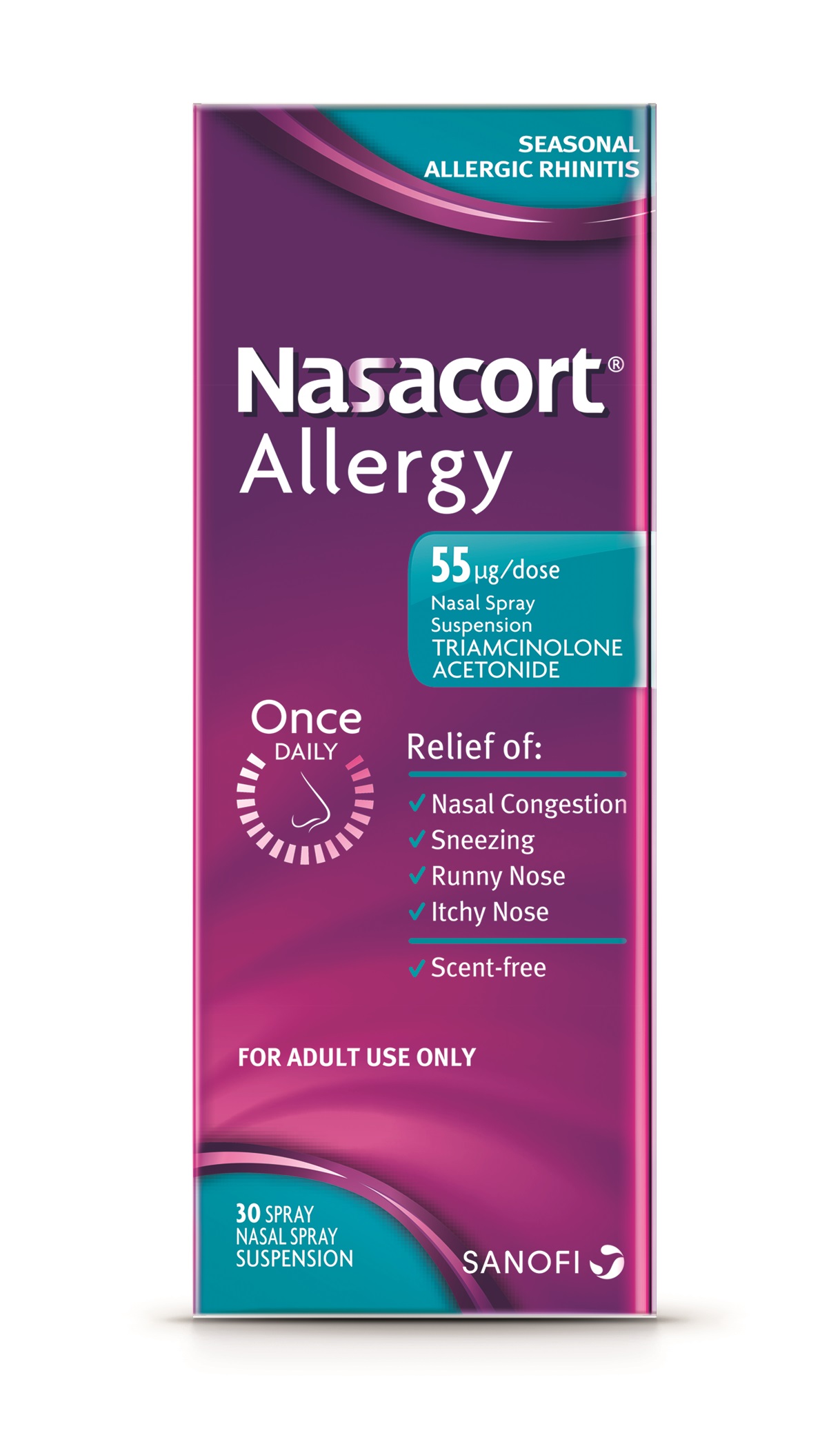
Nasacort is the brand name for a corticosteroid nasal spray containing triamcinolone acetonide. This active ingredient works by reducing inflammation in the nasal passages, which is a primary cause of allergy symptoms like sneezing, runny nose, nasal congestion, and itchy nose. Unlike some oral antihistamines that might cause drowsiness, Nasacort delivers localized relief. From a branding perspective, the precise, targeted action of triamcinolone acetonide allows Nasacort to position itself as an effective and often non-drowsy solution, a critical differentiator in a market saturated with various allergy treatments. The efficacy of the active ingredient forms the bedrock upon which the entire brand edifice is built, lending credibility and authority to its claims.
Addressing a Core Need: Comprehensive Allergy Symptom Relief
The overarching purpose of Nasacort is to alleviate the discomfort of nasal allergies. This isn’t just about treating symptoms; it’s about improving quality of life for allergy sufferers. The brand addresses a pervasive and often chronic problem, offering a daily management solution. Its ability to tackle a broad spectrum of symptoms – including the often-bothersome congestion that many other allergy medications struggle with – positions it as a comprehensive relief option. The brand narrative often emphasizes this holistic approach to symptom management, aiming to convey a sense of thoroughness and reliability. By understanding and consistently communicating its direct relevance to a common and impactful health issue, Nasacort solidifies its utilitarian value proposition in the minds of consumers.
Brand Promise and User Expectation: Freedom from Allergy Symptoms
The ultimate brand promise of Nasacort transcends mere symptom relief; it’s about offering a sense of normalcy and freedom during allergy season and beyond. The expectation from users is clear: effective relief that allows them to live their lives without the constant interruption of allergy symptoms. This promise is carefully crafted through consistent messaging that highlights not just the “what” (what it does) but the “how” (how it improves life). For a pharmaceutical brand, this promise is particularly weighty, as it directly impacts health and comfort. Building and maintaining this trust requires not only consistent product performance but also transparent communication, responsible marketing, and an unwavering commitment to consumer well-being. This delicate balance between scientific integrity and aspirational messaging forms the crux of Nasacort’s brand identity.
Nasacort’s Brand Journey: Evolution and Market Positioning
The trajectory of Nasacort from a prescription-only medication to an accessible over-the-counter (OTC) staple is a testament to strategic brand evolution. This journey showcases how a pharmaceutical product can adapt to market dynamics, navigate competitive pressures, and ultimately solidify its position as a trusted consumer health brand.
From Prescription to Over-the-Counter: A Strategic Shift
One of the most significant chapters in Nasacort’s brand story is its transition from a prescription drug (Nasacort AQ) to an over-the-counter product (Nasacort Allergy 24HR) in 2014. This was a monumental strategic decision driven by several factors, including patent expiration, increasing competition, and a broader trend in the pharmaceutical industry to switch proven drugs to OTC status for wider accessibility. For the brand, this switch meant a complete overhaul of its marketing and distribution strategy. It moved from targeting healthcare professionals to directly addressing consumers, necessitating a simplification of medical jargon, a focus on direct consumer benefits, and extensive consumer education campaigns. This transition expanded its market reach exponentially, but also placed a greater onus on the brand to build direct consumer relationships and trust without the primary gatekeeper of a doctor’s recommendation.
Navigating a Competitive Landscape: Differentiation and Value Proposition
The OTC allergy market is fiercely competitive, populated by numerous brands offering antihistamines, decongestants, and other corticosteroid nasal sprays (like Flonase and Rhinocort). In this environment, Nasacort’s brand strategy has focused heavily on differentiation. Early on, a key differentiator was its non-drowsy formulation and its comprehensive symptom relief, particularly its effectiveness against nasal congestion. Post-OTC switch, the brand emphasized its 24-hour efficacy and often positioned itself as “prescription-strength” relief now available without a prescription, leveraging its prior medical heritage. Its marketing campaigns have consistently aimed to articulate a clear value proposition: effective, long-lasting, and non-drowsy relief from a broad range of allergy symptoms, accessible directly to the consumer. This clear articulation of benefits against a backdrop of competitive alternatives is crucial for maintaining market share.
The Role of Branding in Consumer Trust and Loyalty
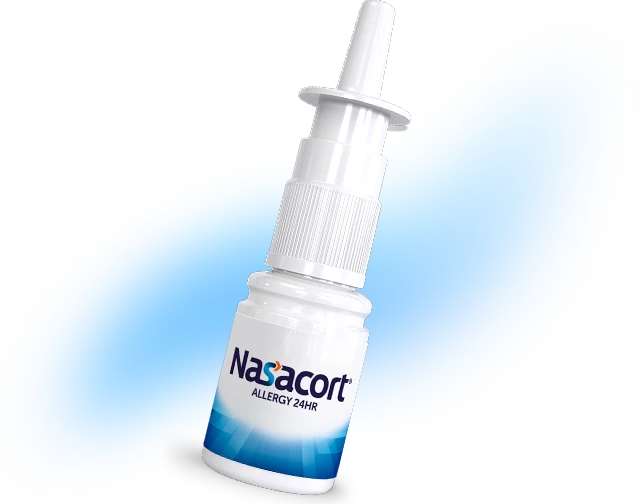
In the healthcare sector, trust is paramount. For Nasacort, branding plays a critical role not just in recognition, but in fostering and maintaining consumer trust and loyalty. The brand leverages its history as a prescription medication to convey scientific backing and reliability, a powerful message in the OTC space. Consistent visual identity, packaging design, and messaging across all touchpoints contribute to a cohesive brand experience that reinforces professionalism and efficacy. Loyalty is built not just on initial relief, but on consistent performance and a brand promise that holds true over time. Effective branding allows Nasacort to rise above being just a generic triamcinolone acetonide spray and become a preferred choice, demonstrating the power of a well-managed brand in creating sustained consumer relationships.
Marketing and Communication Strategies for a Healthcare Brand
Marketing a pharmaceutical brand, especially one in the OTC space, demands a nuanced approach. It requires balancing scientific accuracy with compelling consumer-centric messaging, all while adhering to strict regulatory guidelines. Nasacort’s success is deeply intertwined with its strategic communication efforts.
Educating the Consumer: Translating Medical Information into Accessible Messaging
One of the primary challenges for any healthcare brand is to translate complex medical information into easily digestible and understandable consumer language. For Nasacort, this means explaining how corticosteroids work, the importance of consistent daily use for optimal results, and managing expectations regarding the onset of action (it typically takes a few days for full effect). Marketing campaigns often utilize simple analogies, clear infographics, and straightforward language to demystify the science behind the product. The goal is to empower consumers with knowledge, enabling them to make informed choices, while simultaneously building confidence in the brand’s efficacy. This educational approach is not just about sales; it’s about responsible communication and fostering health literacy.
Channeling the Message: Digital, Traditional, and Pharmacy Touchpoints
Nasacort employs a multi-channel communication strategy to reach its diverse audience. Traditional advertising, including television commercials and print ads, continues to play a significant role in building broad brand awareness and reinforcing key messages. Digital marketing, however, has become increasingly vital, encompassing search engine optimization (SEO), social media engagement, content marketing (e.g., blog posts about allergy management), and targeted online advertising. These digital channels allow for more precise audience targeting, interactive engagement, and direct-to-consumer information dissemination. Crucially, the pharmacy remains a critical touchpoint. Point-of-sale displays, pharmacist recommendations, and in-store promotions are invaluable for influencing purchase decisions at the moment of need. The integration of these channels ensures a consistent brand message and an omnipresent brand presence wherever consumers seek allergy solutions.
Building Brand Authority and Recognition
Beyond direct advertising, Nasacort has strategically built brand authority and recognition through various initiatives. This includes professional endorsements (though more subtle for OTC products), consistent visual branding across all packaging and advertisements, and public relations efforts that position the brand as a thought leader in allergy management. Consistent use of its distinctive purple and white color scheme and a memorable logo helps in instant recognition. Furthermore, associating the brand with seasonal allergy relief and promoting proactive usage builds a strong mental association. The aim is to create a top-of-mind recall, so when allergy symptoms strike, Nasacort is among the first solutions that come to mind, demonstrating strong brand equity.
Challenges and Opportunities in the OTC Allergy Market
Even established brands like Nasacort face perpetual challenges and evolving opportunities. The dynamic nature of consumer health, coupled with intense competition and regulatory shifts, necessitates continuous adaptation and forward-thinking brand strategy.
The Generic Threat and Brand Dilution
The pharmaceutical industry constantly grapples with patent expirations, which pave the way for generic versions of successful drugs. Once a drug goes off-patent, numerous manufacturers can produce bioequivalent versions at significantly lower prices. For Nasacort, the active ingredient triamcinolone acetonide is now widely available in generic forms. This poses a substantial challenge to the brand, as consumers often opt for more affordable generics, potentially leading to brand dilution and reduced market share. To counter this, Nasacort must continually reinforce its brand value, emphasizing its trusted heritage, consistent quality, and any incremental benefits or unique selling propositions (e.g., specific nozzle design, packaging, or brand-specific support) that differentiate it from generic alternatives. Maintaining strong brand equity becomes paramount in defending against price-driven competition.
Adapting to Evolving Consumer Health Trends
Consumer health trends are constantly shifting. There’s a growing preference for natural remedies, personalized health solutions, and a greater emphasis on preventive care. Nasacort, as a traditional pharmaceutical product, must find ways to remain relevant in this evolving landscape. This could involve highlighting its safety profile, exploring combination products, or even engaging in content marketing that positions the brand within a broader holistic allergy management framework. Adapting to new digital behaviors, such as online purchasing and reliance on health apps, is also crucial. The brand needs to stay agile, monitor consumer preferences, and be prepared to innovate or adjust its messaging to align with contemporary health philosophies without compromising its scientific integrity.
Future-Proofing a Pharmaceutical Brand
Future-proofing a brand like Nasacort involves a multi-pronged approach. This includes investing in ongoing research and development to explore potential product line extensions or improvements, maintaining robust quality control to ensure product efficacy and safety, and continuously refining marketing strategies to resonate with new generations of consumers. Building a strong digital presence, fostering online communities, and leveraging data analytics to understand consumer behavior are essential for sustained relevance. Ultimately, future-proofing means continuously delivering on the core brand promise while simultaneously anticipating and responding to market shifts, technological advancements, and evolving consumer needs, ensuring Nasacort remains a leading and trusted name in allergy relief for years to come.
aViewFromTheCave is a participant in the Amazon Services LLC Associates Program, an affiliate advertising program designed to provide a means for sites to earn advertising fees by advertising and linking to Amazon.com. Amazon, the Amazon logo, AmazonSupply, and the AmazonSupply logo are trademarks of Amazon.com, Inc. or its affiliates. As an Amazon Associate we earn affiliate commissions from qualifying purchases.