
Understanding your yearly salary goes far beyond simply knowing the gross figure listed on your employment contract. It encompasses a complex interplay of base pay, variable compensation, benefits, deductions, and its ultimate impact on your personal financial health. For many, deciphering the true value and potential of their annual earnings is the first step toward effective financial planning, wealth accumulation, and achieving financial independence. This exploration delves into the multi-faceted nature of your yearly salary, offering insights into how to assess its components, benchmark its competitiveness, and strategize for its growth and optimal utilization.
Deconstructing Your Gross Income: More Than Just a Number
The “yearly salary” most commonly refers to your gross annual income, the total amount an employer pays you before any deductions. However, even this headline figure often has several distinct components that contribute to its sum. Recognizing these elements is crucial for a complete understanding of your compensation package.
Base Salary: The Foundation
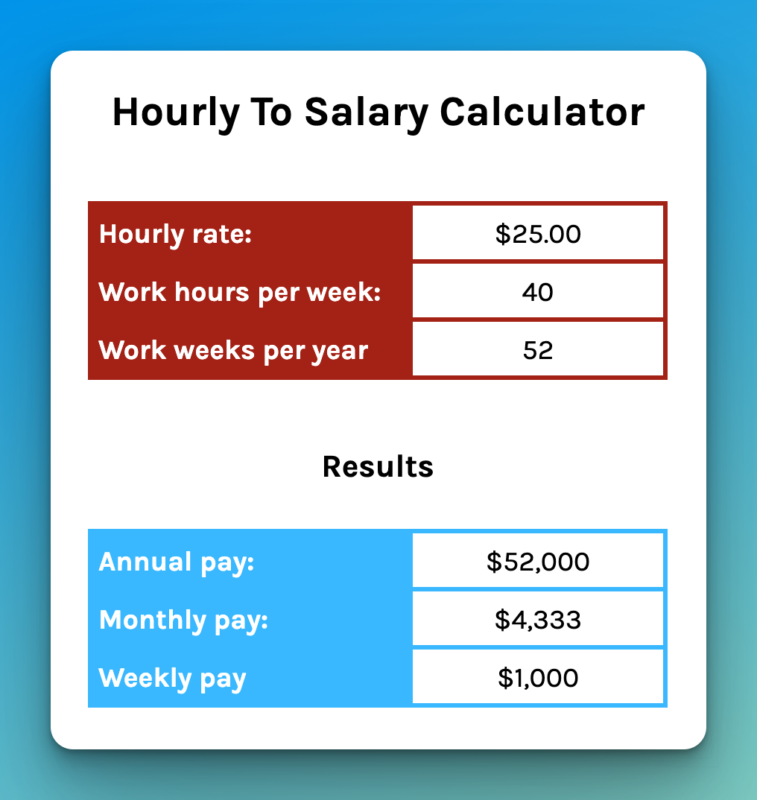
Your base salary is the fixed, regular amount of money you earn for performing your job duties, typically expressed as an annual figure or an hourly rate multiplied by standard working hours. This is the predictable core of your income, forming the bedrock upon which other compensation elements are built. It’s the most stable part of your earnings, providing a consistent income stream. When you negotiate a new job offer or discuss a raise, your base salary is usually the primary focus.
Variable Compensation: Bonuses, Commissions, and Overtime
Beyond the base salary, many roles include variable compensation, which can significantly boost your total yearly earnings. This portion of your pay is often performance-based, project-based, or tied to company profitability.
- Bonuses: These are additional payments made outside of your regular salary. They can be annual performance bonuses, sign-on bonuses, retention bonuses, or discretionary bonuses based on company success. While not guaranteed, they can form a substantial part of your total compensation package, especially in certain industries.
- Commissions: Common in sales roles, commissions are payments based on a percentage of sales generated or revenue brought in. They directly link your earnings to your individual or team performance, offering unlimited earning potential in some cases.
- Overtime Pay: For hourly employees, working beyond standard hours often results in overtime pay, typically at a higher rate (e.g., 1.5 times the regular rate). While not always consistent, overtime can contribute significantly to your gross annual income.
- Stock Options/Grants: In tech and corporate environments, equity compensation in the form of stock options or restricted stock units (RSUs) can be a powerful component, offering future financial gains tied to the company’s valuation.
Employer-Provided Benefits: Hidden Value
While not direct cash payments, employer-provided benefits represent a substantial, often overlooked, part of your total compensation. These benefits have a real monetary value that, if you had to purchase them yourself, would significantly impact your out-of-pocket expenses.
- Health Insurance: Medical, dental, and vision coverage are paramount for financial security, protecting against high healthcare costs. The employer’s contribution to premiums is a direct financial advantage.
- Retirement Plans: Employer contributions to 401(k)s, 403(b)s, or pension plans are essentially free money that grows tax-deferred. Matching contributions are a particularly valuable component of your total compensation.
- Paid Time Off (PTO): Vacation days, sick leave, and holidays represent paid time when you are not working, allowing for rest and rejuvenation without loss of income.
- Other Perks: Life insurance, disability insurance, tuition reimbursement, wellness programs, commuter benefits, and professional development opportunities all add tangible value to your overall compensation package, reducing your personal expenses and investing in your future.
From Gross to Net: Understanding Your Take-Home Pay
The number that hits your bank account each pay period – your net pay – is almost always significantly less than your gross salary. This discrepancy is due to various deductions, some mandatory and others voluntary, that are withheld from your earnings. Comprehending these deductions is vital for accurate budgeting and financial planning.
Mandatory Deductions: Taxes and Statutory Contributions
These are non-negotiable amounts that employers are legally required to withhold from your pay.
- Federal Income Tax: This is a progressive tax levied by the federal government based on your income level, marital status, and the allowances claimed on your W-4 form.
- State and Local Income Taxes: Depending on where you live and work, you may also be subject to state and/or local income taxes. These rates vary significantly by jurisdiction.
- Social Security Tax (FICA): A federal payroll tax that funds Social Security benefits for retirees, disabled workers, and survivors.
- Medicare Tax (FICA): Another federal payroll tax that funds Medicare, the national health insurance program for those 65 and older.
- Other Statutory Deductions: This can include state disability insurance (SDI) or unemployment insurance, depending on state regulations.
Voluntary Deductions: Retirement and Health Plans
Beyond the mandatory deductions, you typically authorize your employer to withhold amounts for specific benefits or financial plans.
- Retirement Contributions: Deductions for 401(k), 403(b), or other employer-sponsored retirement plans are usually pre-tax, meaning they reduce your taxable income for the current year, providing an immediate tax benefit while building long-term savings.
- Health Insurance Premiums: Your share of health, dental, and vision insurance premiums is typically deducted directly from your paycheck. These are often pre-tax deductions, further reducing your taxable income.
- Flexible Spending Accounts (FSAs) and Health Savings Accounts (HSAs): Contributions to these accounts, used for qualified medical expenses, are also typically pre-tax, offering significant tax advantages.
- Other Benefits: This can include deductions for life insurance, disability insurance, charitable contributions, or union dues.
The Impact of Pre-Tax vs. Post-Tax Deductions
Understanding the distinction between pre-tax and post-tax deductions is crucial for optimizing your tax liability and maximizing your net pay.
- Pre-Tax Deductions: These are subtracted from your gross pay before income taxes are calculated. This reduces your taxable income, lowering the amount of federal, state, and local income taxes you owe. Common examples include 401(k) contributions, health insurance premiums, and FSA/HSA contributions.
- Post-Tax Deductions: These are subtracted from your pay after income taxes have been calculated. They do not reduce your taxable income. Examples might include Roth 401(k) contributions (though they grow tax-free in retirement), certain charitable contributions, or repayments of company loans.
By carefully reviewing your pay stub, you can clearly see how your gross salary transforms into your net pay, allowing for more precise financial planning.
Benchmarking Your Earning Potential: Are You Paid Fairly?
Knowing your yearly salary is one thing; knowing if it’s competitive or if you’re being paid fairly is another. Benchmarking your earning potential against market standards is a critical exercise for career progression and financial satisfaction.
Researching Industry and Role-Specific Salary Ranges
The first step in benchmarking is to gather data. Utilize reputable salary aggregators and job boards such as Glassdoor, Indeed, LinkedIn, Payscale, and the Bureau of Labor Statistics (BLS). Filter your searches by job title, industry, and company size. These platforms provide average salary ranges for specific roles, offering a baseline for comparison. Look for data points that distinguish between entry-level, mid-career, and senior positions to ensure accurate comparisons.
Geographic and Experience Factors

Salary expectations can vary dramatically based on location. A software engineer in San Francisco, for instance, will likely command a higher salary than one in a lower cost-of-living area, even with similar experience. When benchmarking, always consider the geographic market in which you operate. Furthermore, your years of experience in a particular role or industry significantly impact your earning potential. Entry-level professionals will naturally earn less than those with a decade or more of specialized experience.
The Value of Specialized Skills and Education
Beyond general experience, specific skills, certifications, and educational backgrounds can command a premium. Highly sought-after technical skills (e.g., specific programming languages, data analytics tools, cybersecurity expertise) or advanced degrees (e.g., MBAs, PhDs, professional certifications) can push your salary beyond the average range for your role. Continuously investing in skills development makes you more valuable and justifies higher compensation.
Leveraging Market Data for Negotiation
Armed with comprehensive market data, you are in a stronger position to negotiate your salary, whether for a new job or a raise in your current role. Presenting well-researched figures demonstrates your understanding of your worth and the market. Focus on data for similar roles, experience levels, and geographic locations. This data-driven approach shifts the conversation from subjective desires to objective market value, significantly enhancing your negotiation leverage.
Strategies for Salary Growth and Maximization
Proactively seeking ways to increase your yearly salary is fundamental to accelerating your financial goals. This involves a combination of skill development, strategic career moves, and effective negotiation.
Enhancing Skills and Professional Development
In today’s dynamic job market, continuous learning is not just beneficial, it’s essential for salary growth. Identify skills that are in high demand within your industry and invest in acquiring them. This could involve pursuing certifications, taking specialized courses, attending workshops, or even earning an advanced degree. Developing expertise in niche areas, or becoming proficient in new technologies, makes you a more valuable asset and justifies higher compensation. Many employers offer tuition reimbursement or professional development budgets; leverage these resources to enhance your marketability.
Performance Reviews and Proactive Negotiation
Your annual performance review is a prime opportunity to discuss your salary. However, the preparation begins long before the meeting. Document your achievements, quantify your impact, and highlight how you’ve exceeded expectations or taken on new responsibilities. Present a clear case for how your contributions have directly benefited the company. When discussing salary, be prepared with your benchmark research. Clearly articulate your desired salary range, justifying it with your performance, market data, and any new skills acquired. Don’t just ask for more money; demonstrate why you deserve it.
Exploring Internal Promotions and External Opportunities
Sometimes, significant salary jumps require a change in role or employer.
- Internal Promotions: Keep an eye on internal job postings and leadership development programs. Proactively express interest in taking on more responsibility or moving into roles with greater scope and corresponding higher pay. Network within your organization to understand pathways to advancement.
- External Opportunities: If internal growth avenues are limited or your current salary lags significantly behind market rates, exploring external opportunities can be a powerful strategy. Interviewing with other companies, even if you’re content where you are, provides valuable insights into your market value and can lead to offers that can be leveraged for a counter-offer at your current job, or a new, higher-paying position altogether.
Diversifying Income Streams
While the article focuses on your yearly salary, maximizing your total yearly income can also involve diversifying how you earn. This could include:
- Side Hustles: Freelancing, consulting, or starting a small business on the side allows you to leverage your skills outside of your primary employment for additional income. This can range from writing and graphic design to teaching online or developing software.
- Investment Income: As your salary increases, so does your capacity to save and invest. Generating passive income through dividends, interest, or rental properties can supplement your primary salary and accelerate wealth building.
- Royalties or Licensing: If you have creative skills, selling intellectual property or licensing your work can provide ongoing income streams.
The key is to view your yearly salary not as a fixed ceiling but as a dynamic figure influenced by your efforts, skills, and strategic career management.
Optimizing Your Salary for Long-Term Financial Health
Ultimately, knowing “what is my yearly salary” is just the starting point. The true power lies in how you manage and leverage that income to build long-term financial health and security. Your salary is your primary tool for achieving financial goals, from managing daily expenses to funding retirement.
Budgeting and Cash Flow Management
An accurate understanding of your gross and net salary is foundational for effective budgeting. Create a detailed budget that tracks all your income and expenses. This allows you to see where your money goes, identify areas for savings, and allocate funds towards specific goals. Tools like spreadsheets, budgeting apps, or personal finance software can help monitor your cash flow, ensuring you live within your means and direct your salary strategically. Your budget is the blueprint for how your yearly salary translates into your financial reality.
Strategic Saving and Investing
A significant portion of your yearly salary should be allocated towards savings and investments.
- Emergency Fund: Aim to build an emergency fund covering 3-6 months of living expenses. This provides a crucial safety net against unexpected job loss or major expenses, protecting your financial stability.
- Retirement Savings: Maximize contributions to tax-advantaged retirement accounts like 401(k)s (especially if there’s an employer match), IRAs, or Roth IRAs. The earlier you start, the more powerful compounding interest becomes.
- Other Goals: Save for short-term goals (e.g., a new car, vacation) and long-term goals (e.g., a down payment on a house, your children’s education) in separate, dedicated accounts. Your salary directly fuels your ability to achieve these aspirations.

Debt Management and Wealth Building
How you manage debt directly impacts the purchasing power of your yearly salary. Prioritize paying off high-interest debt, such as credit card balances, to free up more of your income. Strategically tackle student loans or mortgages by making extra payments when possible, reducing interest accrual and accelerating debt-free living. As debt is eliminated, more of your salary can be directed towards investments, accelerating your journey towards wealth building and financial freedom. Your salary is not just for spending; it’s a powerful engine for building a secure and prosperous future.
aViewFromTheCave is a participant in the Amazon Services LLC Associates Program, an affiliate advertising program designed to provide a means for sites to earn advertising fees by advertising and linking to Amazon.com. Amazon, the Amazon logo, AmazonSupply, and the AmazonSupply logo are trademarks of Amazon.com, Inc. or its affiliates. As an Amazon Associate we earn affiliate commissions from qualifying purchases.