
Working in a dangerous profession in the United States presents a complex financial equation, where the promise of higher wages often comes intertwined with significant risks to personal health, long-term financial stability, and overall well-being. While the immediate focus might be on the physical perils, a deeper dive reveals a intricate web of financial considerations that shape these careers. From the nuanced concept of a “risk premium” in wages to the critical role of insurance and strategic long-term financial planning, understanding the monetary implications is paramount for those in, or considering, high-risk occupations.
The Financial Calculus of High-Risk Employment
The very nature of hazardous work often dictates a distinct financial landscape. These roles, which expose individuals to severe injuries, illnesses, or even fatalities, command different compensation structures and necessitate specific financial safeguards. It’s a calculation that extends far beyond the hourly rate, encompassing a wide array of potential costs and benefits.
Understanding the Risk Premium in Wages
One of the primary financial incentives for individuals to undertake dangerous jobs is the inherent “risk premium” often baked into their wages. Simply put, employers must offer higher pay to attract and retain workers willing to face significant occupational hazards. This premium reflects the basic economic principle of supply and demand: fewer individuals are willing to accept high-risk work, so those who do are compensated more generously.
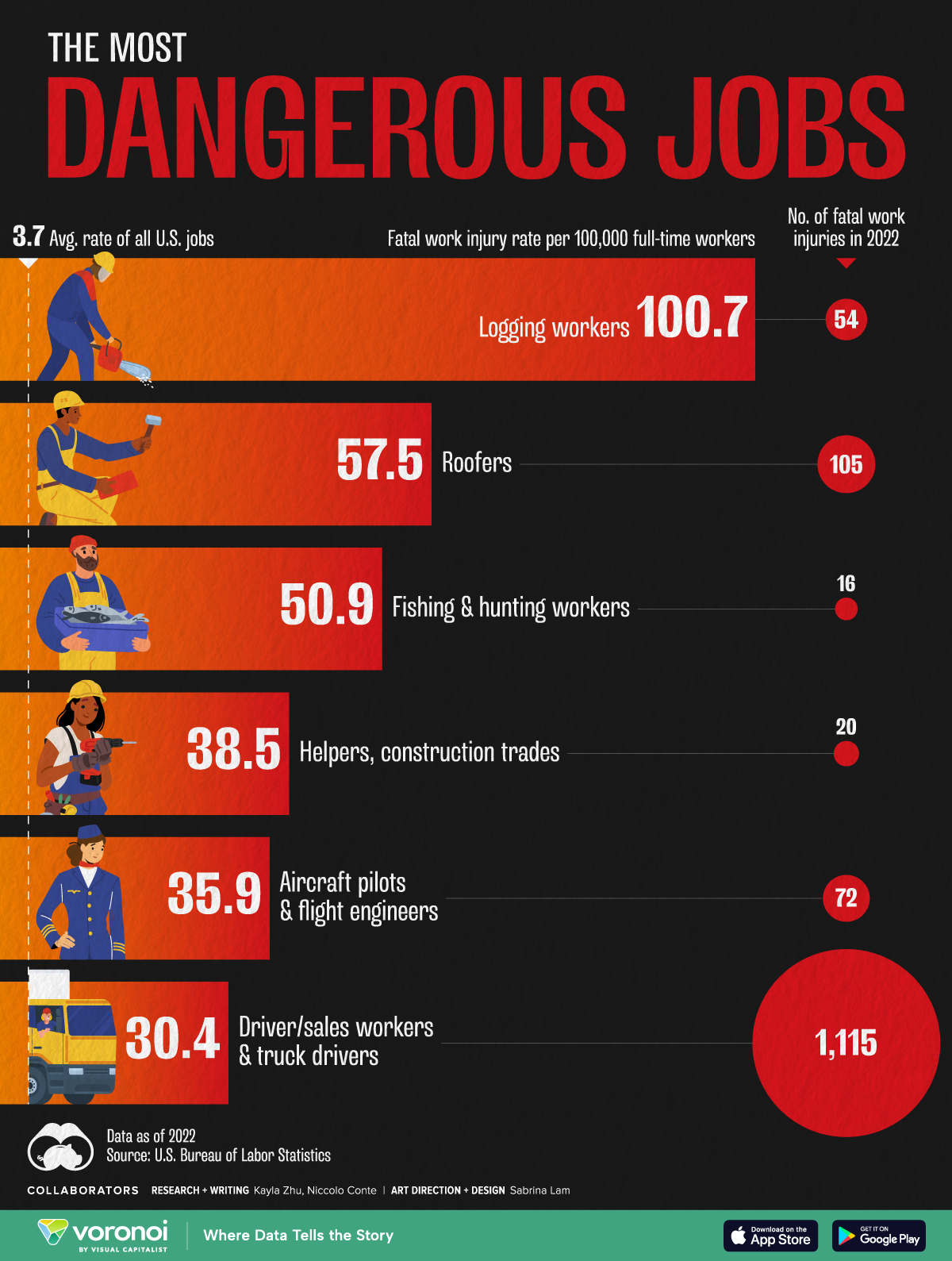
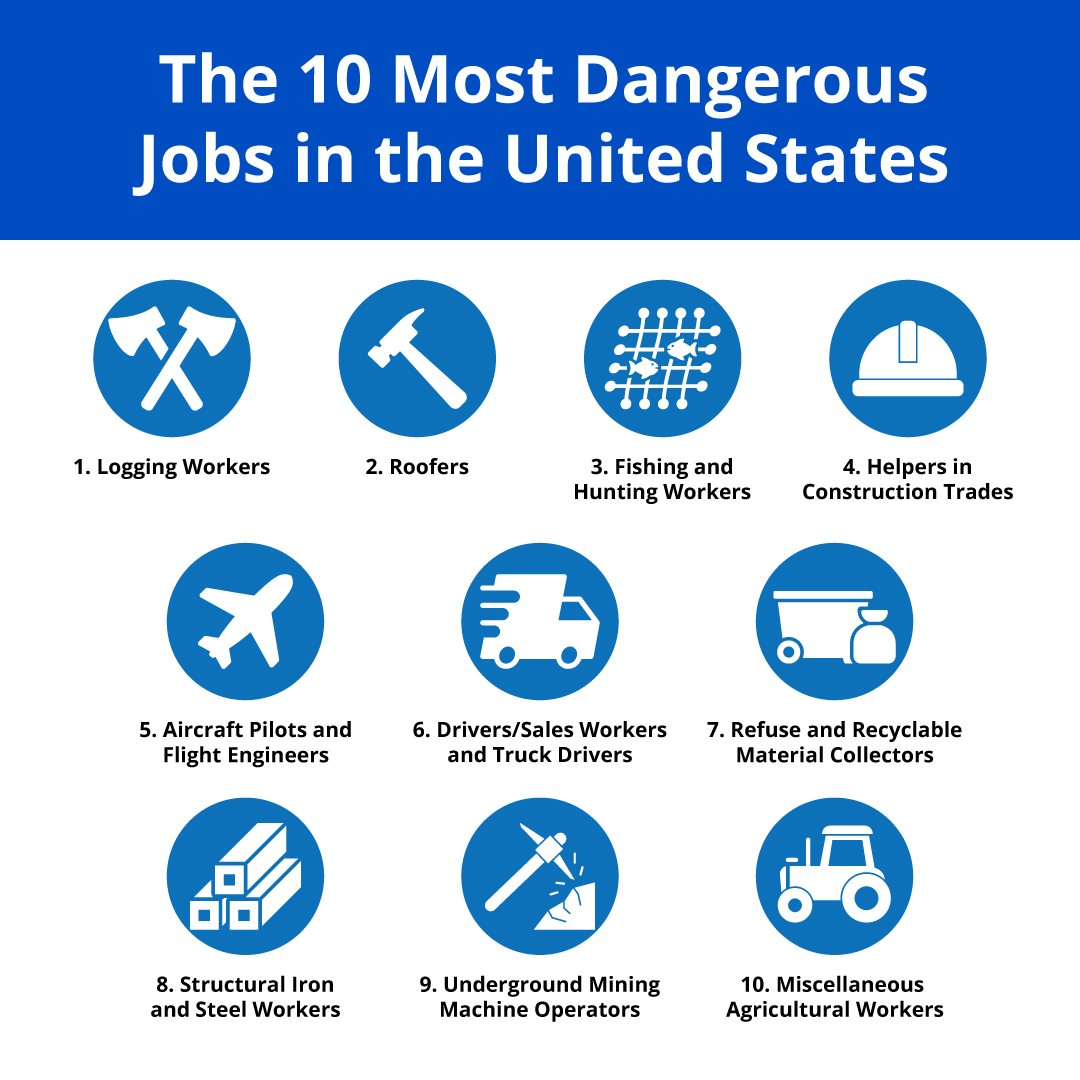
Consider industries such as logging, commercial fishing, roofing, and structural iron and steel work, which consistently rank among the most dangerous by occupational safety metrics. The median annual wages in these fields can often exceed those in less hazardous occupations requiring similar skill sets or educational backgrounds. For example, a logger might earn significantly more than a retail manager, reflecting not just the physical demands but the constant threat of serious injury or death from falling trees, heavy machinery, or treacherous terrain. Commercial fishermen, facing the unpredictable and often violent conditions of the open sea, also command higher potential earnings due to the extreme danger and demanding schedules. This enhanced compensation is intended to offset the elevated personal risk, providing an economic justification for taking on such demanding roles.
Beyond the Paycheck: The True Financial Cost of Danger
While the risk premium offers a tangible financial benefit, it’s crucial to look beyond the immediate paycheck to understand the true financial cost of working in a dangerous job. These costs are often indirect, long-term, and can significantly erode the perceived gains from higher wages.
Increased Healthcare Burden: Even with robust employer-provided health insurance, individuals in high-risk jobs may face higher out-of-pocket expenses due to more frequent injuries, chronic pain, or work-related illnesses. The wear and tear on the body from physically demanding or hazardous work can lead to early onset of conditions like arthritis, back problems, or respiratory issues, incurring substantial medical bills over a lifetime.
Lost Wages and Productivity: An injury, even if not permanently disabling, can result in significant periods of lost work and, consequently, lost income. While workers’ compensation provides a safety net, it rarely fully replaces a worker’s regular earnings, and there can be delays or disputes in receiving benefits. For self-employed individuals in dangerous trades, the financial impact of an injury can be even more severe, as they may lack comprehensive safety nets.
Long-Term Disability and Career Limitations: The most severe financial cost arises from permanent disability. A life-altering injury can end a career prematurely, forcing a pivot to less physically demanding, and potentially lower-paying, work or leading to long-term reliance on disability benefits. This not only impacts current earning potential but also future savings and retirement planning.
Indirect Financial Strain: The emotional and psychological toll of dangerous work—stress, anxiety, and PTSD—can indirectly lead to financial strain through therapy costs, relationship issues, or self-medication behaviors. Furthermore, the financial burden on family members, who may become caregivers or take on additional work to compensate for a loved one’s reduced earning capacity, is an often-overlooked cost.
Essential Financial Protections for High-Risk Workers
Given the elevated risks, robust financial protection is not a luxury but an absolute necessity for those in dangerous professions. These safeguards are designed to mitigate the severe financial fallout from occupational hazards, providing a crucial safety net when the unexpected occurs.
Navigating Workers’ Compensation Essentials
Workers’ compensation is the cornerstone of financial protection for most employees in high-risk jobs. This employer-funded insurance program provides benefits to workers who suffer job-related injuries or illnesses, regardless of fault. Understanding its scope and limitations is vital.
Medical Expense Coverage: Workers’ compensation typically covers all reasonable and necessary medical treatment for work-related injuries, including doctor visits, hospital stays, prescriptions, and rehabilitation. This can be a lifesaver, as catastrophic injuries can lead to astronomical medical bills.
Lost Wage Benefits: If an injury prevents a worker from performing their job, workers’ compensation provides partial wage replacement, usually two-thirds of the worker’s average weekly wage, up to a state-specific maximum. While not a full replacement, it offers critical income stability during recovery.
Disability Benefits: For workers with permanent partial or total disabilities, workers’ compensation can provide long-term financial support, compensating for the reduction or loss of future earning capacity.
Vocational Rehabilitation: In some cases, if a worker cannot return to their previous job, workers’ compensation may cover vocational rehabilitation services, helping them acquire new skills for a different profession.
Despite its importance, navigating the workers’ compensation system can be complex. Delays in claims processing, disputes over the extent of injury, or challenges in proving a direct link to work can add significant financial stress. Workers must meticulously document incidents, seek immediate medical attention, and understand their rights to ensure they receive the benefits they are entitled to.
The Role of Private Insurance and Savings
While workers’ compensation is critical, it often has limitations. It generally doesn’t cover non-work-related injuries or illnesses, and its wage replacement is partial. This is where private insurance and personal savings become indispensable for comprehensive financial security.
Supplementary Disability Insurance: Many financial advisors recommend private long-term disability insurance for high-risk workers. This insurance can supplement workers’ compensation benefits or provide coverage for disabilities arising outside of work, ensuring a more substantial income replacement if a worker becomes unable to perform their job. Policies vary, so understanding the terms, waiting periods, and benefit amounts is crucial.
Life Insurance: Given the increased risk of fatality, robust life insurance coverage is a non-negotiable for those in dangerous jobs, especially if they have dependents. Both term life and whole life insurance options exist, providing a financial safety net for families should the worst occur. The premiums for high-risk occupations may be higher, but the peace of mind and protection offered are invaluable.
Robust Emergency Savings: A substantial emergency fund, typically covering 6-12 months of living expenses, is even more critical for dangerous professions. This fund can bridge gaps during workers’ compensation claim processing, cover deductibles, or provide financial stability during periods of unemployment due to recovery or industry downturns.

Long-Term Financial Resilience in Demanding Professions
Building long-term financial resilience in dangerous professions requires a proactive and strategic approach. The physical toll and unpredictable nature of these jobs necessitate careful planning for retirement, wealth accumulation, and potential career transitions.
Strategic Retirement Planning Amidst Physical Demands
The physical demands of many dangerous jobs can mean a shorter viable working career compared to less strenuous occupations. A logger, roofer, or commercial fisherman may not be able to physically continue their primary work into their late 50s or 60s at the same intensity. This reality profoundly impacts retirement planning.
Accelerated Savings: Workers in these roles must prioritize aggressive savings earlier in their careers. Maximizing contributions to 401(k)s, IRAs, or other retirement vehicles is essential to build a substantial nest egg that can support an earlier retirement or a less physically demanding late-career transition.
Considering Early Retirement: Planning for the possibility of an earlier retirement, whether voluntary or due to physical limitations, means aiming for a larger retirement fund and exploring investment strategies that can provide income sooner.
Transition Planning: Many high-risk workers strategically plan for a mid-career transition to a less physically demanding role, often leveraging their specialized knowledge in a supervisory, training, or consulting capacity within their industry. This requires planning for additional education or certifications.
Wealth Building and Investment Strategies
Beyond retirement accounts, smart wealth-building and investment strategies are crucial for high-risk professionals to secure their financial future against unpredictability.
Diversified Investments: Given the potential for unexpected income disruptions, a well-diversified investment portfolio is vital. This protects against market volatility and ensures growth across various asset classes, from stocks and bonds to real estate.
Real Estate as an Asset: For many, investing in real estate can provide a tangible asset and potential for passive income or appreciation, offering a degree of stability that complements fluctuating wages or periods of injury.
Business Ownership: Some skilled tradespeople in dangerous professions eventually transition to owning their own businesses (e.g., a roofing company, a logging operation). This can offer greater control, potentially higher income, and a path to less physical work, but also comes with its own set of business financial risks and rewards.
Economic Drivers and Social Implications
The choice to enter a dangerous profession is often influenced by a complex interplay of economic drivers, with significant financial and social implications for individuals and their families.
Supply, Demand, and Economic Necessity
The willingness of individuals to take on high-risk jobs is fundamentally shaped by market forces and personal economic circumstances. In areas with limited alternative employment opportunities or where a specific industry dominates the local economy, individuals may view dangerous jobs as the most viable path to a stable income, despite the inherent risks. For those with specific skills in high-demand trades, such as welding or electrical work in industrial settings, the allure of high wages can outweigh the dangers, especially when those wages are significantly higher than entry-level positions in other sectors. Economic necessity, therefore, plays a powerful role in guiding these career choices.
The Generational Impact of Occupational Risk
The financial outcomes of working in dangerous jobs can have a profound generational impact. A high-earning, high-risk profession can lift families out of poverty, fund higher education for children, and build significant generational wealth. However, the tragic flip side is equally potent: a severe injury or fatality can plunge families into financial crisis, erasing years of hard work and savings, and creating a cycle of hardship that echoes through generations. This underscores the critical importance of financial literacy, robust insurance, and estate planning for those in dangerous jobs to protect their legacy and secure their dependents’ futures against the inherent unpredictability of their work.
Maximizing Financial Security: Actionable Steps
For individuals in or considering dangerous professions, taking proactive steps to maximize financial security is not just prudent—it’s essential for peace of mind and long-term well-being.
Proactive Financial Management
Build and Maintain an Emergency Fund: This is the bedrock of financial security. Aim for 6-12 months of living expenses, especially given the higher risk of income disruption.
Aggressive Debt Management: High-interest debt can become an insurmountable burden if income is interrupted. Prioritize paying down credit card debt and personal loans.
Regular Financial Reviews: Periodically assess your insurance coverage, retirement savings, and investment portfolio to ensure they align with your current life stage, risk tolerance, and career realities. Seek advice from a qualified financial planner specializing in high-risk professions.
Education and Skill Diversification
Continuous Learning: Invest in ongoing training and certifications in your field. This not only enhances your market value but can also qualify you for less physically demanding supervisory or management roles within the industry.
Acquire Transferable Skills: Beyond your primary trade, seek to develop skills that are transferable to less hazardous occupations. Project management, administrative, or specialized technical skills can open doors to alternative career paths if your physical capacity diminishes or if you seek a change. This foresight can be the ultimate financial safeguard, providing options and flexibility regardless of what your demanding profession may bring.