
Navigating the complexities of property ownership and local government can often uncover financial details that significantly impact your bottom line. One such detail, particularly prevalent in rapidly developing areas, is the Municipal Utility District (MUD). Understanding whether your property, or a property you’re considering, falls within a MUD can reveal hidden financial obligations and opportunities. This exploration delves into the financial implications of MUDs and provides actionable strategies for identifying your MUD status by zip code and beyond.
Understanding Municipal Utility Districts: A Financial Perspective
Municipal Utility Districts (MUDs) are special governmental entities authorized by state law, most commonly in Texas but also found in other states like Florida, Colorado, and California. Their primary financial function is to provide essential infrastructure services—such as water, sewer, drainage, and often roads, parks, and other facilities—to areas where city services are unavailable or inadequate. Unlike traditional city services, which are funded through general taxes, MUDs fund their projects primarily by issuing tax-exempt bonds. These bonds are then repaid by residents and businesses within the district through special property taxes and often through utility service fees.
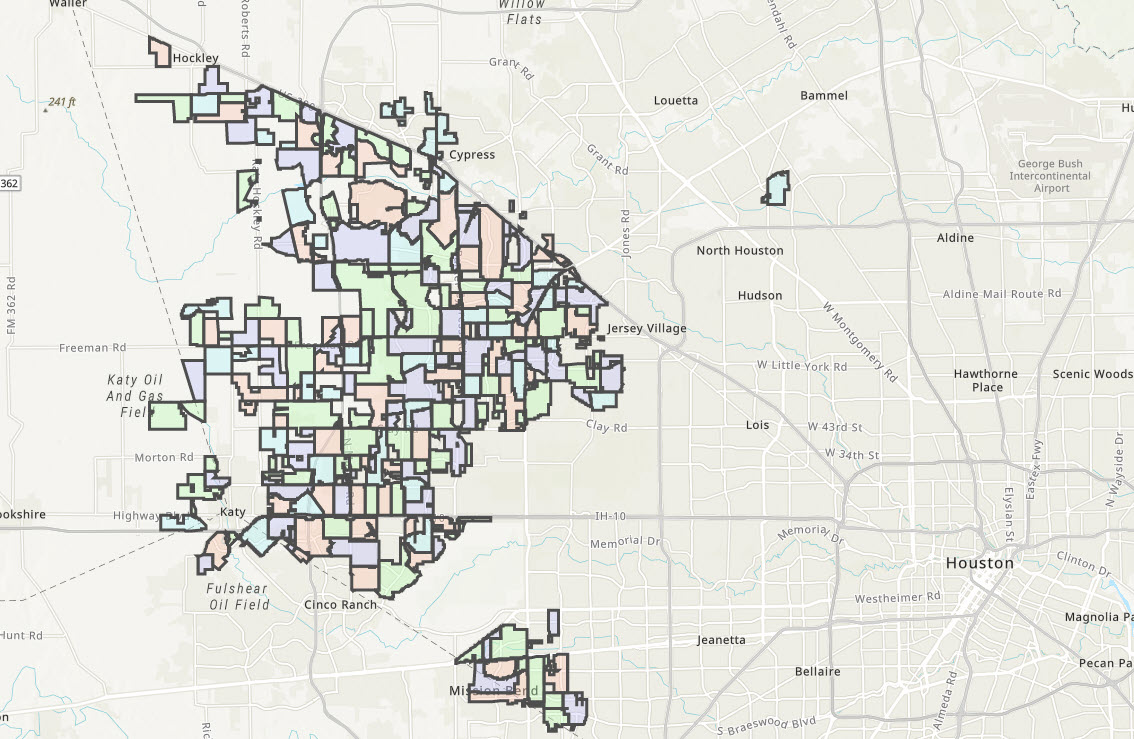
The Core Function and Financial Impact
The creation of a MUD is typically driven by developers looking to build new communities outside established city limits. Developers often front the initial costs for infrastructure, which are later reimbursed by the MUD through bond proceeds. This mechanism allows for rapid expansion and development without immediate financial strain on existing city taxpayers. However, the financial burden of repaying these bonds falls directly on the property owners within the MUD. This means that property owners in a MUD will pay a MUD tax in addition to their regular county, school district, and any applicable city property taxes.
From a financial standpoint, the creation of a MUD represents a unique financing vehicle. It enables growth by externalizing infrastructure costs to the specific beneficiaries of that infrastructure. While this can make new homes more affordable initially by not requiring developers to bake full infrastructure costs into the upfront purchase price, it shifts these costs to an ongoing property tax obligation for future homeowners. Therefore, recognizing a MUD isn’t just about identifying a service provider; it’s about understanding a distinct and potentially substantial financial obligation tied to a property.
Debt, Development, and Your Dollar
The financial health and long-term stability of a MUD are intrinsically linked to its bond debt. New MUDs typically have higher tax rates because they have significant debt to service for recently installed infrastructure. As a MUD matures and its population grows, the tax base expands, potentially allowing the MUD tax rate to decrease over time as bonds are paid down. However, the exact trajectory depends on the MUD’s management, its ongoing development, and its ability to attract new residents and businesses.
For property owners, this translates into variable financial risk and opportunity. Investing in a property within a new MUD might mean higher initial tax burdens but potentially lower rates in the future as the district matures. Conversely, an established MUD might offer lower current MUD tax rates but less room for future decreases if its debt is already largely retired. Understanding the MUD’s current debt levels, its bond rating, and its history of tax rate adjustments is crucial for any financially savvy individual considering property within such a district.
Why Knowing Your MUD Status Matters Financially
Identifying whether a property is located within a MUD is not merely an administrative detail; it has profound financial implications for homeowners, investors, and even businesses. These implications touch upon property taxes, utility costs, and the overall market value and appeal of real estate.
Property Tax Implications
The most direct financial impact of a MUD is on property taxes. MUD taxes are separate and additional to standard property taxes levied by counties, cities, and school districts. This means that two identical homes, one inside a MUD and one outside, could have vastly different total property tax bills. For instance, a property in a MUD might have an additional MUD tax rate ranging from $0.20 to $1.00 or more per $100 of assessed value. On a $300,000 home, an additional $0.50 MUD tax rate would add $1,500 to the annual property tax bill. This extra burden significantly impacts monthly housing costs and overall affordability.
When budgeting for a home purchase, it is critical to factor in the full property tax burden, including any MUD taxes. Failing to account for this can lead to an underestimation of monthly expenses, potentially stretching a homeowner’s budget beyond comfortable limits. Financial advisors often recommend that housing costs (including mortgage, insurance, and property taxes) should not exceed a certain percentage of gross income, and MUD taxes must be fully integrated into this calculation.
Utility Costs and Service Fees
While MUDs provide utility services, the structure and cost of these services can also differ from those provided by a city. MUDs typically set their own rates for water, sewer, and garbage collection. These rates are designed to cover the operational costs of the utility system and often contribute to the MUD’s overall financial health, beyond what property taxes cover.
In some cases, MUD utility rates might be higher than those in adjacent cities, especially if the MUD is smaller, less mature, or has higher operational overheads for its infrastructure. Conversely, a well-managed, mature MUD might offer competitive rates. It is essential for consumers to investigate the specific utility rate schedules for any MUD they are considering, as these ongoing monthly costs can add up significantly over time and impact disposable income. Transparent understanding of both the MUD tax rate and the utility service fee structure is paramount for a complete financial picture.
Home Value and Marketability
The presence of a MUD can also influence a property’s market value and marketability. On one hand, MUDs facilitate the development of attractive new communities with modern infrastructure, which can be a draw for buyers. They often offer amenities like parks, trails, and green spaces, which are funded through the MUD and enhance the community’s appeal.
On the other hand, the higher property tax burden associated with MUDs can deter some potential buyers, particularly those on tighter budgets or those looking for lower long-term holding costs. This could potentially reduce the pool of interested buyers or exert downward pressure on prices relative to comparable homes outside a MUD. Investors, too, must weigh the higher carrying costs against potential rental income and appreciation. Understanding the local market dynamics and how MUDs are perceived in a specific area is crucial for making financially sound real estate decisions. Real estate agents and financial advisors with local expertise can provide valuable insights into this balance.
How to Financially Navigate Living in a MUD
For those living in or considering a property within a MUD, proactive financial planning and due diligence are essential. Navigating the financial landscape of a MUD requires a clear understanding of its structure, its current financial obligations, and its long-term trajectory.
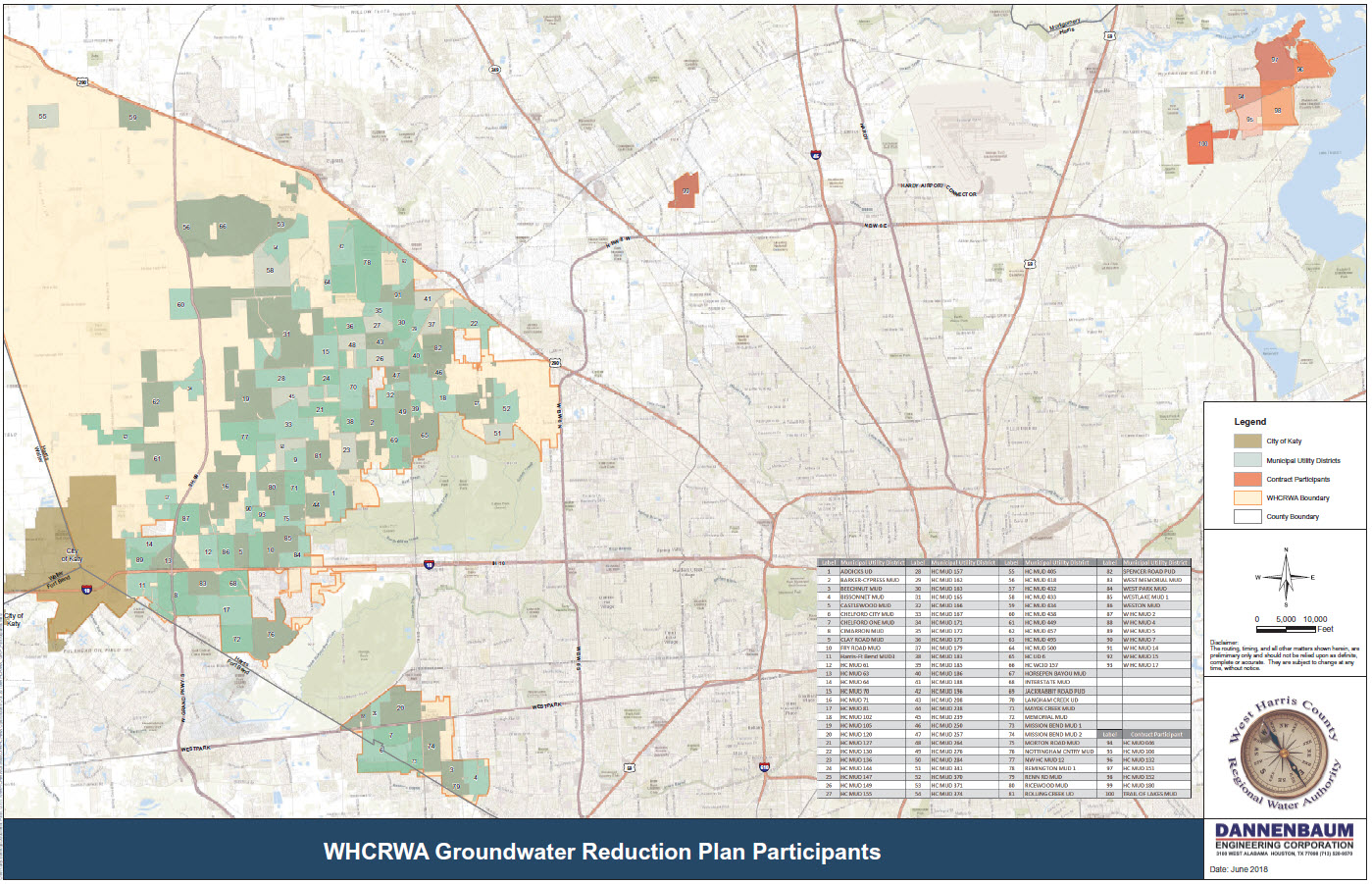
Budgeting for MUD Taxes and Fees
The first step in financially navigating a MUD is accurate budgeting. Prospective homeowners must obtain the current MUD tax rate for the specific district and calculate its impact on their annual property tax bill. This amount, combined with county, school, and city taxes, should be integrated into the overall housing budget. Many mortgage lenders include property taxes in escrow payments, so understanding the full tax burden ensures accurate escrow calculations and avoids potential shortfalls.
Beyond property taxes, individuals must also budget for MUD-provided utility services. Obtain the MUD’s current water, sewer, and solid waste rates and estimate monthly utility costs based on historical usage if available. Factor these into your monthly household budget to ensure financial stability. It’s also wise to set aside an emergency fund, as unexpected repairs or rate adjustments, while rare, can occur.
Researching MUD Financial Health
Before making a significant financial commitment, thoroughly research the MUD’s financial health. Key areas to investigate include:
- Outstanding Bond Debt: How much debt does the MUD still need to repay? Districts with less outstanding debt generally have more stable or decreasing tax rates.
- Tax Rate History: Review the MUD’s tax rate over the past 5-10 years. Has it been stable, decreasing, or increasing? This can indicate the MUD’s financial management and maturity.
- Bond Ratings: Look for the MUD’s bond rating from agencies like Moody’s or Standard & Poor’s. A strong bond rating indicates financial stability and a lower risk of default.
- Future Development Plans: If the MUD is still developing, new bond issuances to fund future infrastructure could impact future tax rates. Research any approved or proposed bond referendums.
This information is often available on the MUD’s official website, through county appraisal districts, or from municipal bond disclosures. Consulting with a financial advisor specializing in real estate can provide an expert perspective on interpreting this data.
The Long-Term Financial Outlook
The long-term financial outlook of living in a MUD is a critical consideration. As MUDs mature, their tax rates generally decrease as bonds are paid off and the tax base expands. Many MUDs are eventually absorbed into adjacent cities, at which point their functions and debt obligations are typically assumed by the city, and the MUD tax is replaced by standard city property taxes. This process can be beneficial for homeowners as it often results in a lower overall tax burden and access to broader city services.
However, the timeline for annexation can be decades, and there are no guarantees. Property owners should understand that they are making a long-term financial commitment to fund specific infrastructure. Regular monitoring of MUD board meetings and financial reports can help property owners stay informed about the district’s financial trajectory and potential impacts on their personal finances. Considering the potential for future tax rate changes, both up and down, is crucial for long-term financial planning.
Tools and Strategies for Identifying Your MUD by Zip Code
Determining if a property falls within a MUD, especially using a zip code as a starting point, requires leveraging several financial and governmental data sources. While a zip code can narrow down the search, precise identification often necessitates drilling down to specific property addresses.
Official County Appraisal District Websites
The most reliable and comprehensive source for identifying MUD status and its associated financial details is the local County Appraisal District (CAD) website. Every county in states with MUDs maintains a database of properties and their associated taxing entities.
- Search by Address/Account Number: On the CAD website, enter the property’s specific address or account number.
- Review Taxing Jurisdictions: The property detail page will list all entities that levy property taxes on that specific parcel. Look for entries that specifically name “MUD,” “WCID” (Water Control and Improvement District), or similar special districts.
- Find Tax Rates: The CAD site will also typically provide the current tax rates for each listed entity, including the MUD, allowing you to calculate the precise MUD tax burden.
While a zip code can help you identify the correct county, the CAD site requires a more granular search. Some CAD websites may offer a search by subdivision or even a map tool, which could indirectly benefit from a zip code-based general area knowledge.
Real Estate Listing Data
When buying or selling property, real estate listings and related documents are crucial financial sources.
- Listing Descriptions: Many online real estate platforms and agent listings will explicitly mention if a property is in a MUD, often highlighting it due to its financial implications.
- Seller’s Disclosure Notice: In many states, sellers are legally required to disclose whether a property is located within a MUD or other special district. This document is a vital financial disclosure for buyers.
- Tax Certificates: During a real estate transaction, a tax certificate will be ordered, which provides an official breakdown of all taxing entities and their respective tax amounts for the property. This is the definitive financial confirmation of MUD status.
Always verify information found in general listings with official sources like the CAD or direct MUD contact, as listing data can sometimes be outdated or incomplete.
Direct MUD Contact and Local Government Portals
If you’ve identified a potential MUD through other means but need more detailed financial information, contacting the MUD directly is an option. MUDs are typically managed by a board of directors, and they often have administrative offices or contract with management companies.
- MUD Websites: Many MUDs maintain their own websites detailing their services, financial reports, board meeting minutes, and contact information. These sites are excellent sources for understanding the MUD’s specific tax rates, utility charges, bond debt, and future plans.
- Local Government Websites: County clerk or county tax assessor-collector websites may also provide information on special districts within their jurisdiction, sometimes offering maps or searchable databases.
These direct sources are particularly useful for understanding the nuances of a MUD’s financial governance and its specific impact on residents.
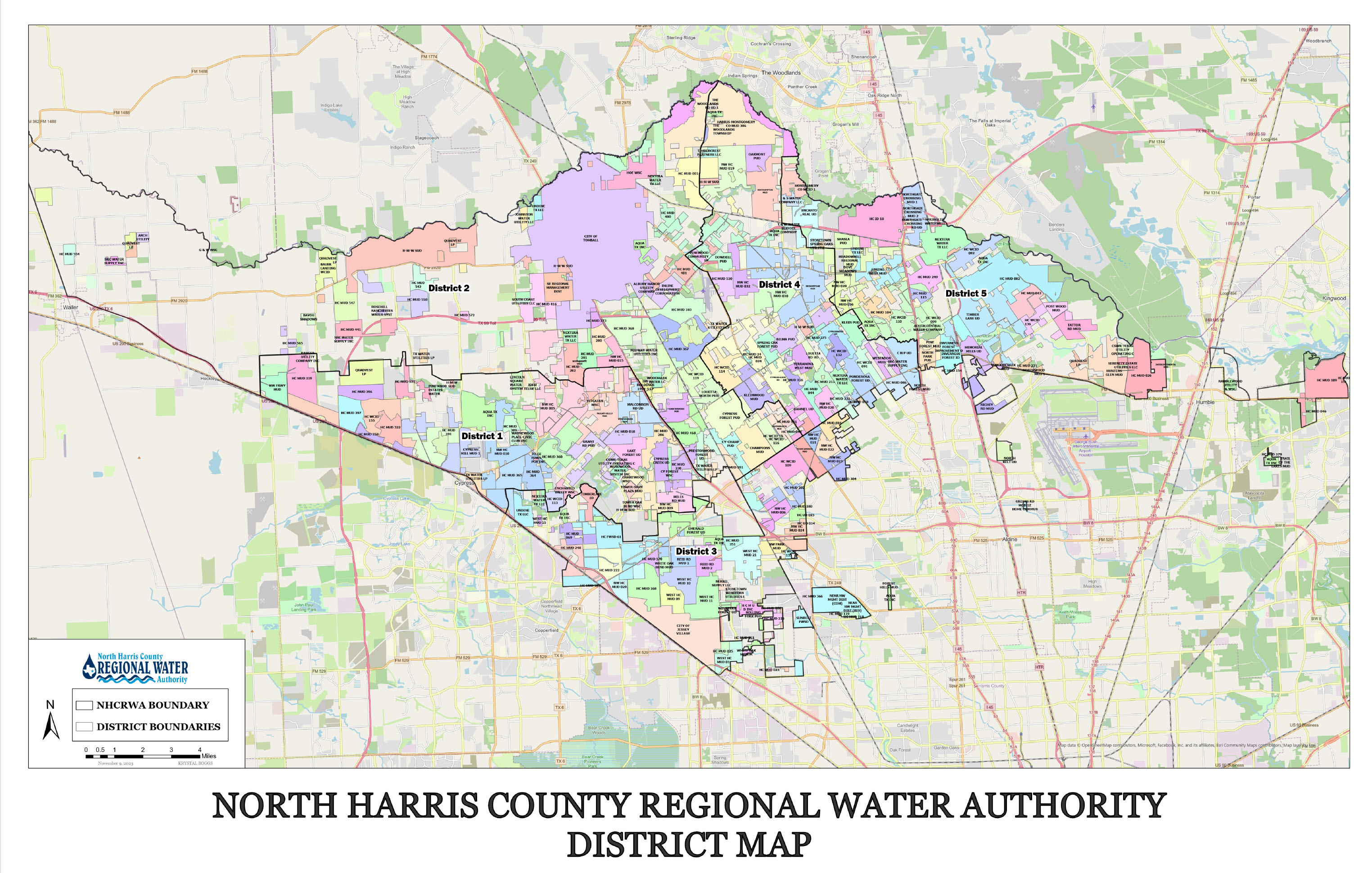
Leveraging Financial Professionals
Finally, when dealing with the financial complexities of MUDs, leveraging financial professionals is a smart strategy.
- Real Estate Agents: An experienced local real estate agent can often tell you immediately if a particular subdivision or area (identified by zip code) is typically within a MUD and can guide you to the correct resources.
- Mortgage Lenders: When pre-approving for a mortgage, lenders will calculate property taxes, and a good lender will ensure MUD taxes are included in their estimates.
- Financial Advisors: For comprehensive financial planning, especially for investors or those with complex portfolios, a financial advisor can help assess the long-term financial impact of MUD taxes and fees on your overall wealth strategy.
- Title Companies: During a property transaction, the title company will conduct due diligence that confirms all financial obligations tied to the property, including MUD taxes.
By utilizing these tools and strategies, individuals can accurately identify their MUD district by zip code and, more importantly, fully understand the financial ramifications, enabling informed decisions regarding property ownership and personal finance.
aViewFromTheCave is a participant in the Amazon Services LLC Associates Program, an affiliate advertising program designed to provide a means for sites to earn advertising fees by advertising and linking to Amazon.com. Amazon, the Amazon logo, AmazonSupply, and the AmazonSupply logo are trademarks of Amazon.com, Inc. or its affiliates. As an Amazon Associate we earn affiliate commissions from qualifying purchases.