
Securing funding is often one of the most significant hurdles for entrepreneurs and established businesses looking to grow, innovate, or simply sustain operations. While traditional avenues like bank loans and equity investments are common, business grants offer a unique and highly attractive alternative: non-dilutive capital that doesn’t need to be repaid. This means receiving funds without giving up ownership stakes or incurring debt. For many businesses, particularly those with a social mission, innovative technologies, or those operating in underserved markets, grants can be a transformative lifeline. Navigating the world of business grants, however, requires a strategic approach, meticulous preparation, and a deep understanding of the application process. This guide will walk you through the essential steps to successfully apply for a business grant, helping you unlock crucial funding for your ventures.
Understanding the Landscape of Business Grants
Before embarking on the application journey, it’s crucial to grasp what business grants entail, how they differ from other funding types, and the diverse sources from which they originate. A clear understanding will enable you to identify opportunities that best align with your business goals and characteristics.
What are Grants and How Do They Differ from Loans?
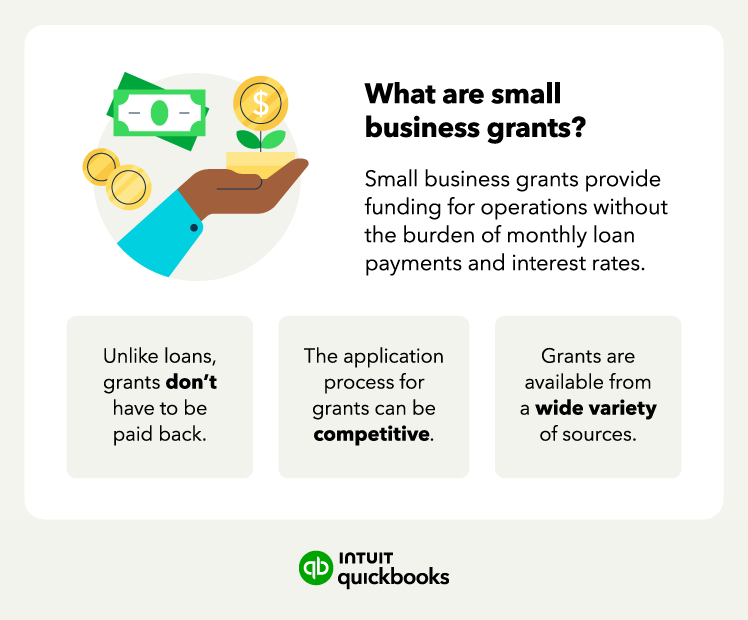
At its core, a business grant is a sum of money awarded to an individual or organization to achieve a specific objective, without the expectation of repayment. Unlike loans, which create a debt obligation that must be repaid with interest, grants are essentially gifts. This fundamental difference makes grants exceptionally appealing, as they alleviate financial pressure and allow businesses to reinvest every dollar directly into their operations or projects. The trade-off, however, is that grants typically come with stringent eligibility requirements, detailed reporting obligations, and a highly competitive application process. They are often tied to specific purposes, such as research and development, community development, job creation, or environmental sustainability.
Types of Grants and Their Sources
The world of business grants is vast and varied, with numerous entities offering funding for different purposes. Identifying the right source is paramount to a successful application strategy.
- Government Grants: These are often the largest and most widely known sources. At the federal level, agencies like the Small Business Administration (SBA) in the U.S., or departments focused on specific sectors (e.g., energy, health, agriculture), offer grants. State and local governments also provide grants to stimulate local economies, support small businesses, or address specific community needs. These grants typically target businesses in particular industries, locations, or those demonstrating a clear public benefit.
- Private and Corporate Foundations: Many philanthropic foundations, established by wealthy individuals or families, offer grants to businesses or non-profits that align with their mission. Similarly, large corporations often have charitable arms or CSR (Corporate Social Responsibility) initiatives that provide grants, usually focusing on areas related to their industry, community development, or specific social causes. These can be highly competitive but often offer significant funding.
- Industry-Specific and Niche Grants: Various associations, non-profits, and specialized organizations offer grants tailored to specific industries (e.g., technology, arts, food service), demographic groups (e.g., women-owned businesses, veteran-owned businesses, minority-owned businesses), or geographic regions. These grants often have less competition than broad government grants and can be an excellent fit for highly specialized businesses.
Eligibility Criteria and Funder Objectives
Grant eligibility is highly specific and varies wildly between different grantors. Common criteria include your business’s legal structure, stage of development (startup vs. established), industry, geographic location, number of employees, revenue, and demonstrable social or environmental impact. Crucially, every grant comes with a set of objectives from the funder. Grantors don’t just give money away; they invest in projects and businesses that help them achieve their own mission or goals. Understanding these objectives—whether it’s fostering innovation, creating jobs, empowering a disadvantaged community, or driving specific research outcomes—is critical. Your application must clearly articulate how your project or business contributes directly to the grantor’s strategic aims.
Strategic Preparation for Your Grant Application
Success in grant applications is rarely accidental; it’s the culmination of diligent research, strategic planning, and meticulous documentation. Before you even begin writing, robust preparation is essential to position your business as a strong candidate.
Researching and Identifying Suitable Grants
The first step is to thoroughly research available grants that align with your business. This is not a shotgun approach; you’re looking for a precise fit. Start by utilizing online grant databases such as Grants.gov (for federal U.S. grants), foundation center directories, or specialized platforms that aggregate grants by industry or demographic. Consult with local Small Business Development Centers (SBDCs) or chambers of commerce, which often have information on regional and local opportunities. Pay close attention to:
- Eligibility Requirements: Ensure your business meets all the basic criteria before investing time in an application.
- Funding Amount: Does the grant offer sufficient funds for your project, and is it a worthwhile pursuit given the effort?
- Funder’s Mission/Priorities: Does your business’s purpose and proposed project align perfectly with what the grantor wants to achieve?
- Application Deadline: Give yourself ample time to prepare a high-quality application.
- Reporting Requirements: Understand what will be expected of you if awarded the grant.
Create a list of potential grants, prioritizing those with the highest alignment and likelihood of success.
Developing a Robust Business Plan and Project Proposal
A well-articulated business plan is the backbone of any successful grant application. While you may already have one, for grant purposes, it might need to be refined or supplemented with a specific project proposal. This document should comprehensively outline:
- Executive Summary: A concise overview of your business, the problem it solves, your proposed project, and its expected impact.
- Company Description: Your mission, vision, legal structure, history, and core values.
- Market Analysis: In-depth understanding of your target market, competitors, and competitive advantages.
- Products/Services: Detailed description of what you offer.
- Operations Plan: How your business functions day-to-day.
- Management Team: Key personnel, their experience, and why they are qualified to execute the project.
- Financial Projections: Realistic forecasts including income statements, balance sheets, and cash flow projections for at least 3-5 years.
- Specific Project Proposal: If applying for a project-specific grant, detail the project’s objectives, methodology, timeline, deliverables, and measurable outcomes. This is where you connect your project directly to the grantor’s objectives.
Gathering Essential Supporting Documentation
Grant applications are document-intensive. Starting early to gather and organize all necessary paperwork will save you significant stress. This typically includes:
- Legal Documents: Business registration, articles of incorporation, EIN (Employer Identification Number), licenses, permits.
- Financial Records: Recent tax returns (personal and business), profit and loss statements, balance sheets, cash flow statements, and bank statements.
- Team Resumes/Bios: Highlighting the expertise and relevant experience of key team members.
- Letters of Support: From community leaders, partners, or customers who can attest to your business’s value or the project’s potential impact.
- Market Research Data: Any third-party validation or studies supporting your market analysis.
- Visual Aids: Photos, prototypes, or other materials that can enhance your proposal.

Ensure all documents are current, accurate, and organized in an easily accessible format, ready for submission.
Crafting a Compelling Grant Proposal
With your research and documentation in order, the next critical phase is to craft a grant proposal that not only meets all requirements but also genuinely impresses the review committee. This is your opportunity to tell your story, demonstrate your impact, and convince the grantor that you are the ideal recipient.
Understanding the Grantor’s Objectives and Review Criteria
Every grant application comes with guidelines, and within those guidelines are explicit and implicit clues about what the grantor values most. Beyond merely meeting eligibility, you need to understand the underlying motivations and specific evaluation criteria.
- Read the Request for Proposal (RFP) or Application Guidelines meticulously. Highlight key terms, required sections, and any specific language or formatting requests.
- Research the Grantor’s Past Awards: Look at previous recipients and projects they’ve funded. This can provide insight into their preferences, priorities, and what constitutes a “successful” project in their eyes.
- Identify Keywords and Themes: Does the grantor emphasize innovation, community impact, job creation, sustainability, or a specific demographic? Weave these themes naturally into your narrative.
- Understand the Scoring Rubric (if available): Some grantors provide a rubric detailing how applications will be scored. Use this as a checklist to ensure every point is addressed and strengthened.
Key Components of a Winning Grant Proposal
While specific sections may vary, most grant proposals share common elements designed to provide a comprehensive overview of your business and project.
- Executive Summary: This is arguably the most important section. It’s often the first, and sometimes only, part a reviewer reads in full. It must be compelling, concise (usually one page), and clearly state the problem, your solution (the project), its expected impact, the amount requested, and why your organization is uniquely qualified.
- Problem Statement/Needs Assessment: Clearly articulate the problem or need your business/project addresses. Use data, statistics, and anecdotes to illustrate the urgency and significance of this problem. Connect it to the grantor’s mission.
- Project Description/Goals and Objectives: Detail what you plan to do, why it’s the best approach, and what specific outcomes you expect to achieve.
- Goals: Broad, long-term aims (e.g., “Improve financial literacy in underserved communities”).
- Objectives: Specific, measurable, achievable, relevant, and time-bound (SMART) steps to reach your goals (e.g., “Train 200 small business owners in financial management by Q4 2024”).
- Methodology: Explain how you will carry out the project, detailing activities, timeline, and resources.
- Organizational Capacity/Team: Showcase your team’s expertise, experience, and track record. Emphasize why your team is the right one to execute this project successfully. Include relevant successes and past achievements.
- Budget and Justification: Provide a detailed breakdown of how the grant funds will be used. Every line item should be justified and tied directly to project activities. Demonstrate cost-effectiveness and transparency. Include other funding sources if applicable, showing a diversified financial approach.
- Evaluation Plan: How will you measure success? Describe your metrics, data collection methods, and how you will report on outcomes. This demonstrates accountability and commitment to impact.
- Sustainability Plan: How will the project or business continue to operate and achieve impact after the grant funding is expended? This is particularly important for projects with ongoing needs.
Tailoring and Refinement: The Art of Persuasion
A generic application is a doomed application. Each grant proposal must be meticulously tailored to the specific grantor, even if the core project remains the same.
- Use the Grantor’s Language: Incorporate terms and phrases from their mission statement, website, and RFP. This shows you’ve done your homework and understand their priorities.
- Highlight Unique Alignment: Explicitly state how your project’s goals directly support the grantor’s objectives. Don’t make them guess; draw clear connections.
- Emphasize Impact: Focus on the tangible benefits and outcomes your project will create, not just the activities. Quantify impact whenever possible (e.g., “create 15 new jobs,” “serve 500 clients,” “reduce waste by 20%”).
- Clarity and Conciseness: Grant reviewers often read dozens of applications. Make yours easy to read, understand, and digest. Avoid jargon where possible, and be direct.
- Proofread Relentlessly: Errors in grammar, spelling, or formatting can undermine your credibility. Have multiple people review the application before submission. Consider a professional editor if possible.
The Application Process and Beyond
Submitting your proposal is a significant milestone, but the journey doesn’t end there. Understanding the submission process and what happens afterward, regardless of the outcome, is crucial for future success.
Submission Methods and Follow-Up
Most grant applications are submitted online through dedicated portals. Pay close attention to:
- File Formats and Sizes: Adhere strictly to these requirements to avoid submission errors.
- Deadline Time Zones: Double-check the exact time and time zone to avoid missing the deadline.
- Confirmation: Always ensure you receive a confirmation of submission.
- Saving Your Work: Many online portals allow you to save your progress; utilize this to avoid losing data.
After submission, some grantors may contact you for additional information, an interview, or a site visit. Be prepared to provide prompt responses and further details. Avoid unsolicited follow-ups unless explicitly invited, as this can be perceived negatively.
Navigating Outcomes: Success and Setbacks
Regardless of whether your application is successful, valuable lessons can be learned.
- If Awarded: Congratulations! Carefully review the grant agreement, terms, and conditions. Understand all reporting requirements, timelines, and financial stipulations. Establish robust internal systems for tracking expenditures and outcomes to ensure compliance. Publicize your award (with grantor permission) to enhance your brand and attract future opportunities.
- If Not Awarded: While disappointing, a rejection is not the end. Many successful grant recipients faced numerous rejections before securing funding.
- Seek Feedback: If possible, request feedback from the grantor. This is invaluable for understanding weaknesses in your application and improving future submissions.
- Analyze and Revise: Based on feedback (or your own critical review), identify areas for improvement in your project, business plan, or proposal writing.
- Reapply (if appropriate): Some grants allow reapplication after a certain period. If the fit is still strong, refine your proposal and try again.
- Explore Alternatives: Rejection is also an opportunity to revisit your funding strategy. Explore other grant opportunities, consider small business loans, crowdfunding, or self-funding alternatives.

Conclusion
Applying for business grants is a rigorous, time-consuming process that demands meticulous planning, persuasive writing, and unwavering persistence. However, the reward—non-repayable funding that fuels innovation, growth, and impact—makes it a truly worthwhile endeavor. By thoroughly understanding the grant landscape, strategically preparing your business and documents, crafting a compelling and tailored proposal, and learning from every outcome, you significantly increase your chances of securing the capital needed to transform your entrepreneurial vision into a thriving reality. Embrace the journey, refine your approach with each attempt, and unlock the powerful potential of business grants for your venture.
aViewFromTheCave is a participant in the Amazon Services LLC Associates Program, an affiliate advertising program designed to provide a means for sites to earn advertising fees by advertising and linking to Amazon.com. Amazon, the Amazon logo, AmazonSupply, and the AmazonSupply logo are trademarks of Amazon.com, Inc. or its affiliates. As an Amazon Associate we earn affiliate commissions from qualifying purchases.