
For the majority of households, a vehicle represents the second-largest financial investment after real estate. Yet, unlike a home, which typically appreciates over time, a car is a depreciating asset. Understanding the precise value of your vehicle is not merely a matter of curiosity; it is a fundamental component of sound personal finance. Whether you are looking to sell, trade-in, refinance, or simply track your net worth, knowing “what is my car’s value” allows you to make data-driven decisions that protect your capital and optimize your mobility budget.

Understanding the Financial Mechanics of Car Valuation
To manage your car as a financial asset, you must first understand the economic forces that dictate its worth. Value is not a static number but a fluid calculation influenced by macro-economic trends and micro-economic realities.
Depreciation: The Silent Wealth Eroder
Depreciation is the largest hidden cost of vehicle ownership. From a financial perspective, most new cars lose approximately 20% of their value within the first year and continue to decline by 10% to 15% annually for the next four years. By understanding the depreciation curve, you can time your exit from a vehicle to minimize loss. For instance, selling a car just before it hits a major psychological milestone (like 60,000 or 100,000 miles) or before a new model generation is released can save thousands of dollars in equity.
Market Demand vs. Book Value
There is often a discrepancy between “Book Value”—the theoretical price suggested by valuation guides—and “Market Value”—the price a buyer is actually willing to pay. Market value is dictated by supply and demand. For example, during periods of high fuel prices, the value of fuel-efficient hybrids and EVs typically rises, while the value of large SUVs may stagnate. Conversely, supply chain disruptions in the new car market can artificially inflate the value of used vehicles, sometimes allowing owners to sell their cars for nearly what they paid years prior.
The Impact of Inflation and Interest Rates
In the broader context of money management, interest rates play a pivotal role in car valuation. When interest rates are high, the cost of financing a used car increases, which can dampen demand and lower resale prices. As a vehicle owner, monitoring the Federal Reserve’s movements can provide insight into whether it is a “buyer’s market” or a “seller’s market,” helping you decide the optimal time to liquidate your automotive asset.
Key Factors That Influence Your Car’s Resale Worth
While market forces provide the baseline, the specific attributes of your vehicle determine where it falls on the pricing spectrum. To get an accurate valuation, you must objectively assess several key variables.
Mileage and Mechanical Longevity
Mileage is the primary metric used by lenders and buyers to estimate the remaining life of an asset. In the financial world, high mileage is equated with increased risk—specifically, the risk of catastrophic mechanical failure. Generally, a car driven the national average of 12,000 to 15,000 miles per year is considered “standard.” If your mileage is significantly lower, your car commands a “low-mileage premium,” which can add 5% to 15% to its total value.
Aesthetic Condition and Maintenance History
A vehicle with a documented service history is worth significantly more than one without. From a personal finance perspective, spending money on routine maintenance is an investment in the car’s eventual resale value. Prospective buyers and dealerships look for “pride of ownership.” Small dents, stained upholstery, or a smoke-scented interior are not just cosmetic issues; they are financial liabilities that lead to “reconditioning deductions” during an appraisal.
Regional Variables and Seasonal Trends
The geography of your market heavily influences car value. A rear-wheel-drive convertible has a higher valuation in Southern California than in Maine. Similarly, four-wheel-drive trucks and SUVs often see a price surge in late autumn as buyers prepare for winter. If you are looking to maximize your return, consider the regionality of your vehicle type and, if possible, time your sale to coincide with peak seasonal demand.
Essential Tools and Methodology for Accurate Valuation
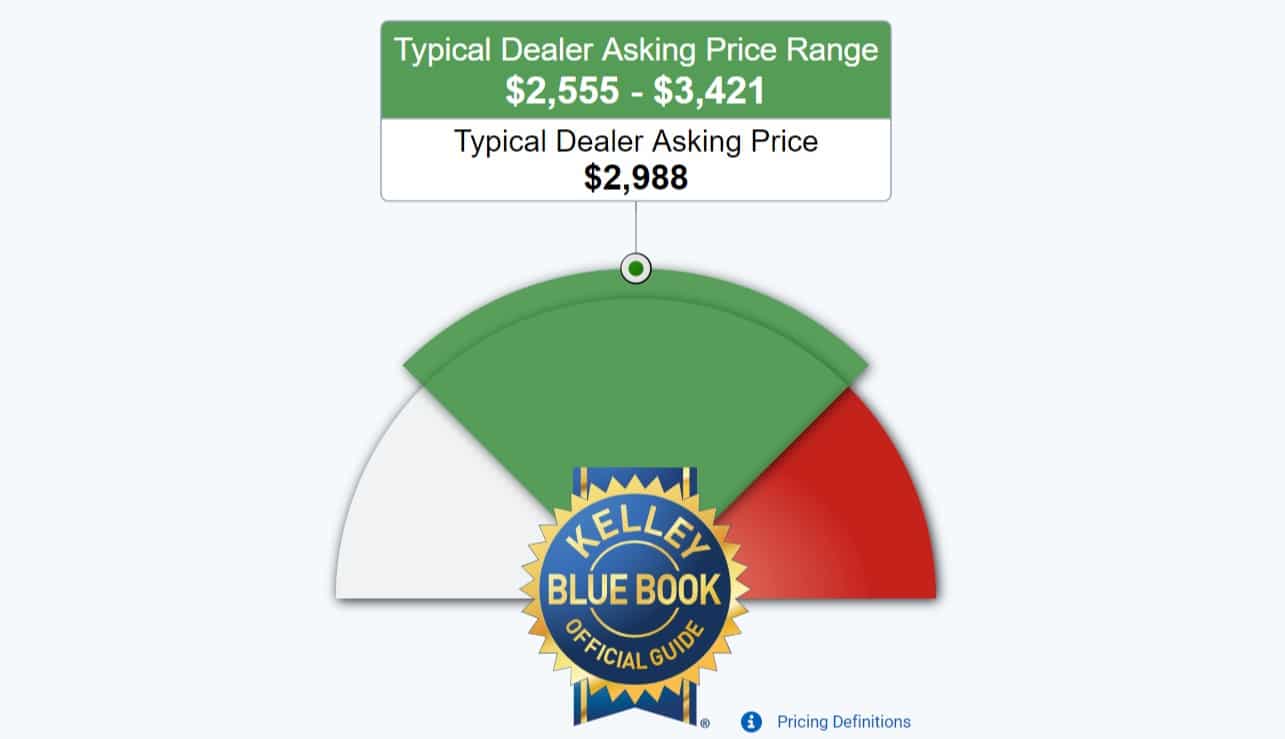
To answer “what is my car’s value” with precision, you must consult multiple data points. Relying on a single source can lead to an undervalued asset or an unrealistic expectation that stalls a sale.
Utilizing Digital Appraisal Platforms
The digital age has democratized financial data, and several reputable platforms provide instant valuations based on massive datasets of recent auctions and private sales.
- Kelley Blue Book (KBB): The industry standard for “Blue Book Value,” offering tiers for Trade-In, Private Party, and Retail value.
- Edmunds: Known for its “True Market Value” (TMV) pricing, which factors in what others in your specific area are paying.
- J.D. Power (formerly NADA): Often used by credit unions and banks to determine loan-to-value ratios for financing.
When using these tools, be brutally honest about your car’s condition. Most owners categorize their car as “Excellent,” while statistically, only about 5% of used vehicles truly meet that criteria. Categorizing a “Good” car as “Excellent” will give you a false sense of your net worth.
The Role of Professional Appraisals and Inspections
If you are dealing with a high-value, luxury, or classic vehicle, digital tools may lack the nuance required for an accurate valuation. In these cases, a professional appraisal is a wise financial move. Furthermore, getting a Pre-Purchase Inspection (PPI) even before you list the car for sale can be a powerful negotiation tool. By presenting a clean bill of health from a certified mechanic, you justify a higher asking price and eliminate the buyer’s ability to negotiate down based on “potential” problems.
Maximizing Your Return: Strategic Selling and Trade-Ins
Once you have established the value, the next financial decision is how to exit the investment. Your choice between convenience and profit will dictate the final “cash-in-hand” figure.
Private Sale vs. Dealership Trade-In: The Bottom Line
This is a classic financial trade-off.
- Private Sale: Selling to an individual usually yields the highest price—often 10% to 20% more than a dealer offer. However, it requires significant “sweat equity” (listing, showing, and handling paperwork).
- Trade-In: Selling to a dealership is instantaneous and convenient, but you will receive “Wholesale Value,” which is the lowest end of the valuation spectrum. The dealer must leave room for their own profit margin and reconditioning costs.
- Instant Cash Offers: Services like Carvana or Vroom offer a middle ground, providing a firm price based on an online self-assessment, often beating traditional dealer trade-in offers.
Timing Your Exit for Maximum Profit
In personal finance, “opportunity cost” is everything. If your car is nearing a major service interval (e.g., timing belt replacement or new tires), it may be financially advantageous to sell it just before that expense is incurred. Additionally, if your car is still under a transferable factory warranty, it retains a “risk-mitigation premium” that disappears the moment the warranty expires. Selling while the vehicle is still protected can significantly boost its marketability and price.
Integrating Car Value into Your Broader Financial Portfolio
Your car is not just a tool for transportation; it is a component of your balance sheet. Managing it with the same rigor as an investment portfolio can lead to long-term wealth accumulation.
Asset Management and Net Worth Tracking
Modern financial planning software allows you to link your vehicle’s VIN to your net worth statement. By tracking the declining value of your car alongside your growing retirement accounts, you get a holistic view of your financial health. This awareness often discourages “lifestyle creep,” as you see exactly how much that expensive new car payment is detracting from your ability to invest in appreciating assets.
Insurance and Refinancing Implications
Knowing your car’s current value is essential for insurance purposes. If your car is worth $5,000 but you are paying for low-deductible collision insurance, you may be over-insured. Conversely, if you have a gap between what you owe on your car loan and what the car is worth (being “underwater”), you need to know that value to decide if “Gap Insurance” is a necessary expense.
Furthermore, if your car has held its value well and interest rates have dropped since you purchased it, knowing its current equity can allow you to refinance your auto loan. This can lower your monthly payments and free up cash flow for other high-yield investments or debt repayment.

Conclusion
“What is my car’s value” is a question that sits at the intersection of lifestyle and legacy. By treating your vehicle as a financial asset rather than just a machine, you move from passive spending to active wealth management. Through diligent maintenance, strategic timing, and the use of modern valuation tools, you can ensure that your car serves your financial goals rather than hindering them. In the grand scheme of personal finance, every thousand dollars saved in depreciation or gained in a sale is a thousand dollars that can be put to work in your broader investment strategy.
aViewFromTheCave is a participant in the Amazon Services LLC Associates Program, an affiliate advertising program designed to provide a means for sites to earn advertising fees by advertising and linking to Amazon.com. Amazon, the Amazon logo, AmazonSupply, and the AmazonSupply logo are trademarks of Amazon.com, Inc. or its affiliates. As an Amazon Associate we earn affiliate commissions from qualifying purchases.