
In the intricate landscape of personal finance, few assets evoke as much discussion and emotional attachment as our cars. For many, a vehicle represents a significant investment, a daily necessity, and often a source of pride. When the time comes to sell, the burning question often becomes: “What is my car truly worth?” This query is particularly pertinent when considering options like Carmax, a prominent player in the used car market known for its streamlined appraisal and buying process. Understanding your car’s value, especially through a platform like Carmax, is more than just curiosity; it’s a critical step in managing your personal finances, making informed decisions, and ultimately, maximizing the return on your automotive investment.

This article will delve into the nuances of car valuation, specifically focusing on how Carmax assesses vehicles, but also broadening the scope to equip you with the knowledge to approach any car sale with confidence and financial acumen. We’ll explore the factors that influence your car’s market value, compare Carmax’s offer against other selling avenues, and provide actionable insights to ensure you get the best possible financial outcome when it’s time to part ways with your vehicle.
Understanding Car Valuation in Today’s Market
Before diving into the specifics of Carmax, it’s crucial to grasp the fundamental principles that dictate a car’s value in the broader market. A car is not a static asset; its worth fluctuates constantly due to a myriad of external and internal factors.
The Dynamics of Vehicle Depreciation
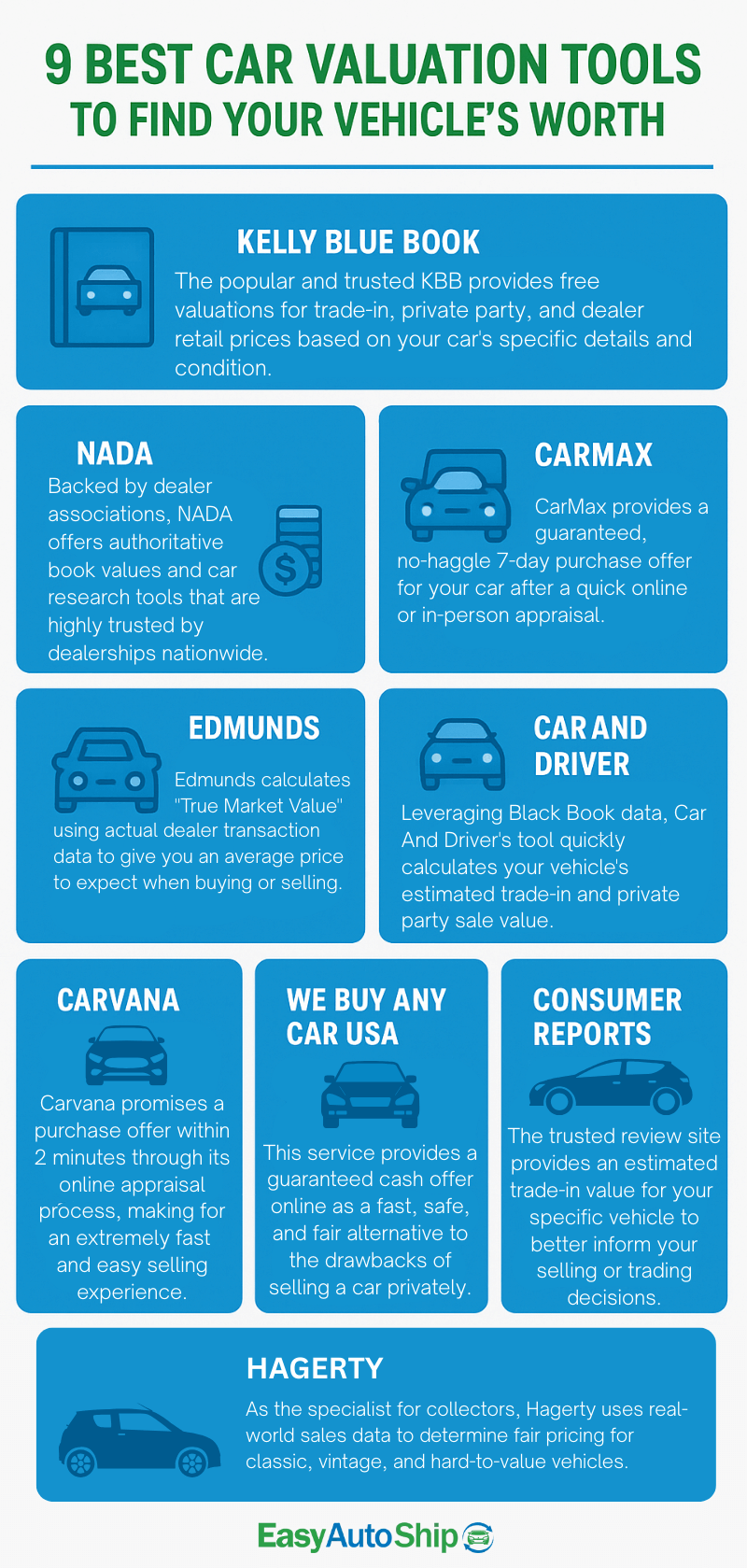
The moment a new car leaves the dealership lot, it begins to depreciate. This is a fundamental concept in finance. While the rate of depreciation varies by make, model, and market conditions, it’s an unavoidable reality. The steepest decline often occurs in the first few years, after which it tends to level off. Understanding your car’s depreciation curve can help you anticipate its future value and make strategic decisions about when to sell. Factors like brand reputation, reliability ratings, and resale value statistics from industry sources like Kelley Blue Book (KBB) or Edmunds provide valuable insights into how quickly certain vehicles lose value.
Supply and Demand: Economic Factors at Play
Like any commodity, a car’s value is heavily influenced by the basic economic principles of supply and demand. If a particular model is in high demand and short supply (e.g., fuel-efficient cars during a gas price spike, or popular SUVs in a growing family demographic), its value will tend to be higher. Conversely, an oversupply or dwindling demand can depress prices. Recent global events, such as chip shortages impacting new car production, have significantly altered the used car market, often leading to inflated values for pre-owned vehicles as consumers seek alternatives. Staying attuned to these broader economic and industry trends is vital for an accurate valuation.
The Impact of Current Automotive Trends
Beyond general economics, specific automotive trends can dramatically affect your car’s worth. The rapid shift towards electric vehicles (EVs), for instance, might influence the long-term value of gasoline-powered cars, though the immediate impact varies regionally. Similarly, the popularity of certain features (e.g., advanced safety systems, infotainment technology, all-wheel drive in colder climates) can make a vehicle more desirable and thus more valuable. Color, trim level, and engine type also play a role, with more popular configurations generally fetching higher prices. Recognizing these trends allows you to assess your car’s attractiveness in the current market.
The Carmax Valuation Process: Convenience Meets Clarity
Carmax has carved a significant niche in the used car market by offering a relatively straightforward and transparent selling experience. Their process aims to remove the traditional complexities and stresses associated with selling a vehicle.
How Carmax Determines Your Offer
Carmax employs a comprehensive appraisal process to determine its offer for your vehicle. This isn’t just a cursory glance; it’s a detailed evaluation conducted by trained appraisers. They consider a range of data points:
- Vehicle Condition: This includes exterior (dents, scratches, paint quality), interior (wear and tear, cleanliness, functionality of features), tires, and mechanical components (engine, transmission, brakes).
- Vehicle History Report: Carmax utilizes reports like CarFax or AutoCheck to identify past accidents, salvage titles, flood damage, odometer discrepancies, and service history. A clean history generally commands a higher price.
- Mileage: Lower mileage for the vehicle’s age typically results in a higher valuation.
- Market Data: Carmax leverages its vast sales data and real-time market trends to understand what similar vehicles are currently selling for in your specific geographic area. They factor in demand for your make, model, and trim.
- Features and Options: Premium features, suchable as a sunroof, navigation system, heated seats, or advanced driver-assistance systems, can add to the value.
The combination of these factors allows Carmax to generate a precise offer, typically valid for seven days, which is critical for financial planning as it provides a stable reference point.
The No-Haggle, No-Obligation Advantage
One of Carmax’s most appealing aspects from a personal finance perspective is its no-haggle policy. The price they offer is the price you get, eliminating the often-dreaded negotiation process common in private sales or traditional dealerships. This transparency can save time and reduce stress, offering a clear financial figure to work with. Furthermore, there’s no obligation to sell. You can obtain an appraisal, take the offer, and explore other options without any pressure. This flexibility is a significant financial tool, empowering you to compare offers and ensure you’re making the best decision for your wallet.
What to Expect During Your Carmax Appraisal
Getting an appraisal at Carmax is a relatively quick process. You can start online by providing basic vehicle information, which gives you an initial estimate. For a firm offer, you’ll need to visit a Carmax location. An appraiser will physically inspect your vehicle, usually taking about 30 minutes. During this time, they’ll test drive it, check all major systems, review the interior and exterior, and verify your paperwork. They’ll then present you with a written offer. It’s a straightforward procedure designed for efficiency, allowing you to quickly ascertain a concrete financial value for your car.
Beyond Carmax: Exploring Your Selling Options
While Carmax offers convenience, it’s just one avenue. To truly maximize your car’s worth, it’s prudent to explore other selling methods, each with its own financial implications.
Private Sale: The Potential for Higher Returns
Selling your car privately (e.g., through online classifieds like Craigslist, Facebook Marketplace, or local advertisements) often yields the highest potential return. By cutting out the middleman (dealerships or buying services), you retain a larger portion of the sale price. However, this method demands more time, effort, and financial savvy. You’re responsible for:
- Preparation: Cleaning, minor repairs, detailing, and taking quality photos.
- Marketing: Writing compelling descriptions and listing the car on various platforms.
- Communication: Answering inquiries, scheduling test drives, and dealing with potential buyers.
- Negotiation: Haggling over price and terms.
- Paperwork: Handling titles, bills of sale, and transfer of ownership.
While potentially more lucrative, the hidden costs of time and effort, plus the risks associated with meeting strangers and handling large sums of money, must be factored into the financial equation.
Dealership Trade-Ins: Simplicity at a Price

Trading in your car at a dealership when purchasing a new one offers unparalleled convenience. It simplifies the transaction to a single event, potentially reducing sales tax (in some states, you only pay sales tax on the difference between the new car’s price and your trade-in value), and eliminates the hassle of selling privately. Financially, however, trade-in values are typically lower than what you might get from Carmax or a private sale. Dealerships need to buy your car at a wholesale price to account for reconditioning costs, profit margins, and the risk of holding inventory. While convenient, this option often represents a lower financial return on your existing vehicle.
Online Marketplaces and Auctions
Beyond traditional private sales, a growing number of online platforms specialize in connecting sellers with buyers or even facilitating auction-style sales. Websites like Autotrader, Cars.com, and eBay Motors allow you to reach a wider audience than local classifieds. Newer platforms like Vroom or Carvana offer a Carmax-like online appraisal and pickup service, providing another streamlined option. While they may offer competitive prices, it’s essential to understand their specific processes, fees, and requirements, as these can impact your net financial gain. Evaluating multiple offers from various platforms is key to making an informed financial decision.
Factors Influencing Your Car’s Value
Regardless of where you sell, several key factors consistently drive a vehicle’s market value. Focusing on these areas can significantly improve your car’s appeal and, consequently, its financial worth.
Condition is King: Maintenance and Aesthetics
The overall condition of your car is perhaps the single most important determinant of its value.
- Mechanical Health: A well-maintained car with a documented service history (oil changes, tire rotations, major service intervals) will inspire confidence in buyers and fetch a higher price. Address any warning lights, fluid leaks, or minor mechanical issues before appraisal.
- Exterior Appearance: Dents, scratches, rust, and faded paint can dramatically reduce value. Consider professional detailing, paint correction, or even minor bodywork for significant damage. Clean headlights, a freshly washed and waxed exterior, and clean wheels make a strong first impression.
- Interior Cleanliness: A clean, odor-free interior with minimal wear and tear on seats, carpets, and trim signals a well-cared-for vehicle. Remove personal items, vacuum thoroughly, and address any stains or unpleasant odors.
Investing a small amount in detailing and minor repairs can often yield a significantly higher return on your car’s sale price, representing a smart financial move.
Mileage, Age, and Vehicle History
These three interconnected factors provide a snapshot of your car’s life and projected longevity.
- Mileage: Lower mileage relative to the car’s age is almost always preferable. While higher mileage isn’t a deal-breaker, it will generally lead to a lower offer.
- Age: Newer cars typically command higher prices, but the rate of depreciation slows over time. There’s often a sweet spot where depreciation has leveled off, but the car still has plenty of life left.
- Vehicle History: A clean vehicle history report (no accidents, clear title, consistent maintenance records) is a major selling point. Any red flags, such as salvage titles, multiple owners in a short period, or significant accident history, will negatively impact the value. Having your service records organized and available can substantiate your car’s history.
These objective metrics provide a baseline for valuation that even Carmax will scrutinize heavily.
Features, Trim, and Desirability
Beyond the basics, the specific configuration of your car plays a role.
- Trim Level: Higher trim levels with more standard features (leather seats, larger infotainment screens, premium sound systems) are generally more desirable and valuable.
- Optional Features: Specific standalone options that are popular in the market (e.g., panoramic sunroof, towing package, advanced safety suite) can add value.
- Color: While subjective, certain colors are more universally appealing and easier to resell than others. Neutral colors like black, white, silver, and grey often have broader appeal.
- Aftermarket Modifications: Be cautious with aftermarket modifications. While you might love your custom wheels or exhaust system, they often do not add value and can even detract from it if they appeal to a niche audience or void warranties. Returning the car to stock condition can sometimes be a financially sound decision.
Understanding what makes your specific car desirable to the average buyer helps in setting realistic expectations for its value.
Making an Informed Decision: Is Carmax Right for You?
Ultimately, the choice of where and how to sell your car comes down to a personal financial decision, balancing potential returns with convenience and peace of mind.
Weighing Speed vs. Price
This is the central dilemma for many sellers.
- Carmax: Offers unmatched speed and convenience. You can get an offer and sell your car on the same day, with a check in hand. This rapid transaction can be invaluable if you need quick cash or want to avoid juggling two car payments. However, the price offered by Carmax is often slightly lower than what you might achieve in a private sale, as they need to account for their business model and profit margins.
- Private Sale: Potentially offers the highest price, maximizing your financial return. But it comes at the cost of significant time and effort, with no guarantee of a quick sale. The longer your car sits, the more it depreciates, potentially eroding the advantage of a higher asking price.
Your personal financial situation and timeline will dictate which factor holds more weight. If time is money for you, Carmax might be the financially prudent choice despite a potentially lower price.
The Value of Convenience and Peace of Mind
Beyond just the dollar amount, consider the value of a smooth, hassle-free transaction. Selling to Carmax means:
- No strangers coming to your home.
- No late-night inquiries or lowball offers.
- No haggling over price or dealing with complex paperwork.
- No concerns about payment scams or bounced checks.
For many, the reduction in stress and risk associated with a Carmax sale is a valuable commodity, even if it means accepting a slightly lower financial offer. It frees up your time and mental energy, allowing you to focus on other financial priorities.
Financial Planning: What to Do with Your Proceeds
Once you’ve sold your car, what you do with the proceeds is another critical financial decision.
- Down Payment on a New Vehicle: Many sellers use the funds from their old car to reduce the loan amount on their next vehicle, lowering monthly payments and overall interest paid.
- Debt Reduction: Using the money to pay down high-interest debt (e.g., credit cards) can be a highly effective financial strategy, improving your overall financial health.
- Savings or Investment: Contributing to an emergency fund, retirement account, or other investment vehicles can grow your wealth over time.
- Major Expenses: The funds could be allocated towards a home renovation, educational expenses, or other significant life costs.
Having a plan for the funds generated from your car sale is as important as maximizing the sale price itself, ensuring that your vehicle asset continues to work for your broader financial goals.
In conclusion, understanding “what is my car worth at Carmax” is a starting point for a broader financial inquiry into your vehicle’s value. Carmax offers a compelling proposition of speed, transparency, and convenience, making it an excellent benchmark for your car’s worth. However, a truly informed financial decision involves considering all your options, understanding the market dynamics, diligently preparing your vehicle, and ultimately, aligning your selling strategy with your personal financial objectives. By approaching the sale of your car with insight and a strategic mindset, you can ensure you get the best possible financial outcome for your valuable asset.
aViewFromTheCave is a participant in the Amazon Services LLC Associates Program, an affiliate advertising program designed to provide a means for sites to earn advertising fees by advertising and linking to Amazon.com. Amazon, the Amazon logo, AmazonSupply, and the AmazonSupply logo are trademarks of Amazon.com, Inc. or its affiliates. As an Amazon Associate we earn affiliate commissions from qualifying purchases.