
In the era of the “quantified self,” the question of what your heart rate should be has moved from the doctor’s office to the wrist. With the global wearable technology market projected to continue its exponential growth, millions of users are now tracking their beats per minute (BPM) in real-time. Whether you are glancing at an Apple Watch, a Garmin Fenix, or a specialized Whoop strap, that flashing number represents a complex intersection of biology and sophisticated sensor technology. Understanding your BPM in this context requires more than a simple numerical range; it requires an understanding of how modern hardware interprets human physiology.
The Evolution of Optical Heart Rate Sensors in Modern Wearables
To answer what your BPM is “supposed” to be, one must first understand how consumer technology arrives at that number. Most modern gadgets utilize Photoplethysmography (PPG). This technology relies on the simple fact that blood is red, which means it reflects red light and absorbs green light.
How PPG Technology Works
The sensors on the underside of a smartwatch use green LED lights paired with light-sensitive photodiodes. When your heart beats, the blood flow in your wrist—and the green light absorption—is greater. Between beats, it is less. By flashing these LED lights hundreds of times per second, the device can calculate the number of times the heart beats each minute.
However, the tech isn’t infallible. The software must filter out “noise”—the movement of your arm, the ambient light leaking in, or even the skin tone of the wearer, which can affect light absorption. High-end devices now utilize multi-wavelength sensors and complex AI-driven algorithms to clean this data, providing a reading that is increasingly close to medical-grade EKG (Electrocardiogram) standards.
The Accuracy Gap: Wrist-Based vs. Chest Strap Sensors
While wrist-based tech is convenient, it faces mechanical challenges. During high-intensity interval training (HIIT) or activities involving significant wrist flexion, the seal between the sensor and the skin can break. This leads to “cadence lock,” where the sensor mistakenly tracks your steps per minute instead of your heart rate.
Tech enthusiasts and athletes often supplement their wrist-wear with chest straps, which use electrical sensors to detect the heart’s actual depolarization. These devices transmit data via Bluetooth or ANT+ to the watch, providing a more responsive and accurate BPM during rapid transitions in intensity. Understanding this hardware distinction is vital for anyone using BPM data to guide their fitness or health decisions.
Understanding Your Data: Resting Heart Rate and Active Ranges
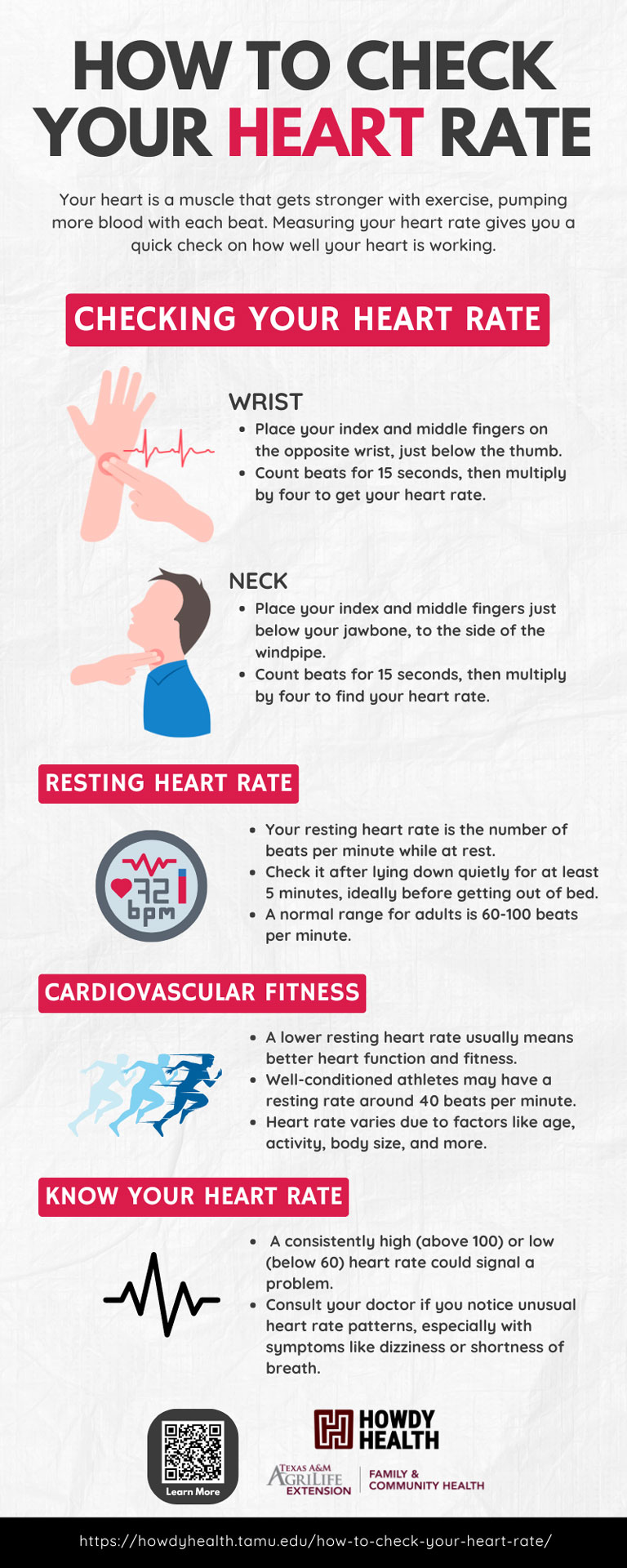
When you ask what your BPM should be, the answer is bifurcated into two categories: your Resting Heart Rate (RHR) and your Active Heart Rate. Technology has transformed how we define these “normal” ranges by providing longitudinal data that a single clinical visit never could.
Defining “Normal” in the Age of Big Data
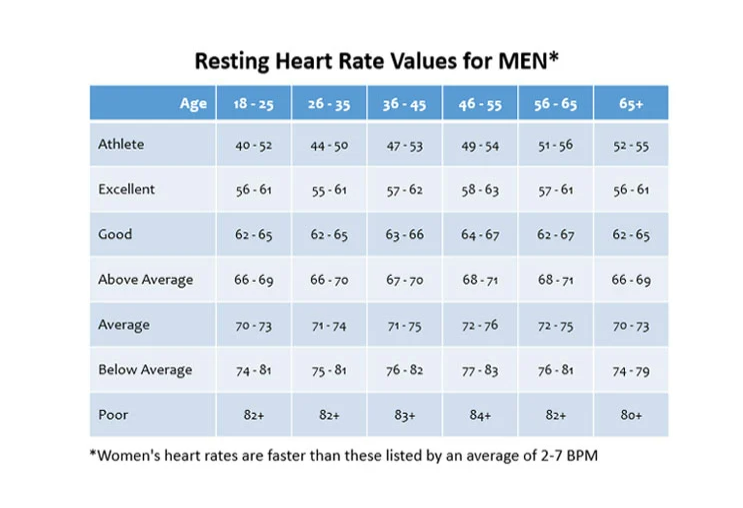
Traditionally, a resting heart rate between 60 and 100 BPM is considered normal for adults. However, data collected from millions of wearable users suggests that “normal” is highly individualized. Technology allows us to see that a highly trained endurance athlete might have an RHR of 38 BPM, while a high-stress corporate professional might average 75 BPM.
The value of the technology lies in baseline establishment. Most health apps now focus on “trends” rather than snapshots. If your Apple Health or Oura Ring data shows a sudden 10 BPM increase in your RHR over three days, the software may flag this as a sign of overtraining, high stress, or an impending viral infection, often before you feel any physical symptoms.
The Role of AI in Predicting Health Trends from BPM
Modern health platforms are no longer just passive trackers; they are predictive engines. Using machine learning, these apps analyze your BPM in conjunction with sleep stages and respiratory rates. If your BPM remains elevated during your Deep Sleep cycle, the algorithm recognizes a lack of recovery. This tech-driven insight tells you that your “supposed” BPM isn’t just a static number, but a dynamic indicator of your body’s current state of equilibrium.
Beyond the Number: Heart Rate Variability (HRV) and Recovery Tech
For those deeply embedded in the tech ecosystem, the standard BPM is only the tip of the iceberg. The more sophisticated metric—and the one that defines the current state of health tech—is Heart Rate Variability (HRV).
Why HRV is the New Gold Standard for Tech Enthusiasts
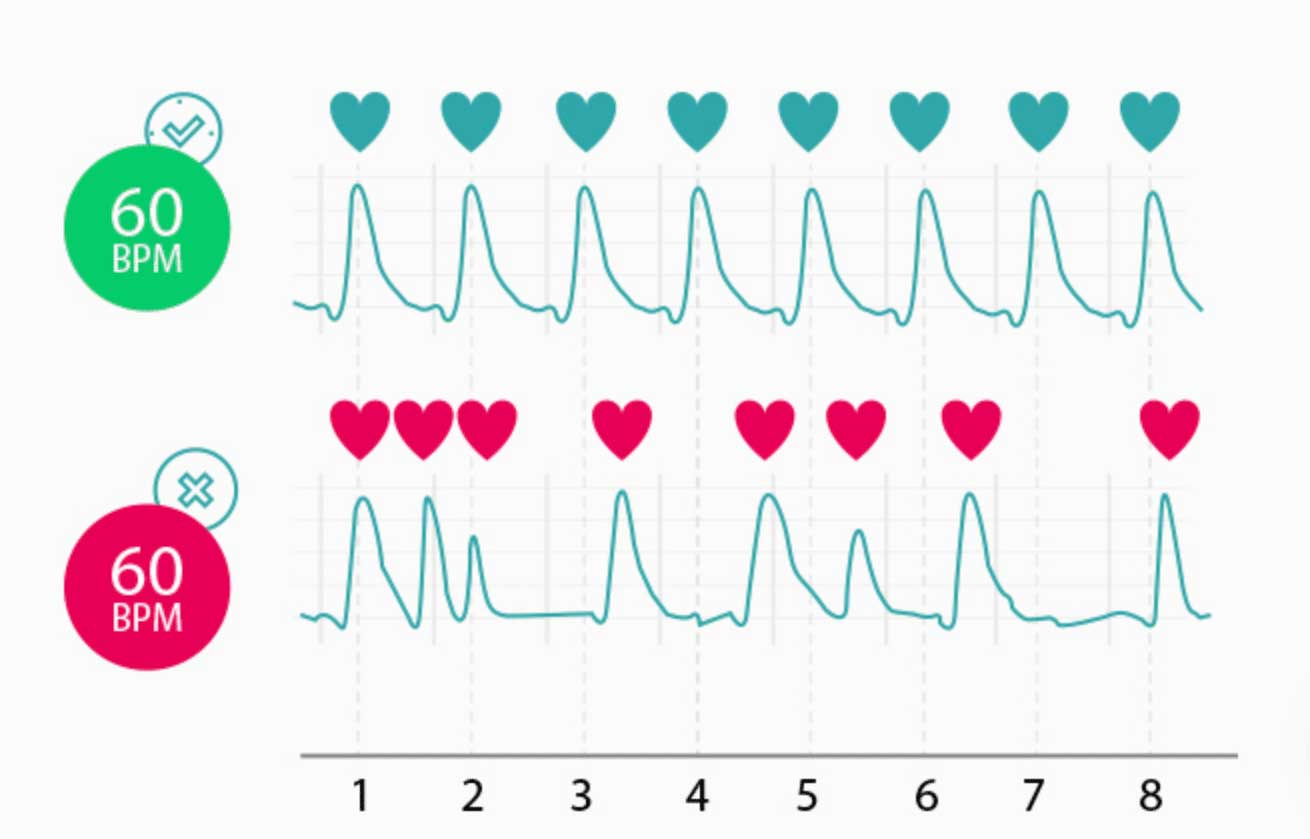
HRV measures the variation in time between each heartbeat. If your heart rate is 60 BPM, it doesn’t actually beat once every second. There might be 0.9 seconds between two beats and 1.1 seconds between the next. This variation is controlled by the autonomic nervous system.
High-end wearables use infrared sensors to track these millisecond differences. A high HRV generally indicates that your body is responsive to both the sympathetic (fight or flight) and parasympathetic (rest and digest) nervous systems, signaling that you are well-recovered. Conversely, a low HRV suggests that your body is under stress. This is where tech provides the most value: it translates raw BPM data into a “Readiness Score” or “Body Battery,” telling the user whether they should push for a personal record or take a rest day.
Interpreting Readiness Scores and Stress Monitoring
The software architecture of apps like Garmin Connect or the Whoop dashboard takes BPM and HRV to create a holistic view of health. By monitoring the “stress” placed on the heart throughout the day, these tools can quantify the physiological cost of a caffeine hit, a stressful meeting, or an evening glass of wine. For the user, the question isn’t just “What is my BPM?” but “How is my lifestyle affecting my heart’s rhythm?”
The Future of Biometric Monitoring: AI Diagnostics and Preventive Health
We are moving away from fitness tracking and toward proactive medical diagnostics. The technology embedded in modern smartwatches is increasingly obtaining FDA clearance for specific medical functions, fundamentally changing the relationship between the consumer and their BPM data.
Machine Learning Algorithms for Arrhythmia Detection
The most significant tech advancement in the BPM space is the integration of EKG sensors and Atrial Fibrillation (AFib) detection. By touching the crown of a watch, a user can complete a circuit that allows the device to record the heart’s electrical signals.
AI algorithms then analyze the wave patterns. If the rhythm is irregular, the software can alert the user to seek medical attention. This is a paradigm shift: the device is no longer just telling you how fast your heart is beating; it is analyzing the quality of the beat. This “tech-first” approach to cardiology is saving lives by detecting “silent” conditions that often go unnoticed in standard checkups.
The Ethical Implications of Continuous Health Surveillance
As our devices become more adept at monitoring our BPM, we enter a complex landscape regarding data privacy and the role of AI in healthcare. If a wearable device can predict a heart attack minutes or hours before it happens—a technology currently in development—who owns that data? Tech giants are currently navigating the balance between providing life-saving insights and maintaining the security of highly sensitive biometric signatures.
Optimizing Your Tech Stack for Accurate Biometric Tracking
To get the most accurate answer to “What is my BPM supposed to be?”, users must optimize their hardware and software configuration. Accurate data is the foundation of any tech-driven health strategy.
- Sensor Placement: For optical sensors to work, they must be positioned about one finger’s width above the wrist bone. The strap must be tight enough that the light cannot escape, but not so tight that it restricts blood flow.
- Algorithm Calibration: Most health apps require an initial “calibration period” of 14 to 30 days. During this time, the AI learns your unique physiological baselines. Frequent switching between different devices can lead to “data fragmentation,” where the algorithms cannot form a cohesive picture of your health.
- Third-Party Integration: To truly leverage your BPM data, utilize platforms like Apple Health, Google Fit, or specialized tools like TrainingPeaks. These aggregators pull data from multiple sources—your smart scale, your watch, and your nutrition app—to provide a comprehensive view of how your cardiovascular health correlates with your weight and caloric intake.
The question of what your BPM is supposed to be is no longer a simple medical inquiry. In the current technological landscape, it is a data-driven journey. By leveraging the advanced sensors, AI algorithms, and predictive software available today, individuals can gain an unprecedented level of control over their health. Your BPM is a signal in the noise of daily life—a digital pulse that, when properly interpreted through the right tech stack, offers a roadmap to longevity and peak performance.
aViewFromTheCave is a participant in the Amazon Services LLC Associates Program, an affiliate advertising program designed to provide a means for sites to earn advertising fees by advertising and linking to Amazon.com. Amazon, the Amazon logo, AmazonSupply, and the AmazonSupply logo are trademarks of Amazon.com, Inc. or its affiliates. As an Amazon Associate we earn affiliate commissions from qualifying purchases.