
In the labyrinth of personal finance, certain pieces of information act as crucial keys, unlocking the ability to move your money safely and efficiently. Among these, your bank’s routing number stands out as a fundamental identifier, a nine-digit code that is quietly essential for a vast array of financial transactions. While often overlooked until explicitly required, understanding what a routing number is, why you need it, and how to find it is a cornerstone of effective financial management in the digital age.
This comprehensive guide will demystify the routing number, exploring its origins, its critical role in the modern financial system, and practical steps to ensure you always have this vital piece of information at your fingertips. From setting up direct deposits to executing wire transfers, mastering your bank’s routing number is not just about convenience; it’s about empowerment and control over your financial destiny.

Understanding the Routing Number: More Than Just Nine Digits
Before delving into the practical applications, it’s vital to grasp the foundational concept of a routing number. It’s more than just a random sequence; it’s a meticulously structured identifier with a specific purpose and history.
What Exactly is a Routing Number?
A routing number, also known as an ABA (American Bankers Association) routing transit number (RTN), is a nine-digit code used by financial institutions in the United States to identify other financial institutions. Think of it as a postal code for your bank. When you send money or receive money, this number directs the funds to the correct bank, ensuring that your transaction arrives at the intended destination.
The structure of the nine digits itself holds information. The first four digits identify the Federal Reserve district where the bank is located, and the next four digits specify the individual bank within that district. The final ninth digit is a checksum digit, designed to catch errors in transcription, ensuring the number’s accuracy. This robust system minimizes mistakes and enhances the security of financial transfers.
The Purpose and History of Routing Numbers
Routing numbers were first developed in 1910 by the American Bankers Association to facilitate the processing of paper checks. As the volume of checks grew, a standardized system was needed to ensure checks were routed to the correct banks for payment. Before routing numbers, manual sorting and delivery could lead to delays and errors.
With the advent of electronic banking and Automated Clearing House (ACH) transactions in the 1970s, the role of the routing number expanded dramatically. Today, it’s not just for checks; it’s the bedrock for nearly all electronic funds transfers within the U.S. financial system, including direct deposits, bill payments, and wire transfers. Its continued relevance underscores its robust and adaptable design, proving invaluable in an increasingly digital financial landscape.
Differentiating Routing Numbers from Account Numbers
It’s crucial not to confuse your routing number with your bank account number. While both are essential for financial transactions, they serve distinct purposes:
-
Routing Number: Identifies your bank (the specific financial institution). It’s generally the same for all customers of a particular bank within a specific region or for a particular type of transaction.
-
Account Number: Identifies your specific account within that bank. This number is unique to you and your account.
You almost always need both numbers to complete a transaction, as the routing number directs the funds to the correct bank, and the account number ensures they land in your individual account within that bank. Sharing your routing number is generally less risky than sharing your account number because it doesn’t identify your personal account directly.
Why You Need Your Bank’s Routing Number
The routing number is not merely an arcane detail; it’s a practical necessity for virtually every modern financial interaction. From managing your paycheck to paying your bills, its utility is pervasive.
Setting Up Direct Deposit and Automatic Payments
One of the most common reasons you’ll need your routing number is for direct deposit. Whether it’s your salary, social security benefits, or tax refunds, direct deposit requires both your bank’s routing number and your personal account number. This ensures your funds are electronically transferred from the payer’s bank directly into your account. Similarly, setting up automatic bill payments, such as for utilities, mortgages, or loan payments, often relies on providing your routing and account numbers to the payee, allowing them to initiate recurring withdrawals from your account. This automation streamlines your financial life, reducing the risk of missed payments and late fees.
Initiating Wire Transfers and ACH Transactions
When you need to send or receive a larger sum of money quickly, or to a specific party, you might use an ACH transfer or a wire transfer.
-
ACH (Automated Clearing House) Transfers: These are electronic payments processed in batches, typically for direct deposits, direct debits (like bill payments), and person-to-person payments. They are generally less expensive than wire transfers but take longer (1-3 business days). Your routing number is absolutely essential for these transfers to direct funds through the ACH network.
-
Wire Transfers: These are immediate, real-time electronic fund transfers between banks. They are typically used for large, time-sensitive transactions, such as closing on a house or making a large business payment. Wire transfers often involve higher fees than ACH transactions due to their speed and real-time nature. While your routing number is crucial for domestic wire transfers, international wires often require additional codes like SWIFT/BIC codes, which we’ll discuss later.
Paying Bills Online and Other Electronic Transfers
Beyond direct deposits and wire transfers, your routing number is often requested when setting up online bill pay directly from your bank’s portal, or when linking your bank account to third-party payment services like PayPal, Venmo, or investment platforms. These services use the routing number to verify your bank and facilitate seamless transfers between your accounts and other entities. Every time you authorize a company to debit your account for a service or subscription, your routing number (along with your account number) is typically the underlying mechanism.
Tax Refunds and Government Benefits
Receiving tax refunds from the IRS or government benefits (like unemployment, stimulus checks, or social security) directly into your bank account requires providing your routing number. This method is faster and more secure than waiting for a paper check, significantly reducing processing times and the risk of mail fraud or loss. Government agencies exclusively rely on accurate routing and account numbers to disburse funds efficiently to millions of recipients.
How to Easily Find Your Bank’s Routing Number
Given its pervasive utility, knowing how to quickly locate your routing number is a practical skill for every financially savvy individual. Fortunately, banks make this information readily accessible through several convenient channels.
Checking Your Bank Statements
One of the most reliable places to find your routing number is on your bank statements. Whether you receive paper statements in the mail or access them digitally through your online banking portal, the routing number is almost always prominently displayed. Look near your account number, usually at the top or bottom of the statement. The routing number typically remains constant for your bank’s branches within a certain region, making statements a consistent source of this information.
On Your Checks: The MICR Line Explained
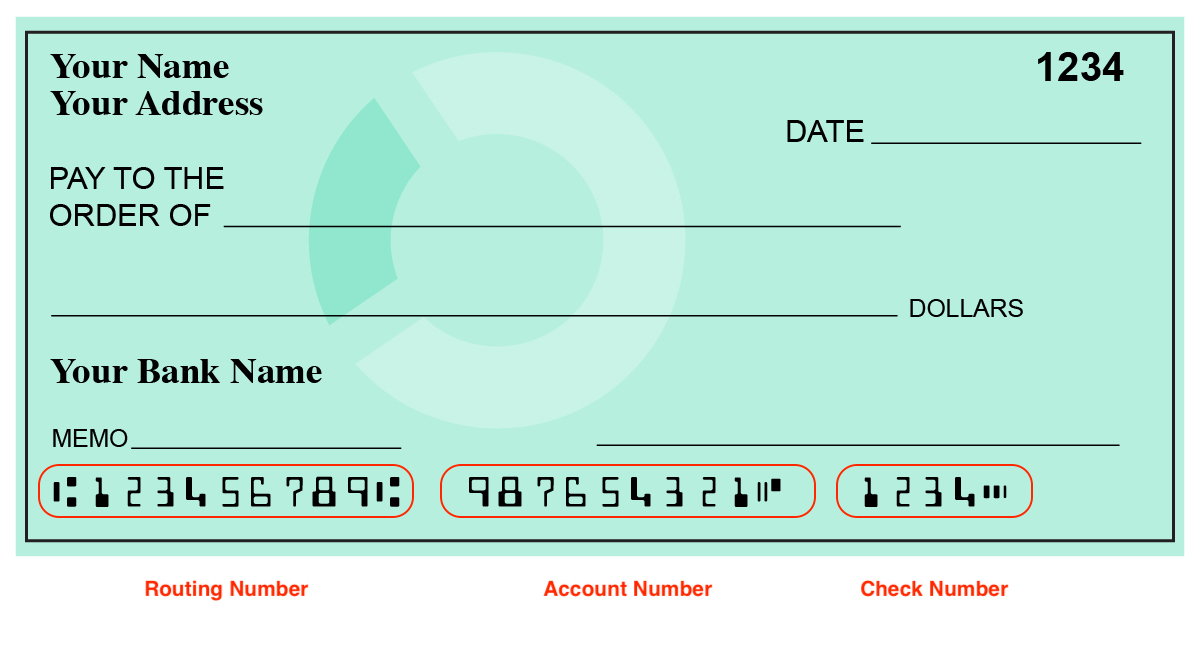
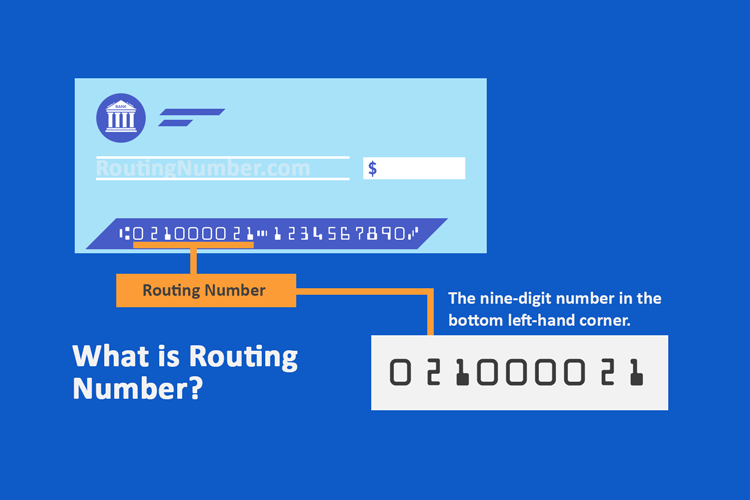
If you still use paper checks, your routing number is literally printed on every single one. Look at the bottom of a personal check. You’ll see a series of three groups of numbers, printed in a special magnetic ink character recognition (MICR) font.
-
The first group of nine digits (on the left) is your bank’s routing number.
-
The second group (in the middle) is your account number.
-
The third group (on the right) is your check number.
It’s important to note that while the routing number on your checks is generally correct, some financial institutions might use different routing numbers for specific types of electronic transfers (e.g., separate numbers for ACH versus wire transfers). However, for most common transactions, the number on your check is a safe bet.
Online Banking Portals and Mobile Apps
In today’s digital age, your bank’s online platform or mobile app is perhaps the quickest way to find your routing number. After logging into your account:
-
Online Banking: Navigate to your account details or profile section. The routing number is usually displayed prominently alongside your account number. Sometimes, it might be under a “Direct Deposit Information” or “Account Information” tab.
-
Mobile App: Similar to online banking, look for an “Account Details,” “Statements,” or “Direct Deposit Info” section within your banking app. Many apps even have a dedicated “Show Routing Number” button.
These digital channels offer immediate access and are often the most up-to-date sources of information directly from your bank.
Contacting Your Bank Directly
If all else fails, or if you prefer direct confirmation, you can always contact your bank’s customer service. Call the number on the back of your debit card or visit your local branch. A customer service representative will be able to provide you with the correct routing number for your specific account and transaction needs. This method is particularly useful if you have specific questions about different routing numbers for different transaction types.
Using Online Routing Number Look-up Tools (with caution)
Several websites offer routing number look-up tools where you can enter your bank’s name and sometimes your state to find the routing number. While these can be helpful, always exercise caution. Verify any information obtained from third-party sites by cross-referencing it with an official source from your bank (like their website, a statement, or a direct call). Relying solely on unverified third-party information could lead to incorrect transfers.
Common Pitfalls and Security Considerations
While routing numbers are designed for efficiency, understanding potential pitfalls and security implications is vital for protecting your finances.
The Importance of Accuracy: Avoiding Transaction Errors
The nine digits of your routing number, coupled with your account number, are critical for directing funds correctly. Even a single incorrect digit can lead to a transaction being rejected, delayed, or worse, sent to the wrong account. Correcting such errors can be a time-consuming and frustrating process, sometimes involving fees and requiring direct intervention from your bank. Always double-check both your routing and account numbers before initiating any transfer or providing them to a third party. When setting up direct deposits, many employers or government agencies will ask for a voided check or a direct deposit form from your bank, which pre-fills this information to minimize errors.
Dealing with Multiple Routing Numbers
It’s not uncommon for a single financial institution to have multiple routing numbers. This can occur for several reasons:
-
Geographical Location: Larger banks might use different routing numbers for branches in different states or regions.
-
Transaction Type: Some banks use one routing number for ACH transactions (like direct deposits and electronic bill payments) and a different one for wire transfers.
-
Mergers and Acquisitions: When banks merge, the acquired bank’s routing number might remain active for a period or be replaced by the acquiring bank’s number, sometimes leading to confusion during a transition period.
-
Specific Products: Occasionally, certain financial products or services (e.g., specialized credit lines) might have their own distinct routing numbers.
If you suspect your bank might have multiple routing numbers, always confirm the correct one for the specific transaction you intend to make. Your bank’s website or a quick call to customer service is the best way to get definitive clarity.
Protecting Your Financial Information
While a routing number by itself is less sensitive than your account number or Social Security number, it’s still part of your financial identity. Be mindful of who you share it with. Only provide your routing and account numbers to trusted entities for legitimate financial transactions. Be wary of unsolicited requests for this information, especially via email or text messages, as they could be phishing attempts. Your bank will never ask you for your full account and routing number via unsecured email or text. Always use secure, encrypted channels when transmitting sensitive financial data.
Beyond the Basics: ACH, Wire Transfers, and International Transactions
As financial transactions become increasingly global, it’s helpful to understand how routing numbers fit into the broader payment landscape, particularly concerning international transfers.
ACH vs. Wire Transfers: When to Use Which
The choice between an ACH transfer and a wire transfer often comes down to speed, cost, and the recipient’s needs.
-
ACH Transfers: Best for routine, non-urgent transfers. They are cost-effective (often free or very low fee) and suitable for recurring payments, direct deposits, and smaller person-to-person transfers. They take 1-3 business days to clear.
-
Wire Transfers: Best for urgent or large-value transfers where funds need to be available almost immediately. They are typically more expensive (ranging from $15-$50 per transfer) but offer real-time, confirmed delivery. Use them for real estate transactions, earnest money deposits, or international business payments where speed is critical.
Both rely on accurate routing numbers for domestic transfers to ensure the funds reach the correct recipient bank.
Routing Numbers for International Transfers (SWIFT/BIC Codes)
While routing numbers are the standard for domestic U.S. transactions, they are not used for international transfers. For sending money across borders, you’ll typically need a SWIFT (Society for Worldwide Interbank Financial Telecommunication) code, also known as a BIC (Bank Identifier Code).
- SWIFT/BIC Code: This is an international standard for identifying banks worldwide. It’s an 8 or 11-character code that identifies the bank, country, location, and sometimes a specific branch. When sending money internationally, you’ll need the recipient’s bank’s SWIFT/BIC code, their account number (often an IBAN for European accounts), and sometimes their full address.
Understanding this distinction is crucial to avoid confusion and ensure that international funds are sent and received without delay. Your bank’s website or international wire transfer department can provide the correct SWIFT code if you need to receive money from overseas.
Conclusion
The routing number, a seemingly small detail in the vast world of banking, is in fact a pivotal identifier enabling the smooth flow of money throughout the United States. From ensuring your paycheck lands in your account precisely on time to facilitating critical online payments, its nine digits underpin much of our financial infrastructure.
By understanding its purpose, appreciating its historical significance, and knowing the various ways to reliably locate it, you empower yourself with a fundamental piece of financial literacy. Always prioritize accuracy, exercise caution when sharing this information, and remember that your bank is always your primary resource for definitive answers. With this knowledge, you are better equipped to navigate your financial landscape with confidence and efficiency, ensuring your money goes exactly where it needs to be, every single time.
aViewFromTheCave is a participant in the Amazon Services LLC Associates Program, an affiliate advertising program designed to provide a means for sites to earn advertising fees by advertising and linking to Amazon.com. Amazon, the Amazon logo, AmazonSupply, and the AmazonSupply logo are trademarks of Amazon.com, Inc. or its affiliates. As an Amazon Associate we earn affiliate commissions from qualifying purchases.